AI convenience store unlocks 24 7 shopping for everyone

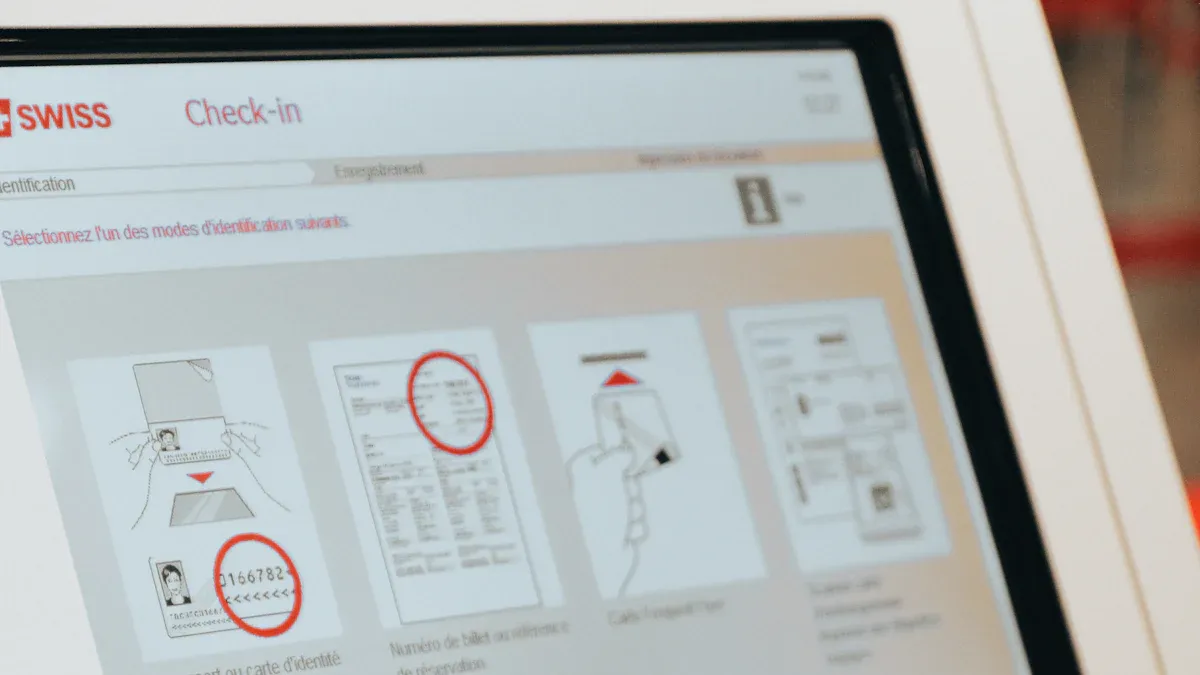
You can now shop anytime you want on your corporate campus, thanks to the AI convenience store. This technology gives you access to snacks, drinks, and essentials day or night. You do not need to wait in line or worry about store hours. Employees and visitors enjoy more flexibility and freedom. Your daily routine becomes smoother and more efficient as you grab what you need when you need it.
Key Takeaways
AI convenience stores let people shop at any time. This gives workers and visitors more choices and makes shopping easier.
Smart technology runs the shopping process by itself. It removes waiting in lines and makes paying simple.
Real-time inventory management keeps favorite items in stock. This helps customers feel happy with their shopping.
Companies spend less money on workers and running the store. This helps them work better and get more done.
Strong security keeps personal data safe. This makes shopping safe for everyone.
AI convenience store technology
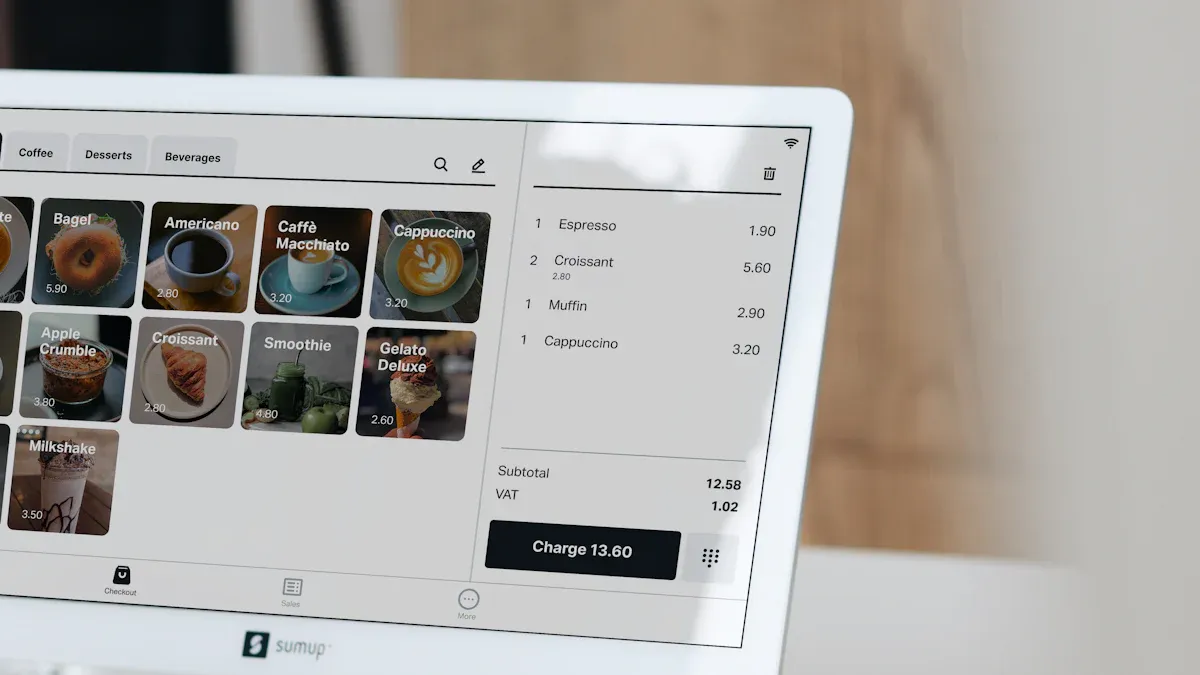
Core features and automation
When you walk into an AI convenience store, everything feels easy. These stores use smart technology to help you shop quickly. You do not have to talk to a cashier or stand in line. The store knows what you pick up and charges you when you leave.
Here are the main technology parts that make these stores work:
Technology Component | Role in Autonomous Operation |
|---|---|
Artificial Intelligence (AI) | Helps the store recognize products, understand shopping patterns, and predict what items will sell. |
Computer Vision | Uses cameras to see what you take from the shelves and tracks your movements for security. |
Internet of Things (IoT) | Connects sensors and devices to monitor inventory and store activity in real time. |
Radio-Frequency Identification (RFID) | Tracks products and helps prevent theft by using special tags on items. |
You do not need to check out like in regular stores. AI-powered computer vision systems watch what you choose. For example, Zippin uses cameras and weight sensors to charge you for what you take. This technology also helps keep shelves full by guessing what needs restocking. AI models look at old sales, seasons, and events to make better guesses than old ways.
Real examples show how this works. At Tulane University, Quick Eats lets you get snacks any time. VenHub and WEIMI use the same systems for 24/7 shopping. Sodexo’s eat>NOW stores see people buy more and lose fewer products.
Tip: The store learns what you like and gives you a shopping experience just for you.
How it differs from traditional stores
There are big differences between an AI convenience store and a regular store. In a regular store, you talk to staff, wait in line, and shop only during open hours. In an AI convenience store, you can shop anytime, and technology does most of the work.
Here is a chart to show the differences:
Feature | Traditional Convenience Stores | AI-Driven Convenience Stores |
|---|---|---|
Customer Engagement | High, with staff interaction | Low, mostly self-service |
Service Consistency | Changes with staff availability | Consistent, technology-driven |
Operational Costs | High, due to staffing | Lower, less need for staff |
Shopping Experience | Manual checkout, limited hours | Automated checkout, open 24/7 |
Community Connection | Strong, local relationships | Weaker, less personal interaction |
You use technology more than talking to people. The store uses digital tools to help you, so shopping is faster and easier. You can shop at any time, which is not possible in most regular stores.
AI convenience stores also save money. Building a robot-run store costs about $26,000. A regular store can cost up to $300,000. Companies save money on workers and keep stores open all day, so they sell more and spend less.
Note: AI convenience stores change fast to give you what you want, so you find popular things in stock more often.
24/7 shopping experience

Access and user journey
You can go into the AI convenience store any time. The store uses smart ways to let you in. You scan your badge, use an app, or tap your card to open the door. You do not need to wait for staff. You do not worry about store hours. The store greets you with bright lights and neat shelves.
You grab what you want. Cameras and sensors watch what you pick. You do not wait in line to pay. The store charges you when you leave. You can pay with EMV-certified devices, mobile wallets, contactless payments, or QR codes. These choices make paying quick and safe. Micro markets let you shop without staff. You can buy snacks or drinks late at night.
You save time and skip crowds. The store helps you, not the other way around.
You see the store handles busy times well. AI uses real-time data to keep shelves full and manage rush hours. You find popular items even when many people shop. The store does not depend on staff schedules. It uses technology to make shopping easy.
Aspect | Traditional Stores | |
|---|---|---|
Peak Usage Management | Uses real-time data for staffing optimization | Relies on historical data |
Staffing Efficiency | Reduces labor costs by 10-15% | Often overstaffed or understaffed |
Inventory Management | AI improves product availability | Manual inventory checks |
Customer Experience | Enhanced through data-driven insights | Limited by manual processes |
Security and inventory management
You feel safe in the AI convenience store. The store uses strong security systems to protect you and the products. Real-time monitoring sends alerts if someone tries to steal or cause trouble. AI video analytics check camera footage and spot bad behavior. Facial recognition finds known offenders and warns staff.
Real-time monitoring sends alerts for theft or safety problems.
AI video analytics check cameras to find suspicious actions.
Facial recognition finds known offenders and sends warnings.
The store tracks inventory with smart sensors and RFID tags. You see shelves restocked fast. The store knows when items are low and orders more before they run out. This system stops loss and keeps products ready for you.
Feature | AI-Powered Security Systems | Traditional Convenience Stores |
|---|---|---|
Real-time Monitoring | Yes | No |
Alerts | Yes | Limited |
Advanced Analytics | Yes | No |
Theft Prevention | High | Moderate |
Inventory Management | Improved | Basic |
You see fewer empty shelves and less theft. The store uses technology to protect products and keep shopping safe. You trust the system to make your experience smooth and secure.
The AI convenience store lets you shop anytime, keeps you safe, and makes sure you find what you need.
Benefits for employees and companies
Employee convenience and time savings
Having an AI convenience store on campus makes life easier. You can buy snacks, drinks, or meals anytime you want. You do not need to wait for staff or worry about when the store closes. This flexibility helps you fit shopping into your busy day. It lets you balance work and life better.
AI-powered scheduling tools help you manage your work shifts. You can use your phone to swap shifts or ask for time off. You can check your schedule with just a few taps. This gives you more control over your time and lowers stress. When you feel less stressed, you like your workplace more. Studies show these tools can make employees happier by up to 15%. Flexible scheduling helps keep good workers, so you work with a strong team.
You save time every day. You can grab what you need and get back to work or relax sooner.
Company productivity and efficiency
AI convenience stores help companies in many ways. The technology does routine jobs, so staff can focus on important tasks. AI tracks inventory, restocks shelves, and handles payments. This means fewer mistakes and faster service.
Companies use AI data to see what sells best. They change products to match what people want. Using data helps cut costs and make more money. Many retailers use AI to make stores run better and give you a nicer shopping experience.
AI does daily tasks, which makes things more efficient.
Data helps companies improve how stores work.
Automation lowers costs and raises profits.
Personalization makes shopping more enjoyable.
Retailers of all sizes use AI to make stores better.
You see the store always has fresh food and popular items. The company gets more sales and loses less money. Everyone benefits from smarter, faster, and more reliable shopping.
Implementation and outcomes
Security and privacy considerations
You trust the AI convenience store to keep your information safe. The store uses strong security steps to protect your data. Firewalls stop people who should not get in. Passwords make sure only some people use computers. Encryption hides your information when it moves or is stored. Locked rooms keep devices safe from tampering. Staff learn how to handle data the right way. Software gets updated often to stop problems.
Layer of Security | Description |
|---|---|
Perimeter Protection | Firewalls block unwanted network access. |
User Authentication | Passwords limit who can use computers. |
Access Permissions | Permissions control who sees important files. |
Data Encryption | Encryption keeps data safe during transfer and storage. |
Physical Security | Locked rooms protect devices from tampering. |
You see stores follow rules like GDPR and CCPA. These rules say how stores collect and use data. Stores pick a data protection officer. Vendors must follow the same rules.
People sometimes worry about privacy with AI and cameras. You may not like being watched or losing control of your data. Stores make clear rules and tell you how they use your information. Outside groups check if stores follow the rules. Laws help protect your rights.
Addressing Measures | |
|---|---|
Monitoring and control of individuals | Implementation of strict regulations and oversight |
Lack of transparency in surveillance practices | Development of clear policies and procedures |
Risks to civil liberties | Establishment of independent oversight and review mechanisms |
Tip: You can ask about store privacy rules and see how your data is kept safe.
Integration and maintenance
You notice adding an AI convenience store to campus can be hard. Keeping your data private is very important. Sometimes, new AI systems do not work with old campus tech. This can cause problems. High costs can make it tough for some campuses to start using AI stores.
Some staff do not like change. They worry about losing jobs or learning new things. Hard-to-understand AI systems can make setup tricky. If the tech breaks, shopping stops and people get upset. Stores must follow laws about AI and data.
Challenge | Description |
|---|---|
Concerns regarding the protection of personal information in AI systems. | |
Integration with Legacy Systems | Difficulty in merging new AI technologies with outdated systems, leading to operational disruptions. |
High Implementation Costs | Significant initial investment required for AI technology, which can deter adoption. |
Staff Resistance to Change | Employees may resist new technologies due to fear of job loss or the need to learn new skills. |
Complexity of AI Algorithms | The intricate nature of AI systems can complicate their implementation and use. |
Reliability of Technology | Technical failures can disrupt operations and affect customer satisfaction. |
Regulatory Compliance | Need to adhere to laws and regulations governing AI use and data handling. |
At Tulane, Quick Eats worked with campus IT to connect new tech. VenHub taught staff how to use AI tools and explained privacy rules. You see stores do well when they plan and tell everyone what is happening.
You get safer and better shopping when stores fix tech, train staff, and follow privacy laws.
AI convenience stores make shopping on campus different. You get to shop quickly and easily. You do not have to wait in lines. You use self-service tools that fit your busy schedule.
Shopping feels simple and fast for you.
Mobile apps and smart systems make things better.
Stores look nice and have good things for you.
Companies work better and employees feel happier. AI helps you find what you need right away. More workplaces will use AI for easier shopping and better services soon.
FAQ
How do you enter an AI convenience store?
You use your badge, phone app, or a payment card to unlock the door. The system checks your access and lets you in. You do not need to wait for staff.
Is your personal data safe in these stores?
Stores use strong security steps like encryption and firewalls. They follow privacy laws and train staff to protect your information. You can ask about their privacy policy at any time.
What happens if you pick up an item by mistake?
You can put the item back on the shelf. The system tracks what you take and what you return. You only pay for what you leave the store with.
Can you shop if the store is busy?
Yes! AI stores handle many shoppers at once. Cameras and sensors track everyone. You do not wait in line. The system charges each person for their own items.
What if you need help inside the store?
You can use a help button or call support from your phone.
Some stores have screens for live chat.
Staff can help you remotely if you have questions.
See Also
The Emergence of 24-Hour Vending Cafes: Innovation and Ease
Cloudpick Revolutionizes Your Store With Cashierless Shopping
Micromarkets And Smart Stores: Global Automated Retail Insights
Discovering Top Corner Stores Just A Short Walk Away
Analyzing Walgreens Self-Checkout: Retail Convenience And Hurdles
