What Makes AI-Driven Consumables Warehouses Game Changers for Hospital Supply Management

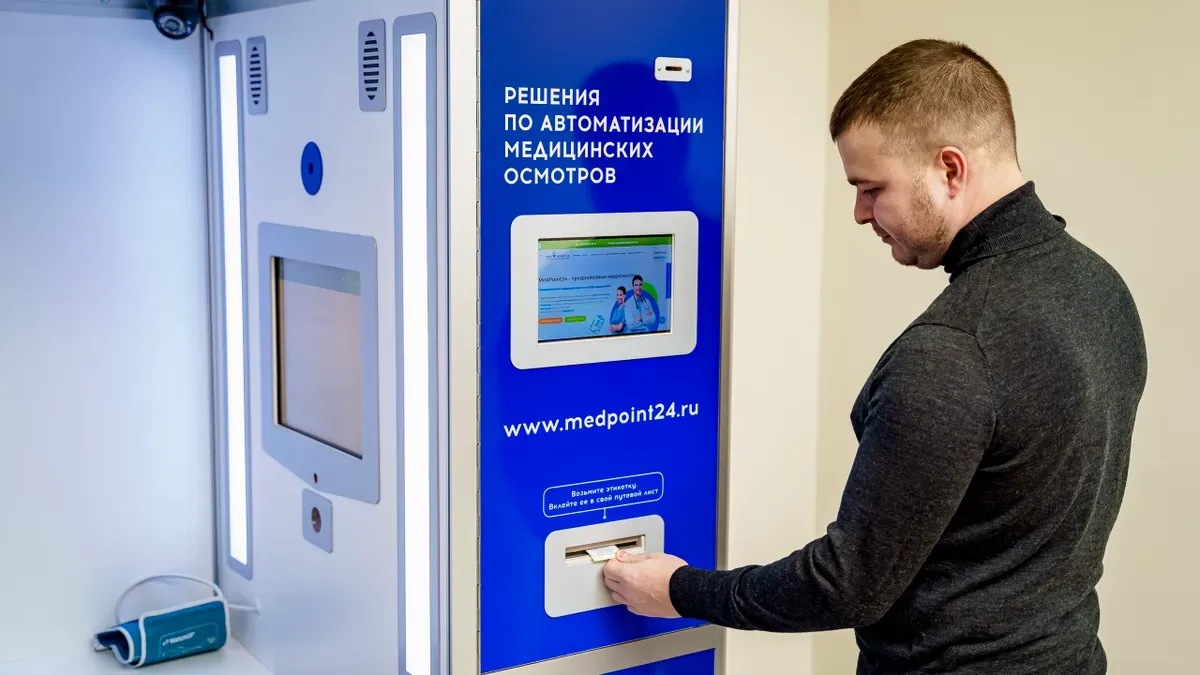
An ai-driven hospital consumables warehouse changes how hospitals manage supplies. It uses automation and ai to keep track of items. Hospitals use ai to make warehouses safer and more efficient. This helps lower mistakes and stops things from getting lost. Real-time inventory tracking gives staff instant data. This helps them make quick choices. Ai-driven hospital consumables warehouse systems use data to make management better. They make sure supplies go to the right place at the right time. Top healthcare groups use ai-driven hospital consumables warehouse technology. They see better data accuracy, faster warehouses, and improved management.
Ai-driven hospital consumables warehouse solutions help healthcare teams handle data and supplies quickly and correctly.
Key Takeaways
AI-driven warehouses use machines to handle supply management. This cuts down on mistakes and makes things work better. Real-time inventory tracking lets hospitals see what they have right away. This helps them not run out of things and can save up to 20% on costs. Automation means staff can spend more time helping patients. They do not have to do as many supply jobs by hand. Contactless access makes things safer. It lowers touching and helps stop the spread of germs. Hospitals that use AI technology move supplies faster by 60%. They also get better and more correct data.
Traditional vs. AI-Driven Hospital Consumables Warehouse
Manual Supply Management in Healthcare
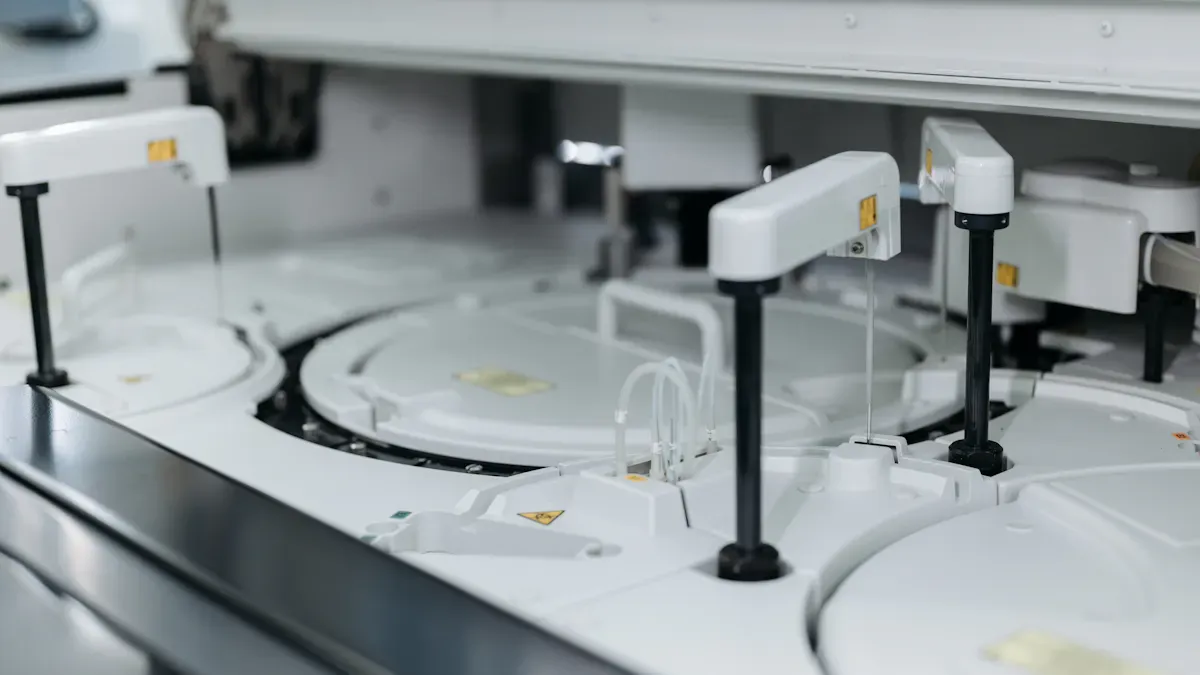
Manual supply management means people do most of the work. Staff must keep track of items, order them, and hand them out. They write down numbers on paper or use spreadsheets. Workers walk around the warehouse to check what is left. This way of working can cause mistakes and slow things down. Hospitals have problems like not enough workers and higher costs. It is hard to make the system bigger when needed. Manual systems make it slow and less correct to manage supplies. Sometimes, staff do not see when supplies are running low. This can lead to running out of important items. Guessing how much is needed wastes money and supplies. The supply chain does not work well because it is hard to see what is happening and react fast.
Old ways of handling supplies need a lot of people. This makes mistakes and slowdowns more likely. Not enough workers and high costs make things harder. Using new technology is tricky but helps make supply management smarter.
Aspect | Manual Hospital Supply Management | |
|---|---|---|
Efficiency | Prone to errors and delays | Improved workflow efficiency |
Accuracy | High potential for human error | Reduced human errors in tracking |
Automation | Limited automation | Automates purchase orders and approvals |
Inventory Management | Manual tracking | Just-in-time inventory replenishment |
Automation and AI Transformation
AI and smart machines change how hospitals handle supplies. AI uses sensors, cameras, and special programs to watch supplies all the time. Smart machines can fill orders by themselves, so people do not have to do as much. AI can guess what supplies will be needed soon. This helps hospitals not run out or have too much. Machines send supplies to the right place fast. Warehouse machines make the supply chain faster and more correct.
Hospitals using AI see their supplies move 60% faster. Staff get what they need quicker, and they can see what is in stock better. AI helps stop mistakes and lowers risks. AI can also fix machines before they break, saving up to 20% on repairs. Connecting with IoT and WMS systems makes the supply chain smarter. AI systems help use workers better, save money on extra supplies, and use space well. Managing supplies in hospitals gets easier and more trustworthy.
Improvement | Percentage Increase |
|---|---|
Consumables inventory turnover | 60% |
Faster material access for staff | N/A |
More accurate inventory visibility | N/A |
Reduced operational risks | N/A |
Hospitals get better at guessing what they need, make fewer mistakes, and spend less money. AI helps with every step, from ordering to delivery. Smart machines and new systems help hospitals meet needs and take better care of patients.
AI Warehouse Technology and Real-Time Inventory Tracking

AI Vision and Automation Systems
AI vision and automation systems are important in hospital warehouses. These tools use cameras and sensors to watch supplies all the time. Computer vision AI looks at shelves and bins using live video. It tracks every item as it moves. Pressure-sensing shelves help cameras know what is there. They can tell how many syringes or gloves are on the shelf. When staff take or add things, the system records it right away. This stops mistakes and makes counting easier.
Smart automation links these tools to hospital software. The warehouse can order more supplies by itself when things get low. RFID technology helps by showing where each item is in real time. Using AI, automation, and tracking lets hospitals always know what they have and where it is. The table below explains how these tools work together:
Technology | Description | Benefits |
|---|---|---|
RFID Technology | Gives real-time updates about medical supplies. | Better inventory accuracy, real-time tracking, safer for patients. |
Intelligent Automation (IA) | Makes supply chains work better with smart systems. | Fewer mistakes, lower labor costs, keeps stock levels right. |
Computer Vision AI | Watches inventory with AI cameras. | Tracks items in real time, orders supplies automatically, no manual delays. |
AI-driven warehouse systems use these tools to keep inventory correct and up to date. This makes supply management faster and more reliable.
Real-Time Inventory Tracking in Healthcare
Real-time inventory tracking changes how hospitals handle supplies. AI systems show what is in stock all the time. Staff can check what is available whenever they need. The system warns staff when supplies are low. This helps stop running out of important items. Predictive analytics use old data to guess what will be needed soon. This stops hospitals from buying too much and wasting money.
Hospitals that use real-time tracking spend less on inventory. They can save up to 20%. They also avoid running out of important items. The table below shows the main benefits:
Benefit | Explanation |
|---|---|
Automation of inventory processes | Less manual checking, fewer shortages and less extra stock. |
Continuous visibility | Real-time data helps reorder supplies and stops shortages. |
Predictive analytics | Helps hospitals guess what they need and adjust supplies. |
AI-driven systems send alerts to staff right away.
Hospitals save lots of money by not buying too much.
Real-time tracking helps patient care by keeping supplies ready.
Contactless Access and Safety
Contactless access makes warehouses safer and cleaner. AI systems manage supplies without people touching them. Staff use secure systems like HealthPass to get inside. This keeps fewer people in the warehouse and lowers the risk of germs spreading.
Automated systems move supplies fast. Staff spend less time in storage areas. This keeps them safer from hazards. The table below shows how contactless access helps safety:
Impact on Infection Control and Staff Safety | Description |
|---|---|
Faster consumables circulation | Staff spend less time in risky areas, so they stay safer. |
Better infection-control processes | Automated tracking means less touching, so fewer germs spread. |
Full traceability of medical materials | Hospitals can track every item, making things safer. |
Lower operational pressure for hospital logistics teams | Staff can focus on patient care, not supply management. |
Contactless access lowers the chance of infection.
AI-driven automation makes sure only allowed staff handle supplies.
Full traceability lets hospitals track every item from delivery to use.
AI warehouse technology, real-time tracking, and automation work together. They make hospitals safer and more efficient. Hospitals get better tracking, lower costs, and improved patient care.
Hospital Benefits and Measurable Impact
Efficiency and Inventory Turnover
Hospitals using ai-driven automation work much faster. Automation makes every inventory step quicker. Staff do not spend hours counting supplies. They swipe their ID, grab what they need, and go back to help patients. Ai vision systems and pressure-sensing shelves keep inventory data up to date. This stops the need for paper forms and manual lists.
Hospitals see inventory turnover go up by 60% with ai-powered warehouses. The table below shows how things get better:
Metric | Before AI Implementation | After AI Implementation | Improvement |
|---|---|---|---|
Stockout Rates | 0% | Big drop | |
Tracking Accuracy | N/A | >99% | Better tracking |
Forecasting Accuracy | N/A | 25-30% improvement | Improved guessing |
Automation and ai help teams waste less, track supplies better, and work more efficiently.
Safety and Infection Control
Ai-driven automation makes hospitals safer and cleaner. Automated storage systems cut manual work by 85%. Staff handle supplies less, so germs spread less. Hospitals saw infections drop by 55.7% after using ai automation. This means fewer patients get sick from hospital infections.
Ai and machine learning make logistics smarter with inventory management and demand forecasting.
Predictive analytics help hospitals waste less and avoid running out.
Automation lets staff spend more time helping patients, not counting supplies.
Full Traceability and Visibility
Ai and automation let hospitals track every supply easily. Ai vision systems and pressure-sensing shelves spot and record items right away. Automated records connect with hospital management systems. Supplies like syringes and gloves are tracked instantly, so staff always know what is there.
Hospitals see inventory turnover rise by 60%.
Medical staff get supplies faster and more accurately.
Inventory accuracy goes above 99%, which cuts waste and improves management.
Ai-driven warehouse automation makes hospital supply management faster, more accurate, and safer while lowering waste.
Adoption and Results in Healthcare
Leading Healthcare Operators
Healthcare groups are using ai-driven automation for inventory. They buy new warehouse systems to make supply chains better. Hospitals teach staff how to use the new tools. Leaders talk about changes so everyone knows what is happening. Supervisors talk to each team member in a way that fits them. Important people join early to set goals and share the good things about the change. Training is made for each job in the hospital. Help desks and managers answer questions during the switch. Workers try out the new systems in practice settings. Staff who know the system help others learn. Teams check if training works and make changes if needed.
Leaders explain changes so everyone understands.
Important people help from the start.
Training fits each job.
Staff get help while learning.
Practice helps staff feel ready.
Staff help each other learn.
Training gets better with feedback.
Hospitals see supplies move faster and have fewer shortages. Automation means less work by hand and fewer mistakes. Staff can spend more time helping patients.
Operational Outcomes
Hospitals get real results with ai-driven warehouse automation. Inventory is tracked better and is more correct. Automation lets hospitals see supplies and waste less. Hospitals know where every item is from start to finish. Staff can get supplies fast and safely. Fewer people get sick because contactless systems stop germs.
Rules tell hospitals how to use ai-driven automation. Hospitals must follow rules for medical devices and software. The EU AI Act gives rules for risk and being open. Privacy laws like GDPR and HIPAA keep patient data safe.
Regulatory Aspect | Description |
|---|---|
Sector-specific rules for medical devices | Say when software or robots are called medical devices, and what proof is needed before and after use. |
EU AI Act | Uses risk levels for AI, with rules for risk, good data, and being open about how things work. |
Privacy and security legislation | Includes GDPR and HIPAA, which control data and protect patient rights, keeping trust and safety. |
Hospitals follow the rules and make inventory better. Automation helps keep rules and patients safe. Hospitals get full tracking, faster supplies, and safer places.
Healthcare teams using ai-driven warehouse automation say they have better inventory, less waste, and better care for patients.
AI-driven consumables warehouses change how hospitals handle supplies. Automation makes work faster and safer. Real-time tracking helps staff know what is in stock. Hospitals can keep the right amount of supplies and order more at the best time. This lowers mistakes and saves money. Clinical staff can spend more time helping patients because machines do supply tasks. More hospitals are starting to use these systems. Experts think the market will grow to $70 billion by 2033. Hospitals get better results and save money with these new ways to buy supplies.
Healthcare groups should try AI-driven tools to make supply chains better and help patients more.
FAQ
What is an AI-driven consumables warehouse?
An AI-driven consumables warehouse uses smart tools to manage supplies. AI checks inventory, makes orders, and keeps records right. Staff get updates fast and can find things easily.
How does AI improve hospital supply safety?
AI systems help keep supplies safe from germs. Automated tracking and contactless access lower infection risks. Hospitals have fewer mistakes and safer storage areas.
Can hospitals save money with AI-driven warehouses?
Hospitals can save up to 20% on inventory costs. AI stops too many or too few supplies. Staff spend less time doing manual work, so labor costs go down.
What supplies can AI systems track?
Supply Type | Examples |
|---|---|
Medical Devices | Syringes, catheters |
PPE | Masks, gloves, gowns |
Consumables | Bandages, swabs |
AI can track almost any supply in a hospital, like PPE and medical devices.
See Also
AI-Driven Retail: The Future of Shopping
Revolutionizing Online Retail Management with AI Tools
Modern Retail Benefits of AI-Enhanced Vending Machines
AI-Driven Corner Stores: Essential Insights for Retailers
Boosting Office Productivity with Intelligent Vending Solutions
