How AI-driven loss prevention works in Convenience store chains & small-format grocery.


You can use AI-driven loss prevention to make your store safer and more efficient. AI tools watch for theft, spot strange customer actions, and send real-time alerts to your staff. Many stores rely on these smart systems to catch problems before they grow. Here’s how these technologies work for you:
Technology Type | Function Description |
|---|---|
Predictive Analytics | Forecasts shrinkage trends and identifies high-risk periods. |
Pattern Recognition | Detects theft or fraud patterns for targeted prevention. |
Behavioral Analysis | Spots anomalies in customer behavior, such as loitering. |
Object Recognition | Tracks item movements to detect tampering or hiding. |
Anomaly Detection | Finds unusual transaction patterns that may signal fraud. |
Real-Time Alerts | Sends immediate notifications for potential fraud based on data. |
Key Takeaways
AI-driven loss prevention enhances store safety by monitoring for theft and unusual customer behavior.
Real-time alerts allow staff to respond quickly to potential theft, reducing losses and improving efficiency.
Integrating AI systems with existing technology is easy and can lead to significant cost savings and ROI.
Regular inventory checks and monitoring storage conditions help prevent spoilage and waste.
Behavior recognition technology identifies suspicious actions, enabling proactive theft prevention.
Loss Prevention Challenges
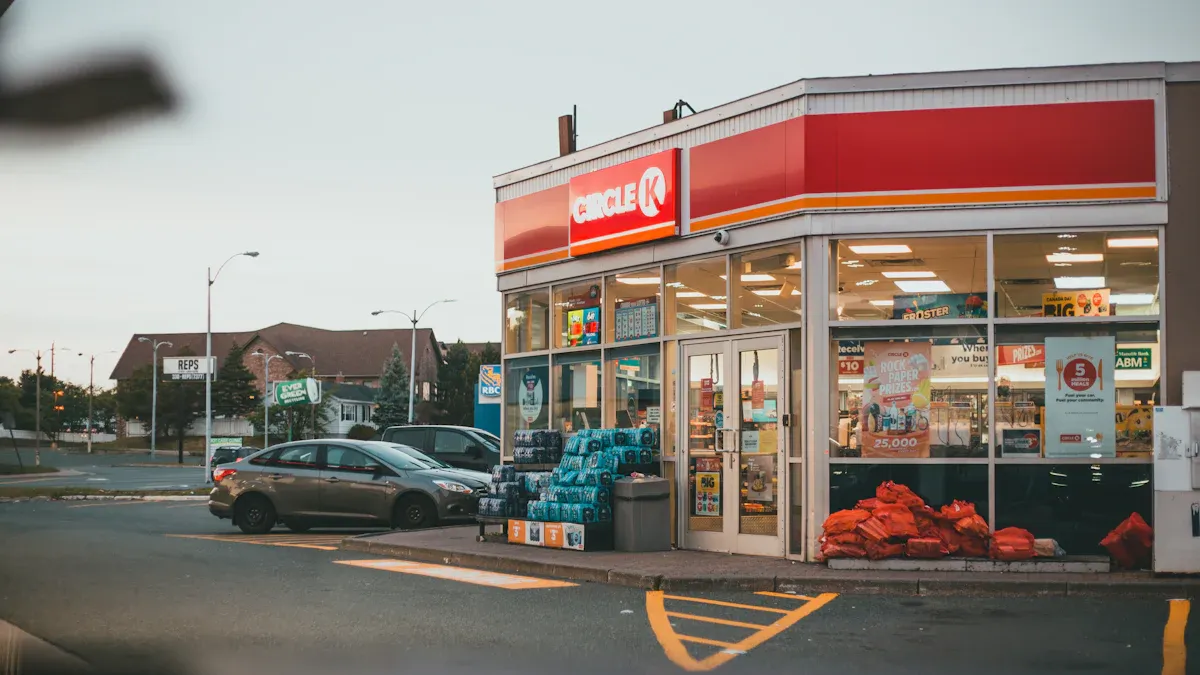
Types of Store Loss
You face many types of loss in your store. Some losses come from theft, while others happen because of mistakes or spoilage. Shoplifting remains a common problem. People may hide items in bags or pockets. Employee theft can also hurt your business. Sometimes, workers take cash or products without permission. Errors at the register, like giving too much change, can add up over time.
Spoilage is another big issue. You might rely on memory or manual tracking to manage inventory. This can lead to missed items that spoil on the shelf. When you cannot see your inventory status clearly, you may not notice problems until it is too late. Overstocking shelves to make them look full can cause waste if products expire before selling. Poor temperature or moisture control can also ruin food and drinks.
Tip: Regularly check your inventory and storage conditions. This helps you spot spoilage early and reduce waste.
Small-format Store Risks
Small-format stores like yours face unique risks. You often have limited staff, so it is hard to watch every customer or area. The store layout may have tight aisles and blind spots. These spots make it easier for someone to steal without being seen. Self-checkout stations can also create risk. Some customers may skip scanning items or use tricks to avoid payment.
Manual processes can slow you down. If you track inventory by hand, you might miss errors or theft. You may not have advanced security systems like big chains. This makes it harder to catch problems quickly. AI-driven loss prevention can help you overcome these challenges. These systems watch for theft, spoilage, and errors in real time. They give you alerts so you can act fast and protect your profits.
AI-driven Loss Prevention Technologies

Video Analytics
You can use video analytics to watch your store in real time. AI systems break down video footage into frames and study each one. The software looks for objects, tracks movements, and finds patterns. It can spot when someone tries to hide an item or enters a restricted area. The system learns from each event and gets better over time.
Here is how video analytics work in your store:
You input video from your cameras.
The system analyzes each frame.
It identifies objects and people.
The software extracts details like size, speed, and direction.
It recognizes suspicious actions, such as unauthorized entry or hiding items.
You receive alerts with video clips.
The system improves its accuracy through machine learning.
AI cameras can reach up to 90% accuracy when detecting suspicious behavior. This high rate helps you catch theft before it happens. You can rely on these systems to watch every corner, even when you have limited staff.
Tip: Place cameras in blind spots and near exits to maximize coverage.
Behavior Recognition
Behavior recognition helps you spot actions that may lead to loss. AI-driven loss prevention systems watch for abnormal behavior, such as loitering or scanning the wrong item. The technology does not need human help to find these problems.
You can see the types of suspicious behavior AI can detect in your store:
Behavior Type | Description |
|---|---|
Detects when someone puts products into bags or backpacks. | |
Removing labels | Spots people taking labels off items. |
Scanning wrong items | Finds customers who scan the wrong product at checkout. |
Loitering | Notices when someone spends too long in an aisle. |
Concealing items | Identifies attempts to hide products. |
AI-driven loss prevention systems quickly identify these actions. You get alerts right away, so you can respond before theft occurs. The system also recognizes group actions, like several people working together to steal.
Note: You can use behavior recognition to reduce internal theft and catch errors at checkout.
Self-checkout Monitoring
Self-checkout stations can create risk in your store. AI systems watch these areas and study customer actions. The technology looks for unscanned items, multiple scans of the same product, and items removed without scanning.
You benefit from these features:
AI detects suspicious behavior, such as skipping scans.
The system reduces shrinkage by catching theft early.
You get real-time alerts and data to improve your operations.
AI analyzes transactions and customer actions for fraud.
The system can alert security or block a sale if it finds a problem.
You receive an audit trail for every event, which helps with investigations.
AI-driven loss prevention at self-checkout helps you stop loss before it affects your profits. You can act fast when the system sends an alert.
Tip: Train your staff to respond quickly to alerts from self-checkout monitoring.
Real-time Alerts
Real-time alerts give you the power to act fast. AI-driven loss prevention systems connect with your POS and inventory platforms. The technology watches for fraud, tracks every product, and predicts risky behavior.
Here is a table showing how real-time alerts work for you:
Technology Type | Description |
|---|---|
Transaction Monitoring | Connects with POS to stop fraudulent sales and prevent internal theft. |
Predictive Analytics | Uses past data to predict suspicious actions and lets staff step in before theft happens. |
Computer Vision AI | Builds a digital twin of your store to track products and movements in real time. |
Contextual Analysis | Tells the difference between normal shopping and possible theft, so you can respond correctly. |
Real-World Impact | Cuts shrinkage and improves inventory management, especially for perishables. |
You get instant notifications when the system finds a problem. Staff can step in right away to stop theft or fix errors. Real-time alerts help you keep your store safe and your inventory accurate.
Note: Real-time alerts work best when you integrate them with your existing systems.
You can easily add AI-driven loss prevention to your store. The solutions adapt to your needs and work with your current systems. You get advanced analytics, continuous learning, and seamless integration with POS, ERP, and access control platforms.
Feature | Description |
|---|---|
Adaptability | Solutions change as your business grows and fit into your current setup. |
Integration Capabilities | APIs and built-in connections make it easy to link with retail platforms. |
Intelligence Depth | Analytics give you useful insights from video and transaction data. |
Adaptive Security | Machine learning improves detection and keeps your store safe. |
Enterprise Integration | Open API design lets you connect with POS, ERP, and security systems. |
AI-driven loss prevention gives you the tools to protect your store, reduce shrinkage, and improve efficiency. You can rely on these technologies to keep your business safe and profitable.
Benefits and Outcomes
Shrinkage Reduction
You can lower your store’s losses with AI-driven loss prevention. The system watches video footage and transaction logs to spot theft and fraud. It learns from large datasets and gets better at finding patterns that signal trouble. You see fewer missing items and less cash loss. The technology transforms your cameras into smart sensors. These sensors help you catch problems early and keep your shelves full.
AI studies heat map data to find theft trends by time of day and season.
It flags suspicious actions, like hiding products or skipping scans.
You get alerts when someone tries to steal or break store rules.
The system helps you stop shrinkage before it hurts your profits.
Tip: Use AI to monitor low-traffic areas and prevent unnoticed losses.
Safety Improvement
You improve safety for your staff and customers with AI-driven loss prevention. The system detects unauthorized access and risky behavior. It sends real-time alerts so you can act fast. You keep your store secure and create a safer shopping experience.
Safety Feature | How It Helps You |
|---|---|
Unauthorized Access | Flags people entering restricted zones |
Suspicious Behavior | Alerts staff to possible threats |
Fast Response | Lets you act before problems escalate |
You build trust with your customers when they see you care about safety. Your team feels more confident knowing the system supports them.
Data-driven Insights
You gain valuable insights from AI-driven loss prevention. The system analyzes historical data and finds patterns you might miss. You learn which areas need more attention and when losses are most likely to happen.
AI shows you theft trends by time and season.
You optimize staffing and product placement based on real data.
The system suggests targeted actions for weak spots in your store.
You make better decisions with clear, actionable information.
Note: The more data your system sees, the smarter it gets. You benefit from ongoing improvements and deeper insights.
Implementation for Small Stores
Cost and ROI
You might think AI-driven loss prevention is only for big stores, but small-format retailers see strong results, too. When you invest in these systems, you can prevent large losses and see a quick return. For example:
A Midwest grocery chain used AI to stop cart pushout theft and saved about $233,920 in one year.
The same store saw a 15.73% drop in repeat thefts from year to year.
Many small-format retailers report an average ROI of 150-200% each year.
Some stores reach a 300% ROI within the first 18 months, according to industry reports.
You can start with a small investment and see real savings as the system catches theft and errors early.
System Integration
You do not need to overhaul your store to add AI-driven loss prevention. Most solutions work with your current cameras and point-of-sale systems. You can connect the software using built-in APIs or simple upgrades. This means you keep your daily operations running while you add new protection.
Tip: Work with your technology provider to map out your store’s needs and plan a step-by-step rollout.
You may face some barriers, but you can overcome them with the right approach. Here are common challenges and ways to address them:
Barrier | Description |
|---|---|
Ethical concerns | Think about privacy and explain your policies. |
Data security | Use strong encryption and limit access. |
Transparency | Share how AI works with your staff and customers. |
High costs | Start small and scale up as you see results. |
Scalability
You can grow your AI system as your business expands. These solutions work for stores with many products and locations. You can roll out new features quickly and with little change to your layout.
Feature | Description |
|---|---|
Scalability | Handles many products and adapts to your store’s needs. |
Fast Rollout | Lets you add new stores or features with minimal disruption. |
Proven Performance | Works well in many real-world stores, not just in tests. |
You can trust that your investment will keep working as your store grows.
You have seen how AI-driven loss prevention transforms security in convenience stores. Over the past five years, you have gained better monitoring and faster responses to incidents. Many stores report less internal theft and higher efficiency.
Loop Neighbor Markets and Fav Trip both saw shrink drop with advanced monitoring.
Smaller operators also report strong ROI and improved safety.
Looking ahead, you can expect more collaboration, new tech integrations, and smarter automation.
Work with your teams and plan carefully.
Focus on safety and efficiency.
Educate your leaders about the benefits.
You can protect your store and boost profits by exploring these solutions.
FAQ
How does AI detect theft in my store?
AI studies video feeds and transaction data. It looks for actions like hiding items or skipping scans. You get alerts when the system finds something suspicious. This helps you stop theft before it causes big losses.
Will AI-driven systems work with my current cameras?
Most AI solutions work with your existing cameras. You do not need to buy new equipment. The software connects to your system and starts analyzing footage right away.
Is customer privacy protected with AI loss prevention?
AI systems focus on behavior, not personal details. You can set privacy controls and limit who sees the data. Always tell your customers about your security policies.
How much training does my staff need?
You can train your staff in a few hours. Most systems use simple dashboards and clear alerts. Your team learns to respond quickly and handle incidents with confidence.
What if my store grows or changes?
Feature | Benefit |
|---|---|
Scalability | Adapts as your store grows |
Flexibility | Adds new features easily |
You can expand your AI system as your business changes. The technology grows with you.
See Also
Understanding AI-Driven Convenience Stores: Essential Insights for Retailers
Comparing Micromarkets and Smart Stores: Global Automation in Retail
Modern Retail Advantages of AI-Enhanced Combo Vending Machines
Analyzing Walgreens Self-Checkout: Benefits and Retail Hurdles
