How AI-powered analytics helps optimize assortment in Convenience store chains & small-format grocery.

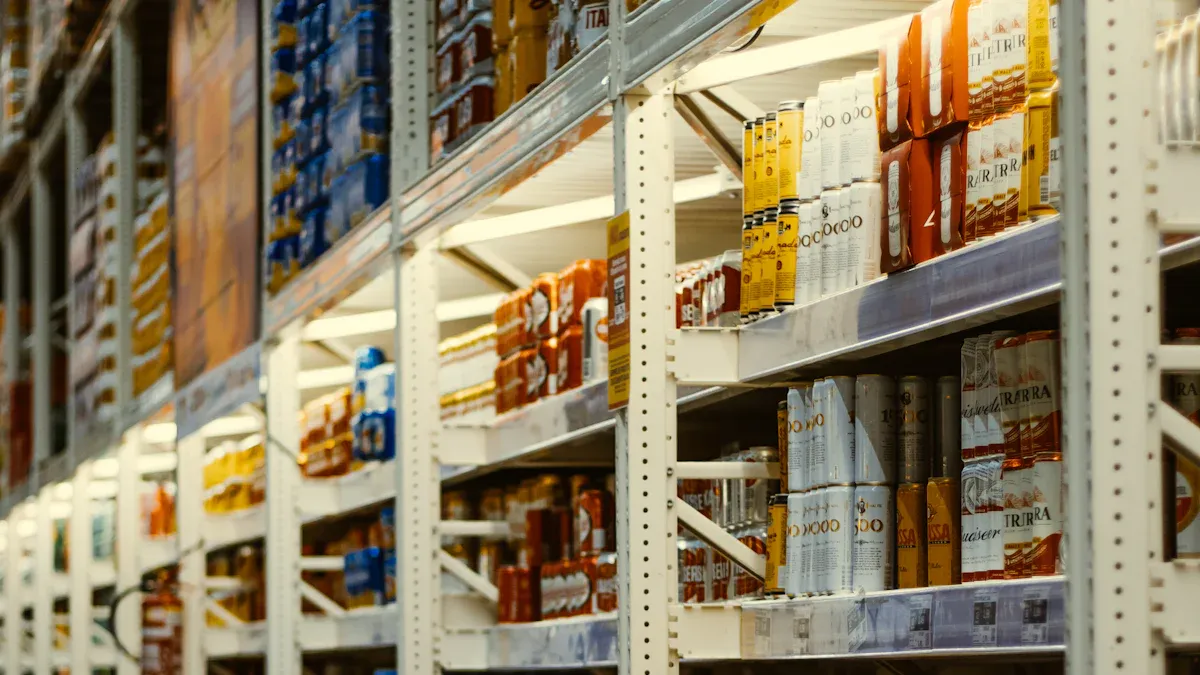
Ai-powered analytics changes how you approach assortment optimization in convenience store chains and small-format grocery. You need to make data-driven decisions quickly to stay ahead in grocery retail. When you use ai and analytics, you spot trends faster, manage inventory better, and keep customers happy. Data-driven decision making lets you personalize customer experiences and increase loyalty. You also improve operational efficiency and use insights to tailor your marketing strategies. Ai and data-driven analytics give you a clear view of what works in grocery retail.
Data-driven decision making leads to:
Personalized customer experiences
Higher operational efficiency
Better customer satisfaction through targeted strategies
With the right insights from ai-powered analytics, you create a smarter, more responsive retail environment.
Key Takeaways
AI-powered analytics helps you quickly identify customer trends, allowing for better inventory management.
Using data-driven insights leads to personalized shopping experiences, increasing customer loyalty.
Automated inventory management reduces waste and stockouts, keeping shelves full and customers satisfied.
Demand forecasting with AI improves accuracy, helping you stock the right products at the right times.
Implementing AI in your store can boost sales by 5-10% and enhance overall customer satisfaction.
AI-powered analytics in convenience store chains
Rapid trend identification and demand shifts
You face constant changes in customer demand. AI-powered analytics helps you spot these shifts quickly. With ai, you can track sales patterns and see what products gain popularity. Real-time data from your stores lets you adjust your inventory before trends fade. For example, ai can analyze social media and local weather to predict what customers want. This means you can stock up on cold drinks before a heatwave or bring in umbrellas when rain is coming.
Retailers using ai have seen fewer stockouts and less over-ordering. Some chains report up to a 30% drop in stockouts. You also save money because ai helps you avoid carrying too much inventory. Real-time analytics gives you instant feedback, so you can make changes right away. Companies like Kroger use predictive analytics to keep shelves full and customers happy. Trax uses ai-powered image recognition to check shelf placement and alert you to out-of-stock items. This keeps your store ready for every customer.
Here are some main ways ai-powered analytics supports your store:
Method | Impact |
|---|---|
Demand Forecasting | Helps avoid stockouts and overstocking, improving inventory management. |
Dynamic Product Mix | Allows testing of different product assortments to optimize sales. |
Real-time Inventory Management | Enables immediate adjustments based on current trends and anomalies. |
Basket analysis for product placement
You want to know what your customers buy together. Ai uses basket analysis to study shopping patterns. This helps you place products where they get noticed and bought more often. Real-time data shows you which items sell best when placed side by side. For example, if customers often buy chips with soda, ai suggests placing them together.
Basket analysis with ai gives you these benefits:
Benefit | Description |
|---|---|
Data-Driven Insights | Ai analyzes shopping patterns to provide insights into customer behavior, enhancing product placement. |
Optimized Product Visibility | Recommendations for placing high-demand and seasonal items in strategic locations to drive sales. |
Improved Inventory Management | Ai tools help in managing inventory by predicting which items will perform best in prime spots. |
Enhanced Customer Experience | Personalized shopping experiences through real-time recommendations based on customer behavior. |
You use real-time analytics to test new product placements and see results fast. Ai helps you create a better shopping experience and boost sales. With real-time data, you always know what works best in your store.
Optimize assortment with AI-driven techniques
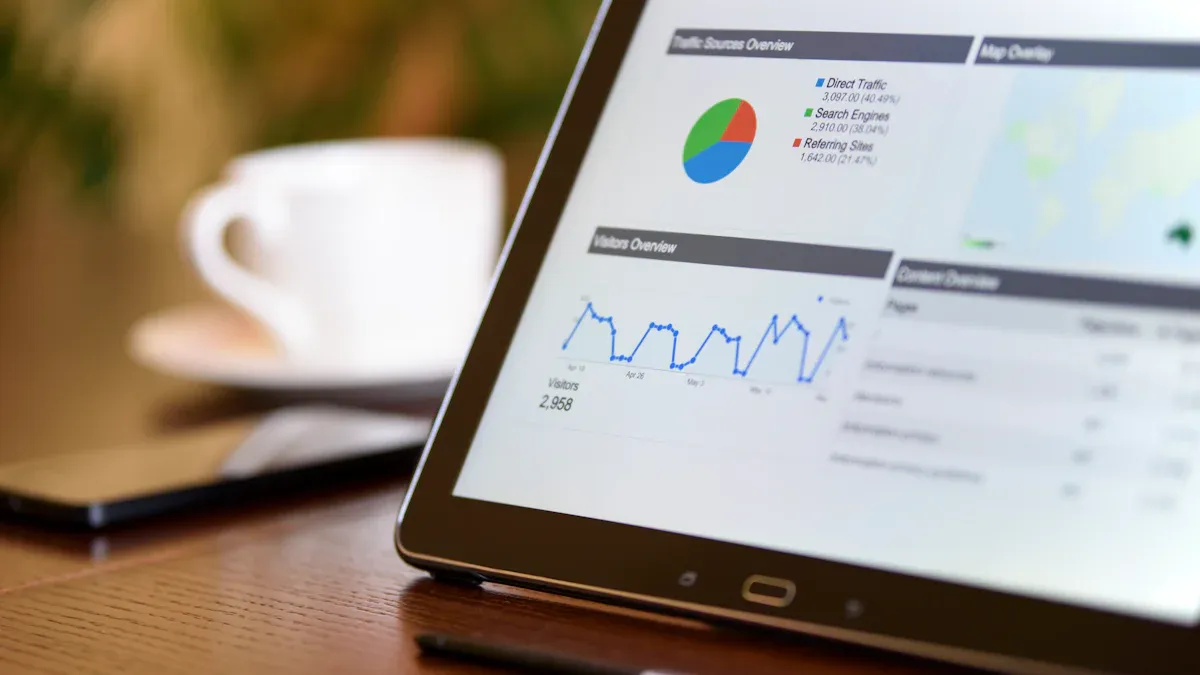
You can optimize assortment in your stores by using advanced AI-driven techniques. These methods help you make smarter decisions, reduce waste, and improve retail optimization. When you use ai-powered analytics, you gain a clear view of what your customers want and how your inventory performs. Let’s look at the main techniques that drive smart assortment management in convenience stores and small-format grocery.
Demand forecasting and seasonality
Demand forecasting is a core part of assortment planning. AI in grocery stores uses data from past sales, current trends, and outside factors to predict what your customers will buy. This helps you prepare for busy seasons and sudden changes. AI-powered analytics can spot patterns in your sales data, so you know when to stock up on holiday treats or summer drinks.
Tip: AI adapts to seasonal changes, promotions, and even unexpected events. You can plan with confidence and avoid running out of popular items.
Retailers who use ai for demand forecasting see big improvements. You can lower excess inventory by up to 26% and reduce stockouts by 14%. Some companies report forecast accuracy improvements of 20–30%. This means you keep shelves full without over-ordering, which saves money and keeps customers happy.
SKU prioritization and scenario modeling
SKU prioritization helps you focus on the products that matter most. AI in grocery stores analyzes data to find out which items drive sales and which ones take up space. You can use analytics to make data-driven decisions about what to keep, what to promote, and what to remove. This reduces complexity and costs, and it makes your assortment planning more efficient.
Here’s how SKU prioritization with AI impacts your store:
Benefit of SKU Prioritization with AI | Impact on Assortment Planning Efficiency |
|---|---|
Enables data-driven decisions | Reduces inefficiencies and improves performance |
Focuses on customer preferences | Ensures availability and maximizes profitability |
Reduces complexity and costs | Enhances customer experience and operational efficiency |
Integrates with supply chain functions | Provides a holistic view of sales, stock, and profit |
Adapts to demand shifts | Optimizes resource and labor utilization |
Scenario modeling is another powerful tool. AI-powered analytics lets you test changes before you make them. You can simulate adding or removing products and see how it affects sales, inventory, and profit. This helps you make better choices and avoid costly mistakes.
Simulate product changes to see their impact on days of supply and store performance.
Observe how demand shifts when you change your assortment.
Get quick insights for smarter assortment planning.
Predictive models use both historical data and real-time signals. This ensures your assortment planning matches your shelf space and store layout. You get a seamless digital merchandising process that supports retail optimization.
Automated inventory management
Automated inventory management uses ai to track stock levels and predict demand. You no longer need to guess when to reorder. AI-powered analytics monitors your inventory and sends alerts when you need to restock. This keeps your shelves full and reduces waste from over-ordering.
Walmart’s AI system is a great example. It processes over 200 million SKU-location combinations every day. The system reaches 95% forecast accuracy, cuts stockouts by 30%, and reduces excess inventory by $2.7 billion each year.
Smarter planning and better resource allocation
Improved customer satisfaction with lean, responsive inventory
Strategic decision-making instead of guesswork
AI in grocery stores transforms inventory management. You save money, reduce waste, and keep customers coming back. Automated inventory management means you spend less time on manual tasks and more time serving your shoppers.
Table: High-Impact AI Techniques in Grocery Assortment Optimization
Statistic | Insight |
|---|---|
Grocers name merchandising as a high-impact AI use case | |
$21.2 billion | Predicted value added by merchandising AI capabilities by 2025 |
69% | Grocery sales that are digitally influenced in 2023 |
AI-driven techniques also help you set the right prices, identify gaps in your product mix, and measure the revenue impact of new items. By integrating omnichannel data, you stay competitive both online and in-store. This approach boosts customer satisfaction and drives sales growth.
Note: When you use ai-powered analytics for assortment planning, you create a more efficient, profitable, and customer-focused store.
Assortment optimization outcomes and benefits

Increased sales and reduced stockouts
When you use ai-powered analytics in grocery retail, you see real results. Many chains report a 5-10% boost in sales and a 1-5% increase in revenue. You also notice fewer stockouts and better inventory turnover. With ai, you can track sales per square foot and see improvements of up to 25%. You avoid losses from excess inventory and backorders. The table below shows some of these measurable gains:
Metric | Improvement Range |
|---|---|
Revenue Increase | 1-5% |
Sales Boost | 5-10% |
Inventory Turnover Improvement | 4% |
You improve fill rates and reduce slow-moving inventory. Ai helps you predict demand, so you keep the right products on your shelves. This leads to smarter inventory optimization and better use of shelf space.
Enhanced customer satisfaction
You want your customers to find what they need every time they visit. Ai-driven analytics lets you create personalized product assortments that match customer preferences. You use data to design store layouts and planograms that highlight popular items. Predictive insights help you stock the right products at the right times. The table below shows how ai supports customer satisfaction:
Evidence Type | Description |
|---|---|
AI-driven planograms | Improve product visibility and align with customer preferences. |
Predictive demand forecasting | Ensure desired items are available, reducing stockouts. |
Personalized store layouts | Tailor product selection to local customer preferences, increasing satisfaction and sales. |
Personalization and personalized recommendations make shopping easier and more enjoyable. You build loyalty by meeting customer needs in every visit.
Efficient space and inventory planning
Ai helps you use your store space wisely. You automate workflows and reduce manual planning. Data-driven insights guide your decisions, making inventory optimization easier. You align product selections with customer preferences, so every inch of shelf space works for you. The table below highlights key benefits:
Benefit | Description |
|---|---|
Increases efficiency in space and inventory management. | |
Aligning product selections | Matches assortments to customer preferences, boosting sales. |
Predictive insights | Anticipates demand, reducing excess inventory and improving sell-through. |
Dynamic modeling | Adjusts inventory levels in real time across locations. |
End-of-season reviews | Finds ways to improve future planning and strategy. |
You see long-term gains in grocery retail. Ai helps you reduce food waste, improve markdowns, and raise profit margins. You make better decisions with analytics and stay ahead in a competitive market. Chains that use ai-powered analytics for shelf space optimization and inventory optimization outperform those using traditional methods. You gain agility, foresight, and a deeper understanding of customer preferences.
Real-world impact and implementation
Case studies from leading retailers
You can see the power of ai-powered analytics in real-world retail. The German grocery chain REWE used ai to improve demand forecasting for perishable goods. By working with inovex, they built a scalable system that cut unavailable items by half while keeping write-offs steady. This shows how ai-powered solutions can solve tough inventory problems. Another example comes from a fast-fashion retailer. They used ai-driven cannibalization checks to spot overlapping SKUs. This led to a 30% jump in customer satisfaction and a 10% rise in sales. These stories prove that ai and analytics can transform your assortment optimization.
AI is changing retail from reactive to predictive. You can now forecast demand and tailor assortments based on shopper behavior.
Steps for adopting AI in assortment planning
You can follow these steps to bring ai-powered solutions into your store:
Establish your data infrastructure. Gather data from every channel for a complete view.
Select the right ai technology for your business size.
Develop advanced demand forecasting systems using ai.
Optimize product assortment by category and channel.
Monitor performance and adjust your strategy as needed.
These steps help you use analytics and ai to make smarter decisions and improve your store’s performance.
Overcoming adoption challenges
You may face challenges when adding ai to your assortment planning. The table below shows common barriers and ways to overcome them:
Barrier Type | Description |
|---|---|
Lack of AI Strategy | Create a clear plan for ai adoption to avoid fragmented efforts. |
Poor Data Quality | Improve data accuracy to boost analytics and customer experience. |
Integration with Legacy Systems | Upgrade systems to support ai-powered solutions and ensure smooth deployment. |
Cost Concerns | Start with scalable ai projects to manage costs. |
Talent Shortages | Invest in training or partner with experts to fill skill gaps. |
You can overcome these barriers by building a strong data foundation and choosing the right ai-powered analytics tools. This approach helps you unlock the full value of optimization in your store.
You can transform your store’s assortment planning with ai-powered analytics. AI helps you make smarter decisions, adapt to trends, and personalize assortments for your customers. The table below highlights future trends that will shape your strategy:
Trend | Description |
|---|---|
Hyper-localization | AI uses new data sources for precise product and space planning. |
Dynamic Pricing | AI enables personalized promotions and pricing. |
Demand Forecasting |
To get started, focus on clean data, choose retail-focused AI platforms, and set clear goals. Explore these steps to unlock the full value of AI in your operations:
Assess your data readiness.
Start with high-impact use cases like demand forecasting.
Train your team to interpret AI insights.
AI will continue to drive efficiency, cost savings, and better customer experiences in convenience retail.
FAQ
How does AI help you choose the right products for your store?
AI looks at your sales data and customer trends. It tells you which products sell best. You can use this information to stock items your customers want most.
Can AI reduce food waste in convenience stores?
Yes! AI predicts how much of each product you need. You order only what you can sell. This helps you cut down on expired or unsold food.
Is it hard to start using AI-powered analytics?
You can start small. Many tools work with your current systems. You do not need to be a tech expert. Start with one area, like demand forecasting, and grow from there.
What are the main benefits of AI for small-format grocery stores?
AI gives you:
Fewer stockouts
Happier customers
You make smarter choices and improve your store’s performance.
See Also
Understanding AI-Driven Corner Shops: Essential Insights for Retailers
The Future of Retail: Embracing AI-Enhanced Stores
Transforming Online Retail: The Impact of AI E-Commerce Tools
Modern Retail Benefits: Exploring AI-Enhanced Combo Vending Machines
Global Trends in Automated Retail: Micromarkets Versus Smart Stores
