How AI-powered analytics helps optimize assortment in Corporate offices & tech parks.


You see the impact of ai-powered analytics every day in the workplace. When you use ai, you reduce downtime by up to 50% and cut breakdowns by 70%. You also get lower maintenance costs and higher employee satisfaction. The power of ai lies in real-time data, predictive analytics, and data insights that help you choose the right products for your office. The following table shows how ai changes workplace results:
Benefit | Statistic |
|---|---|
Reduced downtime | Up to 50% |
Cut breakdowns | Up to 70% |
Lower maintenance | Up to 25% |
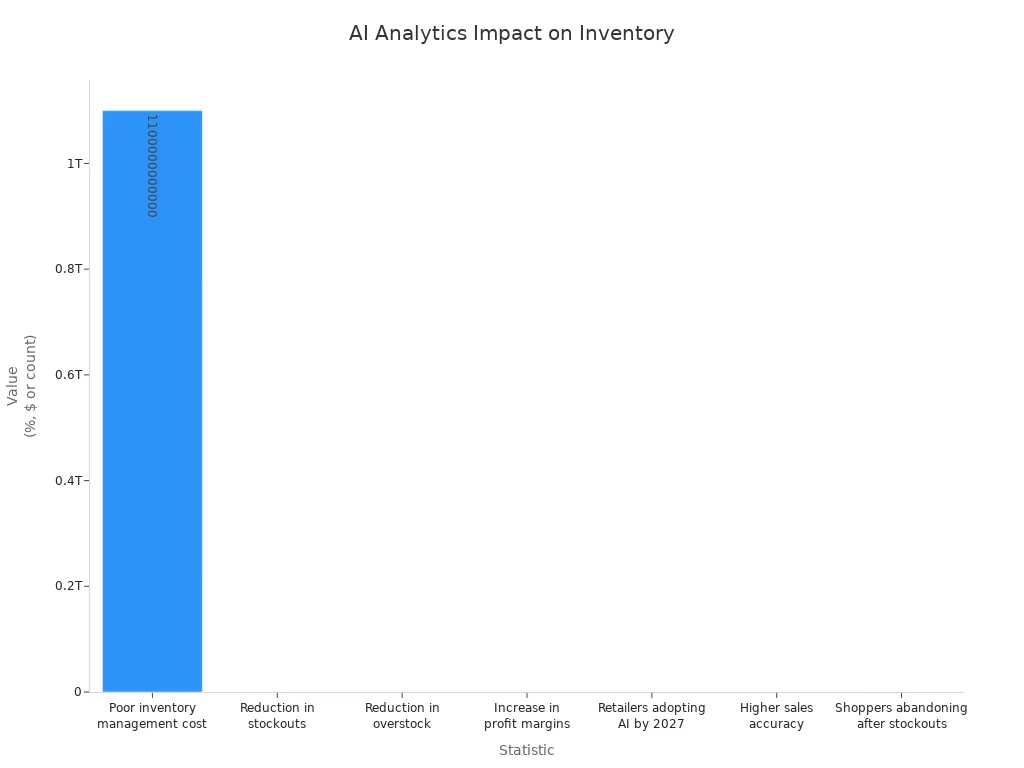
You can use ai to automate simple tasks, improve team communication, and boost morale. With ai, you make smarter decisions and create a better workspace for everyone.
Key Takeaways
AI reduces downtime by up to 50% and cuts breakdowns by 70%, leading to a more efficient workplace.
Use data-driven decision-making to optimize product assortment, ensuring you meet employee preferences and reduce waste.
Real-time analytics help you predict demand accurately, minimizing stockouts and overstock situations.
Implement AI tools to enhance inventory visibility, allowing for quick adjustments to meet changing needs.
Invest in training and communication to ease the transition to AI systems, ensuring employee buy-in and effective integration.
Assortment Optimization in Corporate Offices & Tech Parks

What Is Assortment Optimization?
Assortment optimization means you choose the best mix of products and services for your workspace. You use ai to analyze data and make smart decisions about what to offer. This process helps you match what people want with what you provide. You look at purchase patterns, employee preferences, and trends. Ai helps you see which items move fast and which ones sit on the shelf. You can optimize stock levels and avoid waste.
You follow several key steps for effective optimization:
Use data-driven decision-making to know which products to keep or remove.
Forecast customer behavior to predict how changes will affect your assortment.
Manage inventory so the right products are always available.
Strategically manage product categories to boost sales and satisfaction.
Integrate assortment management with supply chain efficiency and promo planning.
Make sure products are available at the right time and in the right quantities.
Ai makes these steps easier. You get real-time insights and can adjust quickly. You see fewer stockouts and better product availability.
Challenge | Evidence |
|---|---|
Inventory Management | AI-led shelf planning delivers 5% category growth and 25% reduction in out-of-stocks. |
Consumer Preferences | AI-driven demand forecasting reduces error rates by 20–50% and cuts stockouts by 65%. |
Product Availability | Continuous optimization ensures the right products are available at the right locations. |
Why It Matters for Workspaces
When you use assortment optimization in your office or tech park, you improve productivity and satisfaction. Ai helps you understand what your team needs. You can offer snacks, supplies, or services that fit their preferences. This leads to happier employees and a better work environment.
Research shows a strong link between company size, product assortment, and service quality. The right assortment supports daily shifts and different work styles. You see significant relationships between product categories and company needs.
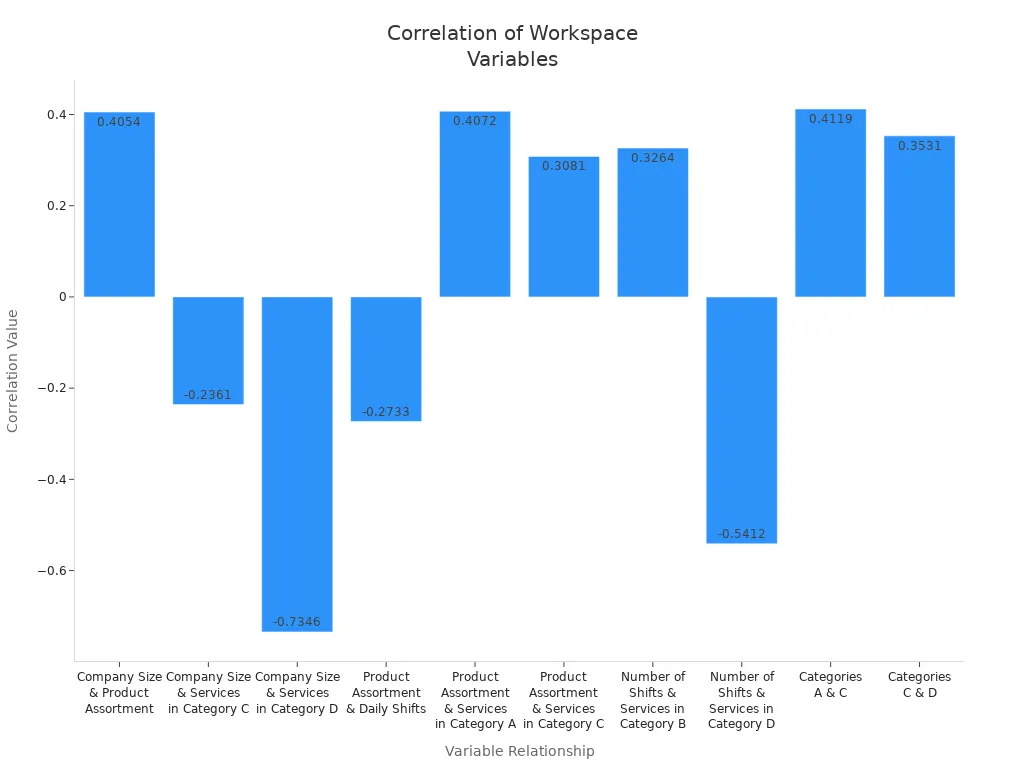
Tip: Ai-powered optimization helps you respond to changes fast. You can adjust your offerings as your team grows or their needs shift.
You use ai to optimize stock levels, reduce waste, and keep employees satisfied. This approach supports supply chain efficiency and helps your workspace run smoothly.
AI-powered Analytics for Assortment Success

Data Collection and Integration
You need strong data to make smart decisions about inventory optimization. AI-powered analytics helps you gather information from many sources. You can collect purchase patterns, regional preferences, and real-time data from vending machines, supply rooms, and online orders. This gives you a full view of what people want and when they want it.
To get the best results, you should follow some best practices for data integration. The table below shows how you can bring different data sources together for better inventory optimization:
Best Practice | Description |
|---|---|
Standardize sources | Use a semantic layer to unify data formats. |
Use LLMs | Leverage large language models to derive actionable insights. |
Apply AI to enhance product placement using real-time data. | |
Forecast demand | Utilize machine learning for accurate demand predictions. |
Strengthen partnerships | Foster transparency in data sharing with retailers. |
You also need to involve key users early, create APIs for smooth system integration, and offer training programs. Modular deployment and change management help your team adjust to new systems. When you use these steps, you make sure your analytics tools work well with your existing inventory systems.
Tip: Start by checking your current data sources. Make sure they are compatible with your AI-powered analytics platform.
Predictive Analytics and Real-Time Forecasting
AI-powered analytics uses predictive analytics to help you see what will happen next. You can use time series analysis and regression models to spot trends in sales and inventory. These tools help you with demand forecasting and inventory forecasting. You can predict which items will run out and which ones will stay in stock too long.
Research shows that AI and machine learning models can reduce forecast errors by 20–50% compared to old methods. You can use historical sales, market trends, and consumer behavior patterns to improve your predictions. This means you can keep the right amount of stock on hand and avoid waste.
Technique | Description |
|---|---|
Time Series Analysis | Uses models like ARIMA and SARIMA to identify patterns and seasonality in sales data. |
Regression Models | Employs techniques like LASSO to understand the relationship between demand and influencing factors. |
Real-world examples show how real-time forecasting helps companies. For example, Prevost Parts managed over 25,000 active parts and reduced backorders by 65%. They also cut lost sales by 59% and increased fill rates from 93% to 96% in just three months. A large electric utility used AI-powered analytics to keep service parts available without overstocking 250,000 part numbers. They saved $9 million in inventory while keeping service levels above 99%.
Note: Real-time data analysis lets you adjust your inventory quickly. You can respond to sudden changes in demand and keep your stock levels balanced.
Tailoring Assortments to User Preferences
You can use AI-powered analytics to match your assortment to what your employees want. By looking at purchase patterns and regional preferences, you can see which products are popular in each office or tech park. This helps you create a mix of items that fits your team's needs.
AI helps you track real-time data from vending machines, supply rooms, and digital orders. You can see which snacks, supplies, or services get used most. You can also spot trends and adjust your assortment before items run out or go to waste.
Here are some ways you can tailor your assortment:
Use analytics to find top-selling products in each location.
Adjust stock levels based on real-time demand.
Remove slow-moving items to free up space and budget.
Offer new products based on employee feedback and usage data.
When you use AI-powered analytics for inventory optimization, you make smarter choices. You keep your team happy and avoid overstock or stockouts. You also save money and reduce waste.
Callout: Predictive demand forecasting helps you plan ahead. You can make sure the right products are always available for your team.
AI-powered Inventory Management and Decision-Making
Unified Inventory Management with AI
You can use ai-powered inventory management to see everything in your inventory at once. This system gives you real-time visibility and helps you avoid blind spots. You know exactly what you have and where it is. Ai tracks every item with barcode execution, so you reduce errors and improve accuracy. You can spot problems fast and fix them before they grow.
Ai-powered inventory management uses demand forecasting and replenishment to keep the right products in stock. You do not run out of important items, and you do not waste money on overstock. Scenario simulation lets you test "what-if" plans. You can prepare for demand changes and keep your workspace running smoothly. Anomaly detection and alerts warn you about sudden changes or mistakes in your inventory. This helps you act quickly and keep accuracy high.
Feature | Description |
|---|---|
Demand forecasting & replenishment | Analyzes complex patterns to generate accurate predictions, reducing stockouts and overstock situations. |
Real-time visibility & barcode execution | Integrates digital tracking with physical execution, providing instant visibility and reducing errors. |
Anomaly detection & alerts | Identifies unexpected patterns, flagging issues like demand surges and inventory discrepancies. |
Scenario simulation | Enables "what-if" simulations for better contingency planning in response to demand fluctuations. |
You can use ai-powered inventory management for automated stock replenishment and automated stock handling. This boosts accuracy and makes stock management easier.
Smarter Decision-Making with AI
Ai helps you make better decisions in inventory management. You get detailed data and analytics that show you what works and what does not. Ai-powered inventory management gives you faster responses to market changes. You can adjust your inventory strategy right away when demand shifts.
Ai tools help you build data-driven strategies. You can set the right inventory levels, choose the best prices, and manage suppliers with more accuracy. Ai-powered inventory management improves supply chain optimization by finding weak spots and suggesting ways to fix them.
Improvement Type | Description |
|---|---|
Faster Response to Market Changes | Real-time monitoring and predictive analytics enable businesses to quickly adjust their inventory strategy in response to sudden shifts in demand or supply chain disruptions. |
Data-Driven Strategies | AI tools provide detailed analytics, helping leaders make informed decisions about inventory levels, pricing strategies, and supplier management. |
Improved Supply Chain Optimization | By analyzing data from multiple sources, AI can identify inefficiencies in the supply chain and suggest improvements. |
You can use ai-based demand forecasting to study trends, social media, and sales data. Tools like Blue Yonder use ai to predict demand and improve inventory accuracy. This makes your inventory management smarter and more reliable. You get better accuracy, save money, and keep your workspace running well.
Benefits of AI-driven Inventory Success
Enhanced Efficiency and Cost Savings
You can achieve higher efficiency and lower costs with ai-driven inventory success. When you use ai for inventory management, you minimize overages and shortages. This leads to streamlined replenishment and reduced operating costs. Companies like Walmart and Amazon use predictive analytics to manage inventory efficiently. UPS saved millions by using ai to optimize delivery routes. Unilever cut production costs by half with ai-led marketing optimization. You can see the impact in the table below:
Evidence Description | Quantitative Impact |
|---|---|
Predictive analytics improves inventory management by minimizing overages and shortages. | Streamlined replenishment processes and reduced operating costs. |
Companies using predictive analytics, like Walmart and Amazon, predict product demand. | Efficient inventory management. |
UPS saved roughly 10 million gallons of fuel annually through AI-based route optimization. | Tens of millions in cost savings. |
AI in procurement recommendations leads to 8 to 12 percent cost avoidance. | Real-time pricing adjustments. |
Unilever cut production costs by roughly 50 percent with AI-led marketing optimization. | Maintained output volume. |
You can measure the return on investment in three ways: measurable ROI, strategic ROI, and capability ROI. These metrics show how ai-driven inventory success supports your business goals and boosts efficiency.
Real-Time Adjustments and Flexibility
You gain flexibility when you use ai for inventory management. Ai-powered systems make real-time adjustments to inventory and assortment. Automated agents redistribute inventory based on regional demand. Dynamic assortment optimization keeps your products up to date. In-season reallocation helps you detect demand shifts early. Ai-native planogram adjustments improve product placement instantly.
Example | Description |
|---|---|
Automated Inventory Adjustments | Agents proactively redistribute inventory based on regional demand. |
Dynamic Assortment Optimization | Continuous real-time assortment adjustments. |
In-Season Reallocation | Early detection of demand shifts for optimal inventory redistribution. |
AI-Native Planogram Adjustments | Real-time product placement optimization. |
Companies like Target and Zara use ai to adjust inventory based on weather, local buying habits, and real-time sales. Ai analyzes data from online stores, mobile apps, and physical locations. This ensures high-demand products stay available where you need them most.
Improved Employee Experience
You improve the employee experience with ai-driven inventory success. Ai in inventory management helps you keep the right products in stock. Employees find what they need without delays. Real-time tracking and monitoring give you enhanced visibility. You reduce costs by preventing stockouts and minimizing carrying costs. Monitoring environmental conditions ensures product quality. Faster response to issues means fewer disruptions in your workspace.
Ai in customer service creates personalized interactions.
Employees feel valued when their needs are met quickly.
Align ai with your business goals to increase satisfaction and efficiency.
Tip: Use ai to support both operational efficiency and employee happiness. This approach leads to a more productive and positive workplace.
Implementing AI in Inventory Management
Identifying Needs and Data Sources
You start your ai in inventory management journey by mapping out your needs and finding the right data sources. Follow these steps to build a strong foundation:
Identify and map all relevant data sources, including ERP, WMS, and sales platforms.
Clean and consolidate your data, fixing inconsistencies and filling gaps.
Enrich your internal datasets with external inputs, such as market trends or supply chain disruptions.
Evaluate ai tools for compatibility and scalability.
Begin with a narrow use case to pilot your ai solution.
Train and validate models using historical inventory data.
Integrate ai capabilities with your current systems and workflows.
Set up a feedback loop to refine models with new data.
Monitor key performance indicators like forecast accuracy and stockout frequency.
Compare ai-driven performance against historical metrics.
Choose vendors who support ongoing model updates and long-term alignment.
Tip: Start small and scale up as you gain confidence in your ai in inventory management process.
Integrating AI Tools
When you integrate ai tools, you face several challenges. High implementation costs and resistance to change among employees are common. The table below shows these challenges and their descriptions:
Challenge | Description |
|---|---|
High Implementation Costs | Initial costs for ai tools, system integration, and staff training can be significant, especially for small businesses. |
Resistance to Change Among Employees | Employees may resist new ai systems due to fears of job loss or unfamiliarity with technology, slowing down successful integration. |
You also need to address data privacy and change management concerns. Employees may resist new technologies, so you must communicate clearly and provide training. Increased reliance on data raises privacy and compliance issues. Make sure you follow regulations and protect sensitive information.
Concern Type | Description |
|---|---|
Resistance to change | Employees may resist the adoption of new technologies, so you need effective change management. |
Security and compliance | More data use means you must focus on privacy and regulatory compliance. |
Communication and training | Clear communication and training help employees adjust and feel comfortable with ai in inventory management. |
Monitoring and Continuous Improvement
You ensure success with ai in inventory management by monitoring performance and making improvements. Use these best practices:
Train employees to understand ai functionality and outputs.
Foster collaboration between inventory teams and technical staff.
Create a clear roadmap for ai integration.
Regularly monitor ai system performance.
Track KPIs such as inventory accuracy and order fulfillment time.
Update ai models with new data and refine algorithms for better predictions.
Note: Continuous improvement keeps your ai in inventory management effective and aligned with your business needs.
You see real results when you use AI-powered analytics for assortment and inventory management.
Excess inventory drops by 22%.
Stockouts decrease by 31%.
Inventory turnover improves by 18%.
Profitability rises by €1.8 million.
You can start your journey with these steps:
Build a strong data foundation.
Choose tools and vendors that fit your needs.
Pilot test and scale up.
Train your teams for success.
AI helps you boost efficiency, save costs, and keep employees happy. Take action now to unlock these benefits in your workspace.
FAQ
How does AI-powered analytics improve inventory management?
AI-powered analytics helps you track inventory in real time. You can predict demand and avoid stockouts. You make faster decisions and reduce waste. This leads to better efficiency and cost savings.
What data sources should you use for assortment optimization?
You should use sales data, employee preferences, supply chain information, and market trends. Combine these sources for a complete view. This helps you match products to your team's needs.
Is AI difficult to integrate with existing systems?
You can integrate AI with your current systems using APIs and modular tools. Start with a pilot project. Train your team and monitor results. Most platforms offer support for easy integration.
How does AI impact employee satisfaction?
AI ensures you keep the right products in stock. Employees find what they need quickly. You reduce delays and improve the work environment. This boosts morale and productivity.
See Also
The Future of Retail Lies in AI-Driven Stores
Transforming Online Retail Management with AI Tools
Modern Retail Benefits from AI-Enhanced Combo Vending Machines
