Can AI-driven autonomous stores boost operational efficiency in company cafeterias

Ai-powered autonomous convenience stores are changing company cafeterias. They set a new standard for how well things run. These stores use advanced ai to help people get food quickly. Employees do not have to wait as long. Companies save money right away and service gets better. Big companies like Google, Microsoft, Amazon, and Siemens use these stores. They say it helps workers feel happier. It also gives real-time inventory control and updates the workplace. Ai systems handle labor and make payments automatic. They help workers by giving steady service all day and night. Employees get food faster and have fewer breaks in their workday.
Key Takeaways
AI-powered autonomous stores help workers get food fast. This means they spend less time waiting and more time working. This helps them get more done.
These stores are open all day and night. They do not need staff to run. This saves money for the company. It is a cheaper way for workers to eat at work.
Real-time inventory management stops food from being wasted. It also makes sure fresh food is always there. This is good for workers and the environment.
Automated payment systems make shopping simple. Workers can buy things fast. They do not have to wait in line.
Companies that use AI-driven stores can make workers happier. This helps the workplace run better. It can help the company do well.
AI-powered autonomous convenience stores in the workplace
Seamless entry and purchase
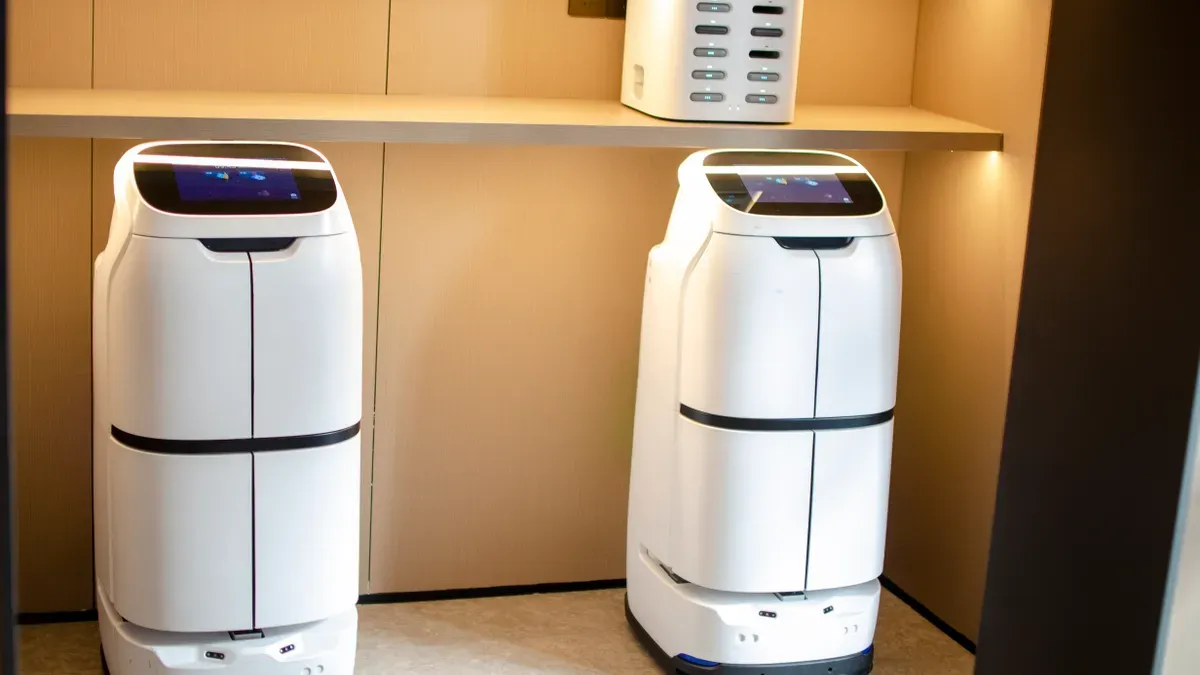
AI-powered autonomous convenience stores use smart technology at work. These stores have vending machines, unmanned outlets, and robots that serve food. Employees get inside by scanning a badge or using an app. Cameras and sensors see who comes in. The system keeps track of what people pick up or put back. This makes shopping easy and fast with no waiting in line.
Many big companies use these stores in their offices. For example, Google and Amazon have them for quick meals and snacks. These stores can go in break rooms, lobbies, or small corners. Employees can shop whenever they want. This gives them more freedom and fits their schedules.
AI vision and payment automation
AI vision technology is important in these stores. Cameras and sensors work with machine learning to watch products. When someone takes something, the system adds it to a virtual cart. If they put it back, the system removes it. This helps make sure people pay the right amount.
Checkout is automatic, so there are no cashiers. Payment happens when the employee leaves the store. The ai system charges the right account. This makes shopping quick and easy. The store can stay open all day and night without workers. Companies save money and service gets better. Employees like this new and simple way to shop at work.
Enterprise efficiency and operational impact
Reduced labor and staffing
AI-powered autonomous convenience stores change how companies use workers in cafeterias. These stores do not need staff, so companies pay less for wages. It also helps when there are not enough workers. Facility operators do not have to hire more people to keep the store open. AI lets companies offer more services without adding new workers. This change makes companies work better and spend less money.
Stores stay open all the time without staff.
Companies do not worry about paying more or finding workers.
Services grow without hiring more people.
Labor costs go down, which helps companies work better.
24/7 access and utilization
AI-driven stores let employees get food and drinks any time. The stores never close, so people can eat when they want. This helps workers with different schedules. Companies use these stores to save money and set them up fast. The stores fit in break rooms, lobbies, or small spaces. They also have fresh food for workers.
Benefit | Description |
|---|---|
Faster Deployment | Small stores open fast in many places. |
Lower Total Operating Cost | Simple machines and AI help companies save money quickly. |
Built for Fresh Food | Stores have fresh meals and many choices for workers. |
Normal Lunch-Hour Flow | Easy entry and exit stop lines from getting too long. |
Scalable AI Technology | Smart cameras and systems help with payment and finding items. |
AI-driven analytics help companies see how people use the stores. They can change what is sold if needed. Employees like how easy it is to shop, and companies see more people using the stores. These stores help companies work better and help workers too.
Real-time inventory management
AI-powered inventory systems watch products all the time. These systems help with planning, restocking, and sending out food. Teams can act fast when people want more or less of something. This means less food gets thrown away and the supply chain works better. AI keeps the right amount of food in the store and stops waste, especially for fresh food.
Benefit | Description |
|---|---|
Increased Revenue | AI helps keep shelves full and brings in more sales. |
Lower Operating Costs | Automation means less work for people and saves money. |
Better Customer Experience | Fast checkout and more choices make people happy. |
Data-Driven Decision Making | Real-time data helps companies make smart choices quickly. |
AI-powered systems help companies guess what food is needed and manage stock. Companies do not buy too much or waste food, so they save money and help the planet. Employees find what they want, and companies get good data to make decisions. Real-time inventory management helps companies earn more and work better.
Employee experience in the workplace
Frictionless shopping
AI helps make shopping in the cafeteria easy. Employees use a badge or app to get inside. Cameras and sensors watch what they pick up. There are no lines to wait in. This gives workers more control over their lunch breaks. They can get food fast and go back to work. There are no cashiers, so there are fewer delays. Shopping is quicker and better for everyone. Employees like how fast and simple it is. AI lets workers manage their time and shop easily.
Time savings and productivity
AI takes care of boring tasks in the cafeteria. This means workers wait less for food. They have more time for important work. Using ai can cut labor costs by 60-70%. Employees can focus on jobs that help the company. Managers use real-time data from ai to make good choices. Workers feel their time is respected and their goals matter. AI helps employees get more done each day.
AI handles simple cafeteria jobs.
Workers have more time for real work.
Real-time data from ai helps managers decide things.
AI helps workers do more during the day.
Satisfaction and convenience
AI makes work life better and easier for employees. AI tools look at feedback to find problems early. Managers can fix issues before they get worse. AI helps create a fair and happy workplace. Workers can get food and drinks when they want. This helps them feel good at work. AI helps workers feel important and cared for. This makes people happier and want to stay at their jobs.
Note: AI gives workers more control, makes things easier, and builds a good workplace. It fits into any office, grows with the company, and works for different needs. Workers feel happier and enjoy their workday more.
Enterprise innovation and adoption
Leading tech company case studies
Many big tech companies use ai-powered autonomous convenience stores in their cafeterias. These companies use ai to track items and make payments automatic. Shopping is easy and fast for everyone. The table below shows how different companies use these stores and what happens:
Company | Implementation Details | Documented Outcomes |
|---|---|---|
Żabka | Opened first Żabka Nano store in May 2021, now has over 50 stores in Poland. | Largest chain of autonomous stores in Europe, utilizing ai for tracking items. |
AiFi | Partnered with various retailers, over 80 partnerships globally for autonomous stores. | Offers scalable solutions, enhancing shopping experience without traditional checkouts. |
ALDIgo | Developed in partnership with Grabango and AiFi, includes hybrid payment options. | Provides flexibility in shopping experience, allowing customers to choose between checkout-free and manual options. |
Amazon Go | Launched in 2016, now has 43 locations, using Just Walk Out technology. | Significant increases in customer service and sales at partnered locations, demonstrating effectiveness of technology. |
These examples show ai-driven stores can grow fast and give good results. Companies get ahead by offering modern and efficient services to workers.
Transforming cafeteria spaces
Companies use ai to change empty cafeteria spaces into busy self-service areas. They put in unmanned stores, robots, and smart vending machines. This helps use space better and makes things run smoother.
AI robots give quick service and make shopping personal.
People and machines work together to help customers.
Unmanned stores are open all day and night.
Real-time inventory and dynamic pricing help stores work well.
Personalized shopping helps companies earn more and keep customers.
AI gives recommendations and makes shopping easy for everyone.
These changes help companies use space well and make work more fun.
Facility operator benefits
Facility operators get many good things from ai-powered autonomous convenience stores. Automation lowers labor costs and helps make more money. Operators get useful data about how people shop. This helps them make smart choices. Real-time tracking and cameras stop theft and loss. Checkout works well without staff, so operators do not worry about hiring.
AI-powered stores let operators try new ways to sell, like dynamic pricing and omnichannel strategies. These features help operators earn more and give a better experience to everyone at work.
AI-powered autonomous convenience stores help companies work better. They make employees happier and bring new ideas to the workplace. These stores make cafeterias run smoother and keep them open all the time. Workplaces that use new technology can stay strong for a long time. There are some important things to think about when starting:
Use AI in a fair way so it is not biased.
Keep data safe and private so people trust it.
Help workers get used to changes easily.
Make sure content is safe and checked.
Protect ideas and inventions.
Companies that want to be strong can change their cafeterias. They can get ready for problems that might come later.
FAQ
How do AI-driven autonomous stores keep food fresh?
AI systems watch the temperature and how much food is left. They tell staff when food needs to be added or taken out. This helps keep food safe and good for workers.
Are autonomous stores secure against theft?
Cameras and sensors check every sale. AI finds strange actions and tells security right away. This helps stop stealing and keeps food safe in company cafeterias.
Can employees use cash in autonomous stores?
Most autonomous stores use digital ways to pay. Employees can use apps, cards, or badges to buy things. Some stores let people use both cash and digital payments for more choices.
What happens if an employee picks up the wrong item?
AI vision watches every item. If someone puts an item back, the system takes it out of their cart. This makes sure people only pay for what they take.
Do autonomous stores work during power outages?
Backup power keeps important things working. Stores can stay open for a short time if the power goes out. Staff get alerts so they can fix problems fast.
See Also
How AI-Driven Stores Are Shaping the Retail Future
Top Features of AI Vending Machines for Today’s Retail
Steps to Launch an AI Corner Store on a Budget
AI Corner Stores Are Rising: Key Insights for Retailers
How Vending Machines Are Revolutionizing Fast Food Automation
