How AI-powered autonomous retail is transforming Convenience store chains & small-format grocery.

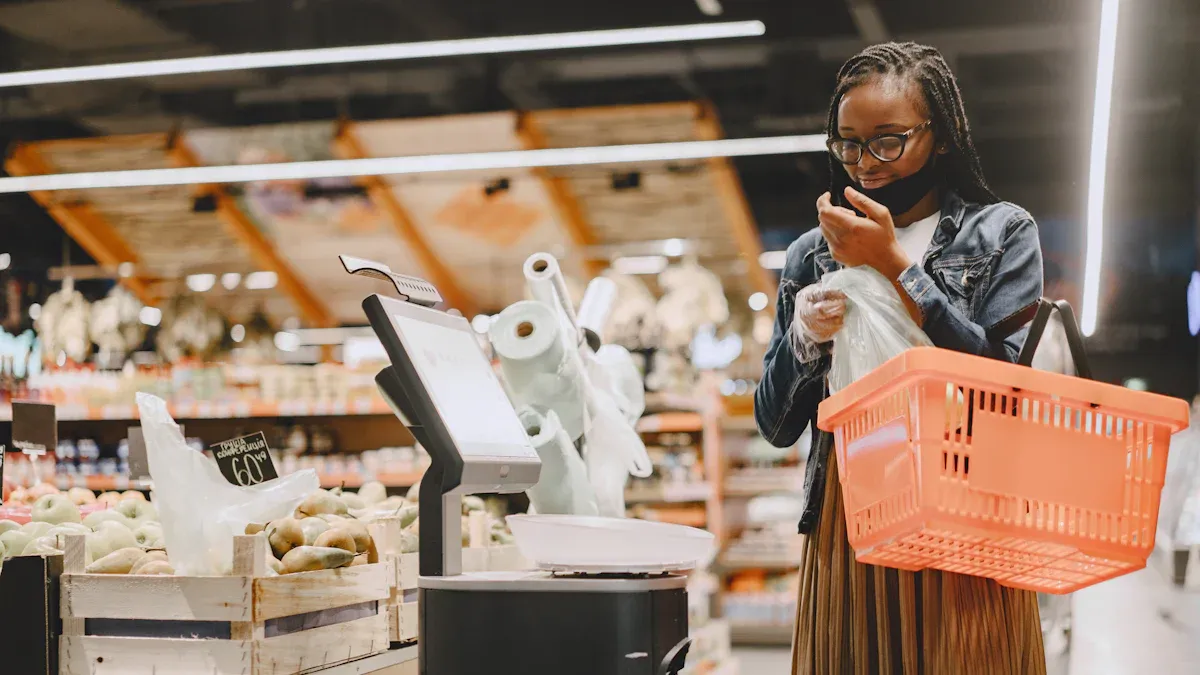
AI-powered autonomous retail changes the way you shop at convenience stores and small-format grocery stores. You see faster checkout, smarter inventory, and more personalized shopping. Automation makes stores run smoothly and helps staff focus on your needs.
Technology | Operational Efficiency | Customer Experience |
|---|---|---|
AI-driven demand forecasting | Optimizes inventory, reduces waste | Bestsellers are easily accessible |
Smart shelf technology | Ensures products are available | |
AI-based video analytics | Cuts shrinkage by up to 35% | Speeds up incident response |
Digital kitchen tools | Boosts order accuracy by 25% | Cuts prep time by 10-15% |
You get a quicker, easier, and smarter shopping experience every time you visit.
Key Takeaways
AI-powered autonomous retail speeds up shopping with checkout-free systems. You can grab items and leave without waiting in line.
Smart inventory management tools keep shelves stocked and reduce waste. This means you find what you want every time you visit.
Personalized shopping experiences make you feel valued. Stores use your preferences to suggest products and offers that match your tastes.
24/7 access to stores provides convenience. You can shop whenever you want, making it easier to get essentials at any hour.
AI enhances security and loss prevention. Smart cameras and analytics help protect stores and ensure a safe shopping environment.
AI-powered autonomous retail: Core Technologies
Computer Vision & Smart Cameras
You see computer vision and smart cameras working together to make stores smarter. These cameras watch shelves and track what you pick up or put back. They check if products are in the right place and if prices match the signs. You get better service because the system spots empty shelves and helps staff restock quickly.
Trigo’s solution compares what you scan with what you take, catching mistakes right away and stopping loss at checkout.
Computer vision gives you accurate inventory and helps prevent theft. This technology works better than manual checks and keeps your shopping smooth.
Smart Shelves & Sensors
Smart shelves and sensors track every product you touch. They use cameras and weight sensors to know when you pick up or move an item.
Some systems match products to shoppers with almost 80% accuracy.
Others use cameras and special software to reach nearly 90% accuracy.
Weight sensors spot changes and track where products go.
You find the items you want because smart shelves keep track of stock and alert staff before anything runs out. This makes shopping easier and reduces waste.
Checkout-Free Systems
Checkout-free systems let you skip the line. You walk in, grab what you need, and leave. The store charges you automatically.
These systems make checkout three times faster.
Most shoppers finish paying in less than 15 seconds.
You spend less time waiting, which makes shopping more enjoyable.
AI-powered autonomous retail uses these systems to keep you moving and happy. Stores keep you coming back by making shopping quick and simple.
Mobile Payments & Apps
Mobile payment apps help you pay in new ways. You can use your phone to check out, which means fewer lines and less waiting.
Only a small number of people use these apps now, but more know about them every year.
Mobile apps give you many ways to pay and connect your online and in-store shopping.
You get a smooth experience because these apps cut down on queues and make shopping flexible.
AI-powered autonomous retail brings all these tools together to give you a fast, easy, and connected shopping trip.
Retailer Benefits
Efficiency & Cost Savings
You see your store run smoother when you use AI-powered autonomous retail solutions. Automation helps you cut down on manual tasks like updating prices and promotions. Smart carts let customers check out by themselves, so you need fewer staff at the registers. You save money and time every month.
Metric | Value |
|---|---|
Annual labor/inventory savings | |
Per-store monthly savings | $3,900/month |
Forecast accuracy improvement | ~30% more accurate |
Manager time saved | 10 hours bi-weekly |
Man-hours annual savings | $3.4 million |
You lower direct labor costs by 3-7% because you avoid overtime and overstaffing.
You boost sales by 1-3% since your team can focus on helping customers during busy times.
You free up 3-5 hours per manager every week, so they can work on important tasks.
Automation also improves consistency and speed. Your employees spend less time on repetitive work and more time helping shoppers.
Inventory Optimization
You keep your shelves stocked and your customers happy with smart inventory tools. AI-powered autonomous retail tracks stock levels in real time and predicts demand. You avoid running out of popular items and reduce waste.
Impact of AI on Inventory Management | Description |
|---|---|
Real-time inventory tracking | You monitor inventory and shipments instantly, so you avoid stockouts. |
Demand forecasting | You use machine learning to predict what shoppers want, so you order the right amount. |
Automated stock replenishment | You restock products on time, so shelves stay full. |
Enhanced supply chain visibility | You see your whole supply chain, so you waste less and avoid overstock. |
You see a 20% drop in out-of-stock situations, which means more satisfied customers.
You spend less time stocking shelves, with a 20% decrease in stocking work.
A coffee chain reduced inventory by 15%, so they had less waste and better product availability.
Security & Loss Prevention
You protect your store with smart security systems. AI cameras watch for suspicious behavior and send alerts to your team. These systems spot loitering and theft faster than people can.
Evidence Type | Description |
|---|---|
Loss Prevention and Theft Reduction | AI systems detect suspicious activity in real time, helping you act quickly to reduce theft. |
Fraud Detection | AI finds patterns of misuse at self-checkouts, so you stop checkout fraud. |
Predictive Analytics | AI studies past data to predict future risks, so you manage threats before they happen. |
Proactive Security | AI technologies analyze behaviors that may signal theft, so you stay ahead of problems. |
Face Recognition | Systems identify known offenders and alert your team, so you prevent theft before it starts. |
AI cameras analyze live footage and spot behaviors that people might miss.
You get real-time alerts for abnormal actions, so your staff can respond fast.
Advanced item recognition helps you make sure every product gets paid for.
Data-Driven Decisions
You make smarter choices with data from every part of your store. You collect information from online sales, in-store purchases, mobile apps, and even social media. AI models help you predict what customers want and when they want it.
You use predictive analytics to plan inventory and marketing.
You see how shoppers behave and adjust your strategies to fit their needs.
Walmart uses big data to manage stock levels, looking at real-time sales, weather, and social trends. This helps them reduce waste and keep customers satisfied.
AI-powered autonomous retail gives you the tools to understand your business better. You use data to improve operations, boost sales, and keep your store running smoothly.
Customer Experience
Fast & Frictionless Shopping
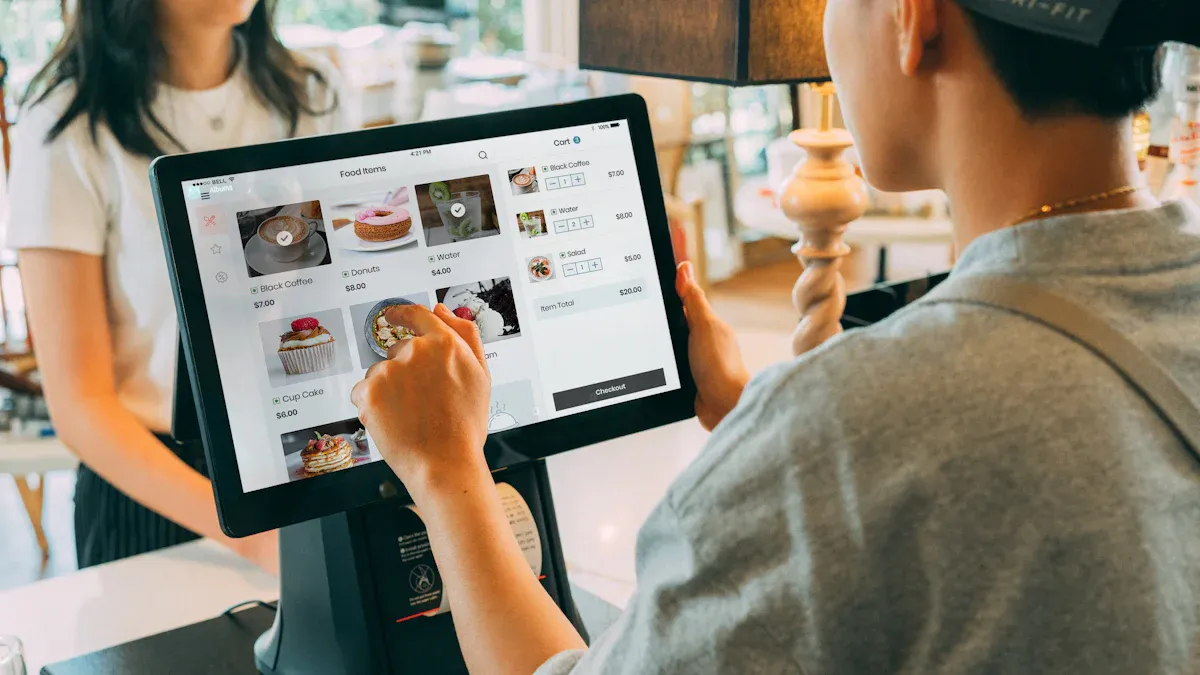
You want to get in and out of the store quickly. AI-powered autonomous retail makes this possible. You scan all your items at once, so you do not wait in long lines. You finish your transaction in seconds. Many shoppers prefer self-checkout because it saves time. In fact, 43% of people say they like using self-checkout options. You shop more easily during busy times because autonomous checkout systems cut down wait times.
You scan multiple items at once, which speeds up your shopping.
You spend less time waiting, especially when the store is crowded.
You enjoy a smoother experience because the system recognizes your purchases instantly.
Tip: If you have a bad shopping experience, you may not return. Studies show that 96% of people become less loyal after a high-effort visit. Only 9% feel less loyal after a low-effort experience.
Experience Type | Customer Loyalty Impact |
|---|---|
High-effort | 96% become more disloyal |
Low-effort | 9% become disloyal |
Negative experiences | 55% stop buying after several negative experiences |
One bad experience | 8% stop after just one bad experience |
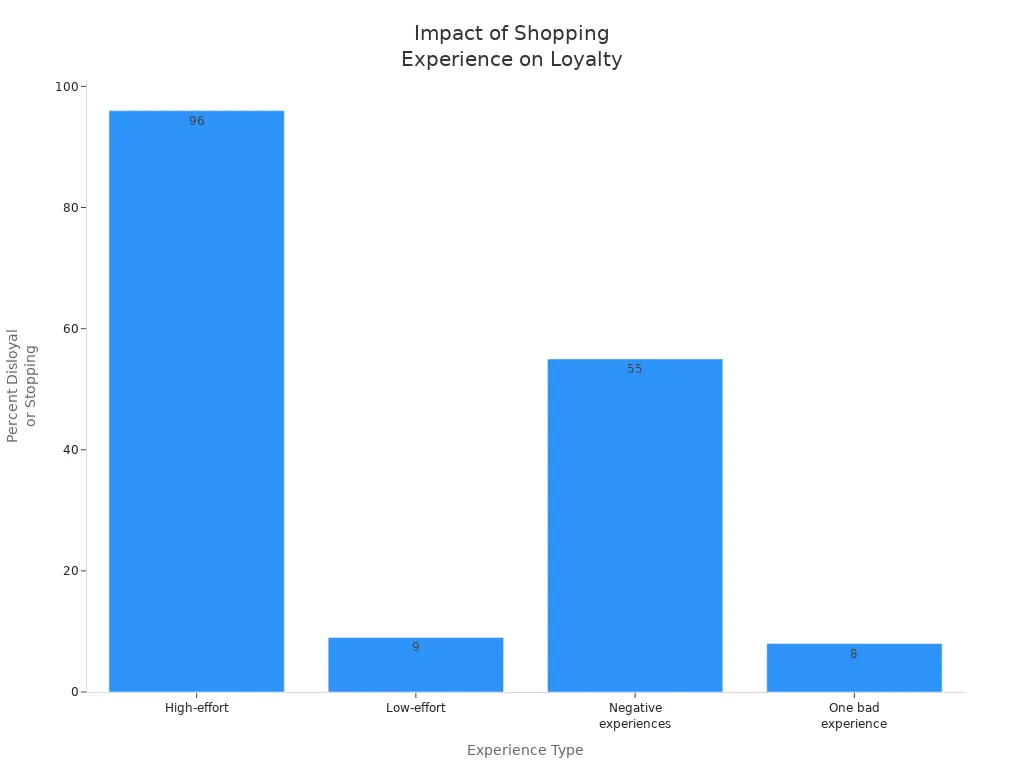
You want shopping to be easy. If it is not, you may choose another store. Over half of shoppers say they are less loyal if online shopping is not enjoyable. Nearly a third stop using a business after poor customer service.
Personalization
You like it when stores remember your preferences. AI-powered autonomous retail uses data to give you personalized recommendations. You see products that match your tastes. You get offers that fit your shopping habits. This makes you feel valued and encourages you to buy more.
Personalized product suggestions can increase conversion rates by 10-15%.
You may spend more, with average order values rising by 20-30% when you get personalized offers.
Most shoppers expect stores to personalize their experience. In fact, 71% of people want this, and 76% are more likely to return to stores that do it well.
Note: When you get recommendations that match your needs, you find shopping more enjoyable and return more often.
24/7 Access & Convenience
You want to shop when it suits you. Autonomous stores stay open all day and night. You can buy snacks, drinks, or essentials at any hour. This flexibility makes your life easier. You do not have to rush or wait for opening times.
Statistic | Value |
|---|---|
Shoppers feeling impatient when waiting | |
Travelers preferring hotels with self-service options | 70% |
Hotel lobby purchases happening between 7 p.m. and 7 a.m. | 60% |
Increase in retail profits in the first month | From $1,388 to $18,308 |
You see more stores offering self-service options. Travelers like hotels with these features. Many purchases happen late at night or early in the morning. Stores that stay open longer earn more money and keep customers satisfied.
Tip: You enjoy shopping more when you can visit the store any time you want. Stores benefit too, with higher profits and happier customers.
AI-powered autonomous retail changes how you shop. You get faster service, personalized offers, and round-the-clock access. You feel valued and return more often.
Industry Examples
Leading Chains
You see many leading convenience store chains using AI-powered autonomous retail. These stores use smart technology to make shopping faster and easier. Here is how some top chains use AI:
Convenience Store Chain | AI Implementation Description | Reported Results |
|---|---|---|
Zippin | AI-powered computer vision tracks items and charges your account automatically. | You finish shopping in just 20 seconds instead of 20 minutes. |
Cubby's & Mach 1 Stores | Voice analytics tool listens to cashier-customer talks and tracks performance. | Employees feel more motivated, and you get better service. |
Casey's General Stores | Conversational AI system takes call-in orders and links them to rewards programs. | You get personalized offers, and staff can suggest more items to buy. |
These chains show you how AI can change your shopping experience. You spend less time waiting and get more personal service.
Small-Format Success
You see small-format grocery stores also winning with autonomous retail. Many of these stores use smart shelves and checkout-free systems. You walk in, grab what you need, and leave without waiting in line. These stores use AI to track inventory and restock quickly. You always find what you want on the shelves. Small stores can stay open 24/7, so you shop whenever you want. This helps you and your community by making shopping simple and fast.
Tip: Small stores use AI to compete with big chains. You get the same high-tech experience in your neighborhood.
Lessons Learned
You learn important lessons from stores that use AI-powered autonomous retail:
By 2025, autonomous agents will handle 80% of customer interactions.
AI will power 85% of these interactions.
Retailers must use data and keep improving their technology.
You still need a balance between automation and friendly staff.
AI helps stores predict what you want and keeps shelves full.
Stores save money and make you happier with better service.
The retail industry has changed a lot. You see stores move from simple automation to smart systems that know what you need. Stores that use AI stay ahead of the competition and give you a better shopping experience.
Challenges & Considerations
Implementation Costs
You face high upfront costs when you bring AI-powered autonomous retail into your store. New systems need expensive hardware, software, and installation. Many small-format stores find it hard to invest in these technologies. You may also need to upgrade your old systems so everything works together. Some stores struggle to connect new AI tools with their existing services. You must plan your budget carefully and look for ways to get a good return on your investment.
You pay for smart cameras, sensors, and checkout-free systems.
You spend money on software licenses and updates.
You may need to hire experts to set up and maintain the technology.
You must consider the cost of training your staff.
Data Privacy
You want your personal information to stay safe. Retailers must protect your data and follow strict rules. Stores use cybersecurity to keep your information secure. They test new AI systems in controlled settings before using them everywhere. You should see clear privacy policies and know how your data is used.
Evidence | Description |
|---|---|
Stores focus on strong security to protect data from many sources. | |
Risk Mitigation | Stores test AI in small groups to fix problems before full use. |
Stores ask for your consent before collecting data.
They follow laws like GDPR and CCPA.
You get transparency about how your data is stored and used.
Regular audits help find and fix privacy issues.
Note: You should always check a store’s privacy policy before sharing your information.
Staff Training
You need trained staff to run autonomous retail systems. Employees must learn how to use new tools and help customers. Some workers may feel nervous about using AI. You can help them by offering clear training and support. Stores must give staff time to adjust and practice with new systems.
Training helps staff feel confident.
Support reduces mistakes and improves service.
Well-trained employees make your shopping experience better.
Customer Trust
You want to trust the store and its technology. Stores build trust by using explainable AI. This means you can see how decisions are made. Stores also show you how orders are handled and fulfilled.
Strategy | Benefit |
|---|---|
Explainable AI tools | You understand how the system works and feel more confident. |
Visibility into AI-driven decisions | You see how your orders are managed and delivered. |
Stores personalize your experience with AI.
You get content and offers that match your needs.
Trust grows when you see fairness and transparency.
Tip: If you feel comfortable with the technology, you are more likely to shop again.
Future Outlook
Trends & Innovations
You will see many new trends in AI-powered autonomous retail. Stores now focus on making your shopping experience faster and easier. Checkout-free technology is becoming more common. You can walk in, grab what you need, and leave without waiting in line. This trend works well in small stores in busy places.
“Convenience is one of the main reasons the technology works well in small-format stores in busy locations,” claims Maple. “The pandemic also made checkout-free technology more appealing to some as it minimises human contact and could be considered a more hygienic way to shop.”
You will notice more stores using AI to personalize your shopping. Smart carts can give you custom discounts based on what you like. AI also helps stores manage inventory, so you find what you want on the shelves.
Innovation Type | Description |
|---|---|
Helps monitor, measure, and manage inventory, leading to fewer pricing errors and out-of-stocks. | |
Smart Carts | Gives you personalized shopping experiences with AI-created discounts. |
Computer Vision Technology | Makes stores smarter and more engaging by adding intelligence to store setups. |
You will see these innovations make shopping smoother and more enjoyable.
Impact on Retail
You will notice big changes in the retail industry. More stores use AI every year. In 2024, 78% of organizations reported using AI, up from 55% the year before. During Cyber Monday, retail sites saw a huge jump in traffic from chat interactions—up 1,950% in just one year.
Retailers use AI for personalized and seamless shopping.
AI shopping assistants, visual search, and dynamic pricing are now common.
Predictive inventory management helps keep shelves stocked.
The retail automation market is growing fast. You benefit from better service and more choices. Stores run more efficiently and can focus on what you need. As AI continues to improve, you will see even more changes that make shopping easier and more fun.
AI-powered autonomous retail changes how you shop and run stores. You see robots pick groceries, smart sensors track inventory, and AI set prices in real time. These tools make shopping faster and more accurate. You also face challenges like high costs and data privacy.
Benefits | Challenges |
|---|---|
Enhanced efficiency | High implementation cost |
Better inventory management | |
Labor optimization | Risk of bias |
You should think about how these changes will shape your shopping or business in the future.
FAQ
How does AI-powered autonomous retail make shopping faster?
You skip long lines. Smart cameras and sensors track your items. The system charges you automatically.
Tip: You finish shopping in seconds, not minutes.
Is my personal data safe in autonomous stores?
You see stores use strong security and follow privacy laws.
Security Feature | What it Does |
|---|---|
Encryption | Protects your data |
Consent | Lets you control use |
Will staff lose jobs because of automation?
You still see staff in stores. Automation handles routine tasks. Employees help you with questions and keep shelves stocked.
Staff focus on customer service
Stores need people for support
What if I need help during my visit?
You find help easily. Stores offer support through staff, kiosks, or mobile apps.
Note: You can ask questions or get assistance any time.
See Also
The Future of Retail Lies in AI-Driven Stores
Essential Insights on AI-Enhanced Corner Stores for Retailers
Global Insights on Micromarkets and Smart Retail Solutions
Transforming Online Retail Management with AI E-Commerce Tools
Modern Retail Advantages of AI-Enhanced Combo Vending Machines
