How Small-format Grocery Chains Are Embracing AI-powered Automation

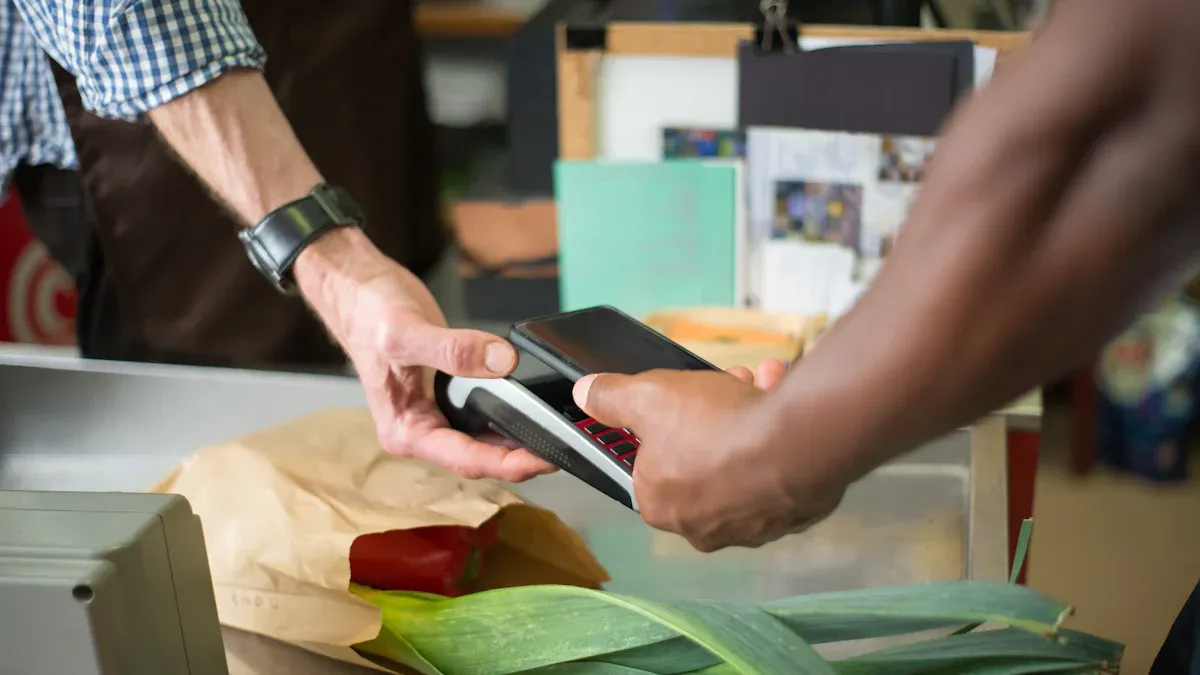
You see ai-powered autonomous retail changing small grocery stores. Retailers use automation to make shopping easier for customers. Many stores now have cashierless shopping and smart shelves. They also use mobile scan-pay-go apps to help shoppers check out faster. The grocery industry wants to spend 400% more on ai before 2025. The table below shows how convenience stores use automation trends:
Statistic | Value |
|---|---|
Convenience stores looking to implement AI solutions within 2 years | 68% |
Stores in AI pilot projects planning to scale | 72% |
Engaged in AI robotic checkout pilot projects | 74% |
Piloting AI-driven autonomous delivery vehicles | 32% |
Piloting AI-enabled autonomous cleaning robots | 52% |

You notice stores use ai to work faster and save money. AI systems help stores waste less food by 14.8% per store. They also cut office work time by 66%. Customers like easy shopping and rewards with mobile wallets.
Key Takeaways
AI-powered automation helps you shop faster and easier. You do not have to wait in long lines because of automated checkout.
Stores that use AI can save money and waste less. Automation lets stores work better and help more people.
You get special deals based on what you buy. These deals match what you like and make shopping better.
Smart shelves and inventory management help you find things you need. These tools keep shelves full and stop empty spaces.
AI makes customer service better by letting staff help you more. Staff do not have to do paperwork and you shop with less trouble.
AI-powered Autonomous Retail in Convenience Stores
Why Convenience Retail Is Adopting AI
Many convenience stores use ai-powered autonomous retail now. They want shopping to be faster and easier for you. When you enter a store, you want to grab items and leave quickly. You do not want to wait in lines or look for help. Stores understand this need. They use ai to make shopping quick and simple.
Competition between stores is strong. Stores want to be different from others. They use ai to give you special experiences. This helps you come back again. For example, you might get deals based on your shopping habits. You may also use voice search or get product tips to find things fast. These features are common in stores today.
Note: Stores that use ai-powered autonomous retail early get a big lead. They bring in more customers and keep up with new automation.
Key Drivers of Autonomous Retail
Ai-powered autonomous retail is changing how you shop. The main reasons are speed, saving money, and better service. Here are some real examples from convenience stores:
Convenience Store Chain | AI Implementation Description | Reported Results |
|---|---|---|
Zippin | AI-powered computer vision tracks items and charges your account automatically. | You finish shopping in just 20 seconds instead of 20 minutes. |
Cubby's & Mach 1 Stores | Voice analytics tool listens to cashier-customer talks and tracks performance. | Employees feel more motivated, and you get better service. |
Casey's General Stores | Conversational AI system takes call-in orders and links them to rewards programs. | You get personalized offers, and staff can suggest more items to buy. |
These changes help you in many ways. You spend less time shopping. Staff use ai tools to give you better service. You also get special rewards and offers.
Stores also get more efficient with ai-powered autonomous retail:
Example | Description | Efficiency Gain |
|---|---|---|
Dynamic Fuel Pricing | AI systems like PriceAdvantage and EdgePetrol adjust fuel prices in real-time based on various factors. | Enables price changes in under 15 minutes, optimizing sales. |
Frictionless Checkout | Zippin's AI-powered system allows customers to shop without waiting in line, automatically charging them for items taken. | |
Voice Analytics | InStore.ai's tool analyzes cashier-customer interactions to improve performance and motivation. | Enhances employee engagement and customer service quality. |
Conversational AI | Casey’s General Stores uses AI to automate order taking, upselling, and integrating loyalty rewards. | Streamlines order process and increases customer satisfaction. |
Ai-powered autonomous retail helps stores save money and work faster. Automation means fewer manual jobs for staff. Workers can help you more instead of doing paperwork. You get a smoother shopping trip. Stores waste less time and fewer resources.
Ai-powered autonomous retail is more than a trend. It is a new way for stores to serve you. You get faster service, more choices, and shopping that fits your needs.
AI Technologies in Convenience Retail
Automated Checkout Systems
Automated checkout systems are changing how you pay. These systems use ai to spot products right away. You do not need to scan a barcode. You can finish paying in about 22 seconds. This is much faster than regular checkout lanes. Stores say automated checkout can make $30,000 more each year.
Tip: Automated checkout lets you skip long lines. Shopping becomes easier for you.
Smart Shelves and Inventory Management
Smart shelves have sensors that track products all the time. When you take an item, the system updates the inventory. This helps stores avoid mistakes and running out of stock. Smart shelves send alerts if items are missed at checkout. This helps stop theft.
Smart shelves cut down on manual stock checks.
They give live tracking and help prevent loss.
You find more products and see fewer empty shelves.
Source | Evidence | Impact |
|---|---|---|
McKinsey | AI-driven forecasting can cut supply chain errors by half. | Stores plan inventory better and run out less often. |
Capgemini | Stores using AI have up to 30% fewer stockouts. | More products are available for you. |
Walmart | Got 95% forecast accuracy and 30% fewer stockouts. | Stores have less extra inventory. |
Macy's | Got 99.8% inventory accuracy with RFID. | No more store closures from missing stock. |

AI-driven Demand Planning
Ai-driven demand forecasting helps stores know what you want. This technology makes forecasts more accurate. Stores make better choices about what to stock. They save money by keeping the right amount of products. Stores waste less.
Benefit | Description |
|---|---|
Enhanced Forecast Accuracy | AI makes demand forecasts more exact and cuts mistakes. |
Improved Decision-Making | AI gives data to help stores decide what to stock. |
Cost Reduction | Better inventory means lower costs and less waste. |
Operational Efficiency | Faster processes save time and resources. |
Competitive Advantage | Stores meet your needs better than other stores. |
Computer Vision for Security
Computer vision uses ai to keep stores safe. Cameras watch what customers do and spot strange actions. The system tracks expensive items and warns staff if someone acts oddly.
Cameras watch customers in real time
System spots valuable products
Facial recognition finds known offenders
Pose estimation helps spot suspicious moves
Note: Computer vision protects you and the store from theft.
Mobile-first Payments
You can pay fast with your phone using scan-pay-go apps. These payment systems use ai to make transactions quick. You get rewards and special deals based on what you buy.
Easy checkout
Special offers just for you
AI uses data to give you a better experience
AI technologies work together to make shopping faster and safer. You see better stocked shelves and a quicker checkout. Shopping feels smoother and more fun.
Enhancing Customer Experience with AI

Faster Shopping and Reduced Wait Times
You want to shop fast and leave quickly. AI helps stores make this happen. AI-driven scheduling looks at old data to guess busy times. Stores use this to make sure enough workers are there. This means you wait less, even when it is crowded. Automated checkout lets you skip long lines. You can pay with scan-pay-go apps in just a few seconds. These systems also help stop fraud. Your shopping is safer and faster.
Tip: Automated checkout means you wait less and have more free time.
Personalized Promotions
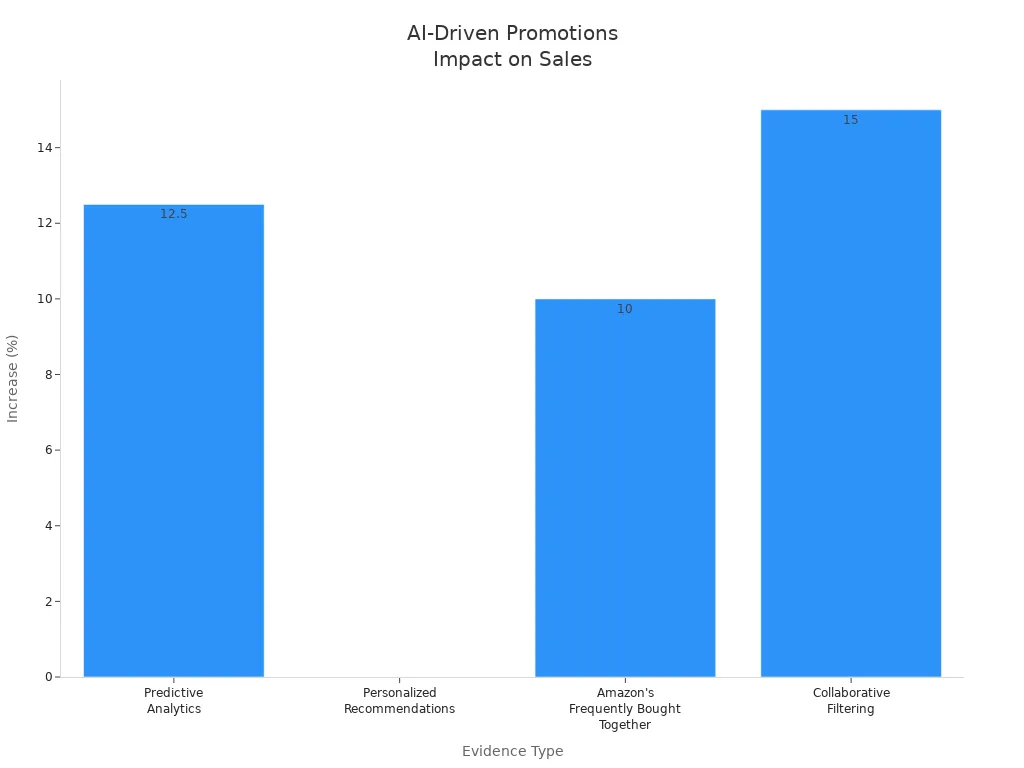
You like deals that fit what you want. AI helps stores give you special offers. The system learns what you buy and sends you deals you will like. You might get discounts on snacks or drinks you love. This makes you feel important and want to come back. Companies using predictive analytics sell 10-15% more. Personalized suggestions bring 75% of shoppers back. Amazon’s “Frequently Bought Together” shows how AI helps people buy more and feel happy.
Evidence Type | Statistic/Example | Impact on Engagement/Sales |
|---|---|---|
Predictive Analytics | Companies using predictive analytics see a 10-15% increase in sales. | Direct correlation to sales increase. |
Personalized Recommendations | 75% of customers are more likely to return to a website with personalized recommendations. | Enhances customer retention. |
Amazon's 'Frequently Bought Together' | Increased average order value by 10% and improved customer satisfaction ratings. | Demonstrates effectiveness of AI in sales. |
Collaborative Filtering | Increases average order value by 15% and improves customer retention rates. | Shows the power of tailored recommendations. |
Real-time Product Availability
You want to find what you need every time you shop. AI tracks inventory and tells staff when shelves are low. This means you see fewer empty spots and more choices. Real-time product updates help stores fix problems fast. If something runs out, staff can restock it right away. Stores use tools to watch how happy customers are. These tools help stores act fast if you cannot find what you want. They also keep product standards the same in every store. This builds trust and gives you a better experience.
Impact Area | Description |
|---|---|
Immediate Intervention | Enables quick responses when customer satisfaction drops, addressing issues like product availability. |
Granular Trend Analysis | Allows for detailed insights into customer satisfaction trends related to product availability. |
Faster Root Cause Identification | Helps identify recurring issues with product availability that affect customer satisfaction. |
Cross-Location Consistency | Ensures that product availability standards are maintained across all locations, enhancing customer trust. |
You have a better time when you always find what you need. Stores using AI make shopping smoother and more reliable for you.
Operational Benefits of Autonomous Retail
Cost Reduction and Efficiency
Stores change a lot when they use autonomous retail systems. These systems help you shop faster. Stores save money with automation. Scan-pay-go and smart checkout help stores serve more people. Fewer workers are needed. You wait less and have a better time shopping.
Here is a table that shows the benefits of autonomous retail:
Benefit | Description |
|---|---|
Enhanced Customer Experience | You wait less, so you are happier and come back more often. |
Operational Efficiency | Stores can help more people with fewer workers. Mistakes happen less and work is more organized. |
Stores save money on workers, training, and fixing mistakes. | |
Improved Data Collection | Stores learn what you like and use this to stock better and send you deals. |
Space Optimization | Stores use space better by removing old checkout counters. |
Safety and Hygiene | You touch fewer people, so shopping is safer and cleaner. |
Scalability | Stores can change systems to fit any size and need. |
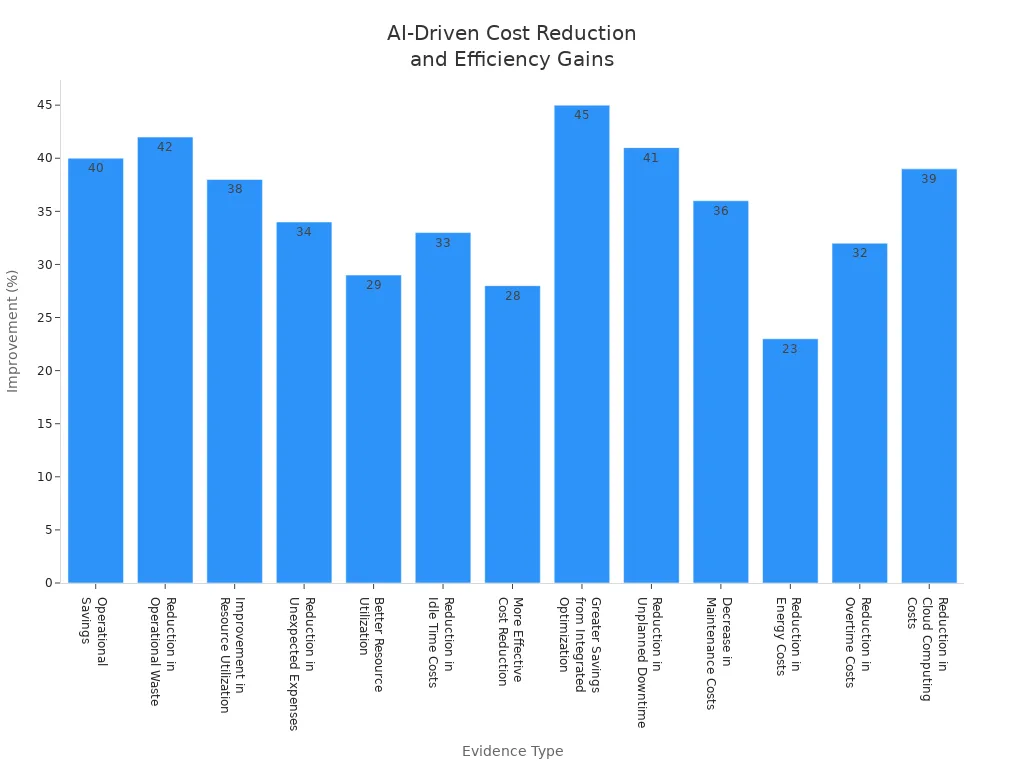
AI-powered autonomous retail helps stores save money in many ways. Stores say they save up to 40% on operations. Waste goes down by 42%. Stores use resources 38% better. Unexpected costs drop by 34%.
Inventory Optimization
You want to find what you need every time you shop. Autonomous retail uses ai to track products and guess what people will buy. This stops stores from running out or having too much.
Walmart keeps more items on shelves and sells more, making 2.5% more money.
H&M’s ai system helped cut unsold items by 25%, which is good for the planet.
Walmart had 16% fewer empty shelves and turned over inventory 10% faster.
H&M had 30% less extra stock and guessed needs 20% better.
Amazon used ai to lower extra stock and shipping costs.
These changes help stores keep shelves full and waste less. You find what you want and stores save money.
Predictive Logistics
Stores now use ai to make supply chains smarter. Automation helps stores know what to order and when. You see fewer empty shelves and more choices.
AI-powered analytics help stores know what people want and when.
Automation of inventory and orders means fewer mistakes and saves time.
Stores save money by keeping just the right amount of products.
Stores using ai can make 50% fewer mistakes when guessing what to order.
Better guessing means you find what you want more often.
AI-driven logistics help stores deliver faster and save money.
Stores that use predictive logistics do better in a fast-changing world. You get a smoother shopping trip and stores work better.
Challenges of AI Adoption
Investment and ROI
You might think bringing autonomous retail to your store costs a lot. The price can look high at first. Stores have different ways to pay for it. Some stores use fixed-price contracts for clear projects. Others pay based on results with outcome-based agreements.
Pricing Model | Description |
|---|---|
Fixed-price contracts | For well-defined scopes of AI projects. |
Outcome-based agreements | Compensation tied to measurable results. |
Adding AI agents often helps your store make more money. Reports say stores get an average ROI of 171% with automation. You may see better conversion rates and fewer returns soon after you start.
Integration with Existing Systems
It can be hard to add autonomous retail to your store. Old systems may not work well with new technology. Some stores do not have enough technical knowledge. Data quality is important, too. Stores often have data in many formats, which makes it hard to use.
Challenge | Description |
|---|---|
Technology Integration | Connecting AI with old systems can be complex and disruptive. |
Lack of Technical Knowledge | Many stores need help from experts and extra staff training. |
Data Quality and Integration | Siloed data makes it hard for AI to work well. |
High Integration Cost | Starting costs can be high, so many stores begin with small projects for quick wins. |
Tip: Begin with small pilot projects and work with experts. This makes adding AI easier.
Data Privacy and Security
You want to keep customer data safe. Autonomous retail systems collect lots of information. There are risks like using data without permission. Biometric data can also be a concern. Sometimes data is collected secretly. Security problems can put your store at risk.
Concern | Description |
|---|---|
Risks of personal data being used without consent. | |
Algorithmic Bias | AI systems may show bias, affecting fairness. |
Security Vulnerabilities | Backdoors or exploits can risk user data and system integrity. |
Stores should use ethical AI and strong data rules. This helps customers trust your store.
Staff Training
Your team needs to be ready for automation. Give them a “skills garden” to pick their own courses. Teach AI basics to close skill gaps. Skills like adaptability help staff learn new technology.
Offer training modules for safe use of autonomous systems.
Use AI-powered training that fits each employee’s progress.
Encourage learning all the time so your team stays confident.
Note: Make employee training and clear goals a priority. This helps your store succeed with autonomous retail.
Future Trends in Autonomous Retail
Emerging Innovations
You will see new ideas in autonomous retail soon. Stores will use smart technology to make shopping easier. Hyper-personalization is a big change coming. Stores will use data to match shopping to your likes. You may walk in and see products picked for you. AI shopping agents will be common in stores. These agents learn what you like and help you shop. They can buy things for you when you need them. This saves time when you want simple items. Stores use these agents to make shopping smooth and fast. You will notice stores care more about using data the right way. Stores want you to trust them with your data. They will show how they use your data and keep it safe. This helps you feel good about shopping with new technology.
Predictions for Convenience Retail
Industry experts have shared what they think will happen soon. Here is a table that shows their main predictions:
Prediction | Description |
|---|---|
Hyper-personalization | AI will enable tailored shopping experiences based on consumer behavior and preferences. |
AI Shopping Agents | Automated agents will anticipate consumer needs, enhancing convenience for shoppers. |
Operational Efficiencies | AI will streamline operations, optimize inventory, and improve product design based on trends. |
You will see convenience retail change quickly. Stores will use ai to know what you want before you ask. They will use data to keep shelves full for you. You will get more personal deals and faster service. Retailers using autonomous retail will see big improvements. They will turn over inventory faster and make customers happier. They will also save money by using smart systems. If you work in a store, you will see new tools to help you do your job better.
Tip: Stay curious about new technology in convenience retail. You will see many changes that make shopping easier and more fun.
You notice ai-powered autonomous retail is changing shopping in convenience stores. This technology gives you lots of good things:
Stores run smoother and save more money.
You can shop whenever you want, even late at night.
Stores use information to make your shopping better.
Security gets stronger, so theft happens less.
Stores can grow and change without much trouble.
Benefits | Challenges |
|---|---|
More personal shopping | |
Stores work better | Problems with handling data |
Helps the environment | Staff need training and security |
You will see autonomous retail keep getting bigger. AI agents will help you shop, give you recipe ideas, and order things for you. Shopping in the future will be easier and feel more special.
FAQ
How does AI make shopping faster for you?
AI lets you skip lines with automated checkout. You grab items and pay quickly. Smart shelves track products, so you find what you need. Stores use data to predict busy times and add more staff. You spend less time waiting.
What is a smart shelf and how does it help you?
Smart shelves use sensors to watch products. You see fewer empty spots. Staff get alerts when items run low. This means you find what you want more often. Stores waste less food and keep shelves full for you.
Is your personal data safe when stores use AI?
Stores use strong security to protect your data. They follow rules to keep your information private. You can ask how your data is used. Stores want you to trust them, so they work hard to keep your data safe.
Will AI-powered automation take away jobs in stores?
AI changes some jobs, but you still see staff helping you. Workers do less paperwork and spend more time with customers. Stores train staff to use new technology. You get better service and staff learn new skills.
Can you use your phone to pay in these stores?
Yes, you can use your phone to pay with scan-pay-go apps. You get rewards and special deals. Mobile payments make checkout quick and easy. Stores use AI to give you offers based on what you buy.
See Also
Understanding AI-Driven Convenience Stores: Essential Insights for Retailers
The Future of Retail: Embracing AI-Enhanced Store Solutions
Transforming Online Retail Management with AI-Driven E-Commerce Tools
Comparing Micromarkets and Smart Stores in Global Retail Automation
