Unused Factory Spaces Become AI-Powered Autonomous Supply Rooms for Electronics Manufacturing

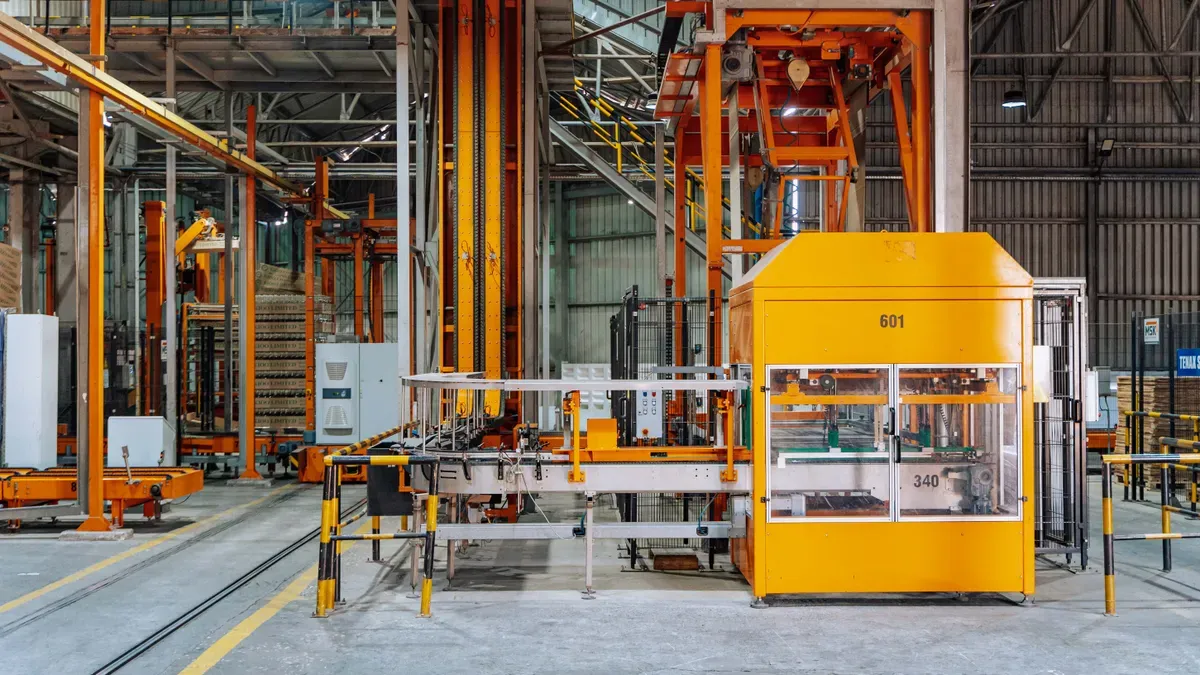
Did you know factories waste a lot of space each year? You can use these empty areas as an AI-powered autonomous supply room. This change helps electronics manufacturing become more digital. You get smoother operations and spend less money. Smart systems watch inventory and do tasks automatically. Business process automation stops mistakes and saves time. Manufacturers get correct data and find supplies faster.
Key Takeaways
Change empty factory spaces into AI-powered supply rooms. This helps factories work better and spend less money. - Use smart sensors and AI tools to watch supplies all the time. This helps keep track of items and stops mistakes people might make. - Make supply room jobs automatic to save time and resources. This lets your team work on more important things. - Use predictive analytics to guess what supplies you will need. This stops you from running out and helps production go smoothly. - Use automation and data to make smart choices. This helps you stay ahead in electronics manufacturing as things change.
Factory Space Transformation

From Unused to Autonomous
You can start the transformation by looking at empty rooms or corners in your factory. These spaces often collect dust and serve no purpose. You can turn them into smart supply rooms with a few steps. First, you clean and prepare the area. Next, you install shelves and storage bins. After that, you add cameras, sensors, and access panels. These tools help you track every item. You connect the system to your network. This step lets you use ai to watch inventory and control who enters the room.
Tip: Start with a small space. Test the system before you expand to other areas.
The transformation does not stop at hardware. You must set up software that uses ai to manage supplies. The software checks what you have and what you need. It can even order new parts when stock runs low. You do not need to write things down or count items by hand. The transformation makes the supply room work by itself.
Manufacturing Needs and Challenges
You face many challenges in electronics manufacturing. You need the right parts at the right time. Delays can stop the whole line. Manual supply rooms often cause mistakes. Workers may take the wrong item or forget to record it. You lose time and money when this happens.
The transformation to an autonomous supply room solves these problems. You get real-time updates on your inventory. You know what you have and what you need. The system sends alerts when supplies run low. You do not waste time searching for parts. The transformation also helps you use space better. You turn unused areas into valuable assets. This change supports your goal to make manufacturing faster and more reliable.
AI-Powered Autonomous Supply Room Technology
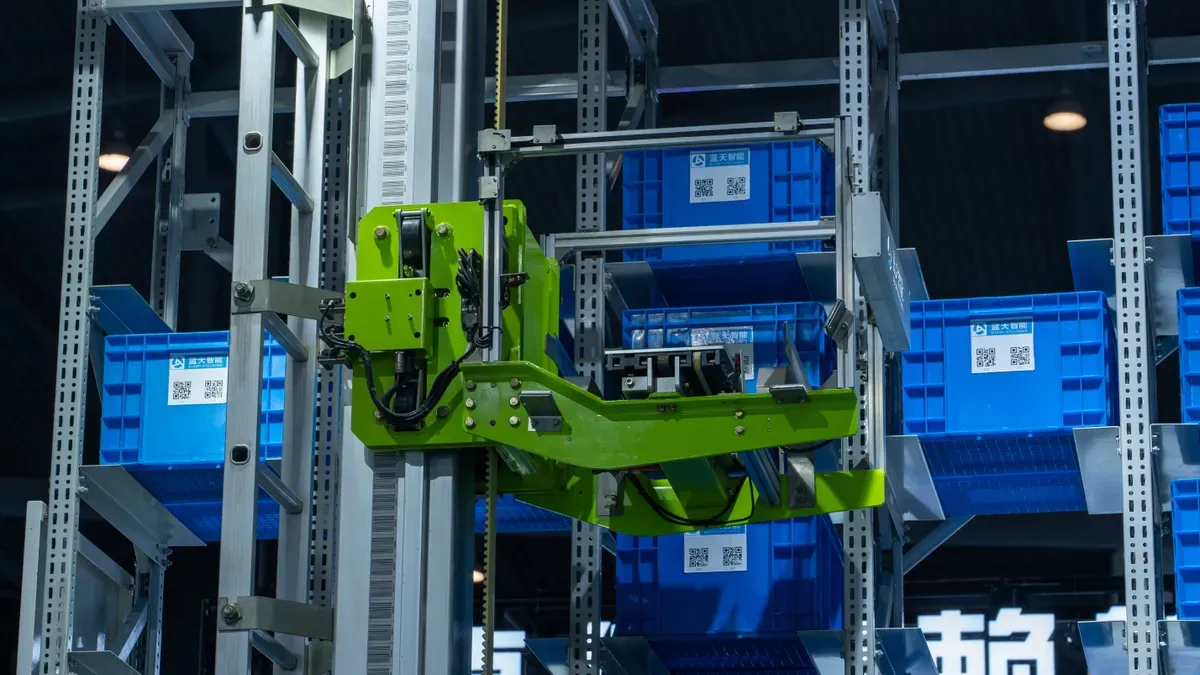
AI Entry and Security
You can use new technology to control who goes into your ai-powered autonomous supply room. AI tools like facial recognition and smart cameras help keep the room safe. These ai tools do more than just watch people. They look at video feeds right away and give you helpful information.
AI cameras can spot and sort people and things.
Facial recognition checks faces with a list to let people in.
Behavioral analysis finds patterns, like someone trying to get in without permission.
With these ai tools, you can stop stealing and protect your inventory. You do not have to use keys or badges anymore. The technology handles it for you.
Smart Sensors and Real-Time Tracking
Smart sensors are very important in your ai-powered autonomous supply room. These sensors always tell you about stock, where items are, and storage conditions.
Weight sensors and RFID tags watch how inventory moves.
Sensors help keep the right temperature and humidity for electronics.
According to a study on IoT use in warehouses: 'IoT can be used to watch and track goods, guess demand trends, manage inventory… in real time.'
You can trust this technology to gather data and lower mistakes. Automation means you do not have to count items by hand. The technology does that job for you.
System Integration and Automation
You can link your ai-powered autonomous supply room to your current manufacturing software. This connection uses ai applications and ai tools to make your work better.
Integration cuts down on typing data and makes work easier.
Real-time data helps you choose better for production and shipping.
The technology grows with your business and fits new needs.
You can act fast when things change or go wrong.
Automation saves money by stopping mistakes and extra work.
Automation in supply rooms takes away slow jobs like order entry and fixing inventory. You get faster work and less paperwork. When you automate data, you do not enter things twice and shipments are right. This technology lets your team work on important tasks, not paperwork.
Operational Impact in Manufacturing
Efficiency and Cost Savings
When you use automation in supply rooms, you see big changes. Automation lets you finish jobs faster and make fewer mistakes. You do not have to do as much work by hand. The system takes care of inventory and orders for you. This saves money because you use less material and need fewer workers.
Here is a table that shows how automation helps you save money and work better in manufacturing:
Improvement Type | Measurable Result |
|---|---|
Reduction in consumable usage | |
Speed of replenishment | Faster replenishment during production |
Inventory accuracy | Higher inventory accuracy |
Labor costs | Lower labor and management costs |
Automation gives you many good results. You use fewer supplies, so you save money. You get parts faster, so your work does not stop. You pay less for workers because you need fewer people to handle inventory. These changes help your factory run better and with fewer problems.
Tip: Automation lets your team work on important jobs, not just paperwork.
Automation also helps you reach your money-saving goals. You do not waste money on extra supplies or overtime. You get better results with less work. This is how you make your factory work better.
Inventory Accuracy and Replenishment
Good inventory management keeps your factory running. Automation helps you track every part right away. You do not need to count by hand. The system does it for you and updates the numbers fast. You always know what you have and what you need.
Here are some ways automation makes inventory and work better:
Automation removes mistakes people make.
Real-time data shows where every part is.
The system can order more supplies when you are low.
You get alerts if something is missing or not right.
You can see how you use supplies and plan better.
AI systems help you guess what you will need by looking at old data and trends. This helps you keep enough stock and not run out. Automation also helps you find problems before they get big. You can fix things fast and keep your line moving.
You can trust automation to give you the right numbers. You do not have to worry about mistakes in inventory. You get better work and save money every day.
Note: Seeing your inventory in real time helps you make smart choices and stop delays.
Automation and real-time tracking help a lot in factories. You get better work, save more money, and have more control over your supplies.
Industry Transformation and Future Outlook
Overcoming ERP Limitations
Many factories use ERP systems to manage supplies. These systems do not always give real-time updates. They also do not automate many tasks. AI-powered autonomous supply rooms can fix these problems. This change lets you see your inventory right away. You do not have to wait for someone to update things by hand. You get instant information about every item.
You use automation to refill materials and manage inventory.
You track items without doing it yourself.
You make records and update inventory right away.
You do less work by hand and make fewer mistakes.
You use over 30% less supplies each year.
You get new supplies faster during production.
This change helps you make better choices. You use data to plan and act fast. You do not waste time or materials. Your factory gets better with these changes.
The New Nerve Center
Your supply room becomes the main control spot for your factory. This change uses new technology to give you more control and information. You see automation in every part of the process. You use predictive analytics to make production and supply better.
Technology | Contribution to Manufacturing Operations |
|---|---|
Works like a brain to help make quick choices and improve production. | |
Internet of Things | Watches everything and uses data to predict what will happen. |
Advanced Robotics | Does hard jobs very well, so people do not have to. |
Digital Twins | Lets you test and improve systems without stopping real work. |
Edge Computing and 5G | Helps make fast choices and run machines with quick communication. |
You see your business change as you use more automation and data. Predictive analytics helps you find problems before they get big. You use data to make every part of your factory better.
Tip: Use predictive analytics to plan what you need and stop shortages.
You see new trends changing how factories work. You use cloud-based Manufacturing Execution Systems. You add digital twins and edge computing. You build ai-driven autonomous factories. You focus on making products just for each customer. You use predictive analytics for fixing machines and making smart choices fast. You make production better with automation and data.
This change helps your factory grow and handle new problems. You see your business get better with automation, predictive analytics, and data. You become a leader in electronics manufacturing.
You can change empty factory spaces into AI-powered autonomous supply rooms. This brings big improvements to electronics manufacturing. Companies like Cloudpick use less material, restock faster, and spend less money. Automation helps you waste less and recycle more.
You get updates about inventory right away.
You save money and use fewer things.
You help make the environment cleaner.
Long-term Benefit | What It Means for You |
|---|---|
Better supply chain | You can guess what you need and waste less. |
Smarter decisions | AI helps you act fast and make good choices. |
Workforce growth | You teach your team how to use new technology. |
Keep up by trying these ideas and get ready for a smarter and greener future.
FAQ
What is an AI-powered autonomous supply room?
You use an AI-powered autonomous supply room to watch items and control who enters. The system has cameras and sensors. You get updates right away and manage things better. This saves time and makes your factory work smoother.
How does this technology improve productivity?
You get more work done because the system does jobs for you. You do not need to count items yourself. The technology gives you quick information and helps you make smart choices. Your team can spend time on important tasks.
Can this system help with supply chain and logistics?
You can connect the system to your supply chain. It tracks inventory and helps with logistics. You always know what you have and what you need. This stops delays and keeps your factory running well.
What are the cost benefits of using this system?
You save money by using fewer materials and needing fewer workers. The system lowers mistakes and waste. You spend less on extra supplies. You see lower costs and better results in your factory.
Is this solution suitable for the manufacturing industry?
You can use this solution in the manufacturing industry. It works for many kinds of factories. You get better data, improved management, and smoother operations. The system helps you stay ahead in a fast-changing market.
See Also
The Future of Retail: Embracing AI-Driven Stores
Reimagining Retail: The PARC at Tysons as a Community Center
Modern Retail Solutions: Advantages of AI-Enhanced Vending Machines
Starting an AI-Driven Corner Store on a Budget
Space-Efficient Snack Vending Machines for Contemporary Environments
