Using AI-powered dashboards for decision-making in Universities & campus retail.

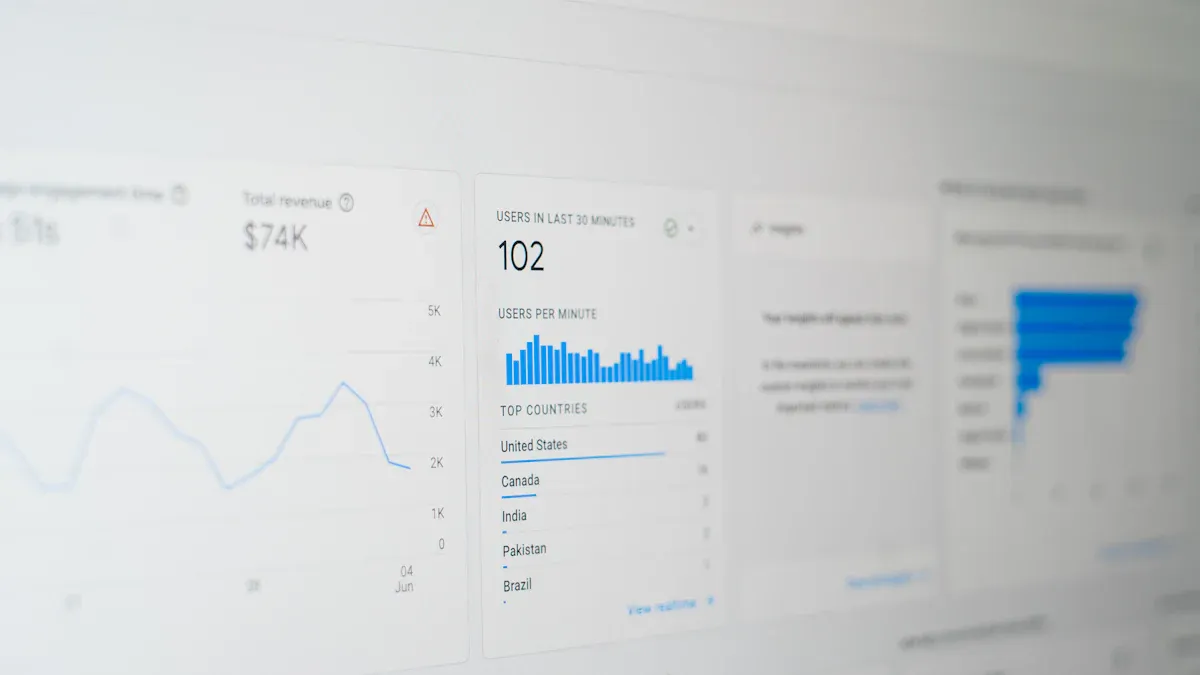
You can use ai-powered dashboards to turn campus and retail data into clear insights for leaders. These tools use ai to find patterns in data that you might miss. Ai helps you spot trends and predict what could happen next. With ai, you align your strategies with what your university or store needs. When you use data-driven decisions, you make your decision-making process stronger and more effective. Ai works with data every step of the way to help you make smart decisions.
Key Takeaways
AI-powered dashboards reveal hidden patterns in campus and retail data, helping leaders make informed decisions.
Predictive analytics in dashboards allows for better planning by forecasting future trends like enrollment and staffing needs.
Real-time data visualization enhances decision-making speed and accuracy, enabling quick responses to changing conditions.
Collaboration across departments maximizes the benefits of AI tools, improving student experiences and operational efficiency.
Prioritize data privacy and ethics when using AI, ensuring responsible data collection and usage to maintain trust.
Core Benefits of AI-powered Dashboards
Trend Identification and Insights
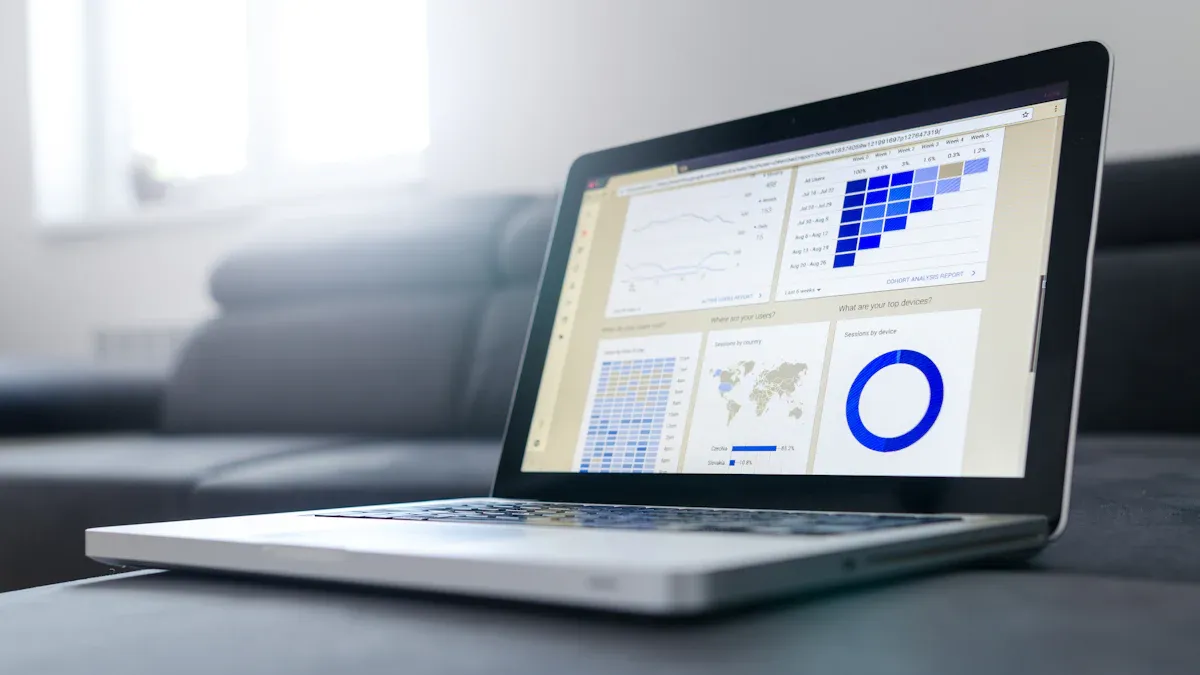
You can use ai-powered dashboards to see patterns in your campus and retail data that traditional tools often miss. These dashboards do more than show you what happened in the past. They help you understand what is happening now and what might happen next. For example, you can spot trends in student performance or sales in your campus store. Ai-powered dashboards give you insights that help you act quickly and make better decisions. You can use these insights to plan for changes and improve your results.
Ai-powered dashboards help you:
Identify trends in student grades and attendance.
Forecast student retention rates and find students who may need help.
Automate reports so you spend less time on manual tasks.
Predictive Analytics for Planning
Ai in dashboards lets you look ahead. You can use predictive analytics to plan for the future. These tools use your data to make forecasts about things like enrollment, staffing, or inventory needs. The accuracy of these predictions depends on the quality of your data and how often you update your models. When you keep your data organized and your models current, you get better results. You can measure how well your predictions work by checking them against real outcomes. This feedback helps you improve your planning over time.
Operational Efficiency Gains
Ai-powered dashboards make your work easier and faster. You can see real improvements in how your university or campus store runs. Here is a table showing some measurable outcomes:
Improvement Type | Measurable Outcome |
|---|---|
AI document verification & status tracking | 45% faster processing, improved accuracy |
Automated scheduling with conflict resolution | 50% fewer conflicts, better resource use |
AI dashboards & predictive analytics | 18% higher student engagement, early alerts |
AI-powered ERP for HR, finance, student data | 30% reduction in administrative overhead |
You can use these dashboards to cut down on paperwork, avoid scheduling problems, and boost student engagement. Ai-powered dashboards also help you align your actions with your university’s goals. They bring together data from different areas, so you can make data-driven decisions that support your mission.
AI-driven Decision Making in Practice

Academic and Resource Planning
You can use ai-driven decision making to improve how you plan classes and manage resources. With ai-powered dashboards, you see data about class sizes, faculty distribution, and room usage in one place. This helps you make better decisions for your campus. You can monitor teaching effectiveness and learner engagement. You also get support for institutional decision-making.
Ai-powered dashboards help you:
Predict hiring needs and spot skill gaps.
Suggest new content and find subject gaps.
Flag underperforming programs and alert you when students need mentoring.
Tag high and low performers in your classes.
Forecast student retention rates and identify trends in student performance.
Predict low collection months and high-risk defaulters.
Get cost-saving recommendations.
You can use these actionable insights to adjust your plans quickly. Ai helps you analyze data and find patterns that you might miss. This leads to smarter resource allocation and better outcomes for your university.
Feature | Benefit |
|---|---|
Attendance Tracking | Enables real-time monitoring of student presence, helping to identify trends impacting retention. |
Behavioral Insights | Detects patterns that may indicate academic risks, allowing for proactive intervention. |
Customizable Reports | Provides tailored reporting on various data points to support informed decision-making. |
Automated Delivery | Ensures timely access to reports, enhancing responsiveness to resource needs. |
Actionable Insights | Helps track trends and service gaps, optimizing resource allocation effectively. |
Dynamic Visual Analytics | Enhances institutional effectiveness through data visualization and analysis. |
You can use these features to make sure your resources match your needs. Ai-driven decision making gives you the tools to act fast and stay ahead.
Student Success Monitoring
You can use ai-powered dashboards to support student success. These tools help you tailor the overall learning experience to each student. You can adjust coursework difficulty and spot learning gaps. This means you can give targeted interventions when students need help.
Ai-driven dashboards let you monitor student performance in real time. You can use analytics to analyze student learning patterns and predict who might need extra support. This helps you focus on enhancing student success rates.
A systematic review shows that ai-powered learning analytics dashboards improve student success monitoring. These dashboards use ai and machine learning to give you predictive and prescriptive analytics. You get actionable insights that help you make decisions for your students.
Feature | Description |
|---|---|
AI Risk Radar | Flags low performance, poor attendance, and other issues with action priorities. |
Attendance & Engagement | Provides heatmaps, defaulter lists, and alerts for engagement dips; includes AI-based counseling recommendations. |
Performance & Risk | Identifies weak/strong learners and generates lists for remedial actions based on engagement scores. |
Daily Academic Brief | Auto-generates class status updates, attendance, and key issues for quick reference. |
AI-Driven Student Dashboard | Predicts grades and suggests improvement actions based on various performance metrics. |
You can use these features to act before problems grow. For example, a K–12 school network used ai dashboards to create automated performance reports. Teachers could step in early, which led to an 18% improvement in student retention and engagement. Ai-powered dashboards help you shift from reacting to problems to preventing them.
Campus Retail Optimization
You can use ai-powered dashboards to improve your campus store. These tools give you real-time data for merchandising and assortment planning. You can forecast demand and personalize product recommendations for your students and staff.
Evidence Description |
|---|
AI dashboards provide real-time insights for merchandising and assortment planning. |
They help in forecasting demand and personalizing product recommendations. |
AI assists in automating inventory management tasks, leading to higher sales. |
Predictive analytics helps in planning assortments and reducing waste. |
AI analyzes local demographics to tailor product assortments for campus needs. |
You can automate inventory management and reduce waste. Ai helps you analyze data about sales and local demographics. This means you can stock the right products at the right time. You get actionable insights that help you make better decisions for your store. Ai-driven decision making in campus retail leads to higher sales and happier customers.
Key Dashboard Features for Decision-making
Real-time Data Visualization
You need real-time data visualization to make fast and smart choices. AI-powered dashboards show you live updates, so you always see the latest data. This helps you spot changes as they happen. You can use interactive visualization tools to drill down into details or look at big trends. These dashboards use low-latency data ingestion and fast processing to keep everything up to date. You can filter and group data by time, service, or region. This makes it easy to find what you need.
Requirement | Description |
|---|---|
Low-latency data ingestion | Captures data quickly using advanced technologies. |
Fast processing/analytics | Uses special databases for real-time queries and aggregations. |
Efficient data models | Supports fast filtering and enrichment. |
Interactive Filtering | Lets you explore data by time, service, or region. |
Aggregating | Summarizes data over time or categories. |
AI-powered analytics help you move from static reports to dynamic, forward-looking visualization. You get automated insights that help with strategic decision making and boost institutional performance.
Predictive and Prescriptive Insights
AI gives you more than just a look at what happened. Predictive analytics forecast what might happen next. Prescriptive analytics go further and suggest what you should do. This helps you plan for the future and take action before problems grow. For example, you can see if more students might enroll in a course and get advice to add more sections. This shift from reactive to proactive decision making supports your goals.
Type of Analytics | Functionality | Impact on University Operations |
|---|---|---|
Predictive Analytics | Forecasts potential outcomes based on historical data. | Helps you understand who is likely to enroll or drop out, improving strategic decision making. |
Prescriptive Analytics | Recommends specific actions to optimize outcomes. | Lets you tailor scholarships and outreach, raising student engagement and institutional performance. |
You use these insights to guide your actions and improve results.
Personalization and Explainability
AI-powered dashboards adjust to your needs. They use adaptive intelligence to learn from your behavior. You see data and visualization that match your role and goals. This makes the dashboard easy to use and relevant for you. Explainable AI adds confidence scores and shows where the data comes from. You can trust the insights because you know how the AI reached its conclusions.
Best Practice | Description |
|---|---|
Adaptive Intelligence | Customizes layouts and data presentation for each user. |
Explainable AI (XAI) | Shows confidence scores and data sources to help you understand AI decisions. |
Transparency | Makes data sources clear and prevents bias, so you trust the insights and recommendations. |
Personalization and explainability help you make better choices and support institutional performance. You get clear, actionable insights for strategic decision making.
Implementation Strategies
Goal Setting and KPIs
You need clear goals and key performance indicators when you use ai tools in your university or campus retail. Setting these targets helps you measure progress and make better decisions. Follow these steps to build a strong foundation for data analytics in higher education:
Form a team with members from IT, admissions, marketing, and student affairs to track ai-related KPIs.
Collect and review KPI data every month or quarter.
Use data visualization tools to make dashboards that are easy to read and share.
Meet with leaders every quarter to check progress and inform strategic planning.
Review your KPIs each year and update them to match your changing goals and ai capabilities.
Compare your KPIs with other schools to see how you measure up.
Use feedback to improve your ai models and processes.
Cross-department Collaboration
You get the best results from ai tools when everyone works together. Cross-department collaboration breaks down silos and helps you use data across your campus. When you encourage teamwork, you improve student experiences and make your processes smoother. A strong digital ecosystem lets you use ai in many areas, making your decision-making more effective.
Collaboration helps you:
Share data and insights between departments.
Build trust and understanding about ai tools.
Create a campus where everyone benefits from new technology.
Data Privacy and Ethics
You must protect student data and use ai tools responsibly. Collecting and analyzing data brings privacy risks. You need to address these challenges to keep trust and follow the rules.
Common challenges include:
Concerns about privacy, data ownership, and misuse of sensitive information.
The risk that ai algorithms may reinforce bias.
Worries that too much reliance on ai could limit student thinking.
Changes in the roles of teachers and students.
To stay compliant, you should:
Only collect data that is legal and expected.
Get clear consent from users and ask again if you change how you use the data.
Use strong security, like encryption and access controls.
Give extra protection to sensitive data, such as health or financial records.
Respond to questions about data use and provide transparency reports.
Training and Change Management
You need to prepare your staff to use ai tools well. Ai-powered dashboards give real-time feedback, helping you spot skill gaps and offer personalized training. This approach keeps your team learning and motivated.
Managing change is also important. You can:
Start with pilot programs to get feedback and reduce worries.
Communicate clearly about support and training to build confidence.
When you focus on training and change management, you help your team use ai tools with confidence and make better decisions.
AI-powered dashboards change how you make decisions in universities and campus retail. You can access and analyze data from anywhere, track key metrics, and use predictive analytics to act early. AI helps you align your goals and improve resource allocation.
Gather feedback from all areas to meet diverse needs.
Start with pilot projects or seek expert advice to connect innovation to real outcomes.
You can build a culture where AI and data drive success.
FAQ
What is an AI-powered dashboard?
You use an AI-powered dashboard to make a decision based on data. The dashboard collects data and uses AI to show you trends. You see information that helps you make a decision quickly. The dashboard gives you clear data for your decision.
How does a dashboard help with decision-making in universities?
You use a dashboard to see all data in one place. The dashboard shows you patterns and trends. You make a decision faster because the dashboard gives you real-time data. You use the dashboard to track progress and make a decision that fits your goals.
Can a dashboard improve campus retail decisions?
You use a dashboard to see sales data and inventory. The dashboard helps you make a decision about what to stock. You use the dashboard to predict demand. The dashboard gives you data to make a decision that increases sales.
Is it easy to use a dashboard for academic decisions?
You use a dashboard to track student data. The dashboard shows you grades, attendance, and engagement. You make a decision about student support. The dashboard helps you make a decision that improves student success.
How does AI in a dashboard protect data?
You use AI in a dashboard to keep data safe. The dashboard uses AI to check for risks. You make a decision about who can see data. The dashboard helps you make a decision that protects privacy.
Tip: You can use a dashboard to make a decision faster and with more confidence.
Dashboard Feature | Decision Support | Data Use |
|---|---|---|
Real-time updates | Quick decision | Live data |
Predictive analytics | Future decision | Trend data |
Personalization | Custom decision | User data |
Explainability | Trusted decision | Source data |
See Also
Transforming Online Store Management With AI-Driven E-Commerce Solutions
The Future of Retail Lies in AI-Enhanced Stores
Essential Insights for Retailers on AI-Driven Corner Stores
Modern Retail Benefits From Features of AI-Enabled Vending Machines
