Future trends of AI-powered retail in Convenience store chains & small-format grocery.

You can see how ai-powered retail is changing convenience stores and small-format groceries. Artificial intelligence automates tasks, tracks sales, and manages inventory with speed. The latest trends show that these stores use ai to boost customer experience and stay ahead of rivals. Look at this table to see how ai creates real results:
Impact Area | Effect |
|---|---|
Customer Satisfaction | |
Revenue Growth | Boosts by 15% |
Competitiveness | Outperforms competitors |
Inventory Management | Improves efficiency |
Customer Experience | Personalizes interactions |
Cost Reduction | Lowers operational costs |
You will discover how emerging trends in ai make shopping smarter and stores more efficient.
Key Takeaways
AI enhances customer satisfaction by personalizing shopping experiences, leading to a 25% increase in satisfaction.
Self-checkout and cashierless systems save time and reduce labor costs, making shopping faster and more efficient.
AI-driven inventory management ensures products are always in stock, reducing waste and improving customer experience.
Hyper-personalized promotions based on shopping habits can increase sales by up to 30%, making your shopping feel unique.
AI helps stores become more sustainable by reducing food waste and energy consumption, benefiting both customers and the environment.
Current Landscape of AI-powered Retail
Adoption in Convenience Retail
You see artificial intelligence changing the way you shop at convenience stores. Many stores now use ai to make shopping faster and easier. You can find cashier-free checkouts, smart shelves, and chatbots that answer your questions right away. These tools help you get what you need without waiting in long lines or searching for help.
Here is a table showing some of the most common ai applications in convenience retail:
AI Application | Description |
|---|---|
Personalized Customer Experiences | Data-driven personalization for customers enhances engagement and satisfaction. |
Automated Inventory Management | AI optimizes inventory management, suggesting reordering and restocking based on demand patterns. |
Frictionless Shopping | Cashier-free checkouts and smart shelves improve the shopping experience by eliminating long waits. |
Enhanced Customer Service | Chatbots and conversational AI provide immediate assistance to customers, improving service quality. |
You notice that ai-powered retail brings many benefits, but it also comes with challenges. Stores must make sure their systems can identify products correctly and process data in real time. They also need to connect new ai tools with old systems and keep up with changing store layouts. Understanding how customers behave in the store is another big task.
Tip: When you visit a convenience store, look for smart shelves or digital assistants. These are signs that the store uses ai to improve your experience.
Growth in Small-format Grocery Stores
Small-format grocery stores use ai to focus on your needs. These stores often serve a smaller group of customers, so they use ai to offer more personal service. You might see special offers just for you or energy-saving lights that turn on only when needed. Many small-format grocery stores use ai to keep costs low and make shopping more sustainable.
A comparison shows how these stores differ from large supermarkets:
Aspect | Small-Format Grocery Stores | Large Supermarkets |
|---|---|---|
Focus on targeted customer bases with limited selection | Broader selection, less personalization | |
Sustainability Initiatives | Emphasis on energy-efficient practices and organic products | Varies, often less focus on sustainability |
Operating Costs | Lower overhead due to smaller spaces | Higher costs due to larger operations |
AI Adoption | 74% experimenting with AI, focusing on labor optimization | Varies, often more resources allocated to AI |
You see that ai helps small-format grocery stores stay competitive. They use ai to manage inventory, predict what you will buy, and reduce waste. This focus on technology helps them keep prices fair and service personal.
AI Automation in Convenience Retail
Self-checkout & Cashierless Systems
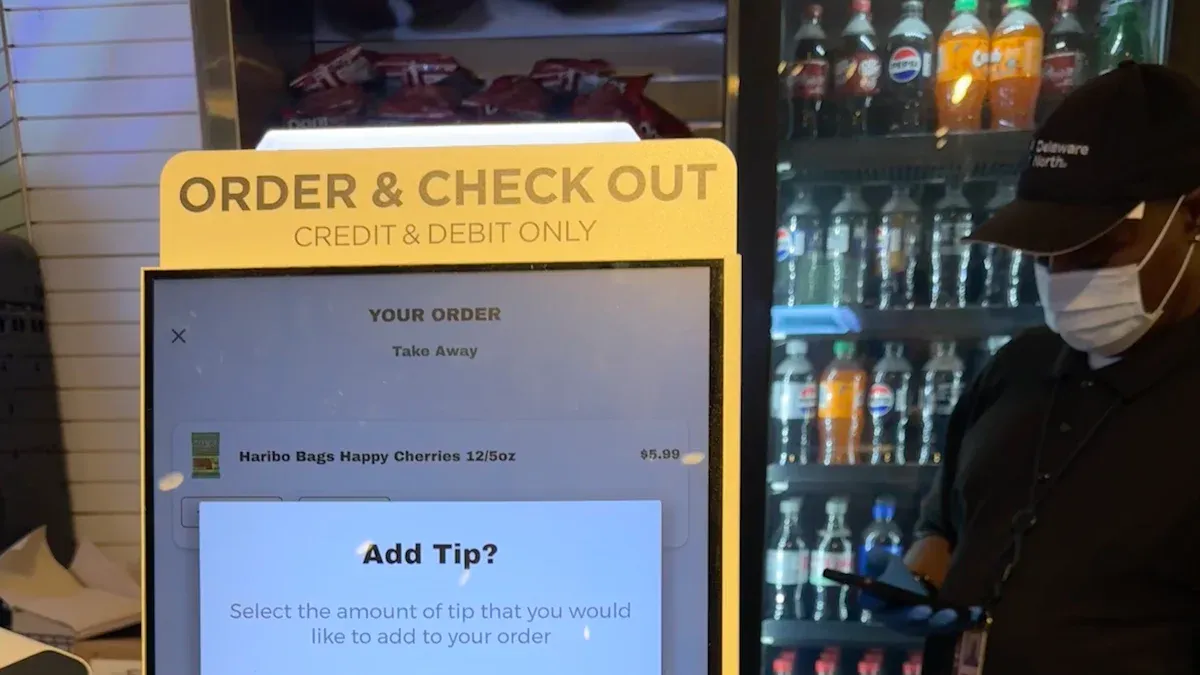
You now see self-checkout and cashierless shopping changing the way you shop in convenience retail. When you use self-checkout kiosks or mobile scan-pay-go apps, you can scan-pay-go and leave the store quickly. These systems use ai to track your purchases and charge you automatically. You do not have to wait in line or interact with a cashier. Stores like FamilyMart in Japan use ai-powered retail tools for demand planning and cashierless checkout.
Self-checkout and cashierless systems lower labor costs and let employees focus on stocking shelves or helping you find products.
You spend less time waiting, and the store runs more smoothly.
Scan-pay-go technology makes your shopping experience faster and more convenient.
Tip: Try using scan-pay-go next time you visit a store. You will notice how much time you save.
Smart Shelves & Inventory Tech
Smart shelves and inventory tech use ai and in-store intelligence to keep track of products in real time. These systems use sensors and RFID tags to detect when you pick up or move an item. The store always knows what is in stock and what needs restocking.
Real-time monitoring and data analytics remove errors from manual inventory checks.
Local processing gives staff instant, accurate inventory counts.
RFID technology reduces mistakes and helps keep shelves full.
You benefit from better product availability and fewer out-of-stock items. In-store intelligence also helps stores avoid over-ordering, which saves money and reduces waste.
Kitchen Robotics & Food Prep
Some convenience stores now use ai and robotics to prepare food. Kitchen robots can make sandwiches, salads, or even coffee. These machines follow recipes and keep food quality high.
Robots handle repetitive tasks, so staff can focus on customer service.
Ai-powered systems ensure food is fresh and ready when you want it.
Stores can offer more food choices without hiring extra staff.
You get fresh food faster, and the store operates more efficiently. Ai automation in convenience retail leads to better service, lower costs, and a smoother shopping experience.
Personalized Experiences with AI
Hyper-personalized Promotions
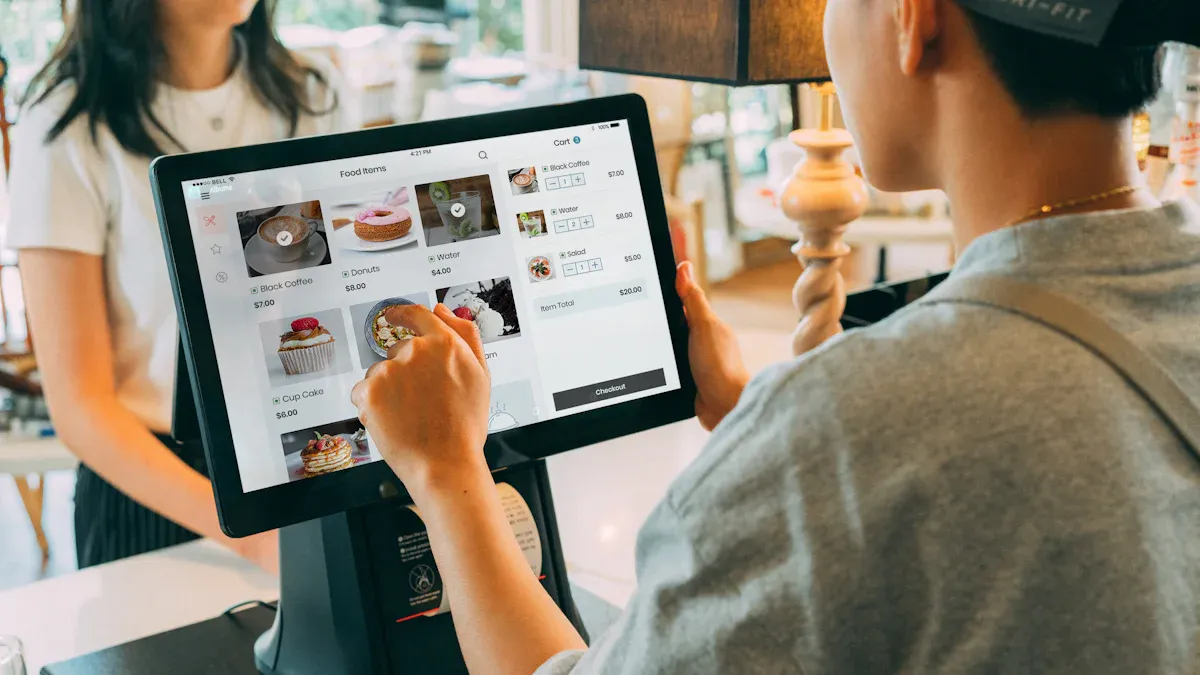
You now see how ai changes the way stores connect with you. Hyper-personalized promotions use data from your shopping habits to send you offers that match your interests. When you walk into a store, you might get a special deal on your favorite snack or a coupon for something you buy often. This approach makes your personalized shopping experience feel unique and rewarding.
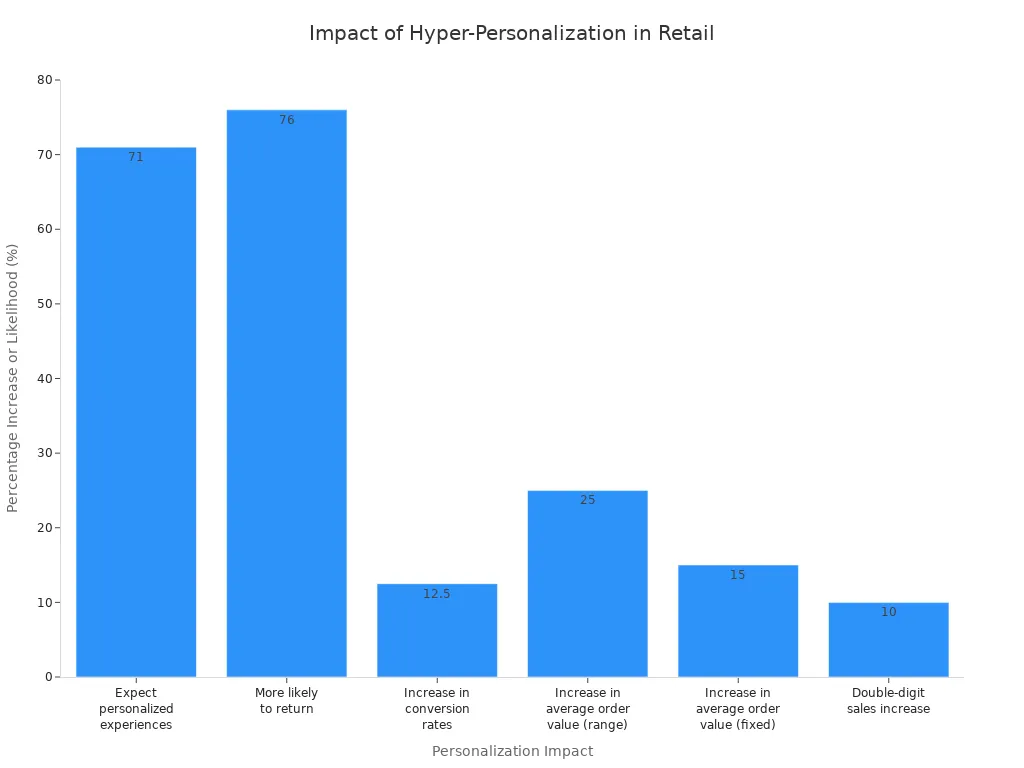
Statistic | Impact |
|---|---|
Expect personalized experiences | |
76% of consumers | More likely to return to a retailer offering personalized experiences |
10-15% increase | Conversion rates from personalized recommendations |
20-30% increase | Average order value from personalized recommendations |
15% increase | Average order values for companies using personalized recommendations |
Double-digit increases | Sales for companies like Sephora and Ulta Beauty using hyper-personalization |
Companies like Sephora and Ulta Beauty use ai-powered retail to create these experiences. They see more sales and happier customers. You can expect more stores in convenience retail to follow this trend.
AI-powered Recommendations
When you shop, ai in grocery stores helps you discover new products. These systems study what you buy and suggest items you might like. You may see suggestions for snacks that go with your drink or healthy bundles based on your past choices. This makes your personalized shopping experience easier and more fun.
Retailers using ai-powered personalized recommendations can see revenue rise by up to 40%.
Product pairing and wellness bundles can boost sales by 35%.
Smart carts suggest items based on your current picks, making shopping more convenient.
You benefit from these personalized recommendations because you find products you love without searching. Stores use ai to predict what you want, making shopping simple and enjoyable.
Loyalty Programs & Digital Assistants
Loyalty programs powered by ai keep you coming back. These programs track your visits and purchases, then reward you with points or special offers. If you stop visiting, ai can spot this and send you a deal to bring you back. For example, Puma used ai to send personalized promotions, which led to a 19% jump in average order value.
Ai-powered chatbots answer your questions any time, day or night.
Predictive analytics help stores understand what you like, so they can serve you better.
Almost two-thirds of shoppers stay loyal when they get a more personalized experience.
"When offers are personalized meaningfully, customers feel seen, understood, and valued — and that emotional connection drives loyalty more than any points system."
Personalization in loyalty programs and digital assistants makes you feel valued. This connection keeps you coming back, making your shopping experience better every time.
Inventory & Demand Forecasting with AI
Predictive Analytics for Stock
You can see how ai changes the way stores manage inventory. With ai-driven analytics, you get more accurate predictions about what products customers will buy. These systems look at past sales, weather, and even local events to forecast demand. A study in the European Journal of Operational Research found that ai-based demand forecasting models reduce errors by up to 30%. This means stores can keep shelves stocked with the right items and avoid running out.
When you visit a store like 7-Eleven, you benefit from ai-driven demand forecasting. These stores use ai to predict what you want, so you find fresh food and fewer empty shelves. Ai in grocery stores helps businesses anticipate demand instead of just reacting. This leads to better inventory optimization and happier customers.
Note: Accurate forecasting helps stores lower waste and improve customer satisfaction.
Automated Reordering
You may not notice it, but ai also helps stores reorder products automatically. When stock runs low, ai-driven systems create purchase orders based on predicted demand. This process saves time and reduces mistakes. Grocery inventory optimization becomes easier because ai checks sales patterns and knows when to restock.
Here are some ways ai supports automated reordering:
Smart replenishment of perishables keeps food fresh and reduces spoilage.
Localized forecasting tailors orders for each store, considering local preferences.
Automated purchase orders streamline the process and help staff focus on serving you.
With ai, convenience retail stores can optimize inventory and keep products available. You get a better shopping experience, and stores run more efficiently.
Dynamic Pricing & E-commerce Growth
Real-time Price Optimization
You see prices change quickly in stores and online. This happens because ai tracks demand and adjusts prices in real time. When you shop at a convenience store, you might notice that some snacks or drinks cost less during slow hours. Ai helps stores set the best price for each product. This keeps customers happy and boosts sales.
Here is a table showing how real-time price optimization with ai affects sales and profit margins:
Impact Type | Percentage Improvement |
|---|---|
Sales Increase | |
Margin Improvement | 1-2% |
Stores use ai to define and enforce the best pricing strategies. They look at how much you want a product and change prices to match. Ai measures the results of these changes and helps stores learn what works best. You get fair prices, and stores stay competitive.
Retailers use customer demand data to set prices.
They measure how price changes affect sales.
Ai models help stores compare real results with their price plans.
AI Insights for Online Grocery
You shop online more than ever before. Ai makes this experience better by learning what you like and showing you products you want. When you buy groceries online, ai studies your choices and suggests new items. This helps you find what you need faster.
AI allows grocery retailers to create personalized loyalty programs that engage customers more effectively, moving away from generic offers to tailored rewards based on individual buying patterns.
Ai also helps stores predict what you will buy next. It looks at past sales, weather, and even social media to guess what people want. This keeps shelves full and reduces waste. You get fresh food, and stores save money.
Application | Description | Benefits |
|---|---|---|
Analyzes sales data, weather, and social media to predict future demand. | Better stock, less waste, happier customers, lower costs |
Ai checks your shopping habits and recommends products.
It creates special prices based on what you like.
You get offers that match your needs.
Online grocery shopping grows fast. Most new online shoppers never visit physical stores. You often buy more online than in person. Shoppers who use both online and in-store options spend even more. Ai helps stores keep up with these changes and makes your experience better every time.
Sustainability & Waste Reduction
AI for Waste Management
You can see how ai helps stores cut down on waste. When you visit a grocery store, ai systems track what sells and what stays on the shelf. These smart tools predict how much food the store needs. This means less food goes bad and more gets sold fresh. You help the planet every time you shop at a store that uses ai for waste management.
Here is a table showing how much stores can reduce spoilage with ai:
Reduction in Spoilage | Description |
|---|---|
Fresh optimization helps retailers reduce spoilage by aligning inventory with demand forecasts. |
Stores use ai to match inventory with what customers want. You find fresher products, and stores throw away less food. Some stores have seen a 14.8% drop in food waste per store. These changes lower costs and shrink the carbon footprint. Ai systems have also helped reduce 26,705 tons of CO2 emissions by improving waste management.
Tip: When you choose stores that use ai, you support efforts to protect the environment.
Energy Efficiency Initiatives
You may not notice it, but ai also makes stores more energy efficient. In convenience retail, ai controls lighting, heating, and cooling to save power. For example, Walmart used ai-powered smart routing for its trucks and cut 100,000 metric tons of CO2 emissions. Tesco used ai to manage its refrigerators and lowered electricity use by 20%. These changes save money and help the planet.
Ai-driven forecasting platforms help stores predict sales and manage inventory, which reduces waste.
ENERGY STAR certified kitchen equipment can save operators about $4,000 each year in utility costs.
Large food retailers can make nearly $60 in sales for every $1 saved on utilities.
You see that ai makes convenience stores greener and more cost-effective. When stores use less energy, they spend less and help the environment. Ai helps you shop in a way that supports a cleaner future.
Security & Loss Prevention with AI
AI Surveillance
You see stores using ai to keep products and people safe. Modern ai surveillance systems watch for theft and other suspicious actions in real time. These systems send alerts to staff before a problem happens. You help reduce shoplifting and larceny when you shop in stores that use these tools.
Shoplifting rates dropped from 45 to 40 offenses per 100,000 people between 2019 and 2023.
Larceny rates fell by about 10% since 2019.
Retail shrink has stayed between 1.3% and 1.6% of sales since 2015.
Ai uses machine learning to spot patterns that humans might miss. Smart sensors track inventory and send instant alerts if something goes missing. When stores invest in ai for loss prevention, they often see big returns. Some businesses report over 3,000% ROI after using these systems.
Note: Real-time ai surveillance helps staff act fast, keeping your shopping experience safe and smooth.
Fraud Detection
You also benefit from ai-powered fraud detection every time you pay at the register. These tools use real-time monitoring and predictive analytics to spot fake transactions. Ai looks at past data and how you interact with the system. It checks things like typing speed and how you move through the checkout. This helps the store tell the difference between real customers and fraudsters.
Ai systems can flag risky transactions for review. This means you get a safer shopping trip, and stores lose less money to fraud. With ai, convenience stores protect both their business and your personal information.
Future of AI in Grocery Stores
Consumer Comfort & Adoption
You will see the future of ai in grocery stores shaped by how comfortable you feel using new technology. Many shoppers now trust ai tools to help them shop. Over the next five years, almost half of all consumers expect to feel even more at ease with ai-powered retail. Millennials lead this change. More than 60% of them plan to order groceries online, and almost half want to use smart devices for automated reordering.
You will likely interact with ai agents that guide you through shopping.
By 2030, ai will support every step of your grocery journey, from finding products to getting help after your purchase.
You will notice a smooth experience as ai becomes part of both urban and small-format grocery stores.
This transformation means you will enjoy more convenience and less stress while shopping. As ai in grocery stores grows, you will see it in every part of your visit.
Innovation & Competitive Edge
Retailers must keep innovating to stay ahead in the dynamic grocery industry. The transformation brought by ai gives stores a strong advantage. You will notice faster checkouts, better prices, and fewer empty shelves. The table below shows how ai helps stores compete:
Area | How AI Drives Transformation |
|---|---|
AI in Checkout | Shorter wait times with automated systems |
Dynamic Pricing | Real-time price changes to match demand |
Inventory Management | Less waste and better stock through smart tracking |
You will see ai-powered retail create more personalized experiences. Automated checkouts make your trips quicker. Dynamic pricing attracts you with better deals. Smart inventory systems keep your favorite products in stock. Urban stores and convenience retail use these tools to meet evolving consumer demands.
The old way of running stores for suppliers is changing. Now, stores focus on you and your needs, using digital transformations to keep up.
Industry experts believe the most promising applications include hyper-personalization, intelligent inventory management, and frictionless checkout. These changes will drive the transformation of small-format grocery stores and help them thrive in urban areas. You will benefit from a shopping experience that feels made just for you.
You will see ai transform convenience retail and small-format grocery stores in many ways. The table below shows how these changes help you and store owners:
Description | |
|---|---|
Labor Efficiency | Stores run smoothly, even with fewer workers. |
Enhanced Customer Experience | Self-service tools make shopping faster and easier. |
Real-time Inventory Management | Shelves stay stocked, and waste goes down. |
Automated Labor Management | Staff schedules improve, and workers feel happier. |
Cost Savings and Profitability | Stores save money and grow profits. |
You will notice that ai shapes over half of all purchase decisions in the U.S.
Better inventory management keeps your favorite items available.
Personalization makes your shopping experience unique.
You should encourage store owners to invest in new technology and keep improving. These trends will shape the future of convenience and help stores stay strong for years to come.
FAQ
What is AI-powered retail?
AI-powered retail uses artificial intelligence to help stores run better. You see AI in self-checkout, smart shelves, and personalized offers. These tools make shopping faster and more personal.
How does AI help reduce food waste?
AI tracks what sells and predicts what you will buy. Stores use this data to order the right amount of food. You find fresher products, and stores throw away less.
Are AI-powered stores safe for my data?
Most stores use strong security to protect your information. You can ask how your data gets used. AI systems follow privacy rules to keep your details safe.
Will AI replace store workers?
AI handles simple tasks like checkout or inventory. You still see workers helping you and answering questions. AI lets staff focus on service and keeps your experience friendly.
See Also
The Future of Retail Lies in AI-Driven Stores
Understanding the Growth of AI-Enhanced Convenience Stores
Comparing Micromarkets and Smart Stores in Global Retail
Exploring AI-Enhanced Vending Machines for Today's Retail Needs
