Reducing labor dependency in Universities & campus retail with AI-powered stores

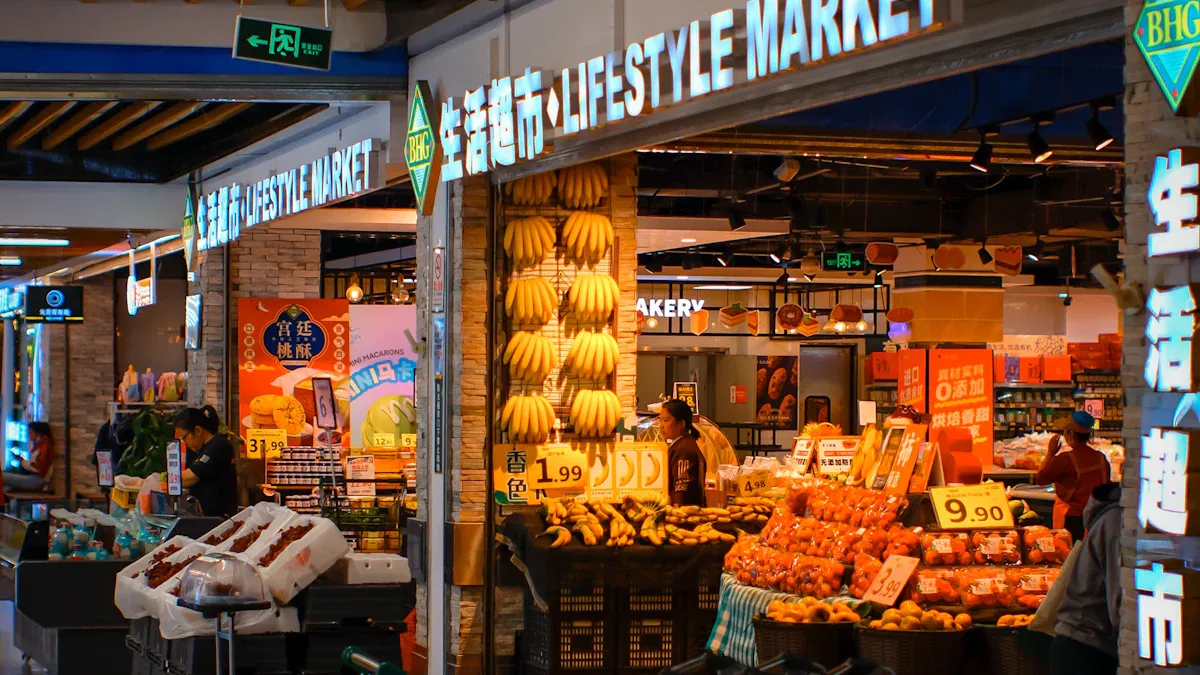
You can see how ai-powered stores change campus retail by using smart systems to cut down on labor needs. Many retailers have seen labor costs drop by up to 15% after using ai for scheduling and workforce tools. These stores stay open 24/7, so you get groceries and supplies any time, even late at night. Ai also gives you quick checkouts and helpful recommendations. When you use these stores, you may notice both new conveniences and questions about privacy.
Key Takeaways
AI-powered stores reduce labor costs by automating tasks like checkout and inventory management, saving campuses money.
These stores operate 24/7, providing students with convenient access to groceries and supplies at any time.
Automation allows staff to focus on higher-value tasks, improving job satisfaction and enhancing the overall shopping experience.
AI-driven personalization tailors shopping experiences, offering recommendations that match student preferences and needs.
Implementing AI in retail requires careful planning and stakeholder engagement to ensure smooth integration and user comfort.
AI-Powered Stores and Labor Optimization
Automating Retail Operations
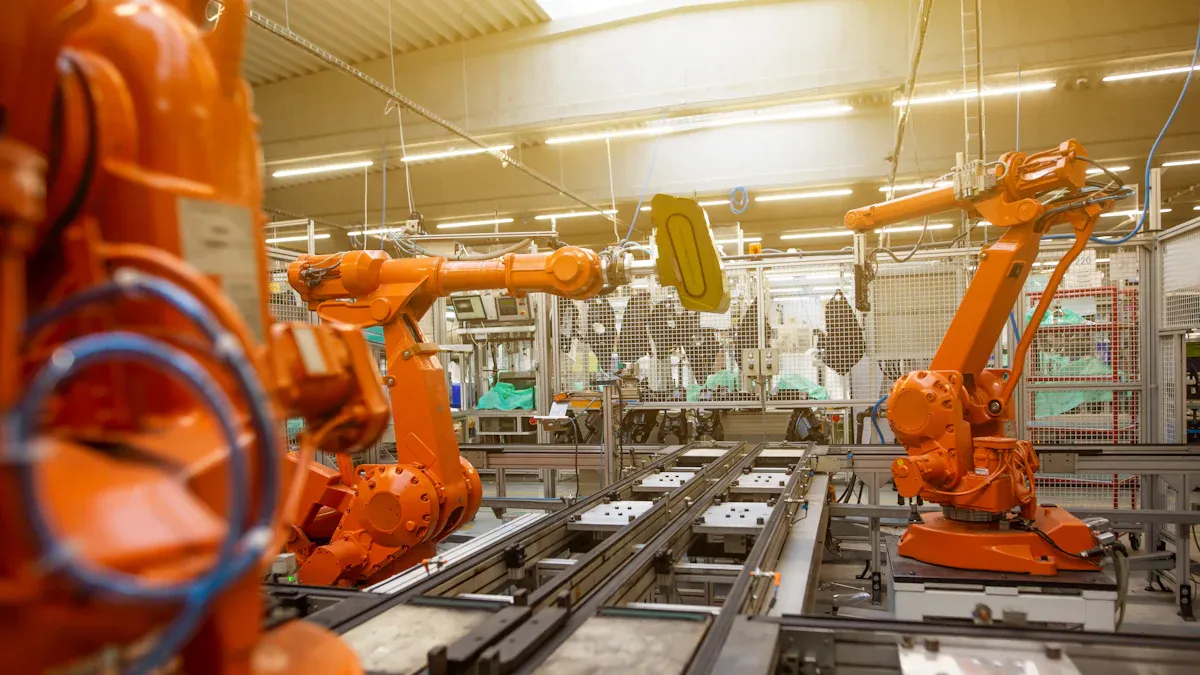
You can see how ai-powered stores change the way campus retail works. These stores use ai to automate many tasks that once needed people. When you walk into an autonomous store, you do not need to wait in line for checkout. Just Walk Out systems use sensors, cameras, and machine learning to track what you pick up. You take what you need, and the system adds it to your virtual cart. Payment happens automatically when you leave. This process lets you shop faster and helps staff focus on other important jobs.
Here is a table that shows how Just Walk Out technology works in campus retail:
Evidence Description | Source Link |
|---|---|
Just Walk Out technology automates shopping and payment processes, reducing staff involvement in checkout tasks. | |
It uses advanced AI, sensors, and machine learning to detect items taken and automate payment. | |
The system tracks shopper interactions with products, adding items to a virtual cart without needing personal knowledge. | |
At peak hours, it allows employees to focus on higher-value tasks, reducing operating costs. |
You will notice that ai in retail brings more than just faster checkouts. Automation helps you get what you need quickly and lets staff spend time on tasks that improve your experience. Autonomous stores use ai to keep shelves stocked, track inventory, and even suggest products you might like. This level of automation leads to better labor optimization and efficient store operations.
Flexible Store Hours with AI
Ai-powered stores give you access to shopping any time you want. You do not have to worry about store hours or finding staff late at night. Autonomous stores use ai to keep running even when people are not working. This means you can buy snacks, books, or supplies during weekends or overnight.
Ai-powered stores provide a continuous retail experience, reducing the need for overnight or weekend staff.
Traditional staffing can be unreliable or unavailable during peak demand times.
Ai solutions help manage spikes in demand effectively, addressing issues like long queues and fixed checkout bottlenecks.
You benefit from this flexibility because ai in retail makes sure the store is always ready for you. Automation helps the store handle busy times without long waits. Autonomous stores use ai to predict when more people will shop and adjust operations to meet demand. This approach supports the future of retail labor by making shopping easier and more reliable.
Reducing Labor Costs
You can see big changes in labor costs when universities use ai-powered stores. Automation takes over many tasks that used to need people. The McKinsey Report shows that generative ai could automate 60-70% of employee time in retail. This means you can expect a large reduction in labor costs and more money saved for your campus.
The McKinsey Report indicates that generative ai could automate work activities, absorbing 60-70% of employee time, which suggests potential labor cost reductions in sectors like retail.
Universities look at both the money saved and the benefits for staff and students. When you use ai in retail, you help staff avoid boring, repetitive jobs. This leads to better job satisfaction and less burnout. Ai-powered stores also improve student experiences by making shopping faster and easier. You see the results in both financial savings and happier people on campus.
Ai in retail helps you optimize labor costs and streamline operations. Automation supports operational efficiency and brings new operational efficiencies to campus stores. Autonomous stores show you the future of retail labor, where ai and automation work together to create better shopping for everyone.
Labor Challenges in Campus Retail
Staffing Shortages
You may notice that many campus stores face a labor shortage. It can be hard to find enough workers, especially during busy times or late hours. AI-powered stores help you solve this problem by reducing the need for cashiers and other staff. These stores use smart systems to manage stock and alert staff when shelves need restocking. You can see how this approach saves money and makes operations smoother.
Evidence Type | Description |
|---|---|
Reduced Labor Costs | Stores require fewer employees for stock management, leading to cost savings. |
Enhanced Operational Efficiency | Staff receive alerts for restocking, ensuring shelves are well-stocked. |
Lower Staffing Needs | Autonomous stores eliminate the need for cashiers, reducing staffing requirements. |
This table shows how AI-powered stores help you address labor challenges and keep your campus store running well.
Fluctuating Demand
You know that student shopping habits change throughout the year. During exams or special events, demand can spike. At other times, the store may be quiet. AI helps you handle these changes by analyzing customer data and sales patterns. This technology keeps popular items in stock and prevents shortages. Retailers like Target use AI to predict what students will buy and when. This helps you avoid empty shelves and long waits during busy periods. AI also helps you understand what students want, so you can adjust inventory and supply chains quickly.
Impact on Service Quality
You want a fast and easy shopping experience. AI-powered stores improve service quality for you and your friends. Smart retail technologies make shopping faster and reduce wait times. IoT tools let you see what products are available in real time. Personalized offers and promotions make your shopping more fun and engaging.
Evidence Description | Impact on Service Quality |
|---|---|
Smart retail technologies streamline operations and reduce wait times. | This leads to a more efficient shopping experience for students and staff. |
IoT enables faster transactions and real-time visibility of products. | Enhances convenience and personalization in shopping experiences. |
Personalized promotions and context-aware offers improve engagement. | Tailors the shopping experience to individual preferences, increasing satisfaction. |
AI-powered stores help you get what you need quickly and make your campus shopping experience better.
AI in Retail: Key Technologies
Automated Checkout
You can experience a new way to shop with automated checkout in campus retail. This technology uses computer vision-powered kiosks that let you skip barcode scanning. You place your items on the kiosk, and the system identifies them in seconds. Multi-angle cameras and object recognition AI work together to match products to their SKUs. Edge computing helps process information quickly, so you do not have to wait. You get seamless payment and loyalty rewards without extra steps. Mashgin’s AI can even learn new items instantly, making the process fast and accurate. Most students finish checkout in about five seconds. This cashierless checkout system makes shopping easier and more efficient for you.
Computer vision identifies items without barcodes.
Cameras capture images from different angles for accuracy.
The system recognizes sticker-less and overlapping goods.
You get loyalty points and pay in one step.
Inventory Management with AI
You see how ai in retail changes inventory management. AI-powered inventory management automates routine tasks and reduces manual labor. Real-time data and predictive algorithms track what is on the shelves. Machine learning follows sales trends and outside factors, updating inventory counts and placing orders automatically. This means you do not need to check stock by hand. AI in retail also reduces human errors, so you get the right products when you need them. Staff can focus on important jobs instead of repetitive tasks. Automation helps you save time and money while keeping shelves full.
AI in retail uses real-time data for inventory management.
Automation updates inventory and triggers orders.
Machine learning tracks sales and predicts needs.
Staff spend less time on manual checks.
You get better order fulfillment and fewer mistakes.
Smart Shelves and Analytics
Smart shelves and analytics help you optimize labor and improve retail operations. AI in retail uses smart shelves to track products and alert staff when restocking is needed. This technology reduces overstaffing by 5-10%, saving money for your campus store. Accurate labor forecasting means you have the right number of people for each shift. Retailers can save up to $500,000 each year with better labor allocation. Smart shelves also group products for easy restocking, reaching 98% on-time shelf replenishment. Analytics give you insights for optimization and help you plan better.
Evidence Type | Description | Impact |
|---|---|---|
Labor Cost Reduction | Streamlined shelf replenishment | 5-10% less labor for restocking |
Operational Efficiency | Grouped products for one-touch replenishing | 98% on-time shelf replenishment |
Financial Savings | Optimized labor allocation | $250,000-$500,000 saved per year |
You see how ai-powered search and analytics in retail make your campus store smarter and more efficient.
Personalization and Student Experience

AI-Driven Customer Assistance
You want a shopping trip that feels easy and helpful. AI-driven personalization makes this possible in campus stores. Smart systems use data to learn your habits and preferences. You get recommendations that match your needs. This approach improves the customer experience every time you visit.
Analytics help stores understand what you like and need.
Personalized communication lets you get messages and offers that matter to you.
AI keeps shelves stocked with your favorite items, so you find what you want.
You notice that ai-driven personalization helps staff focus on making your customer experience better. You feel seen and valued as a shopper.
Tailored Shopping Experiences
Personalization shapes your customer experience in campus retail. Stores use ai to create hyper-personalized experiences for you and your friends. You see suggestions that fit your style and interests. This makes shopping more fun and meaningful.
Evidence Description | Impact on Student Satisfaction |
|---|---|
AI-powered algorithms tailor recommendations based on unique preferences | Enhances shopping experience and fosters deeper connections with brands |
Machine learning analyzes data to identify patterns | Enables targeted and efficient shopping journeys, driving satisfaction and loyalty |
74% of students want personalized communication and outreach.
35% of campus leaders see personalized marketing as a top opportunity for ai.
You enjoy a customer experience that feels unique. Hyper-personalized experiences help you connect with your campus store and make you want to return.
Faster Order Turnaround
You expect quick service when you shop. AI-powered stores use smart tools to speed up your customer experience. Warehouse automation and predictive analytics help fill orders faster. Real-time data analysis keeps stock levels just right.
Mechanism | Impact on Order Turnaround |
|---|---|
Warehouse Automation | Reduces picking errors and accelerates fulfillment. |
Predictive Analytics | Optimizes stock levels and replenishment schedules. |
AI-Powered Robots | Boosts productivity by 70% in smart warehouses. |
Delivery Route Optimization | Reduces logistics costs by 30% and delivery errors by 40%. |
Real-Time Data Analysis | Ensures optimal stock levels and minimizes stockouts. |
You get your items quickly and with fewer mistakes. This level of personalization makes your customer experience smooth and reliable.
Real-World Campus Examples
University Bookstores Using AI
You can see how university bookstores use AI to improve your shopping experience. Many campus bookstores now use automated checkout systems. You scan your items, and the system recognizes each book or supply. This process makes checkout faster and reduces long lines. Some bookstores use AI to track which textbooks students buy most often. The system helps staff keep popular books in stock. You get the books you need without waiting for restocks. AI also helps bookstores suggest study guides or supplies based on your past purchases. This makes your shopping more personal and helpful. You notice that these changes make the bookstore a better place for students and staff. The use of AI in retail settings like bookstores shows how technology can solve common problems on campus.
Convenience Stores with Automation
You find that campus convenience stores benefit from automation in many ways. These stores use AI-powered systems to run without cashiers. Staff can focus on other important jobs around campus. You see that centralized management lets one person monitor inventory, change prices, and track sales from a single dashboard. This makes retail operations smoother and more efficient. Automated inventory tracking helps stores know when to reorder snacks or drinks. You always find what you need on the shelves. Stores use remote diagnostics and maintenance alerts to fix problems quickly. You get reliable service every time you visit.
Here is a table that shows how automation improves campus convenience stores:
Benefit | Description |
|---|---|
Zero Cashier Labor | Eliminates the need for staff, allowing them to focus on more complex tasks on campus. |
Centralized Management | Enables monitoring of inventory, pricing adjustments, and sales tracking from a single dashboard. |
Automated Inventory Tracking | Streamlines the process of managing stock levels and reordering supplies efficiently. |
You see that retail automation brings many benefits to your campus. Stores stay open longer, and you get better service. These examples show how AI-powered retail solutions help universities save money and improve student life.
Benefits of AI-Powered Campus Retail
Cost Savings
You can see big cost-saving opportunities when your campus uses ai in retail. Automation reduces the need for labor in many areas. You do not need as many cashiers or stockers. This change lowers labor costs and helps your campus store save money. When you use ai in retail, you also cut down on mistakes that cost money. Fewer errors mean less waste and better use of resources. Your campus can use these savings to improve other services for students.
Efficiency Gains
You notice that ai in retail makes your campus store run better every day. Smart systems help you get what you need faster. Here are some ways ai in retail boosts efficiency:
AI algorithms look at video footage to help staff work smarter and improve how they help you.
AI in retail manages inventory by picking the best times and amounts to reorder, so you do not see empty shelves.
Real-time analytics show what sells best and how shoppers move in the store. This helps your campus put products in the right places.
You spend less time waiting and more time finding what you want. Staff can focus on helping you instead of doing boring tasks. Your campus store becomes a place where everything works smoothly.
Enhanced Student Satisfaction
You want a shopping experience that feels easy and personal. Ai in retail gives you that. Stores use smart tools to learn what you like. You get suggestions for products that fit your needs. Fast checkouts and full shelves make your visits better. When ai in retail handles routine jobs, staff have more time to answer your questions. You feel valued and understood. Your campus store becomes a place you enjoy visiting. Ai in retail helps your campus create a better experience for everyone.
Tip: When your campus invests in ai in retail, you see improvements in cost, efficiency, and satisfaction. These changes make your campus store a better place for students and staff.
Challenges and Considerations
Integration with Existing Systems
You may face challenges when you add new technology to your campus store. Many retail systems use older software for sales, inventory, and payments. You need to make sure that new automation tools work well with these systems. If you do not plan carefully, you might see errors or slowdowns. You should work with your IT team to test new tools before using them. This helps you avoid problems and keeps your store running smoothly. A good plan lets you connect ai with your current retail setup without losing important data.
Privacy and Security
You want your personal information to stay safe when you shop. Retail stores that use ai collect data to improve your experience. This data can include what you buy, when you shop, and how you move in the store. You should know how your campus protects this information. Stores must follow privacy laws and use strong security tools. You can ask how your data is stored and who can see it. Good security helps you trust your campus store and enjoy new technology without worry.
Privacy Concern | What You Can Do | How Retail Responds |
|---|---|---|
Data Collection | Ask about data policies | Use secure storage and encryption |
Camera Surveillance | Look for posted notices | Limit access to video footage |
Personal Information | Request data deletion if needed | Follow privacy laws and guidelines |
Note: You should always check privacy policies before using new retail technology.
Balancing Automation and Human Roles
You see that ai and retail jobs can work together. Automation helps with tasks like scheduling, inventory, and applicant screening. This gives managers more time to help customers and plan for the future. Not every job should be automated. You need people for tasks that require empathy, like helping students or sharing your campus story. Retailers set clear rules for what ai does and what people do. This teamwork makes your store more efficient and friendly.
Use ai for repetitive tasks such as inventory and scheduling.
Let staff focus on customer service and creative work.
Combine digital tools with a human touch for the best results.
You help your campus store stay strong by balancing labor and automation. This approach keeps your retail space competitive and welcoming.
Best Practices for AI Adoption
Assessing Readiness
You should start by checking if your campus is ready for new technology. Look at your current systems and see if they can support ai. Review your store’s hardware and software. Make sure your internet connection is strong and reliable. Talk with your IT team to find out if you need upgrades. You can use workforce management tools to see where automation will help the most. This step helps you avoid problems later.
Choosing AI Solutions
You need to pick the right tools for your campus store. Look for ai-powered systems that fit your needs. Some stores use ai-driven scheduling to manage shifts and keep the store running smoothly. Choose solutions that work well with your current setup. Ask vendors for demos so you can see how the technology works. Make sure the system is easy for students and staff to use. A good choice will save time and money.
Stakeholder Engagement
You should involve everyone who uses or works in the store. Ask students, staff, and managers for their ideas. Hold meetings to explain how the new system works. Give training sessions so everyone feels comfortable. When you listen to feedback, you build trust and make the change easier. Education and guidance help shoppers adapt, as seen in the advice from leaders in the industry.
Tip: Clear communication helps everyone feel included and ready for change.
Measuring Success
You can measure success in many ways. Look at how happy students are with the new shopping experience. The University of San Diego’s Smart Market shows that autonomous technology can boost satisfaction. Check if the dedicated app makes shopping faster and easier. Track how quickly people pay and leave the store. Watch for fewer mistakes and better stock levels. You can also see how well users adapt to the new system. These steps help you know if your ai project works well.
Customer satisfaction scores
Speed of checkout and payment
User adaptation and feedback
Inventory accuracy
You see how ai-powered stores help your campus reach new levels of labor optimization. These stores use ai to cut labor costs and solve labor shortages. You get faster service and better shopping. Labor optimization also means staff can focus on helping you. Remember to balance automation with privacy and a positive student experience. Plan for ai-powered stores with clear goals and keep improving your campus retail.
FAQ
What is an AI-powered store?
You shop in a store that uses smart technology. Cameras, sensors, and software track what you pick up. You pay automatically when you leave. You do not need to wait in line or scan items.
How does AI help reduce labor costs?
AI takes over tasks like checkout, inventory, and restocking. You see fewer staff at registers. Staff can focus on helping you or solving problems. This saves money for your campus.
Is my personal data safe in these stores?
Your campus uses strong security tools to protect your data. Stores follow privacy laws and limit who can see your information. You can ask about data policies before you shop.
Can AI-powered stores work during busy times?
Feature | How It Helps During Rush Hours |
|---|---|
Speeds up payment and reduces lines | |
Smart Inventory | Keeps shelves stocked for more shoppers |
Predictive Tools | Adjusts staffing and stock as needed |
You get faster service, even when the store is crowded.
See Also
The Future of Retail Lies in AI-Driven Stores
Transforming Online Retail Management with AI Tools
Essential Insights for Retailers on AI-Driven Corner Stores
Starting an AI-Enhanced Corner Store on a Budget
Modern Retail Benefits from AI-Enhanced Combo Vending Machines
