How AI reduces shrinkage and theft risks in convenience store chains & small-format grocery.

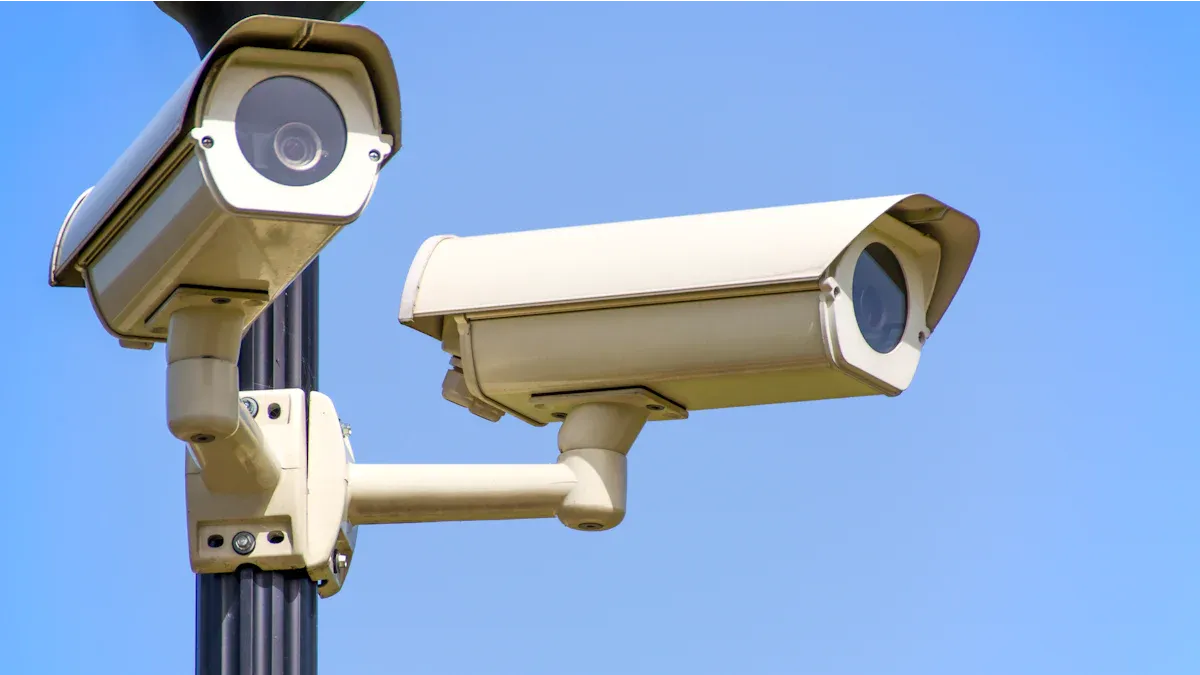
AI reduces shrinkage and theft risks in convenience store chains and small-format grocery by giving you real-time detection and proactive monitoring. Artificial intelligence helps you respond quickly to theft and operational losses. You can use AI-powered systems to spot suspicious behavior and send alerts to your staff. Retail shrinkage is a major concern for convenience retailers. The rate reached 1.6% in 2022, with losses expected to exceed $130 billion in 2024.
Year | Retail Shrinkage Rate | Expected Losses |
|---|---|---|
2021 | 1.4% | |
2022 | 1.6% | |
2024 | Over $130 billion |
AI lets you address both internal and external theft, which make up 29% and 37% of retail theft, respectively. You gain practical tools to protect your grocery business and improve loss prevention.
Key Takeaways
AI enhances theft prevention by providing real-time monitoring and alerts, allowing staff to respond quickly to suspicious behavior.
Understanding the causes of shrinkage, such as internal and external theft, helps you implement effective loss prevention strategies.
Investing in AI-powered surveillance systems can significantly reduce shrinkage and improve operational efficiency in your store.
Training your staff to recognize and respond to theft can lead to a 50% reduction in theft incidents, making your store safer.
Using smart shelves and automated checkout systems can optimize inventory management and enhance customer experience.
Shrinkage and Loss Prevention in Convenience Stores
What Is Shrinkage?
You face shrinkage when your store loses inventory or cash due to theft, fraud, or mistakes. Retail shrinkage affects your profits and can make it harder to run your business. In convenience and small-format grocery stores, shrink happens for many reasons. You might see losses from stolen goods, incorrect refunds, or errors in counting stock. The rate of inventory shrinkage has increased over the years:
Year | |
|---|---|
2021 | 1.4% |
2022 | 1.6% |
2023 | 2.0% |
Main Causes: Internal and External Theft
You need to know the main causes of shrink in your store. Internal theft comes from employees who steal merchandise, cash, or abuse discounts. External theft includes shoplifting incidents and organized retail crime. Shoplifting accounts for about 36% of theft, while internal theft makes up around 25% to 35% of shrink losses. Here are the most common types of shrinkage:
Type of Shrinkage | Description |
|---|---|
Shoplifting | External theft by customers or organized crime, accounting for 36% of theft. |
Employee Theft | Significant losses from employees stealing merchandise, cash, or abusing discounts. |
Return Fraud | Overlooked cause involving returning stolen or used merchandise. |
Administrative Errors | Mistakes like mislabeling or incorrect refunds leading to inventory loss. |
Vendor Fraud | Rare but accounts for about 5% of shrinkage, involving overcharging or stealing inventory by vendors. |
Tip: You can reduce shrink by training your staff and using technology to monitor transactions.
Why Loss Prevention Matters
Loss prevention helps you protect your profits and keep your store running smoothly. When you focus on security and loss prevention, you lower the risk of theft, fraud, and mistakes. You also improve operational efficiency and create a safer environment for your team and customers. Loss prevention strategies reduce retail shrink and help you manage shoplifting, employee theft, and errors. If you run a grocery or small-format grocery store, strong prevention measures can make a big difference in your bottom line.
Evidence Type | Description |
|---|---|
Shrinkage Reduction | Loss prevention strategies reduce shrinkage caused by theft, fraud, operational errors, and waste, directly protecting profits. |
Operational Efficiency | Effective loss prevention measures improve operational efficiency, contributing positively to the bottom line. |
You can build a culture of prevention and security in your convenience store. This approach helps you reduce losses and increase profitability.
How AI Reduces Shrinkage in Retail
AI-Powered Cameras and Video Analytics
You can use ai-powered surveillance systems to watch over your store in real time. These systems do more than just record video. They use artificial intelligence to spot suspicious actions as they happen. For example, computer vision ai can recognize when someone tries to hide items or acts nervously near high-value products. You get real-time monitoring that helps you stop theft before it happens.
Many retailers have seen results after installing ai-powered surveillance systems. Alpha Vision, a leading platform, helped stores cut crime by up to 5% after rollout. When incidents did occur, staff resolved cases 72% faster. The system does not just record; it analyzes shopper behavior and sends real-time alerts to your team. This means you can act quickly if someone tries to steal or if a group forms in a way that suggests shoplifting.
U.S. retailers lost about $112.1 billion in 2022 due to retail shrinkage. External theft, including shoplifting, made up 36% of those losses.
From 2019 to 2023, shoplifting caused a 90% jump in dollar losses and a 93% rise in incident frequency.
Ai-powered surveillance systems help you fight these trends. They turn cameras into active tools for loss prevention, not just passive recorders.
Machine Learning for Shopper Behavior
Artificial intelligence uses machine learning to study how people move and act in your store. Ai-powered surveillance systems can spot patterns that do not match normal shopping behavior. For example, the system can notice if someone loiters, runs, or moves in an odd way. It can also detect when crowds form, which may signal a planned theft or a safety risk.
Here is how ai-powered surveillance systems work to reduce shrink:
They analyze video to find actions that look out of place, like loitering or running.
They watch for crowd formations that go over safe limits.
They spot abnormal movements, such as erratic walking, which may mean someone plans to steal.
Facial recognition can alert you if a known shoplifter enters.
Vehicle and license plate recognition can help stop vehicle-related crimes.
Real-time alerts go to your staff when the system sees risky behavior.
You can also use ai-powered surveillance systems to catch internal theft. These systems detect sweethearting and under-ringing at the register. Sweethearting happens when an employee gives free items to friends or family. Under-ringing means not scanning all items at checkout. Both cause nearly 30% of shrinkage in stores. Ai-powered surveillance systems also flag suspicious refunds, lottery sales, and even unattended fuel pumps.
Real-Time Alerts and Evidence Collection
Ai-powered surveillance systems give you real-time alerts so you can act fast. If someone tries to leave without paying, the system sends a notification to your security team. You get instant messages by text or email if the system spots a known shoplifter or sees items taken from shelves without being scanned. Walmart uses ai to monitor transactions and alert staff if items are missed at checkout. Home Depot uses facial recognition to warn security when a known thief enters.
Real-time alerts help you stop theft as it happens.
Automated theft detection lets you respond before losses grow.
Alarm triggers notify you if someone tries to exit with unpaid goods.
Item recognition alerts you if products leave shelves without being scanned.
Ai-powered surveillance systems also help you collect evidence for investigations. They predict theft patterns using past data, so you can plan better. You can adjust staffing and security based on real-time data to prevent organized retail theft. These systems create a shared database of theft patterns across stores, making it easier to spot crime networks. If theft rises in one location, nearby stores get alerts so they can prepare.
Generative ai can link cases of organized retail crime and create detailed reports for law enforcement. This makes it easier to catch repeat offenders and even bring felony charges when needed.
Note: Ai reduces shrinkage by giving you tools to spot, stop, and investigate theft. You get better loss prevention, safer stores, and more control over retail shrink.
AI-Powered Autonomous Retail Solutions

Smart Shelves and Sensors
You can use ai-powered autonomous retail solutions to transform your store’s inventory management. Smart shelves use RFID tags and IoT connectivity to give you real-time inventory tracking. These shelves detect when items are removed and send alerts for restocking. You get instant updates on product movement, which helps you reduce shrinkage and manage loss prevention. Stores using smart shelf technology have seen sales rise by up to 8%. Shrink has dropped by as much as 88%. The PPS Flex Panel adds another layer of security by using sound to deter shoplifting and alert staff to suspicious activity. Smart shelves with sensors help you monitor stock levels, minimize spoilage, and ensure timely replenishment. This approach supports smart inventory management and inventory optimization.
Smart shelves provide real-time data on inventory and consumer behavior.
You can reduce shoplifting and improve inventory management.
AI-powered sensors enable real-time threat analysis and predictive analytics.
Automated Checkout and Payment Security
Automated checkout systems are a key part of ai-powered autonomous retail. These systems use video ai and computer vision for real-time monitoring. You can spot suspicious behaviors at self-checkout, such as barcode manipulation or mis-scans. The National Retail Federation found that retail shrink exceeded $112 billion, with self-checkout contributing to these losses. Automated systems help you fight shoplifting and employee-assisted fraud by using advanced detection technologies. You get better payment security and fewer errors at checkout. Ai-enabled cctv and smart security systems work together to protect your store and reduce shrinkage.
Automated checkout systems identify suspicious actions and allow immediate intervention.
You can prevent shoplifting and reduce losses from fraud.
Predictive Analytics for Loss Prevention
Artificial intelligence gives you powerful predictive analytics in ai-powered autonomous retail. You can use these tools to forecast potential loss events and improve inventory management. Predictive analytics helps you anticipate stockouts, maintain planogram compliance, and track share of shelf. You can also identify stores at risk of poor promotional execution. Real-time inventory tracking and tracking of shelf space help you act before problems grow. This approach supports loss prevention and keeps your store running smoothly.
Use Case | Description |
|---|---|
Anticipating Stockouts | Predictive analytics forecasts potential stockouts, so you can act quickly. |
Ensuring Planogram Compliance | Helps you keep products displayed as intended. |
Tracking Share of Shelf | Lets you monitor shelf space and respond to competitors. |
Promoting Effective Promotions | Identifies stores at risk of poor execution, enabling targeted action. |
You can rely on ai-powered autonomous retail to improve inventory management, reduce shoplifting, and protect your profits. Artificial intelligence, ai, and real-time monitoring work together to create a safer, more efficient store.
Benefits and Challenges for Convenience Store Chains
Improved Inventory and Efficiency
You can see big improvements in inventory accuracy when you use ai in your convenience store. Most teams notice better results within the first month. The table below shows how much more accurate your inventory can become:
Performance Metric | Traditional Systems | AI-Powered Systems | Improvement Factor |
|---|---|---|---|
Inventory Accuracy | 65–75% accuracy | 4x more accurate |
You also save time and money. Stores report $3,900 in monthly savings per location and $31 million in annual savings across 660 stores. You can save 10 manager hours every two weeks and cut man-hours by $3.4 million each year. Smart inventory management keeps shelves stocked and reduces waste. You help customers find what they want and speed up shopping with checkout-free systems. Personalized shopping experiences and 24/7 access make your store more convenient. You boost efficiency and security, making it easier to fight shoplifting and retail shrinkage.
Implementation Costs and Data Privacy
You face some challenges when you add ai to your store. Advanced systems need a big investment, which can be hard for smaller stores. Integrating ai with old systems takes time and resources. You must also think about data privacy. AI can identify people with very little data, even if you do not collect full personal details. This raises privacy concerns, especially when you gather information without clear consent. Biometric data, like facial recognition, cannot be changed if stolen. Customers worry about how you use their data and about dynamic pricing based on shopping habits. You need to be transparent and protect customer trust to avoid problems with retail shrink.
Human Training and Total Loss Strategies
You must train your staff to use ai tools for loss prevention. Employees learn to spot suspicious behavior and respond quickly to shoplifting. Companies that train their teams see 50% fewer theft incidents. The table below shows how training helps:
Evidence Type | Description |
|---|---|
Loss Prevention Training | Employees learn to identify suspicious behavior. |
Reduction in Theft Incidents | Companies with training see 50% fewer incidents. |
You get the best results when you combine ai with human-focused strategies. Proactive systems reduce crisis situations by 60%. Automation cuts risk assessment time by 80%. Integrated teams work 45% better together, and automated compliance lowers violations by 70%. You must update your protocols to keep up with changing shoplifting patterns and retail shrink. You build a safer, more efficient store by blending technology and human skills.
You can use AI to reduce shrink and protect your convenience store chains and small-format grocery from retail shrink. AI-driven demand forecasting, smart shelf technology, and video analytics improve efficiency and customer experience. The table below shows key benefits:
Technology | Operational Efficiency | Customer Experience |
|---|---|---|
AI-driven demand forecasting | Optimizes inventory, reduces waste | Bestsellers are easily accessible |
Smart shelf technology | Reduces out-of-stock rates by 30% | Ensures products are available |
AI-based video analytics | Cuts shrinkage by up to 35% | Speeds up incident response |
You may face challenges with cost and privacy, but many retailers find the investment pays off quickly. Consider starting with small pilot projects and choosing adaptable solutions. AI helps you stay ahead of theft and loss in grocery retail.
FAQ
How does AI help you spot theft in your store?
AI watches your store with smart cameras. You get alerts when someone acts suspiciously. The system can see if a person hides items or skips scanning at checkout.
Tip: AI sends instant notifications to your staff for quick action.
Can AI reduce employee theft?
You use AI to monitor checkout and staff areas. The system finds patterns like under-ringing or sweethearting. You can review flagged transactions and train your team to prevent future incidents.
AI Feature | Benefit |
|---|---|
Transaction Scan | Finds errors |
Behavior Alerts | Stops theft early |
Is AI hard to set up in a small store?
You can start with basic AI tools like smart cameras or shelf sensors. Many systems work with your current equipment. You get support from vendors to help you install and learn the system.
Does AI protect customer privacy?
You control how much data AI collects. Most systems use video without saving personal details. You can choose settings that keep customer information safe.
Note: Always tell your customers about your security tools.
See Also
Understanding AI-Enhanced Convenience Stores for Modern Retailers
Analyzing Walgreens Self-Checkout: Benefits and Hurdles in Retail
Comparing Micromarkets and Smart Stores in Global Retail Automation
