How AI reduces shrinkage and theft risks in Corporate offices & tech parks.

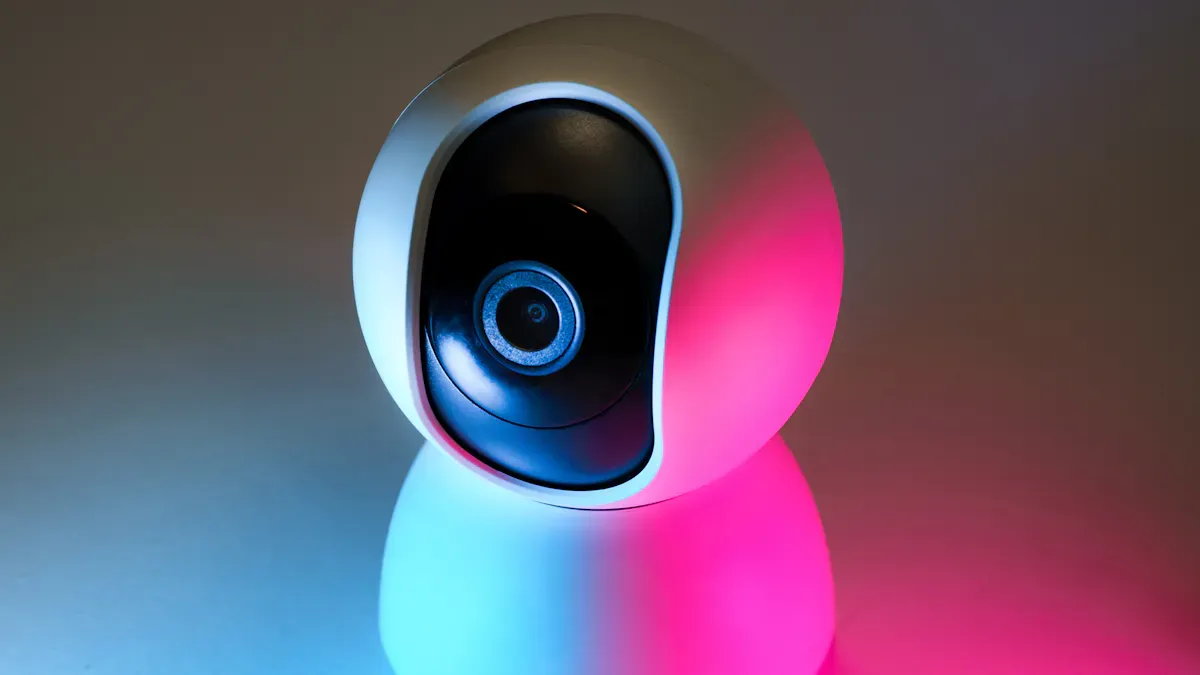
You now operate in an era where artificial intelligence transforms how you protect assets and manage security in corporate offices and tech parks. The pressure to reduce retail shrink and shrinkage costs grows every year. You see a rapid shift as organizations invest in proactive detection tools and surveillance systems that enable proactive loss detection before incidents escalate. The demand for additional security measures has soared as complex threats evolve.
Recent industry reports show a remarkable 35% rise in demand for AI-driven security solutions, with enterprises prioritizing suspicious behaviour detection and automated surveillance.
Evidence Source | Key Findings |
|---|---|
AI in Cybersecurity Market | Global initiatives are accelerating AI adoption in cybersecurity, driven by improved threat detection and automated security operations. |
AI Infrastructure Security Market | A 35% increase in demand for AI-driven security solutions is noted due to the growing complexity of cyber threats. |
AI in Cybersecurity Market Size Report | Enterprises are heavily investing in AI tools for threat detection and risk management to tackle complex cybersecurity challenges. |
AI reduces shrinkage by empowering you to act on real-time insights and respond faster than ever before.
Key Takeaways
AI enhances security by enabling proactive loss prevention, allowing you to detect suspicious behavior before incidents escalate.
Real-time detection systems provide instant alerts, helping you respond quickly to potential theft and ensuring a safer environment.
Identifying high-risk patterns through AI analytics allows for targeted interventions, reducing shrinkage and improving asset management.
Integrating AI technologies like smart video analytics and intelligent access control streamlines operations and boosts overall security effectiveness.
Address privacy concerns by implementing ethical AI practices, ensuring data is collected responsibly and used transparently.
How AI Reduces Shrinkage
Proactive Loss Prevention
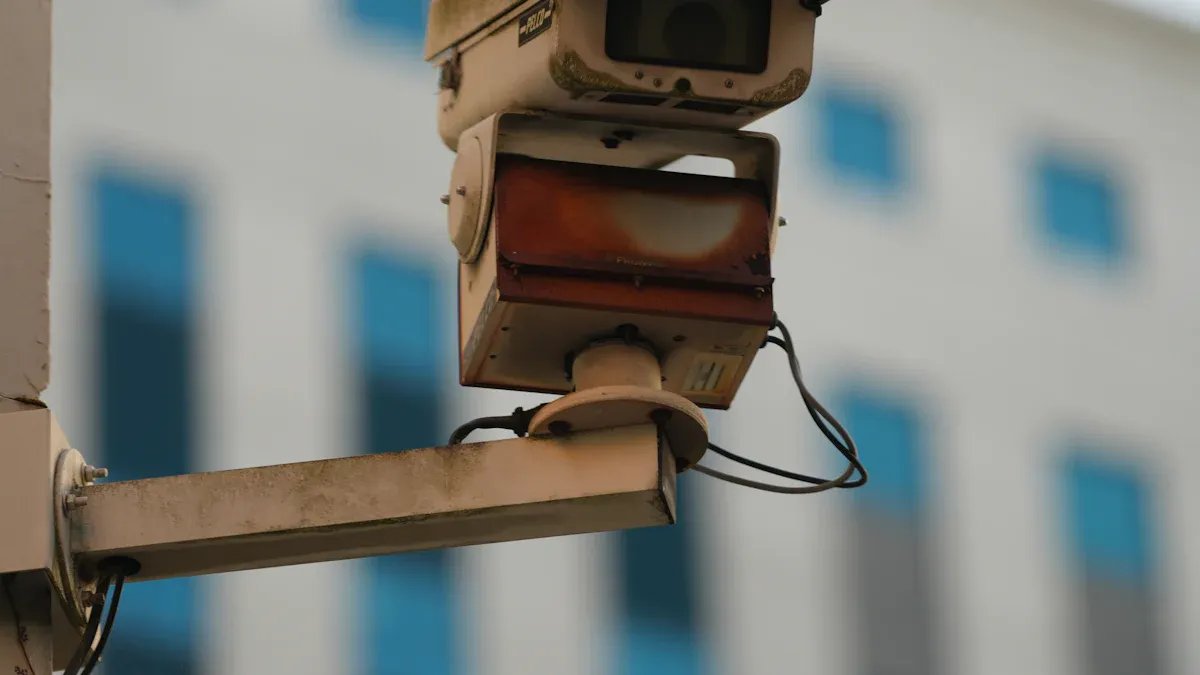
You face constant pressure to protect your assets and reduce losses in corporate offices and tech parks. AI reduces shrinkage by enabling you to act before incidents escalate. AI-powered surveillance uses computer vision to monitor your environment and detect suspicious behaviors. You can deploy smart shelves and RFID systems to track inventory in real time, which helps you spot misplaced items or unauthorized removals instantly. Behavioral analytics allow you to identify unusual patterns among employees or visitors, giving you the chance to intervene early.
Proactive loss prevention strategies powered by AI include:
AI-powered surveillance: Detects suspicious behaviors and improves oversight.
RFID and real-time inventory tracking: Ensures traceability and reduces manual errors.
Strengthening vendor compliance systems: Verifies deliveries and flags irregularities.
Employee training and anonymous reporting tools: Builds accountability and uncovers internal theft.
Predictive modeling and automated reconciliation: Anticipates shrink hotspots and surfaces inconsistencies.
You can see the impact of these strategies in the numbers. AI-driven video analytics have reduced shrinkage by 25-40% in the first year for most retail deployments. For a $50M revenue store, even a 1% reduction in shrinkage means $500,000 in recovered margin. The global cost of shrinkage exceeds $100 billion annually, and organized retail crime remains a major threat. By using ai-driven technologies, you can address these risks head-on.
Evidence Type | Description |
|---|---|
Shrinkage Reduction | Proactive detection and deterrence reduce shrinkage by 25-40% in the first year for most retail deployments. |
Financial Impact | On a $50M revenue store, a 1% shrinkage reduction represents $500,000 in recovered margin. |
Global Cost of Shrinkage | Shrinkage costs retailers over $100 billion annually globally, highlighting the scale of the issue. |
Threat from ORC | Organized Retail Crime (ORC) is a particularly destructive threat due to its coordinated, large-scale nature. |
Real-Time Detection and Alerts
AI reduces shrinkage by giving you the power to respond instantly to threats. Real-time detection and alert systems monitor your premises around the clock. When these systems spot suspicious activity, they send immediate notifications to your security team. This rapid response helps you stop theft before it happens.
You can learn from real-world examples. The Philadelphia Phillies used mobile surveillance units to secure their parking lots. After deploying these systems, theft incidents dropped sharply. The presence of real-time detection not only deterred criminals but also boosted confidence among employees and visitors.
AI-powered surveillance systems use advanced pattern recognition to minimize false positives. They analyze the context of each alert, learning from past incidents and adjusting their logic. This means you receive fewer unnecessary alerts and can focus on genuine threats. AI systems also consolidate related alerts and adjust severity based on confidence levels, saving your team valuable time.
Key benefits of real-time detection and alerts:
Significant reduction in theft incidents after implementation.
Increased safety and confidence for employees and visitors.
Lower false positive rates and improved analyst satisfaction.
Faster triage and response times.
Identifying High-Risk Patterns
AI reduces shrinkage by helping you spot high-risk patterns that might go unnoticed with manual monitoring. AI analyzes large volumes of data from cameras, sensors, and access logs. It identifies trends such as repeated visits to restricted areas, unusual inventory movements, or irregular staff behavior.
You can use these insights to take proactive action. For example, AI can flag when someone tries to bypass security checkpoints or when inventory levels drop unexpectedly. Predictive modeling highlights areas where shrinkage is most likely to occur, allowing you to allocate resources more effectively.
Some of the most effective strategies for proactive intervention using AI include:
Self-checkouts and automated scanning: AI monitors items at kiosks to detect irregularities.
Back-of-house and suspicious behavior detection: AI analyzes staff movements for unusual actions.
In-aisle threat detection: AI identifies suspicious behavior in real time.
Advanced analytics for internal fraud: AI reviews transaction data for fraud patterns.
Entrance and exit monitoring: AI tracks known shoplifters and suspicious behavior.
Data integration: AI combines data from multiple sources to identify loss opportunities.
AI reduces shrinkage by making your security operations smarter and more adaptive. You gain the ability to act on real-time insights, prevent losses, and protect your organization from evolving threats.
AI-Powered Surveillance Solutions

Smart Video Analytics
You can transform your security operations with smart video analytics. This technology uses advanced data to monitor every camera feed and deliver real-time intelligence. You receive instant alerts when the system detects suspicious behavior, theft, or even medical emergencies. Smart video analytics also provide data-driven insights by analyzing crowd patterns and identifying objects like weapons or abandoned bags. You do not need to replace your existing cameras because this technology integrates with your current infrastructure. The table below shows how these capabilities work together for comprehensive monitoring:
Description | |
|---|---|
Real-time threat detection | Monitors 100% of camera feeds for immediate alerts. |
Behavioral analysis | Identifies suspicious activities before they escalate. |
Object recognition | Detects weapons, abandoned items, and unauthorized access. |
Medical emergency detection | Recognizes when a person has fallen. |
Crowd analysis and fight detection | Identifies unusual gatherings or fights. |
Integration with existing security infrastructure | Works with current camera systems without needing a complete overhaul. |
Intelligent Access Control
You can secure your office with intelligent access control powered by AI. This technology uses biometric sensors and behavioral analytics to verify identity and track user behavior. The system adapts access rights in real time based on risk scores and data-driven insights. You benefit from automated audit trails, which help you meet compliance standards and reduce fraud. The technology flags unauthorized attempts before breaches occur and cuts incident response times by up to 90%. You can enforce role-based or attribute-based access, making your security both flexible and robust.
Adaptive policy adjustments based on user risk
Automated audit trails for compliance
Biometric sensors for unique identification
Policy automation for dynamic access
Sensor-Enabled Inventory Management
You can prevent theft and misplacement with sensor-enabled inventory management. This technology uses load cells and RFID for precise inventory tracking and real-time intelligence. You gain data-driven insights into inventory movement, which helps you spot anomalies and potential fraud. The system tracks pallets, bins, and products, ensuring you always know where your assets are. RFID provides a data-driven approach to supply chain visibility, showing exactly when and where items move. This reduces losses and supports proactive intervention.
Load cells for accurate inventory tracking
RFID for supply chain visibility and data integration
You create a seamless security ecosystem by integrating smart video analytics, intelligent access control, and sensor-enabled inventory management. This data-driven approach delivers advanced data, real-time intelligence, and actionable insights to protect your assets and reduce shrinkage.
Benefits of AI in Loss Prevention
Enhanced Asset Protection
You gain stronger asset protection when you use AI-driven loss prevention systems. These solutions monitor your office or tech park in real time and detect threats before they cause damage. AI video analytics cover every camera feed, so you do not miss suspicious activity. You can prevent theft, errors, and shrinkage with automated alerts and instant responses. The US retail industry loses $61.7 billion each year due to shrinkage, which includes theft and mistakes. By adopting AI, you reduce these losses and protect your valuable assets.
Evidence Type | Description |
|---|---|
Annual Cost of Shrinkage | The US retail industry loses $61.7 billion annually due to shrinkage, which includes various forms of theft and errors. |
AI-driven prevention also helps you recover lost revenue. Many organizations see a 25% to 40% reduction in shrinkage within 18 months. You can expect a quick return on investment and improved asset management.
Operational Efficiency
You streamline your operations with AI-powered loss prevention. These systems automate routine tasks, which reduces the workload on your security team. You can optimize resource allocation and place security measures where they matter most. AI-driven analytics give you accurate data on property usage and occupancy. This information helps you plan emergency responses and manage busy times more effectively.
AI automates routine security tasks.
You optimize resource allocation and reduce waste.
Occupancy data improves emergency planning.
Integration with scheduling boosts operational efficiency.
AI video analytics monitor 100% of camera feeds in real time, compared to less than 5% with traditional surveillance. You achieve faster response times and lower staffing needs, which cuts costs and improves your bottom line.
Improved Response Consistency
You benefit from consistent, data-driven responses to security incidents. AI filters out false positives, so your team does not suffer from alert fatigue. Automated incident response ensures that actions happen quickly and accurately every time. Investigation speed increases by up to 61%, and accuracy improves by nearly 29% compared to manual methods.
Metric | AI-Assisted Analysts | Manual Analysts |
|---|---|---|
Investigation Speed | 45% - 61% faster | N/A |
Accuracy | 22% - 29% more | N/A |
Investigation Completeness | 16% decline | 29% decline |
AI maintains 24/7 performance, regardless of staffing levels. You get reliable prevention and security, day and night.
Overcoming Challenges in AI Implementation
Addressing Privacy Concerns
You must address privacy concerns when you implement AI-driven security in your office or tech park. AI surveillance often collects sensitive data, sometimes without consent. This can include personal information, healthcare details, or financial records. If you use this data without permission, you risk privacy violations and regulatory penalties. Unchecked surveillance can also introduce bias and increase the chance of data leakage or exfiltration.
Common privacy risks with AI surveillance include:
Collection of sensitive data
Data gathered without consent
Use of information without permission
Unchecked surveillance and bias
Data exfiltration and leakage
You can build trust by prioritizing ethical AI practices. Make your algorithms explainable and conduct regular audits for bias. Limit data collection to what is lawful and necessary. Set clear data retention timelines. Use cryptography and anonymization to protect information.
System Integration
You may face technical challenges when you integrate AI with your existing security systems. Many companies hesitate to replace their current infrastructure. Upgrading hardware for AI readiness can be expensive. You need a strategic approach to balance AI benefits with your past investments.
Evaluate your current systems for compatibility.
Identify cost-effective upgrades that enhance security.
Plan phased integration to minimize disruption.
Description | |
|---|---|
Integration with legacy systems | Connecting AI to old IT infrastructure can hinder scalability. |
AI implementation costs | High costs and unclear ROI can slow adoption. |
Security, privacy, and compliance issues | Handling sensitive data increases regulatory risks. |
Staff Training and Adaptation
You need your team to adapt to AI-based loss prevention. Human resistance often slows adoption. Employees may fear change or distrust AI outputs. You can overcome this by forming a dedicated loss prevention team that includes both management and staff. Train your team on new technologies and clarify roles.
Use AI to automate routine tasks and reduce false alarms.
Integrate theft prevention tools with existing systems.
Regularly review and adjust your strategies.
Consider outsourcing to experts if needed.
With the right approach, you can ensure a smooth transition and maximize the benefits of AI-driven security.
AI-driven solutions now set the standard for shrinkage and theft prevention in corporate offices and tech parks. You benefit from multi-layered strategies, real-time monitoring, and predictive analytics that help you act before losses occur. To move forward:
Define clear AI objectives and assess your data foundation.
Select technology that fits your needs and build cross-functional teams.
Create ethical frameworks and test rigorously before scaling.
You must balance innovation with privacy by integrating cybersecurity at every stage. This approach ensures proactive, efficient, and consistent security for your organization.
FAQ
What is shrinkage in corporate offices and tech parks?
You experience shrinkage when assets, inventory, or resources disappear due to theft, error, or fraud. Shrink can impact your bottom line and disrupt operations. You need advanced intelligence to detect and prevent shrinkage before it affects your organization.
How does AI intelligence help reduce shrink?
You use intelligence to monitor your environment and analyze patterns. AI-driven systems spot shrink in real time. You receive alerts about suspicious activity. This intelligence lets you act quickly, stopping shrinkage before it escalates.
Can integrated intelligence systems prevent all shrinkage?
You cannot eliminate all shrinkage, but integrated intelligence systems make shrink much less likely. These solutions combine video analytics, access control, and inventory tracking. You gain a unified view, which helps you reduce shrink and respond faster to threats.
What are the main benefits of using intelligence for shrink prevention?
You benefit from intelligence by gaining real-time alerts, automated monitoring, and data-driven insights. These tools help you identify shrink, protect assets, and improve response times. You see fewer losses and better operational efficiency.
How do you start implementing intelligence to address shrinkage?
You start by assessing your current shrink risks. You select intelligence solutions that fit your needs. You train your team and integrate the technology. You monitor results and adjust your strategy to keep shrinkage under control.
See Also
Enhancing Office Efficiency Through Innovative Vending Solutions
The Advantages of AI-Driven Vending Machines in Retail
The Future of Retail Lies in AI-Enhanced Stores
Understanding the Growth of AI-Driven Convenience Stores
Transforming Retail: The Impact of Smart Electronics Vending Machines
