AI retail brings 24 7 shopping to transit stations

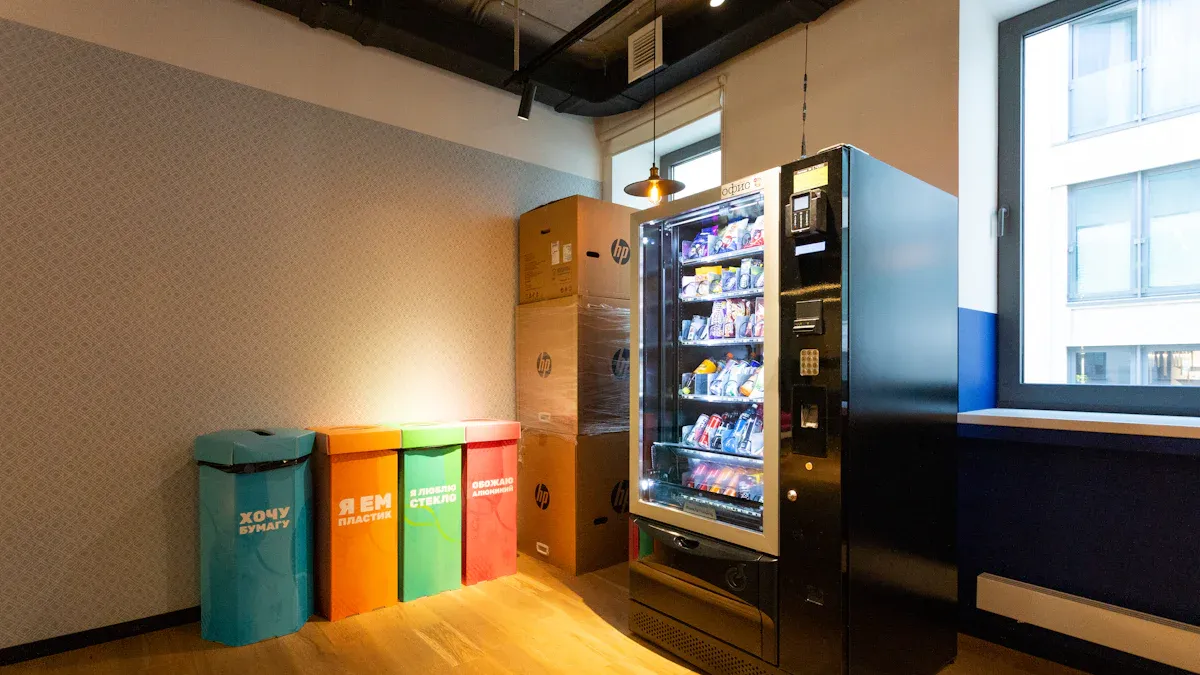
You can now shop at any hour when you pass through busy transit stations, thanks to AI retail. These smart stores work without staff and let you grab what you need quickly. You do not wait in long lines. Many cities use these stores because they open fast and help travelers like you. Station operators also see more sales and smoother service.
Key Takeaways
AI retail stores let you shop at any time. You can shop during the day or at night. This makes travel easier for everyone. Automated systems keep the shelves full. They also help you find things fast. This means you do not have to wait long. Contactless payment options make paying quick and safe. This makes shopping better for you. AI technology helps transit operators track inventory well. This leads to more sales and better service. Your feedback and use of AI retail help improve shopping. It makes shopping in transit stations smarter and safer.
How AI Retail Works

Automated Stores & Kiosks
When you walk in transit stations, you see automated stores and kiosks. These stores use advanced technology so they do not need staff. You can buy snacks, drinks, or travel items any time. Automation tools help the stores run well. Here is a table showing the main automation technologies:
Technology Type | Description |
|---|---|
AI-driven scheduling | Automates shift planning and task assignments based on real-time data. |
Integrated workforce management | Merges labor scheduling with inventory management for dynamic adjustments. |
IoT sensors | Provides real-time tracking of customer movement and inventory status. |
Robotic automation | Handles tasks such as restocking and cleaning autonomously. |
Computer vision | Monitors employee productivity and customer engagement through visual data analysis. |
These stores open fast in busy places like airports and train stations. Operators do not need to hire staff or wait long to set up. You get quick access and reliable service.
AI Inventory & Service
AI retail stores use machine learning to manage inventory and make service better. You find what you need because the system predicts demand and tracks stock. The technology uses different methods to keep shelves full and products fresh. Here is a table that explains these techniques:
Technique | Description |
|---|---|
Predictive Inventory Management | Uses ML algorithms to analyze historical sales and market trends for accurate demand forecasting. |
Computer Vision | Automates inventory monitoring through image processing and pattern recognition to count stock levels accurately. |
Natural Language Processing | Extracts insights from unstructured data like customer feedback to inform inventory decisions. |
IoT Integration | Utilizes RFID tags and sensors for real-time tracking of goods, providing visibility into product conditions. |
Digital Twins | Creates virtual simulations of inventory scenarios to test strategies and optimize warehouse management. |
Automated Reporting | Employs generative AI to generate real-time reports on inventory management efficiency. |
Conversational AI Support | Allows staff to interact with inventory systems using natural language for queries about stock availability. |
Scenario Modelling | Simulates real-world inventory scenarios to optimize stock levels and adapt to external factors. |
You see fewer empty shelves and more choices. The system learns from your shopping habits and changes inventory to fit your needs.
Seamless Payment & Security
You pay for your items fast and easily in AI retail stores. Contactless payment systems make buying things quick and safe. You use NFC cards, QR codes, or digital wallets to pay. Modern payment terminals finish your payment in less than a second. You can use the same payment methods for transit and shopping. This saves time and makes things easier.
Tip: Contactless payments help you spend more comfortably and encourage higher spending. Businesses that accept these payments see a 12-18% increase in transaction values compared to cash-only stores.
AI retail stores protect your information. Security systems watch transactions and keep your data safe. You enjoy shopping without worrying about privacy or payment problems.
Benefits for Transit Stations
Traveler Convenience
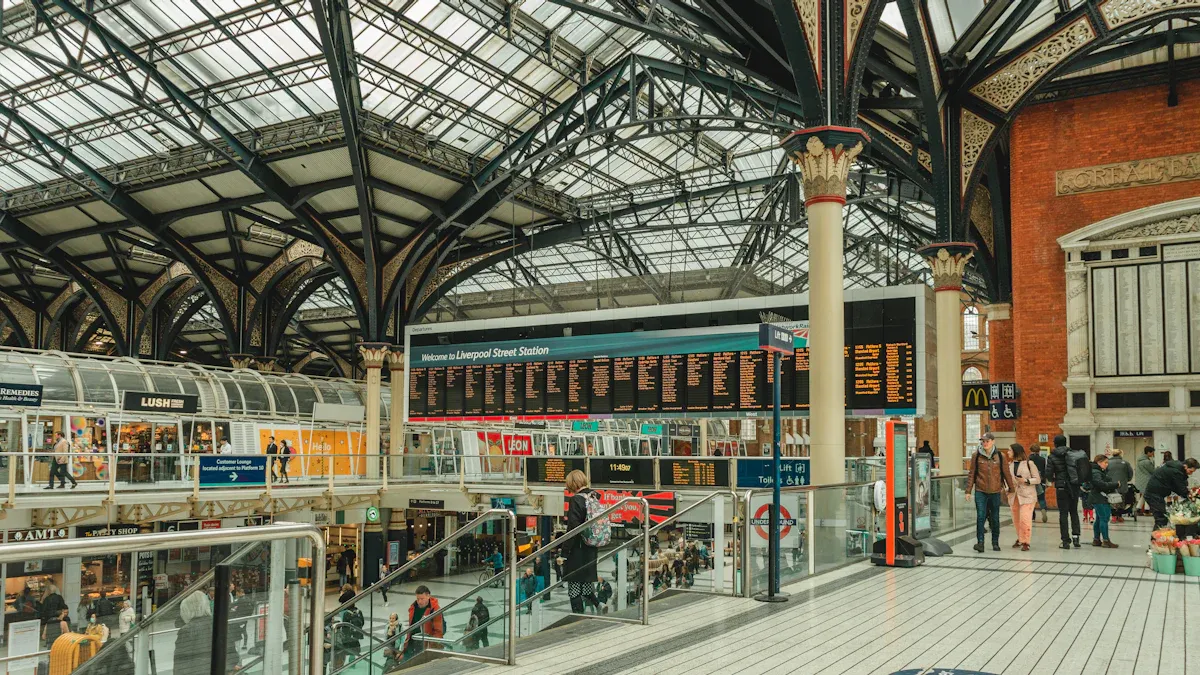
Shopping is easy and quick when you travel. AI retail stores make this happen. You can shop any time, day or night. These stores are open all the time. You never miss snacks, drinks, or travel items. AI keeps shelves full and knows what travelers want. You find things fast because the system predicts your needs. You do not stand in long lines, even when it is busy.
Here is how AI retail makes shopping better:
Statistic | Description |
|---|---|
People said travel suggestions helped them make choices. | |
72% | Users felt AI gave good item ideas for their trips. |
65% | Users liked using AI chatbots for booking and help. |
You get more choices and faster service. AI checks inventory and changes stock for busy times. You check out quickly and feel safe because security systems watch for problems.
Evidence Description | Key Benefit |
|---|---|
AI checks inventory all the time, so shelves stay full. | Travelers always find what they need and do not see empty shelves. |
AI uses transport data to predict demand and change stock. | Shoppers see more of what they want during busy hours. |
AI makes checkout fast, so wait times are short. | Passengers buy things quickly and save time. |
AI keeps stores open all day and night. | Travelers can shop anytime, even late at night. |
AI watches for strange activity to keep stores safe. | Passengers feel safer because security is always working. |
Tip: AI retail helps make your trip easier and more fun.
Operator Efficiency & Revenue
Station operators run their business better with AI retail. These stores need fewer staff, so operators save money. AI guesses how many people will come and what they will buy. This helps operators plan and avoid waste. They restock shelves at the right time and keep popular items ready.
Eurostar used AI to guess and handle delays, making stations work better.
The AI model guessed passenger flow and delays, making trips smoother.
Fewer delays made customers happier and lowered costs.
You see more products and better service because operators use data to make smart choices. AI retail helps stations earn more money by selling items all day and night. Operators do not lose sales when regular stores close.
Enhanced Experience
Travel feels better with AI retail in transit stations. Personalized wayfinding helps you find your way, even in big stations. You feel less stressed because you know where to go and what to buy. Retailers use data to plan staff and stock, so you always find what you need.
Evidence Description | Impact on Customer Experience |
|---|---|
Passengers find their way and feel less stressed. | |
Retailers use footfall data to plan staff and stock. | Service and product choices get better. |
Analytics guess crowding and change operations fast. | Wait times are shorter and transfers are easier. |
AI and computer vision make stations safer. These tools help stop problems and support travelers who need help. You move through crowds more easily and feel safe while shopping.
Your travel experience improves a lot.
Note: AI retail turns transit stations into places where you feel safe, comfortable, and well-served.
Real-World Impact
Global Adoption
AI retail is changing transit stations everywhere. Many cities have smart stores for travelers. These stores are in airports, train stations, and bus terminals. Technology makes shopping easier for you. It also helps operators run stores better.
AI makes travel shopping more enjoyable.
Operators use AI to make quick decisions.
They look at passenger data and sales numbers.
AI fixes inventory problems in travel retail.
Stores change fast when it gets busy or needs shift.
In Germany, kiosks let you buy snacks anytime. In Japan, sensors track what you pick up in stores. In the United States, airports have AI shops that open quickly. These shops serve travelers all day and night. Shopping is easier and safer because of these changes.
Lessons Learned
AI retail works best when stores use data. They predict what travelers want. Operators see fewer empty shelves. Customers are happier. Smart systems help stores respond fast during busy times. Products stay in stock.
Here is a table showing what works well and what is hard:
What Works Well | Challenges Faced |
|---|---|
Real-time inventory tracking | Technical glitches during peak hours |
Fast, contactless payments | Privacy concerns with data collection |
Personalized product suggestions | Adapting to local preferences |
24/7 store access | Maintenance of automated systems |
Stores get better as time goes on. Operators fix problems and listen to feedback. Privacy and security matter more as stores collect data. You benefit from stores that learn and change for you.
Note: Your feedback and use of new technology help shape transit shopping’s future.
Challenges & Future Trends
Technical & Operational Issues
AI retail in transit stations has some problems. Technology can be hard to use. Privacy worries come up often. Passenger data must be handled with care. It is tricky to connect AI to old systems. High costs can stop stations from using new tools. Skilled workers are needed to keep things working well.
Privacy worries mean passenger data must be handled carefully.
Connecting AI to old systems is not easy.
High costs make it tough for some stations to start.
Skilled workers are needed for smooth operation.
Operational problems also make scaling hard. Large datasets are tough to manage. AI models must work well as stations get bigger. Strong systems and resources are needed to support these changes.
Big and complex data makes management harder.
Models must work well as stations grow.
More AI means stronger systems are needed.
Tip: Training and better systems help solve these problems.
Privacy & Security
You need to keep your privacy safe when shopping. AI systems collect sensitive data, sometimes without asking clearly. Facial recognition can lead to watching people without permission. Always watching can cause unfair treatment. Good practices like hiding names and being open help protect your information.
Privacy Concern | Description |
|---|---|
AI systems may gather personal information without clear permission, causing privacy worries. | |
Use of Facial Recognition Technology | This technology can lead to watching people without permission and misuse of personal data. |
Unchecked Surveillance and Bias | Always watching can cause unfair treatment and bias against some groups. |
Ethical AI Practices | Good practices mean hiding names and being open to keep customer privacy safe. |
Keeping data safe is very important. End-to-end encryption protects your information as it moves and is stored. Zero trust systems use strict rules for access. AI finds threats and stops them fast. Following rules and being open builds trust. Checking partners helps keep the retail system safe.
End-to-end encryption keeps your information safe.
Zero trust systems limit who can access data.
AI finds and stops threats quickly.
Following rules and being open builds trust.
Checking partners keeps data safe.
Expansion Potential
AI retail is growing in more transit stations. New technology makes stores smarter and safer. Operators want to use these systems in more places. You will get more choices and faster service. AI helps with safety and makes travel smoother. As stations use AI, your shopping gets better.
Note: You help shape transit shopping by using new tech and sharing your thoughts.
You notice AI retail makes shopping simple when you travel. Stores are open all the time, so you can shop anytime. You get help faster and feel safe in these stores. There are more things to pick from. Many stores use AI to guess what people want and help customers. Soon, you will see even more cool changes, like:
AI navigation shows you the best way to go.
Fast alerts tell you about accidents or delays.
Parking is easier because license plates are recognized.
AI retail keeps getting better and gives you new perks every time you travel.
FAQ
How do you shop in an AI retail store at a transit station?
You walk in, pick up what you want, and pay using a contactless method. You do not need to wait in line. The store uses sensors and cameras to track your purchases.
Is your personal data safe in these stores?
AI retail stores use strong security systems. They protect your payment and personal information with encryption. You can ask about their privacy policy if you have concerns.
What if you need help while shopping?
You can use digital kiosks or chatbots for help. Some stores have video support. You get answers quickly, even when no staff are present.
Can you return items bought from an AI retail store?
Most AI retail stores let you return items. You follow the instructions on the store’s app or kiosk. The process is simple and quick.
See Also
The Emergence of 24-Hour Vending Cafes: Innovation and Ease
How Time Out Corner Shops Are Transforming Urban Convenience
Cloudpick: Revolutionizing Your Store With Cashierless Convenience
Micromarkets And Smart Stores: Global Automated Retail Solutions
