AI-Powered Retail: Success Stories and Adoption Insights

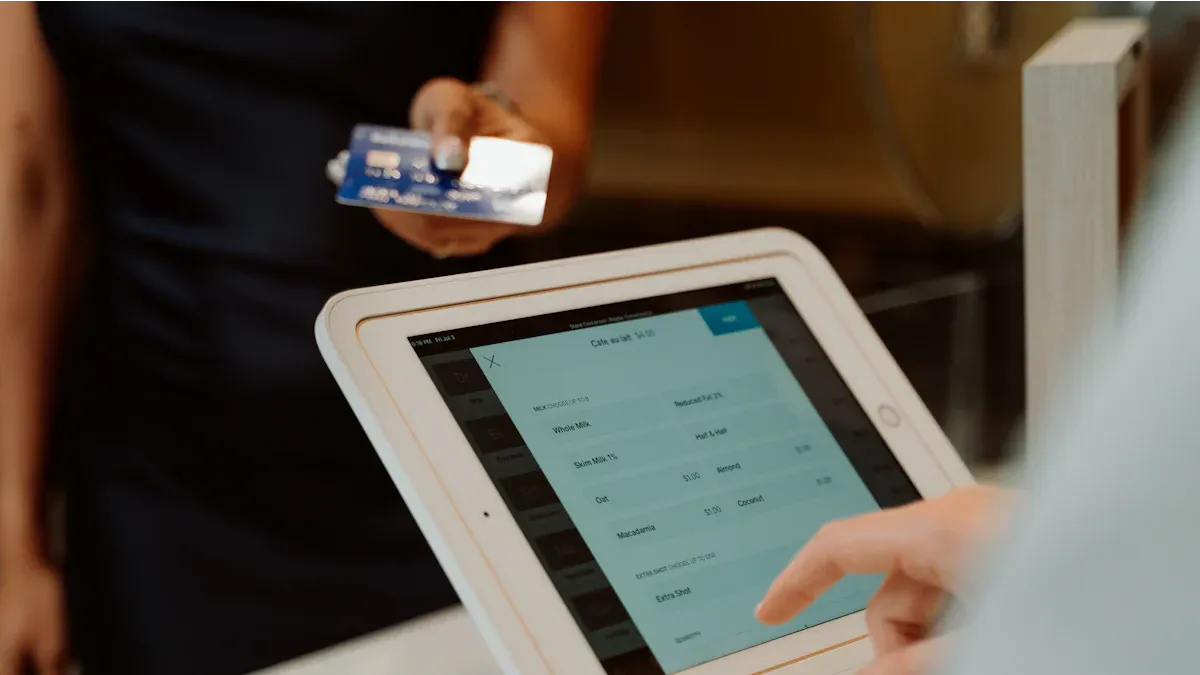
Artificial intelligence enhances the ai retail experience, helping stores perform better than ever before. Retailers are leveraging AI to accelerate their growth. The table below illustrates the current usage of AI in the retail sector:
Statistic | Value | Year |
|---|---|---|
Retail marketers using AI | 2025 | |
Professionals using AI daily | 77% | 2025 |
US retail marketers planning to increase AI investment | 55% | 2025 |
Many shoppers are noticing these advancements in stores.
80% of shoppers are interested in the ai retail experience.
59% believe AI saves time and enhances the shopping experience.
While only 23% fully trust AI, 47% are open to using it to discover deals.
Real-life stories from various stores demonstrate how AI contributes to their success. The ai retail experience continues to evolve, offering new advantages for both retailers and consumers. While stores face challenges, they are also discovering innovative ways to grow and experiment with new strategies.
Key Takeaways
AI makes shopping better. It helps stores work well and keeps customers happy. Retailers who use AI get big rewards. They can make up to 25% more profit. They also see 35% more sales from special recommendations. Shoppers like how AI makes shopping simple. About 80% of people want AI to help them shop. To use AI well, stores need good data rules. They must train workers and follow fair rules. Stores that use AI can get more loyal customers. They can also sell more as shopping changes.
AI’s Impact on Retail Stores
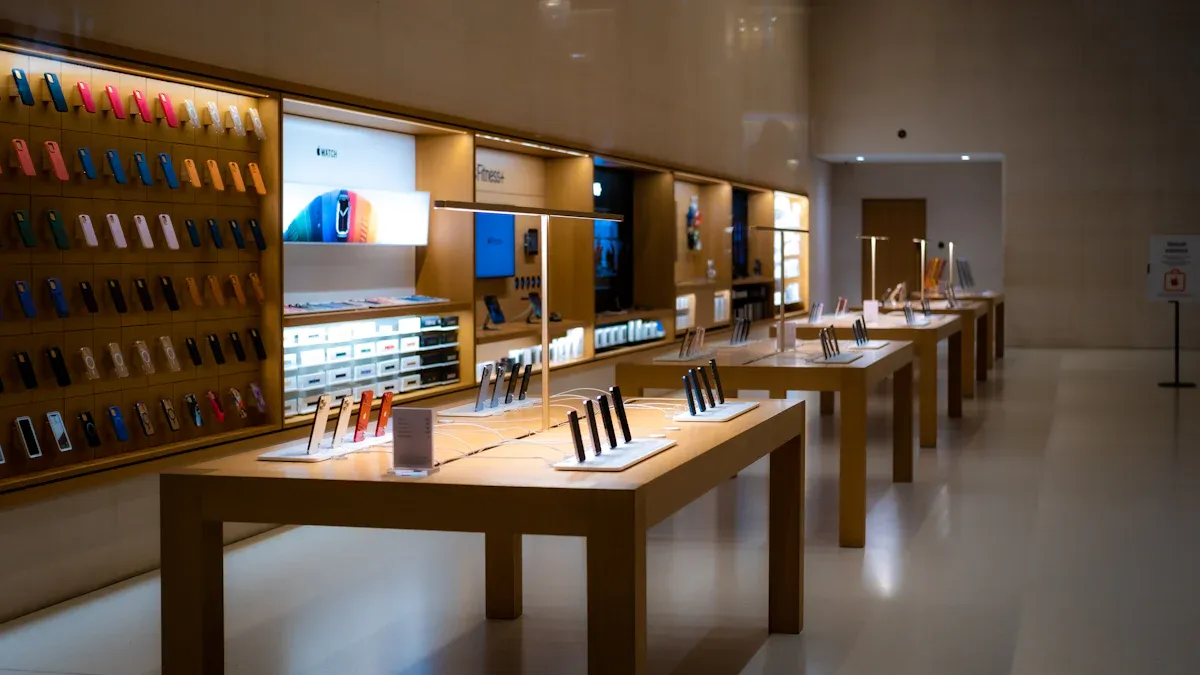
Transforming In-Store Operations
Retailers use AI to change how stores work every day. AI tracks inventory right away, so stores have fewer shortages and mistakes. Stores use analytics to pick the best products and save money. AI demand forecasting helps stores guess sales and change stock. This keeps popular items on shelves and stops too much extra stock.
Many stores use AI to make staff schedules better. AI looks at traffic and sales numbers to plan busy times. This saves money and helps customers get better service. Self-checkout and easy payment systems with AI make lines shorter. Some stores use "grab-and-go" tech, so customers pay as they leave.
AI does simple jobs for staff. Workers can help customers instead of counting items or checking receipts. This makes work faster and helps staff feel better at work.
Retailers notice big changes after using AI. The table below shows some important results:
Improvement Type | Percentage Improvement |
|---|---|
Cost reductions | 10–15% |
20–25% | |
Profit increase from dynamic pricing | Up to 25% |
Sales driven by personalized AI recommendations | 35% of sales |
Customer retention boost | 10% |
Reduction in stockouts | |
Reduction in supply chain errors | |
Higher order values with AI suggestions | 369% higher order values |
Enhancing Customer Experience
AI gives shoppers a more personal ai retail experience. Machine learning helps stores know what customers like. Shoppers get special deals and find favorite products fast. This makes shopping easier and more fun.
Stores use AI to study customer data and offer help. AI can suggest items from past buys or local trends. This keeps shoppers interested and coming back.
Leaders want to spend more on AI and analytics. They believe these tools help stores. As AI grows, shoppers will get more benefits. The future looks good for stores and customers.
AI Retail Experience: Consumer Impact
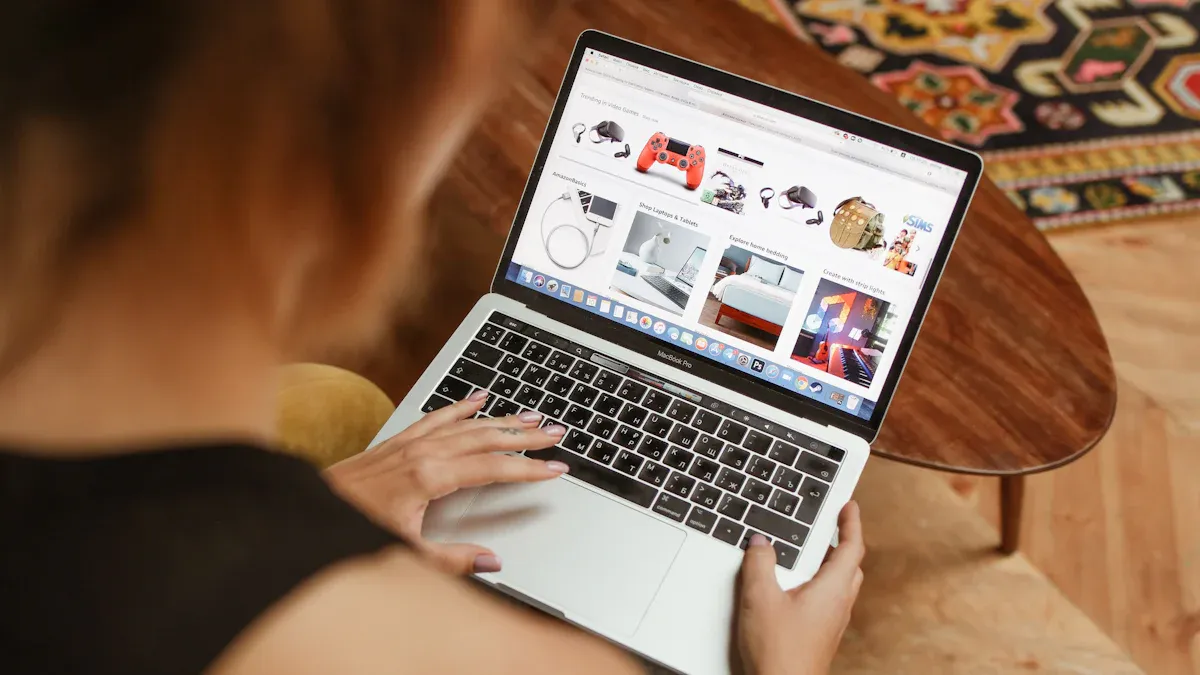
Shopper Sentiment and Engagement
Shoppers see big changes in stores today. Many feel happy about the ai retail experience. People notice that AI helps them find things faster. Shopping feels more fun and easy now. Stores use AI to learn what customers want. This means better service and more smiles at checkout.
Many shoppers say, "AI makes shopping easier and more fun."
Customer happiness scores go up after stores use AI. Net Promoter Scores also rise. Shoppers like talking to chatbots for quick answers. These chatbots fix common problems fast. They also give support right away. Stores link chatbots to loyalty programs for special rewards. Some chatbots know how shoppers feel and answer with care.
A new survey says 73% of shoppers think AI helps them. Stores with AI chatbots help more people. Fewer shoppers leave without buying. More people finish shopping and feel happy.
Impact Area | Description |
|---|---|
Tailored Experiences | AI plans shopping trips for each shopper’s likes and needs. |
Improved Customer Interactions | Chatbots give fast answers and help, so shoppers feel important. |
Trust through Personalization | Shoppers trust stores that remember their choices and give good tips. |
Real-time Recommendations | AI suggests products at the best time, so shoppers decide faster. |
Privacy Commitment | Stores tell how they use data, so shoppers trust them more. |
Measurable Impact | Stores count how many chats lead to sales and how often shoppers return. |
Personalization and Convenience
The ai retail experience brings more personal shopping. AI looks at what shoppers buy and like. Stores use this to suggest the best products for each person. This makes shopping feel special and saves time.
Smart shelves and digital tags change prices and deals right away.
AI-powered screens and smart mirrors help shoppers find new things.
Mobile apps and beacons send alerts and make checkout fast.
AI watches how people move in stores. This helps stores put displays where shoppers will see them. Unified profiles mix online and in-store data for better suggestions. Predictive analytics help stores keep favorite items in stock.
AI shopping helpers guide people in the store. They answer questions and suggest products. Hands-free tools help everyone, even those who need extra support. Shoppers save time because AI makes shopping simple.
AI tools make checkout fast and easy.
Real-time help gives shoppers confidence and helps them choose faster.
Shoppers now want stores to know what they need. The ai retail experience gives them more control and makes visits better. Stores using AI see more loyal shoppers and higher sales.
Adoption Rates and Trends
Global and U.S. Adoption Data
Stores everywhere are starting to use AI quickly. The AI market in retail gets bigger every year. North America has the biggest part of this market. The United States is a leader in using new store technology.
The global AI market in retail may reach $17.76 billion by 2032.
In 2023, North America had 39.08% of the global market.
By 2025, the global AI market in retail could be $41.08 billion.
The U.S. market for AI retail technology is about $12.44 billion.
By 2030, the U.S. market might grow to $50.73 billion, with strong yearly growth.
These facts show that stores want to make the ai retail experience better for shoppers.
Drivers and Barriers
Retailers have many reasons to use AI. They want shopping to be easier and sales to go up. AI helps stores learn about shoppers and give better service.
Improve customer experience: 41% of leaders say this is most important.
Increase revenue: 40% think AI helps stores make more money.
But some problems make it hard to use AI:
43% of retailers have trouble getting data ready for AI because their systems do not match.
41% say they do not have enough workers with AI skills.
35% say leaders do not always support AI projects.
Stores that solve these problems can do well and help others learn.
Automation and Revenue Growth
AI automation gives stores many good things. It helps teams work faster and smarter. The table below shows how automation helps stores make more money:
Benefit | Contribution to Revenue Growth |
|---|---|
Automating repetitive processes | Makes work faster and saves money on labor. |
Workflow automation and optimization | Makes stores run better and gives faster service. |
Data-driven decision making | Helps stores pick the best ways to sell and market. |
Predictive data analysis | Helps stores guess what shoppers want and keep items in stock. |
Improving lead generation | Helps stores find more people who want to buy. |
Enhancing customer engagement | Makes shoppers want to come back with special experiences. |
Retail leaders think 80% of stores will use AI automation by 2025. AI can help stores get up to 50% more leads. Stores also see call times drop by 60%, which saves money. These changes help stores grow and make shopping better for everyone.
Success Stories and Use Cases
Personalization Engines
Stores use personalization engines to make shopping feel special. These engines look at what shoppers like and suggest products right away. Shoppers who get these suggestions buy more often. Stores see bigger orders and more items in carts. One pet supply store saw a 13% increase in sales after using a personalization engine.
Personalization engines show shoppers what they want most.
Stores get more sales and loyal customers.
Companies often see revenue go up by 5-15% with these engines.
Shoppers feel important when stores remember what they like. This makes them want to come back and shop more.
Inventory and Queue Analytics
AI inventory and queue analytics help stores work better. These systems check stock and watch how many people wait in line. Stores using these tools can make wait times shorter by up to 40%. Shoppers feel happier and finish buying more often. Customer satisfaction scores can go up by 35% with these systems.
Real-time analytics keep shelves full and lines short.
Stores use data to plan busy times and have enough staff.
Shoppers often leave if they wait over 14 minutes, so fast service is important.
A new study shows stores using advanced analytics can raise their profits by over 60%. They also get 5-10% more revenue and cut costs by 15-20%. The ai retail experience gets easier and more fun for everyone.
Use Case | Measurable Outcome |
|---|---|
Walmart Inventory | Stockouts dropped from 5.5% to 3%, surplus stock cut by 15%, 20% lower supply chain costs |
Dynamic Pricing | Revenues went up by up to 20%, price updates led to a 25% revenue increase |
Customer Service AI
Customer service AI changes how stores help shoppers. These systems answer questions, handle returns, and fix problems fast. AI can handle over 70% of return and refund requests, cutting wait times in half. This saves time for shoppers and workers.
Chatbots give quick answers and help with easy problems.
Stores spend less on customer service and help more people at once.
Many shoppers like chatbots for fast help, with 62% choosing them for quick answers.
AI is best for easy questions. For hard or sensitive problems, shoppers want to talk to a real person. Stores that use both AI and people give the best help.
Fraud Prevention
AI helps keep stores safe. New video systems can spot normal and strange actions. These systems help stores stop losses before they happen. AI can guess theft risks by looking at old data and watching for odd actions.
Real-time monitoring helps stores stop theft before it happens.
AI systems can cut shrinkage by up to 30% in the first year.
Stores need fewer people watching cameras, so staff can help customers more.
AI security makes shoppers and staff feel safe. Stores protect their money and everyone feels more secure.
Real-World Impact Table
Use Case | Measurable Outcome |
|---|---|
Inventory Management | Stockouts cut, extra stock lowered, supply chain costs down |
Chatbot Service | 62% of shoppers like chatbots, retail spending with chatbots going up |
Dynamic Pricing | Up to 25% more revenue |
Fraud Prevention | Shrinkage cut by up to 30% |
Stores using these AI tools see real results. They help teams, make shoppers happy, and build stronger businesses. The future of retail looks bright with AI.
Challenges and Opportunities
Implementation Barriers
Retailers have problems when they try to use AI in stores. Many teams cannot find enough workers with the right skills. Some stores think AI will fix every problem, but this is not true. This can waste time and money. As stores get bigger, it is hard to grow AI systems. Workers may not like changes if leaders do not talk to them well. The table below lists common problems:
Barrier Type | Description |
|---|---|
Talent Shortages | Not enough people with data science and AI skills |
Ethical and Compliance Risks | Worries about privacy, security, and bias |
Over-reliance on AI Solutions | Thinking AI can fix everything |
Scalability Challenges | Hard to make AI bigger as stores grow |
Change Management Issues | Workers do not like change and leaders do not explain well |
Stores also have trouble joining new systems, keeping data good, and having enough money. Many marketers worry about keeping data safe and private. Some brands need more money and time to use AI tools well.
Ethical and Privacy Issues
Ethical and privacy worries change how stores use AI. Stores must ask shoppers before they collect data. They need to keep customer data safe and follow privacy rules. Bias in AI can cause unfair results, so stores must check their data for fairness. Being open builds trust. Shoppers want to know how stores use their data.
Stores must keep data safe from hackers.
Hiding names helps keep shoppers safe.
Following privacy rules keeps stores out of trouble.
Shoppers want stores to be honest about data use.
AI tools help stores follow rules and spot security problems fast. These tools help stores get ready for checks and fix problems quickly.
Innovation Potential
AI gives stores new ways to grow and be different. Stores can use AI to make shopping more fun and personal. Predictive analytics help stores offer the right things at the right time. AI lets stores mix online and in-store shopping for a smooth trip. AI-powered supply chains can change fast to help shoppers.
Special product tips help stores sell more.
Generative AI helps make new products faster.
Chatbots answer questions and take orders easily.
AI sorts data to help stores focus on shoppers.
Stores that use AI can lead others, make shoppers loyal, and set new goals in retail. 🚀
Future Outlook and Recommendations
Key Insights for Retailers
Retailers think AI helps stores grow fast. Almost half of stores use AI in big jobs like IT and marketing. They want to work quicker, spend less, and talk better with shoppers. Many leaders feel ready for new rules, but some workers need more skills. Stores that do well with AI make strong data rules and use AI every day.
More stores use AI for important jobs.
Saving money and working faster makes AI popular.
Workers need more training and stores need to be open.
Good data rules and clear plans help stores win.
Stores that use these ideas can lead and help others.
Steps for Successful AI Adoption
Stores can follow easy steps to use AI well. These steps help teams stay ready and work together.
Keep all customer and stock data safe and organized.
Pick jobs where AI helps most, like stock or helping shoppers.
Find team members who like AI and can teach others.
Train workers often so they know how to use AI.
Make new habits that use AI to make work better.
Recommendation | Description |
|---|---|
Start with Small-Scale Pilots | Try AI in one job before using it everywhere. |
Prioritize Employee Training | Teach workers about AI to help them learn. |
Partner with Experts | Work with AI pros for better results. |
Monitor and Optimize | Check how things go and change if needed. |
Focus on Ethical Practices | Use AI fairly so shoppers trust the store. |
Tip: Small steps and teamwork help stores use AI better.
Evolving Retail Landscape
AI is changing how stores work and how people shop. Stores use AI to make shopping feel special for everyone. Smart prices and product tips help stores give shoppers what they want. AI makes jobs like stocking and planning easier and cheaper.
AI helps stores guess what shoppers will buy and keeps shelves full. Machines save money and make sure products are ready. Stores can change prices fast to match the market. Chatbots and helpers give shoppers quick answers, making shopping easy.
Experts think generative AI will help stores make new things and learn about shoppers soon. By 2025, most stores will use AI, so it will be very important. Shopping will be more personal and fast, helping stores keep customers happy.
AI will make stores better in the future. Stores that change will get loyal shoppers and set new goals. 🚀
AI is changing stores and making them better. Stores get more sales and give better service. They also make smarter choices. How people feel and use AI helps stores know what to do.
Young shoppers and rich shoppers use AI more. They use it when they learn and buy things.
AI tools help shoppers by fixing problems and giving personal help.
AI Use Case | Benefits |
|---|---|
Personalized experience | |
Demand forecasting | Shelves stay full |
Automation | Stores make more money and save |
Fraud detection | Stops bad transactions |
Smarter decisions | Stores sell more and earn more |
Employee training | Teams learn to use AI better |
Phased strategy | Changes happen slowly and easily |
Stores that use AI and listen to shoppers will do well. They will keep loyal shoppers and be leaders in the future. 🚀
FAQ
What is the main benefit of AI in retail stores?
AI helps stores understand shoppers better. Stores use AI to offer personal deals and faster service. Shoppers feel valued and return more often. AI inspires teams to work smarter and reach new goals.
How does AI make shopping easier for customers?
AI suggests products based on what shoppers like. Smart tools help people find items quickly. Shoppers save time and enjoy a smoother experience. Stores use AI to create a friendly and helpful atmosphere.
Are there risks when stores use AI?
Some risks include data privacy and fairness. Stores must protect shopper information. They check AI systems for bias. Responsible stores build trust by being open about how they use AI.
Can small stores use AI technology?
Yes! Small stores can start with simple AI tools. Many solutions fit different budgets. AI helps small teams work smarter and grow. Every store can find a way to use AI and succeed.
See Also
The Future of Retail: Embracing AI-Driven Stores
Understanding AI-Enhanced Corner Stores for Retail Success
Modern Retail Benefits from AI-Enabled Combo Vending Machines
Transforming Online Retail Management with AI E-Commerce Tools
Global Insights on Automated Retail: Micromarkets vs Smart Stores
