How AI Retail Is Shaping the Future of Transit Stations

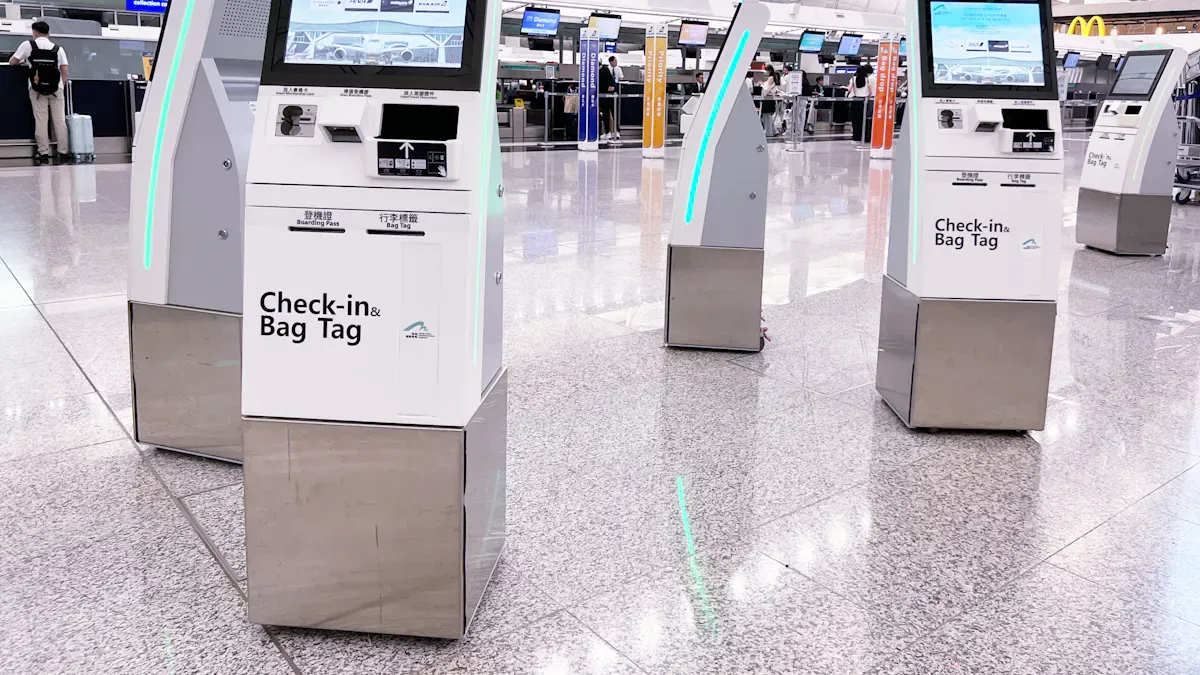
You see changes all around in transit stations today. AI retail uses new technology to help you shop quicker and easier. You notice shorter lines and smarter machines. Station workers find better ways to help you and make more money. This technology makes your travel experience better every day.
Key Takeaways
AI retail makes shopping in transit stations faster and more personal.
Smart vending machines use new technology to keep snacks and drinks fresh. They make sure you find what you want quickly.
Contactless payment options let you pay fast and safely. You can focus on your trip instead of waiting in line.
The Rise of AI Retail in Transit
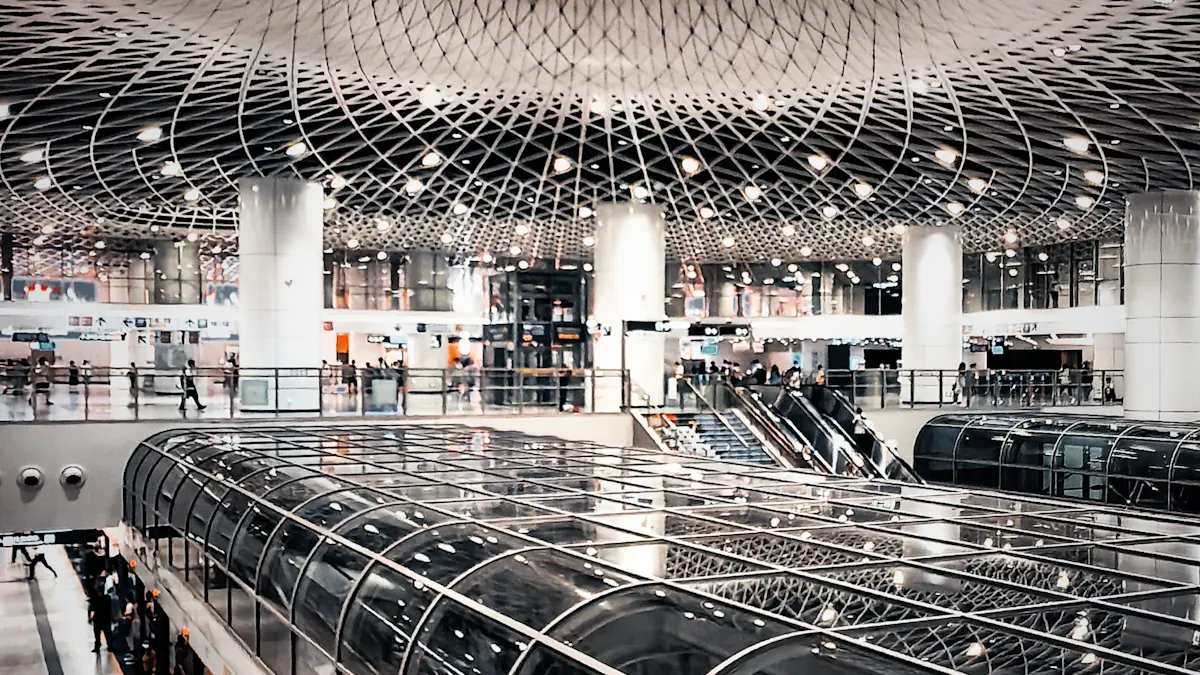
From Traditional to Smart Vending
You might remember when vending machines only took coins and had just a few snacks. Now, smart vending machines use new technology to make things easier and faster for you. Here is how these machines are different:
Feature | Smart Vending Machines | Traditional Vending Machines |
|---|---|---|
Technology | RFID, cloud connectivity, touchscreen interfaces | Mechanical spirals, coin mechanisms |
User Experience | Intuitive touchscreen selection, multiple payment options | Keypad and cash only |
Inventory Management | Real-time tracking, automated alerts | Manual counting, labor-intensive checks |
Reliability | Remote diagnostics, fewer mechanical failures | In-person troubleshooting |
Data Analytics | Detailed sales patterns, predictive recommendations | Basic cash collection totals |
Smart vending machines let you pay with cards or your phone. You can pick what you want on a touchscreen. Sometimes, the machine gives you ideas for what to buy. Station workers can see what sells and refill snacks before they run out. This move to AI retail gives you better service and more choices.
Drivers of AI Retail Adoption
You see more AI retail in stations because new technology helps in many ways. Here are some big reasons:
AI retail makes shopping easy by mixing online and in-person buying.
Hyper-personalization shows you deals and items that fit you.
Automation lets station workers save time and make fewer mistakes.
AI also helps workers plan by using real-time data. For example, smart systems watch what sells and change what is in stock. This way, you can always find what you need. These changes make travel easier and help stations work better.
AI Retail Innovations
AI-Powered Vending Machines
You see new vending machines in many European transit stations. These machines use AI to work all day and night with little help from staff. They give you more choices and make shopping faster. Here are some ways these machines improve your experience:
They run without breaks, so you can buy snacks or drinks any time.
You get suggestions for what to buy, which helps you find what you want quickly.
The machines track what sells best and restock before running out.
They send alerts if something needs fixing, so you do not face broken machines.
Their small size means they fit in busy stations without taking up much space.
Some machines even act like tiny restaurants. For example, at Birmingham New Street, a robotic sundae kiosk makes and serves ice cream without any staff. This kind of automation helps stations earn more money because the machines sell more items in less time.
You can see the latest features of these machines in the table below:
Feature | Description |
|---|---|
Contactless Payments | Lets you tap your card or phone to pay quickly and safely. |
Real-Time Inventory Tracking | Shows what is in stock right now, so workers know when to refill. |
Precise Temperature Control | Keeps food and drinks fresh and safe. |
Remote Management | Allows workers to check and control machines from anywhere using an app. |
Analytics Dashboard | Collects data on what people buy and gives tips to improve sales. |
These features help AI retail make shopping easier for you and more profitable for station operators.
Personalized Marketing and Offers
AI retail uses smart tools to learn what you like. When you use these machines, you might see special deals just for you. Companies like Amazon and Sephora use AI to suggest products based on your past choices. This makes shopping feel more personal and fun.
Many businesses now use AI to create marketing campaigns that fit different groups of people. For example:
Starbucks uses its rewards program to send you offers based on what you buy most.
Nike looks at customer data to decide which products to show you.
About 41% of companies use AI for custom marketing, and 38% use it to group customers for better offers.
You may also notice ads that match where you are or what you are doing. For example, Lyft shows riders ads for movies if they are heading to a theater. This kind of targeted offer makes you more likely to pay attention and buy something.
AI also helps with service. Chatbots answer your questions right away, and you get updates about your orders or deliveries. This quick help makes your travel smoother.
Contactless and Seamless Payments
You want to pay quickly and safely, especially when you are in a hurry. AI retail brings new ways to pay that save you time. Here are some of the latest advancements:
AI checks for fraud by watching for strange payment patterns.
You can use Face ID or Touch ID for secure payments.
NFC (Near Field Communication) lets you tap your card or phone to pay in seconds.
Contactless payments make a big difference in busy stations. Payments process in about 300 milliseconds, so you do not have to wait in line. This speed helps keep stations moving and makes your trip less stressful.
Evidence Type | Description |
|---|---|
Transaction Speed | Payments finish in less than a second, so you do not face long lines. |
Customer Satisfaction | Easy payments make you happier and more likely to use the service again. |
A tap-and-pay system can even cut boarding times by about 25%. This means you spend less time waiting and more time on your journey.
AI retail changes how you shop in transit stations. You get faster service, better offers, and safer ways to pay. Station operators also benefit from higher sales and smoother operations.
Benefits for Transit Stations
Making Machines Work Better and Last Longer
You want vending machines and kiosks to work every time you use them. When they break, you wait longer or miss snacks and drinks. AI systems help stations fix problems before they happen. These smart systems check machines all day and night. If a part starts to fail, they send alerts to workers right away. This means fewer broken machines and a smoother shopping trip for you.
Remote monitoring lets staff fix many issues without leaving their office. You get reliable service, and stations save time and money. This makes sure machines work when you need them most.
Smarter Inventory Management
You notice shelves stay full and fresh food is always there. Smart inventory management uses sensors and data to see what sells and what needs restocking. This helps workers refill only what is needed, which reduces waste and saves money.
Tip: Smart inventory systems do more than count items. They guess what you will buy next and help stations plan better.
Here are some real examples:
A big retail chain cut stockouts by 30% after using a smart inventory system.
An organic foods store reduced spoilage costs by 20% with IoT monitoring.
You benefit because your favorite snacks are easier to find. Stations waste less food and spend less on emergency restocks. IoT-enabled real-time data and predictions help stations keep the right amount of stock and cut waste. These tools also make supply chains faster and more responsive.
Using Data to Make Smarter Choices
You might not see it, but every purchase helps stations improve. Data from AI retail shows what sells best, when it is busiest, and what products travelers like most. Managers use this info to make better decisions.
For example, they can:
Change product choices based on what you and others buy.
Adjust prices during busy times to control demand.
Plan staff schedules for peak shopping hours.
When stations use data to guide their plans, you get better service and more of what you want. Operators see higher sales and smoother operations. Data helps everyone have a better experience.
Enhancing the Rider Experience
Real-Time Information and Convenience
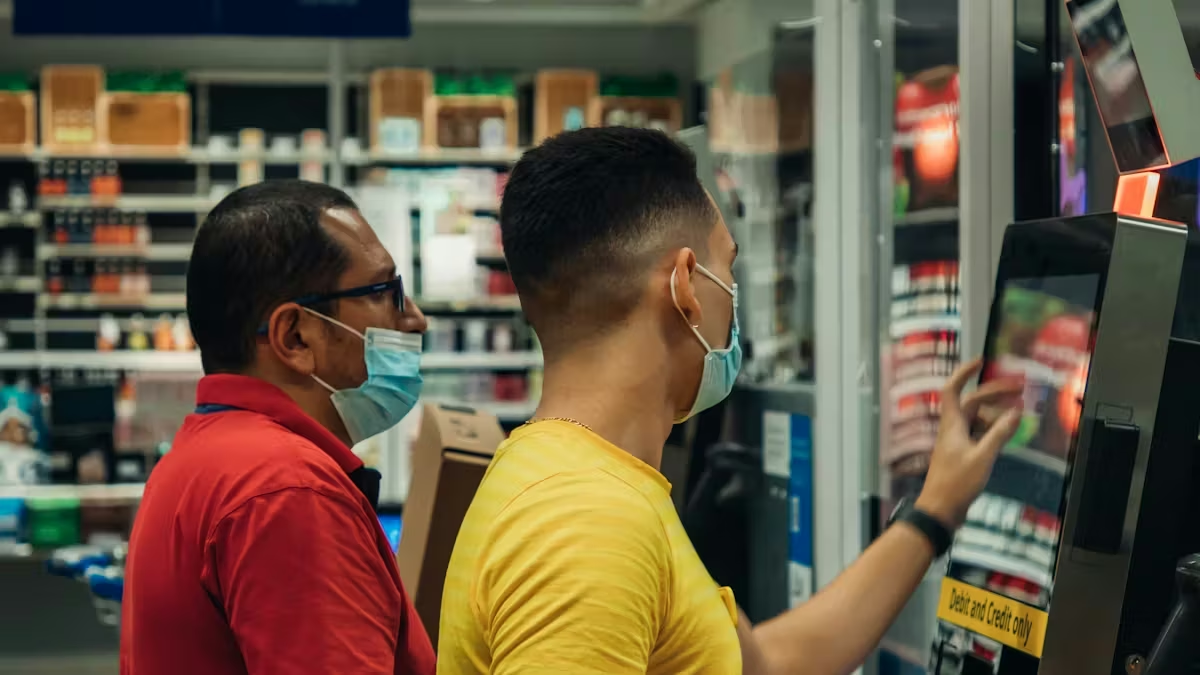
You want your journey to be smooth and stress-free. AI retail helps you get real-time updates about products and services in the station. You can check a screen or your phone to see what snacks are available or which machines have the shortest lines. This technology gives you quick answers and saves you time.
Tip: Look for digital signs or mobile apps in your station. These tools show you what is in stock and where to find it.
You do not need to guess if your favorite drink is available. You can plan your stop and avoid waiting. This makes your travel more enjoyable and efficient.
Tailored Product Selection
You notice that the items in vending machines often match your tastes. AI retail uses data to learn what you and other riders like. The machines then offer products that fit your needs. For example, you might see more cold drinks on hot days or healthy snacks in the morning.
Here is how tailored product selection works for you:
You get more choices that match your preferences.
You see new items based on what people in your area buy.
You find seasonal or local products more often.
Benefit | What You Experience |
|---|---|
Personalized options | Snacks and drinks you enjoy |
Less waste | Fresher products, fewer leftovers |
Better satisfaction | A shopping experience that feels unique |
You feel valued when the station offers what you want. This approach makes your trip better and keeps you coming back.
Comparing AI Retail to Other Solutions
Advantages Over Traditional Retail
AI retail gives you many benefits over old vending machines and pop-up shops. Old machines use simple parts and cash. AI-powered machines study how people shop. They learn what makes you want to buy things. This helps them show you products you might like. You get a shopping experience that feels special and fun. These machines can change what they offer fast. They pick products based on what is popular or what you like.
AI also helps keep shelves full and fresh. It puts products in the best spots. This means you find what you need and waste less food. You see fresher snacks and fewer empty shelves. AI can guess what people will want soon. It helps stations order new stock before they run out. This stops shortages and uses space better.
AI retail makes shopping easier and cheaper than old ways. It looks at data to help workers serve you better. Your shopping trip is smoother and more enjoyable.
Integration with Transit Infrastructure
AI retail works well with transit systems. It turns stations into smart places. These systems link to ticketing, schedules, and security. Everything works together in one place. For example, AI checks how many people walk by. It finds the best spots for vending machines. This saves space and makes shopping easier for travelers.
AI systems also guess fuel prices and market trends. They look at past data and what is happening now. This helps stations plan and keep shelves full. You always find what you need because AI helps stations order the right products.
When AI retail joins with transit systems, stations work better. They respond faster and are easier to use. Both travelers and workers get more benefits.
Future Trends in AI Retail
Emerging Technologies
In the next five years, AI retail will change a lot. New ideas will make transit stations better for everyone. Predictive maintenance will be used more often. AI will look at sensor data to find problems early. This helps stop service from being interrupted and saves money on repairs. For example, New York’s MTA finds most track problems before people do.
Dynamic route optimization will get better too. AI will study how people move and change bus or train routes right away. Cities like Shanghai already use AI to change routes when riders ask. This makes trips faster and more dependable.
AI-powered security will also improve. Cameras and sensors will watch how people act to spot trouble quickly. This helps workers respond faster and keeps stations safer.
Key Indicators to Watch
You should notice how AI makes travel better for passengers. Real-time information will be more correct, so you wait less and worry less. AI will help stations plan by guessing busy times and changing staff schedules.
Another big trend is using AI for safety. For example, AI can look at how people feel and how crowded it is to stop dangerous situations. It can also make rail crossings safer by giving quick hazard alerts.
As AI gets better, more stations will use these tools. Stations will be smarter, safer, and work better. This will make your trips easier and more fun, and help workers do their jobs well.
AI retail is changing transit stations in many ways. It helps you shop faster and makes buying things safer. You also get choices that fit what you like. Station operators make more money and work better. Passengers get good service and find things easily. As technology gets better, AI will keep making travel nicer. Stations will become smarter and react quickly to your needs.
FAQ
What is AI retail in transit stations?
AI retail uses smart machines and software to help you shop faster and easier in train or bus stations.
How does AI retail make your travel better?
You get quick service, contactless payments, and products that match your tastes. You spend less time waiting and find what you need easily.
Is AI retail safe for your payments?
Yes. AI checks for fraud and uses secure technology. You can pay with your phone or card safely every time.
See Also
The Future of Retail: Embracing AI-Driven Stores
The PARC at Tysons: Evolving from Store to Community Space
AI-Enhanced Corner Stores: Essential Insights for Retailers
Time Out Corner Stores: Revolutionizing Urban Convenience Shopping
24-Hour Vending Machine Cafes: Where Convenience Meets Creativity
