Transforming Medical Consumable Management with AI Smart Warehousing Solutions

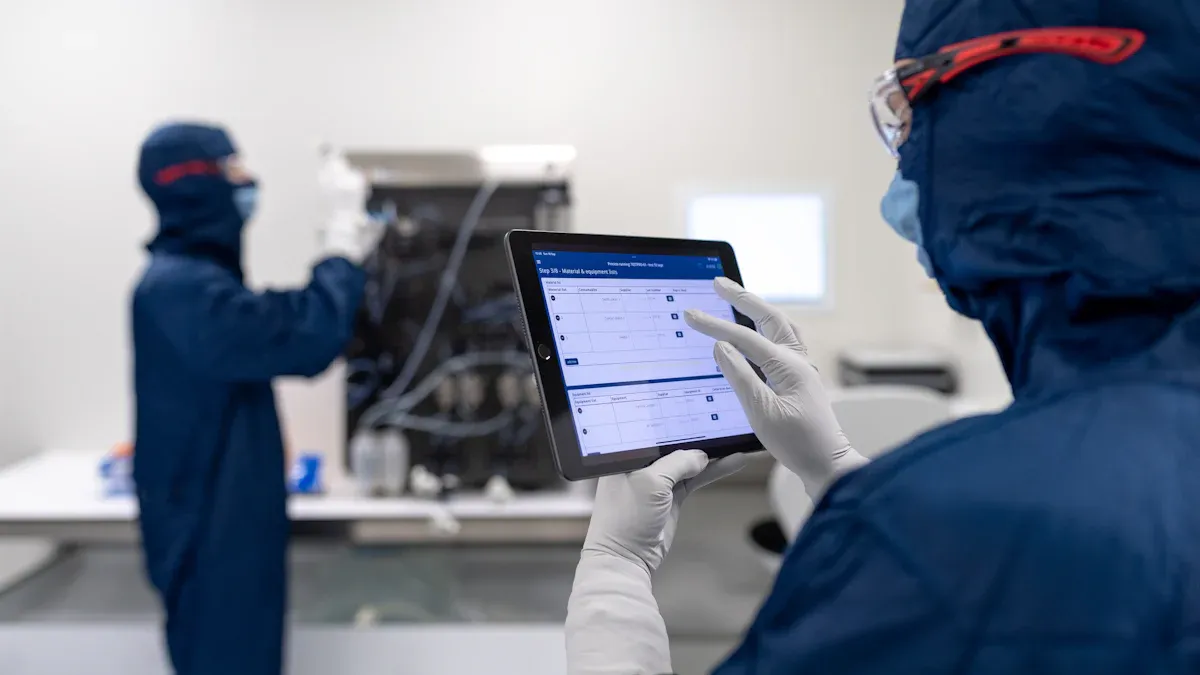
AI smart warehousing for medical consumables revolutionizes how hospitals manage their supplies. Hospitals often face challenges such as missing inventory, delayed actions, and excessive waste. Additionally, staff fatigue and data inaccuracies further complicate cost control and patient safety. To address these issues, hospitals must adopt digital tools. Automation and AI smart warehousing for medical consumables offer innovative solutions to meet various hospital needs. These technologies enhance daily operations and efficiency.
Tip: Tailoring AI smart warehousing solutions for medical consumables to your hospital can accelerate processes and reduce waste.
Key Takeaways
AI smart warehousing makes inventory more accurate. It helps hospitals see supplies right away and lowers mistakes.
Automation saves staff time because it tracks and restocks items. This lets staff spend more time caring for patients.
Using AI solutions can lower costs by stopping waste. It also helps prevent having too many or too few supplies.
Hospitals can change AI systems to match what they need. This makes work better in different departments.
Using AI smart warehousing needs good planning and staff training. This helps get the most benefits and keeps things running smoothly.
Challenges in Medical Inventory Management
Inventory Discrepancies
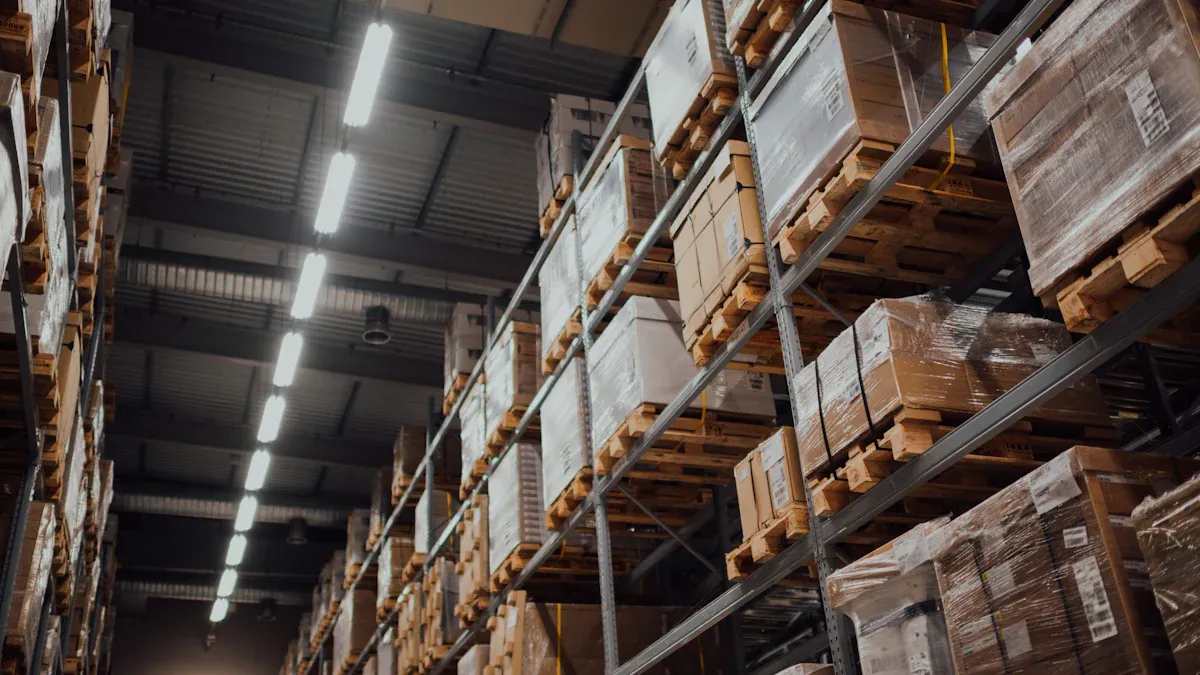
Hospitals have many problems with inventory. One big problem is inventory discrepancies. Messy storage makes it hard to keep track of supplies. Sometimes, people order too much because they do not talk well. Bad demand forecasting causes too much or too little ordering. These problems lead to running out of items and having expired supplies. The table below shows the main reasons:
Cause of Discrepancy | Description |
|---|---|
Lack of Organization | Messy storage makes tracking supplies hard. This leads to ordering too much and having expired items. |
Over-Ordering | Poor communication and messy storage cause extra orders. This creates too many supplies. |
Poor Demand Forecasting | Wrong records make it hard to guess future needs. This leads to ordering too much or too little. |
Inventory discrepancies hurt hospital work and patient care. Running out of supplies slows down care and makes patients unhappy. Not having medicine affects how patients get treated. Mistakes in counting supplies mess up hospital work. If hospitals run out of important items, patients stay longer and equipment takes more time to arrive.
Inefficiency and Waste
Bad inventory management wastes supplies. Studies show hospitals waste 25-30% of supply money each year. This waste costs U.S. hospitals about $25.4 billion every year. The average hospital loses over $12 million from extra orders, expired supplies, and bad buying. Manual ordering and old systems cause too many supplies and shortages. Messy inventory slows down treatments and raises costs. Not seeing the supply chain clearly makes buying and managing supplies harder. IV therapy consumables are over 25% of all medical consumables used. Better supply chain management can save hospitals up to 17% or $11 million each year.
Data Gaps and Delayed Decisions
Missing data and slow decisions make inventory problems worse. Bad inventory tracking and wrong forecasting cause emergency spending and double orders. Supply shortages bring risks and hurt patient safety. Delays in treatment and changing medicines increase mistakes and bad events. Having supplies on time helps keep patients safe and treatments fast. Managing the supply chain is important for good care. Automation and ai in healthcare can help fix data gaps and plan better for supplies. You can use ai to see inventory better and make faster choices. Automation helps collect and manage data, so you can guess future needs and waste less.
Digital Transformation Drivers
Policy and Modernization
Healthcare supply chain rules change quickly. Hospitals must follow strict inventory rules. New laws make hospitals use ai and automation. These tools help meet standards and keep patients safe. You can use data to track supplies and stop mistakes. Modernization means moving from manual work to smart systems. You get more control over inventory and avoid running out. Hospitals using ai and automation have fewer errors and better audits. Data analysis helps you make good choices. Policy changes push hospitals to use ai for supply chain management. You stay up-to-date and keep patients safe.
Note: Modernizing healthcare supply chain management helps you follow new rules and keeps patient care safe.
Operational Efficiency
Hospitals want to work faster and better. Automation and ai help make this happen. Ai can do simple tasks so staff can help patients more. Data and analytics help guess what supplies are needed. Hospitals save money with ai and automation. You avoid buying too much and rushing last-minute orders. Automated tracking makes things more accurate and follows rules. Staff spend less time on manual work and more time with patients. Data helps stop delays and lowers medical mistakes. Analytics help keep the right amount of supplies.
Cost Savings: ai systems help order and stock supplies.
Improved Accuracy: automation lowers mistakes.
Enhanced Efficiency: staff can focus on patient care.
Better Forecasting: ai models help guess supply needs.
Benefit | Impact on Healthcare Supply Chain Management |
|---|---|
Cost Savings | Lower supply costs, fewer emergency orders |
Improved Accuracy | Reliable audits, fewer discrepancies |
Enhanced Efficiency | Faster throughput, better patient outcomes |
Better Forecasting | Proactive inventory management |
Ai, automation, and analytics change how hospitals manage supplies. You use data to make smart choices and help patients.
AI Technology Evolution in Warehousing
Manual to RFID
Healthcare inventory management has changed a lot over the years. Long ago, people used manual systems. Staff counted supplies by hand and wrote numbers on paper. This took a long time and caused many mistakes. Manual audits were slow and easy to mess up. The data was not always right. Sometimes, items went missing or there was too much stock.
Later, hospitals started using RFID systems. These systems use radio waves to track supplies. RFID made counting faster and more correct than doing it by hand. You could scan many things at once. But RFID systems cost a lot and needed special tools. Sometimes, the place where you used them made them less accurate. People still had to check the data and fix problems.
Here is a table that shows how these systems are different:
System Type | Accuracy | Speed |
|---|---|---|
Manual Audits | Labor-intensive, slow, error-prone | Slow, with frequent discrepancies |
RFID Systems | Bulk reads, affected by environment | Faster than manual but requires costly infrastructure |
Extremely high accuracy, real-time insights | Up to 35 times faster than manual methods |
AI-Powered Solutions
Now, hospitals can use ai technology to change how they manage supplies. AI-powered solutions use smart systems and software to track supplies right away. You get instant data and make fewer mistakes. Counting supplies is up to 35 times faster. Hospitals can use 40% less labor for counting. Some hospitals save up to 70% on labor costs. Mistakes that cause missed shipments or chargebacks go down by more than half.
With ai, you can automate simple jobs. Staff have more time to help patients instead of doing paperwork. Machines can reorder supplies so you never run out. Predictive analytics and learning models help you plan for what you need next. You use data to make better choices. Automation and ai technology give you more control over your supplies. There are fewer shortages and less waste. Health information management gets better because you have the right data when you need it. Smart automation and learning software help you keep up with fast changes in healthcare. You can trust the data and spend more time caring for patients.
AI Smart Warehousing for Medical Consumables
Scenario-Based Strategies
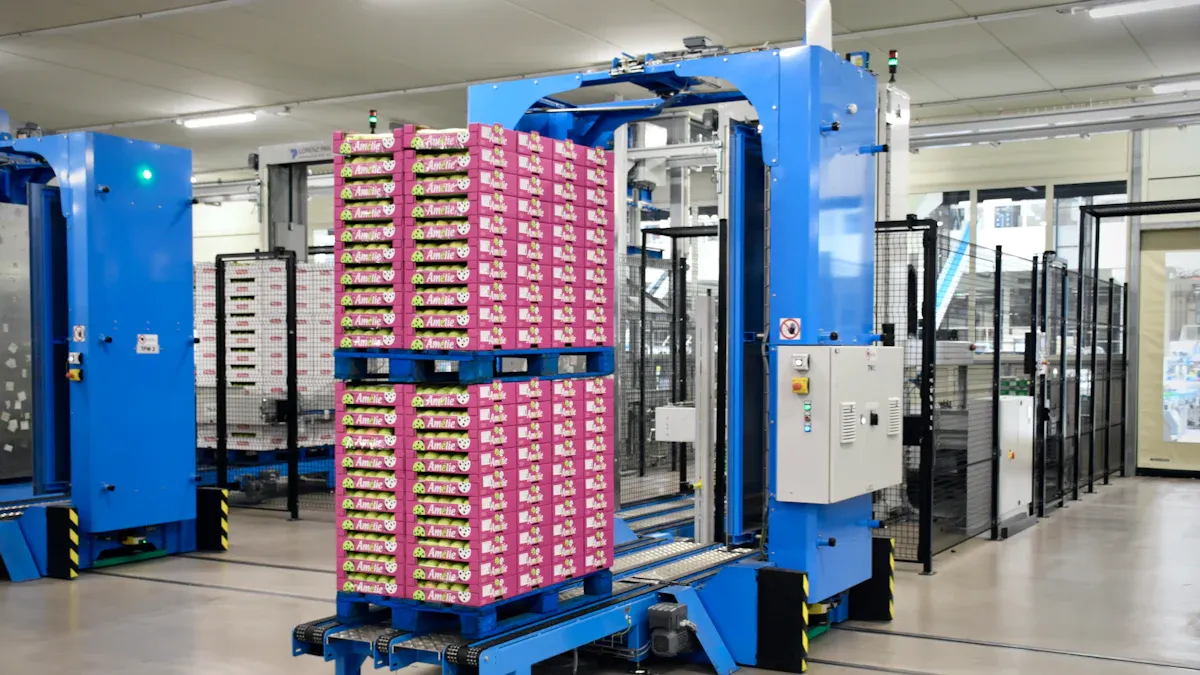
Managing medical inventory in a hospital is hard. Each department needs different things. AI smart warehousing for medical consumables gives you tools to help. You can see supply levels right away in every area. Automation moves products fast and keeps them safe. You can get alerts when stock is low or items will expire soon. The system fits how your hospital works and changes with your daily needs.
AI smart warehousing for medical consumables uses new technology for live counts. You always know what supplies you have. Automation makes ordering and restocking simple. You can use data to guess what you will need soon. This stops shortages and waste. Strong tracking and logging help you follow healthcare rules.
Here are the main features you get with ai smart warehousing for medical consumables:
Feature | Description |
|---|---|
Real-Time Inventory Visibility | Uses RFID tags, IoT sensors, and barcode scanning for live counts of items in storage. |
Automation and Smart Warehousing | Uses automated systems for faster product movement and AI tools for demand forecasting. |
Compliance and Traceability | Makes sure you follow rules with strong logging for tracking and recalls. |
Lean Inventory Management | Uses Just-in-Time methods to cut waste and lower costs. |
Tip: You can change ai smart warehousing for medical consumables to fit your hospital. This helps fix supply chain problems and makes healthcare better.
Departmental Storage
Every hospital department stores medical consumables in its own way. You might keep supplies in a big storage room, operating rooms, pharmacies, or care units. AI smart warehousing for medical consumables lets you manage all these places with one system. You can track cold items in freezers or cold rooms. You can make special areas for dangerous materials. You can control who gets drugs and biologics that need cold storage.
Automation moves supplies from main storage to each department. Sensors and barcodes show where every item is. You can set rules for safe labels, storage, and throwing things away. This keeps your hospital safe and follows the law. You can also use data to check if you have enough supplies in each place.
Here are some common storage needs in hospitals:
Storage Requirement | Description |
|---|---|
Temperature-sensitive items | Must be kept in cold rooms or freezers to work right. |
Hazardous materials | Need special zones to stop contamination and keep people safe. |
Drugs and biologics | Often need cold-chain storage with strict temperature controls. |
You can store medical supplies in:
Operating rooms
Hospital pharmacies
Point-of-care units
Outpatient facilities
AI smart warehousing for medical consumables helps you manage all these places with one system.
Operating Room Solutions
Operating rooms need fast and correct inventory management. You must have the right tools and supplies for every surgery. AI smart warehousing for medical consumables shows you what is in each operating room right now. Automation helps you restock items quickly after surgery. You can get alerts for low stock or items that will expire. This keeps surgeries on time and safe.
You can use data to see what each surgery uses. This helps you plan for the future. Automation can reorder items before you run out. AI helps you waste less by tracking expiration dates and use. You can follow healthcare rules by logging every supply move. This makes audits easy and keeps patients safe.
Note: AI smart warehousing for medical consumables in operating rooms helps you make fewer mistakes, save time, and care for patients better.
ICU and Specialty Hospitals
ICUs and specialty hospitals have strict rules for inventory. You must track every item closely. Many supplies need special storage, like cold systems for drugs and biologics. AI smart warehousing for medical consumables gives you tools for these needs. Automation can control temperature and who can get supplies. Sensors give you real-time data about conditions.
You can get alerts for temperature changes or low stock. Automation moves supplies safely between units. You can use data to plan for emergencies or busy times. AI helps you follow laws and keep good records. Automation can also lower staff workload so they can help patients more.
AI smart warehousing for medical consumables works for every hospital type. You can change the system for each department. You can connect it to your current ways of working. This gives you better control, less waste, and safer care for patients.
Real-World Outcomes with AI
Case Study Highlights
You can see how AI smart warehousing helps hospitals by looking at real examples. Hospitals that use AI for inventory do much better. You can see every item in real time. Staff check inventory quickly and make fewer mistakes. Data moves easily between hospital departments. This means you do not run out of supplies and waste less. The table below shows how AI changes inventory management:
Metric | Before Implementation | After Implementation | Improvement |
|---|---|---|---|
Hospital Inventory Rate | N/A | 20% | Reduced by 80% |
Average Annual Inventory Error | 0.425‰ | 0.025‰ | Reduced by 94% |
Drug Supply Chain Efficiency | N/A | 42.4% | Increased by 42.4% |
Hospitals make fewer mistakes when counting supplies. Data is more correct. Supplies move faster through the hospital. You get alerts when stock is low or about to expire. AI workflow automation helps guess what you will need soon. It finds strange use and tells you if you need more safety stock. It also shows which products might expire soon. You know what to order first by looking at delivery times and surgery schedules.
Measurable Benefits
You get clear benefits when you use AI smart warehousing. You can see your inventory right away and make fast choices. Sensors and tracking tools show what you have all the time. You do not need to count by hand as much, so you save time. Staff spend more time helping patients instead of counting supplies. Data helps you plan for what you will need later. You do not order too much or let things expire.
Hospitals say these things get better:
Inventory counts are more correct.
Data helps guess what you will need.
Seeing supplies in real time means less waste.
Staff work better and faster.
Alerts from data stop you from running out.
You save money and help patients more. Data makes audits and following rules easier. Managing inventory is simple and works well. Your hospital is safer and runs better.
Key Benefits and Recommendations
Inventory Accuracy
AI smart warehousing helps hospitals keep better track of supplies. These systems show you what you have right now. You do not need to guess or look on shelves. Machine learning can help you know what you will need soon. RFID tags and computer vision tools tell you where items are and when they expire. This means fewer mistakes and stronger medical inventory management.
Feature/Benefit | Description |
|---|---|
Advanced demand forecasting | Predicts future needs and stops overstocking or running out. |
Real-time inventory tracking | Gives you up-to-the-minute information on stock levels. |
Enhanced visibility with RFID | Tracks items without manual scanning, lowering human error. |
Automated visual inspections | Checks quality and expiration dates, making data more accurate. |
Cost savings | Keeps inventory at the right level, saving money and reducing waste. |
Staff Efficiency
AI smart warehousing lets staff work faster and better. Automation does the tracking and restocking for you. Your team spends less time counting supplies. Fewer mistakes happen because there is less manual checking. Predictive tools help you plan ahead. Staff can focus on helping patients, not paperwork.
Benefit | Description |
|---|---|
Automation of Tracking | Saves time by reducing manual inventory checks. |
Predictive Maintenance | Prevents downtime and keeps supplies ready. |
Error Minimization | Lowers mistakes from traditional inventory methods. |
AI software helps stop running out or having too much.
Your team works quicker and makes fewer mistakes.
Reducing Loss and Waste
AI smart warehousing helps cut down on loss and waste. The system uses data to match what you have to what you need. It tracks expiration dates and finds items that might spoil. You get alerts before supplies go bad. AI looks at trends and market data to help you plan better. You order only what you need and use it on time.
AI predicts what you need using real-time and old data.
Planning matches supplies to what is needed.
Real-time analysis helps you decide when to restock.
Tip: Cutting waste saves money and helps the planet.
Steps for Adoption
You can follow these steps to start using AI smart warehousing:
Check if your hospital is ready for new technology.
Make sure your data is clean and easy to use.
Pick the best tools and vendors for your needs.
Start small, see what works, then grow bigger.
Teach your staff how to use the new system and work together.
You should also keep your data safe. Good security protects patient and hospital information.
Note: Careful planning and training help you get the most from AI smart warehousing.
AI smart warehousing makes it easier to handle medical consumables. You can see where supplies are at any time. The system gives you alerts before you run out. It helps you keep things neat and organized. These tools stop you from running out of items. They also help you waste less and spend less money. Hospitals using AI have fewer expired items. They almost never run out of supplies. Staff can work faster and make fewer mistakes. Patients stay safer when supplies are always ready. You should look for AI solutions that match your hospital. When you use these tools, your hospital becomes safer and works better for everyone.
FAQ
What is AI smart warehousing for medical consumables?
AI smart warehousing uses technology to help track supplies. You can see what you have right away. The system stops you from running out or wasting items.
How does AI improve inventory accuracy?
AI checks supplies with sensors and tags. You know the exact amount and where things are. The system tells you when items are low or expired.
Can you customize AI smart warehousing for your hospital?
Yes, you can change the system for your hospital. You pick features for each department. The software works with how your team does things.
Is staff training needed for AI smart warehousing?
Staff need training to use the new system. Training helps your team work faster and make fewer mistakes. Most hospitals see good results soon after training.
See Also
Transforming Online Store Management With AI-Driven E-Commerce Tools
The Future of Retail Lies in AI-Enhanced Stores
Modern Retail Benefits From Features of AI-Driven Vending Machines
Essential Insights for Retailers on AI-Enabled Corner Stores
Boosting Employee Efficiency With Intelligent Vending Solutions
