AI Drives the Next Wave of Innovation in Brick and Mortar Stores

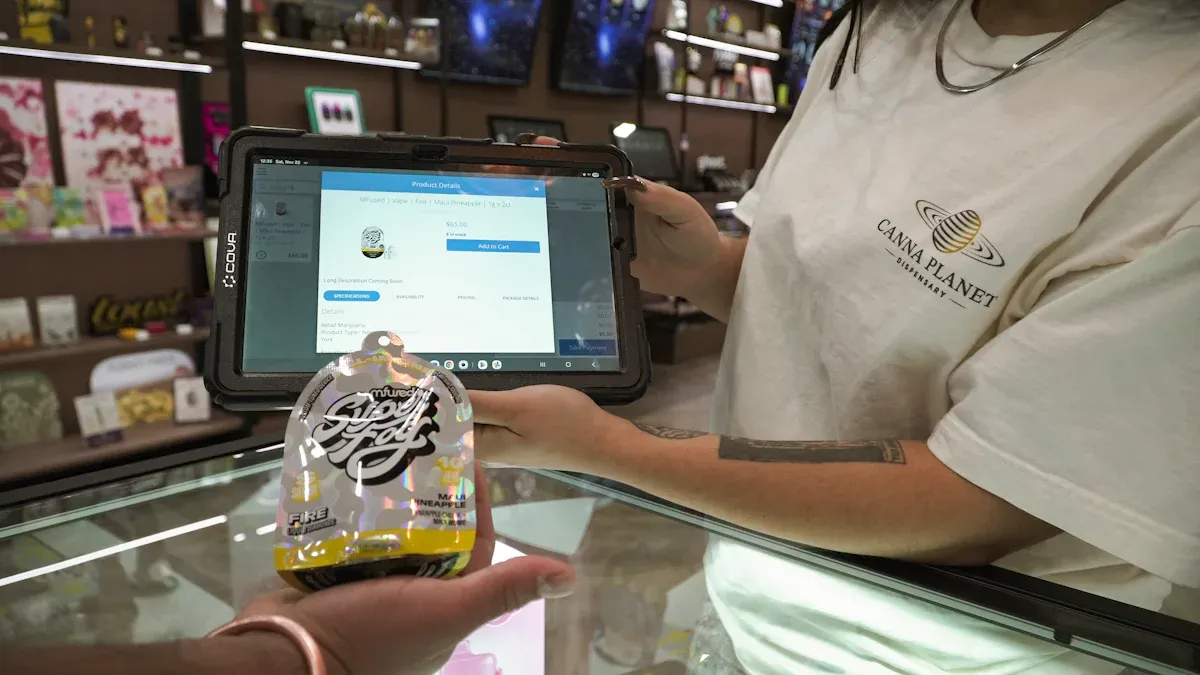
You see AI trends changing stores every day. Stores now use all your customer data to make shopping feel special. When you go to a store, your visit can connect to your online shopping. This happens at places like Brilliant Earth or Lowe’s. Generative AI lets you try things on virtually and see products in AR. This makes picking what you want easier. Experts think the market for AI in stores will be $97.83 billion by 2033. This shows how fast these changes are happening.
Key Takeaways
AI makes shopping more fun by giving you choices that fit you. It shows you deals you might like and gives you special offers.
Stores use AI to work faster and save money. This means you wait less and workers can do more with help from machines and quick data.
With AI, stores can change prices when lots of people want something. This helps you get good deals and helps stores earn more money.
Augmented reality and cool tech make shopping exciting. You can see how things look in your home and try them out on your screen.
Stores use data to know what to keep on shelves. This means your favorite things are there when you want them and less stuff gets wasted.
AI’s Impact on Brick and Mortar Retail
Customer Engagement Transformation
Shopping in stores feels different now. AI changes how stores connect with you. Stores use smart algorithms to follow what you like and do. This helps them give you special deals and suggestions. Prices can change quickly because of market trends. Augmented reality lets you see products in your space. This makes picking things easier and more fun. You can check out without a cashier, so you wait less.
Here is a table showing how AI changes customer engagement in stores:
Transformation Aspect | Example Use Case | Impact on Customer Engagement |
|---|---|---|
Personalization | AI follows your likes and shopping history | You get special suggestions |
Dynamic Pricing | Prices change with market trends | You get good deals |
Augmented Reality Experiences | AR shows products in your home | You feel sure about what you buy |
Cashier-less Checkout | AI makes checkout faster | You spend less time waiting |
Targeted Marketing | AI uses your data for special offers | You get deals that fit your interests |
AI guesses what people want and stocks shelves | You find what you need when you want it |
You see your shopping get better in many ways. AI helps stores know what you want and make each visit special. Stores using AI clienteling software earn 172% more per sale with engaged customers than walk-ins. AI tools look at lots of data and find patterns that make shoppers happier.
Store Operations Revolution
AI brings big changes to how stores work. You benefit from better data systems that help stores keep track of inventory. Stores and makers share data in real time, making work easier. Automation cuts down on manual tasks and boosts productivity. Stores use real-time data to make smart choices.
Here is a table showing how store operations change with AI:
Change Type | Description |
|---|---|
Improved Data Infrastructure | AI connects systems for one true record |
Enhanced Collaboration | Real-time data helps teams work together |
Better Customer Intelligence | AI helps stores learn your likes and habits |
Efficient Internal Operations | Automation cuts manual work and increases productivity |
Adaptive Store Systems | Stores use real-time data for smart choices |
You see stores save money and work faster. AI removes checkout lines and helps stores serve more people. Labor costs go down. Staff can help customers or fill orders in the store. AI checks for theft and scanning mistakes, so stores lose less. Early users save money and sell more over time. AI helps stores plan inventory, cutting food waste by 14.8% and saving millions. Stores use less electricity, saving about 28%. AI logistics help cut emissions, like UPS saving 10 million gallons of fuel each year.
Tip: Smarter demand forecasting stops stores from having too much or too little stock. Automated price changes and better logistics help stores save money and serve you better.
AI analysis lowered merchandise fees by 2–3% points and found ways to save money 3-4 times faster.
About 40% of costs were moved to the right place after checking transactions with AI tools.
Stores found about 5% in hidden costs, mostly in logistics, warehousing, and marketing.
These findings led to savings over 10% in the first year.
Data-Driven Decisions
AI helps stores make smarter choices every day. You get dynamic pricing, where stores change prices based on market trends and demand. Predictive analytics helps stores guess what people will buy and keep shelves stocked. This lowers inventory costs and stops stores from running out of things. AI analytics show stores how you shop, so they can offer better products and make you happier.
Stores use real-time data to manage inventory, so they don’t run out or have too much. Automated alerts help keep popular items in stock. Data analytics lets stores track inventory and predict demand, making management easier. Knowing sales trends and what you buy helps stores keep shelves full of what you want.
AI-powered forecasting is more accurate than old methods. Companies using AI in supply chain forecasting make fewer mistakes, cutting errors by 20% to 50%. This means fewer lost sales and less emergency restocking. Smart inventory management can boost sales by about 10%. AI supply chain management can lower inventory by 20% to 30% while keeping service levels high. Advanced analytics helps keep products available, leading to more sales in busy categories.
Note: Data-driven decisions help stores serve you better, keep costs low, and make sure you always find what you need.
Key AI Trends in Brick and Mortar Retail
Personalization and Predictive Analytics
Stores use ai trends to make shopping special for you. Personalization means you get offers and products that fit your likes. Stores keep track of what you buy and your loyalty points. They use this information to suggest deals and items you might enjoy. For example, Starbucks sends you deals based on your past orders. You get these offers at the right time, so your visits feel better.
AI tools like smart mirrors and AR let you try on clothes or see items in your room. These tools make shopping simple and fun. When stores use big data analytics, they learn what shoppers want. Predictive analytics helps stores guess what you may buy next. This helps you find what you need faster.
Here is a table that shows the main trends in personalization and predictive analytics:
Trend | Impact |
|---|---|
AI in Personalization | Suggests products and deals based on your preferences |
Enhanced Customer Satisfaction | Makes you happier with tailored offers |
Optimized Marketing Spend | Targets customers who are interested, saving money |
Big Data Analytics | Helps stores make better decisions |
Predictive Analytics | Anticipates your needs for better service |
Personalized shopping helps you trust the store and feel involved. Data-driven insights let stores know what you want. When you get special offers often, you want to come back.
Shoppers now expect stores to use personalization.
When you feel involved, you shop more over time.
AI tools like smart mirrors and AR make shopping better.
Immersive Experiences (AR, Sensory Design)
You see stores using cool technology to make shopping fun. Augmented Reality (AR) lets you see products in your home before you buy them. Virtual Reality (VR) can take you to new places and help you connect with brands. Mixed Reality (MR) mixes AR and VR, so you can explore products in new ways.
Stores use sensory design to make spaces calm and nice. Natural sounds and lights help you relax. About 60% of shoppers say these things make them less nervous. Almost half of shoppers want to use immersive technology in stores to try products.
Melissa Gonzalez says stores should be places for the community. If technology tells a story or lets you escape, you feel more interested. Sensory design, like smells and music, makes shopping stand out.
VR helps you feel close to brands.
Sensory design uses sounds, smells, and lights to make shopping better.
Immersive experiences help stores sell more and keep you shopping longer. Studies show 91% of shoppers want to buy after a brand experience. 70% come back after a good visit. Some brands see people stay 380% longer. Immersive stores can boost sales by 23%.
Tip: When you shop longer, you may buy more. Stores with fun spaces have bigger sales and happier shoppers.
Operational Efficiency
You win when stores use ai trends to work smarter. AI helps stores do tasks faster and use their resources well. In supply chain management, AI shows what is needed in real time. This helps stores keep the right amount of products and spend less.
H&M uses AI to study trends and guess what people will want. This helps them react fast and get products to stores quicker. Unified customer data puts all your info in one place. Stores see everything about each shopper, so they can help you and change with the market.
Dynamic pricing tools let stores change prices when demand changes. One fashion brand made 30% more profit and got stronger by using predictive pricing. This keeps money steady and helps stores work better.
AI makes stores run smoother and boosts productivity.
Real-time supply chain tools help manage inventory.
Unified customer data helps stores react to market changes.
Dynamic pricing tools help stores earn more and compete.
Note: Operational efficiency means stores save money, work faster, and help you more. AI helps stores keep up in the fast-changing world of brick and mortar retail.
Customer Experience with AI
Personalized Shopping
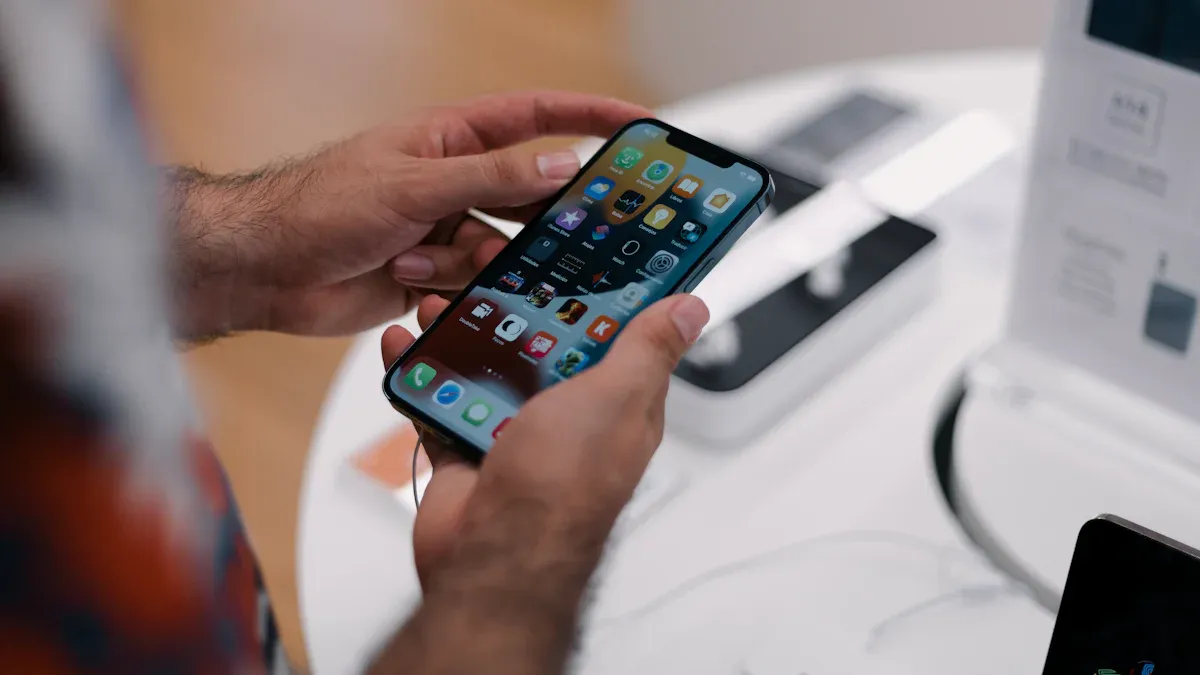
Stores use AI to make shopping feel special for you. When you enter, smart systems notice what you like. They suggest products you may want. You can find items by uploading a photo. You do not need to search with words. Some stores use facial recognition if allowed. This helps greet you and offer deals from your past visits. AI changes signs or sends messages that fit your interests.
Here is how AI helps make shopping personal in stores:
Technology/Application | Description |
|---|---|
Visual Search | Find products by uploading pictures instead of typing. |
Object Recognition | Spot products in photos or videos for fun shopping. |
Facial Recognition | Know returning customers for special experiences. |
Augmented Reality (AR) | Try products virtually before buying. |
Ambient Intelligence | Changes store settings and messages for your likes. |
Personalization helps you find things faster. It makes you feel important. Stores using personalization see shoppers buy more. People come back often. You get special suggestions. This can lead to bigger purchases and more happiness.
Personalization makes stores different and makes you feel good.
You buy more and shop more often with special suggestions.
Smart Store Layouts
AI helps stores set up layouts that make shopping easier. Stores use data to put popular products where you can see them. New arrivals go in front to catch your eye. AI tracks how you move in the store. Displays change for busy times or seasons.
AI picks the best spots for products to help you see them.
Stores use your data to group items you buy together.
Layouts change quickly based on how many people are shopping.
High-demand products may be at the back, so you see more as you walk.
New products near the entrance make you want to look around.
Stores with AI layouts have fewer empty shelves. Inventory moves faster. Promotions work better. You find what you need with less trouble.
Outcome | Measurement |
|---|---|
Stockouts | Lower by up to 30% |
Inventory Turnover | Faster |
Promotion Effectiveness | Works better |
Augmented Reality Discovery
Augmented reality changes how you find products in stores. You can use AR to see how furniture looks at home. You can try on clothes virtually. AR games and interactive packages make shopping fun. They help you learn about products. Some stores have AR manuals to show you how to use new items.
A study shows shoppers using AR are more interested and buy more. AR users see a 90% increase in buying rates. Brands using AR have fewer returns and more visits. Ulta Beauty’s AR makeup lens had 30 million try-ons and $6 million in sales in two weeks.
Note: By 2025, most stores will use AR to make shopping better. You will see more interactive displays and virtual try-ons soon.
Retail Operations Optimization
Inventory Management
When stores use AI for inventory, shelves are less empty. AI watches sales and guesses what you might buy next. This helps stores keep the right amount of products. You find what you want more often because AI stops stockouts. Stores can drop the stockout rate from 10% to less than 5%. This means you do not miss your favorite things.
KPI | Description | Example Target |
|---|---|---|
Stockout Rate | How often stores run out of items | Lower from 10% to under 5% |
Tangible Business Outcomes | What AI does for inventory | Stockouts down by 30-50% |
AI helps brick and mortar stores handle inventory better. You shop easier and stores waste less.
Tip: Good inventory means you look for things less.
Supply Chain AI
AI makes supply chains work smarter and faster. You get real-time updates and quick restocking. Stores use AI to guess demand and plan ahead. This means deliveries are smoother and there are fewer delays.
Better inventory with smart demand guessing.
More efficient work with automation and robots.
Happier customers with real-time inventory updates.
You see shelves filled up fast. Workers have steady shifts, which saves money. Stores also spend less on picking and handling. AI supply chain tools help stores react to changes in demand and the market. This keeps your shopping easy and reliable.
Workforce Automation
You notice staff helping you more when stores use automation. AI does simple jobs, so workers can focus on you. Automation helps with SKU planning and setting up displays. Smart RFID checks shelves and keeps products in place.
Implementation Aspect | Outcome Description |
|---|---|
Integrated Workforce and Inventory Management | Staff schedules change in real time as inventory changes, making work smoother. |
AI-Driven Workforce Insights | AI checks how things run and finds problems, so managers can fix them fast. |
Cost Savings Through Retail Workforce Automation | Stores save money on labor and work better with smart automation. |
Overcoming Common Implementation Challenges | Careful planning and slow changes help stores improve and make customers happier. |
Automation lets staff spend more time helping you. You get faster service and better tips. Stores like Sephora use AI to suggest products, making shopping more fun. Automation also helps stores keep up by working faster and giving good advice.
Note: Automation in brick and mortar stores makes shopping better for you and helps stores work well.
Data Insights and Dynamic Pricing
Real-Time Analytics
You see stores using real-time analytics to make better decisions every day. When you shop, stores collect data from your purchases and visits. This information helps them know what you want and when you want it. The digital world gives stores more data than ever before. With this data, stores can sense demand and adjust inventory right away. For example, if a product sells out fast, the store can restock it quickly. Point-of-sale systems show important numbers in real time. Store teams can use these numbers to change staff schedules or fix empty shelves. This makes your shopping smoother and helps stores respond faster.
Dynamic Pricing Models
Dynamic pricing uses AI to set prices that match demand and trends. You might notice prices change during busy times or special events. AI looks at sales, weather, and even local events to pick the best price. This helps stores earn more and offer you better deals. Studies show that AI-powered dynamic pricing can improve store profit margins by 5–10%. Many shoppers, about 66%, want stores to understand their needs. When you get offers that fit you, you feel valued. Some stores use dynamic pricing with emails to bring you back. One case showed a 41% drop in cart abandonment and a 28% rise in purchases from these emails.
AI changes prices based on demand.
Stores use dynamic pricing to give you fair deals and boost profits.
Personalized offers make you want to return.
Customer Behavior Analysis
Stores study how you shop to serve you better. They track what you buy, how long you stay, and what you look at. This helps them spot trends and plan for the future. With customer behavior analysis, stores can give you real-time recommendations. If you like a certain brand, the store might suggest new items from that brand. Personalization makes your shopping feel unique. Brick and mortar stores use these insights to create better layouts, stock popular products, and send you offers you care about.
Note: When stores know what you want, they can make your shopping easier and more fun.
Challenges for Brick and Mortar Retailers
Data Privacy Concerns
You give stores your personal information. Stores must keep your data safe and follow privacy laws. If they do not, you might stop trusting them. Some shoppers feel strange when AI does jobs people used to do. You may worry that machines can make mistakes if people do not check them. It is important for humans to help with big choices.
Stores need to keep your data safe and follow the rules.
If you do not trust AI, you may not like the store as much.
People should check what AI does to stop mistakes.
Tip: Ask stores how they use your data. This helps you know what is happening and keeps you safe.
Cost and ROI
You might wonder if AI is worth the money. It can cost a lot to start using AI tools, especially for small stores. Big chains have more money for new technology. Small stores need to think about getting their money back. You want to see more sales or savings after using AI. Sometimes, it takes a while to see these changes. Planning well helps stores get the most out of AI.
AI costs a lot at first.
Small stores need to plan to get good results.
Big chains can spend more, but all stores want to do well.
Staff Training
You see new technology in stores, but workers need to learn how to use it. Good training helps staff feel sure about their jobs. AI-powered learning gives each worker lessons for their role. These systems give feedback right away and change to fit how fast someone learns. When stores explain why training is important, workers care more.
Training Feature | Impact on Employees |
|---|---|
Personalized AI learning paths | Helps workers learn and get better skills |
Clear communication about training goals | Makes workers want to learn and try harder |
Adaptive content for different roles | Helps workers learn faster and not get lost |
Feedback helps workers get better quickly.
Training that fits store goals helps everyone do well.
Note: When staff learn well, you get better service and shopping is easier.
Real-World AI Success Stories
Major Retailer Innovations
You see big retailers like Walmart and Target leading the way with AI. They use smart tools to make your shopping easier and more fun. Here are some ways they use AI:
Walmart’s AI assistant, Sparky, helps you find products, read reviews, and get personal suggestions.
Walmart’s app lets you plan parties, explore a 3D showroom, and listen to audio descriptions of products.
You can shop at Walmart using ChatGPT and check out instantly.
Target has a custom app in ChatGPT that helps you buy many items at once and pick fresh food.
Target’s app scans your grocery list and adds items to your cart for you.
During the holidays, Target’s AI assistant gives you gift ideas based on what you like.
These tools save you time and help you find what you need fast. You get a smoother shopping trip and more choices.
Small Business Wins
AI is not just for big stores. Small businesses use AI to solve real problems and grow. For example, Sport Clips uses AI to speed up hiring. SPAR ICS uses AI to predict what will sell and reduce waste. Ulta Beauty uses AI to keep customers coming back.
Business | Measurable Result |
|---|---|
Sport Clips | 98% less time spent on hiring; 30% more staff hired |
SPAR ICS | Over 90% accuracy in inventory prediction; less than 1% unsold groceries |
Ulta Beauty | 95% of sales come from returning customers |
You see these stores work smarter and serve you better.
Measurable Results
AI brings real results you can see. Stores hire faster, waste less, and keep shelves full. You get more personal service and better deals. When stores use AI, you find what you want, and they save money. This means lower prices and happier shoppers. AI helps both big and small stores succeed in today’s world.
The Future of AI in Brick and Mortar
Emerging Tech Trends
You will see new technology change how you shop in stores. Generative AI will help you design your own products or get custom recommendations. Smart sensors will track what you pick up and put back. Robots may help restock shelves or guide you to products. Voice assistants will answer your questions in real time. Some stores will use digital twins, which are virtual copies of the store, to test new layouts or displays before making changes. These trends will make your shopping faster and more fun.
Tip: Watch for stores that let you try products in virtual reality or use smart mirrors to see how clothes look on you.
Steps for Retailers
If you run a store, you need to plan for these changes. Start by learning about new AI tools. Test small projects, like using AI to track inventory or send personalized offers. Train your staff so they feel comfortable with new systems. Work with technology partners who can help you set up and use AI. Always check if your data is safe and follow privacy rules. Measure your results to see if AI helps you save money or make customers happier.
Here is a simple plan for getting started:
Learn about AI trends.
Pick one area to improve, like inventory or customer service.
Train your team.
Test and measure results.
Grow your AI use step by step.
Evolving Customer Expectations
You expect more from stores now. You want fast service, personal offers, and easy ways to find products. You may want to use your phone to scan items or pay without waiting in line. You look for stores that use technology to make shopping easier. If a store uses AI well, you feel valued and want to return. Stores that listen to your feedback and keep up with new trends will earn your trust.
Note: As technology grows, you will see more changes in brick and mortar stores. Stay curious and enjoy the new ways to shop.
AI changes how you shop and how stores work. You see faster service, personal offers, and smarter layouts. Retailers can use these tools to stay ahead. You should watch for new trends and try new technology. Stores that use AI help you find what you need and make shopping fun.
Stay informed about AI trends
Test new tools in your store
Train your staff for better results
AI brings benefits to you and to stores. Adapting to new technology keeps everyone competitive.
FAQ
What is AI in brick and mortar stores?
AI in stores means you see smart technology help with shopping. You get personal offers, faster service, and better product suggestions. Stores use data and smart tools to make your visit easier and more fun.
How does AI help you find products faster?
AI tracks what you like and suggests items you may want. You can use visual search or smart mirrors. These tools help you find products without searching for a long time.
Is your data safe when stores use AI?
Stores must protect your data and follow privacy laws. You should ask how your information gets used. Most stores use strong security, but you need to stay aware and check store policies.
Can small stores use AI too?
Yes! Small stores can use simple AI tools for inventory, marketing, or customer service. Many affordable options exist. You see small shops use AI to save time and serve you better.
See Also
The Future of Retail Lies in AI-Driven Stores
Understanding the Growth of AI-Enhanced Corner Retailers
Comparing Micromarkets and Smart Stores in Global Retail
