Emerging AI Trends Set to Redefine Brick-and-Mortar Retail

You see AI changing how you shop in stores each day. Smart inventory systems help stores keep shelves full. They make stores more accurate by up to 30%. When you need help, AI shopping assistants answer your questions faster. They cut wait times by over 40%. Most stores, about 75-80% worldwide, now use AI in some way. You notice new AI trends like generative AI, computer vision, AR, and tools for sustainability. These make shopping easier and more personal. Using these technologies gives stores a strong advantage in a fast-changing market.
Metric | Impact |
|---|---|
Adoption Rate | 75-80% of retailers use AI |
Inventory Accuracy | 20-30% improvement with AI forecasting |
Customer Interaction | 40% faster response with AI assistants |
Key Takeaways
AI makes shopping better by giving faster help and personal tips. Stores with AI have 30% fewer empty shelves and 20% less extra stock, so you can find what you want. AI helpers show you where things are and answer your questions, so shopping is easier. Stores using AI see 15-25% more happy customers, so people enjoy shopping more. Using AI helps stores save money and time, so shopping is quicker and more fun.
AI Impact in Retail
Market Growth
AI is changing stores quickly. The market for AI in retail is growing fast.
In 2024, the AI market in retail is worth $11.61 billion.
Experts think it will be $40.74 billion by 2030.
The market grows at a rate of 23.0% each year from 2025 to 2030.
This means stores are buying more smart technology. You see more stores using AI to help you shop. These changes make shopping easier and more fun.
Performance Gains
AI helps stores work better and faster. You see fewer empty shelves and more choices. Stores use AI to lower stockouts by 30%. They also cut extra inventory by 20%. This helps you find what you need and stores waste less.
Improvement Type | Percentage Change |
|---|---|
Reduction in stockouts | 30% |
Cut in excess inventory | 20% |
AI makes customers happier and helps stores save money. You get more personal service and faster help. Stores see customer satisfaction go up by 15-25%. They spend 20-30% less on running the store. Revenue goes up by 10-20% when stores use AI.
Improvement Type | Percentage Change |
|---|---|
Customer satisfaction | 15-25% |
Operational costs | 20-30% |
Revenue increases | 10-20% |
AI-powered tools make shopping feel more personal. Personalized suggestions and quick service help you buy more. Stores use AI to make better layouts and easier checkouts. These changes show how AI is shaping the future of stores.
AI Success Stories
Leading Retailers
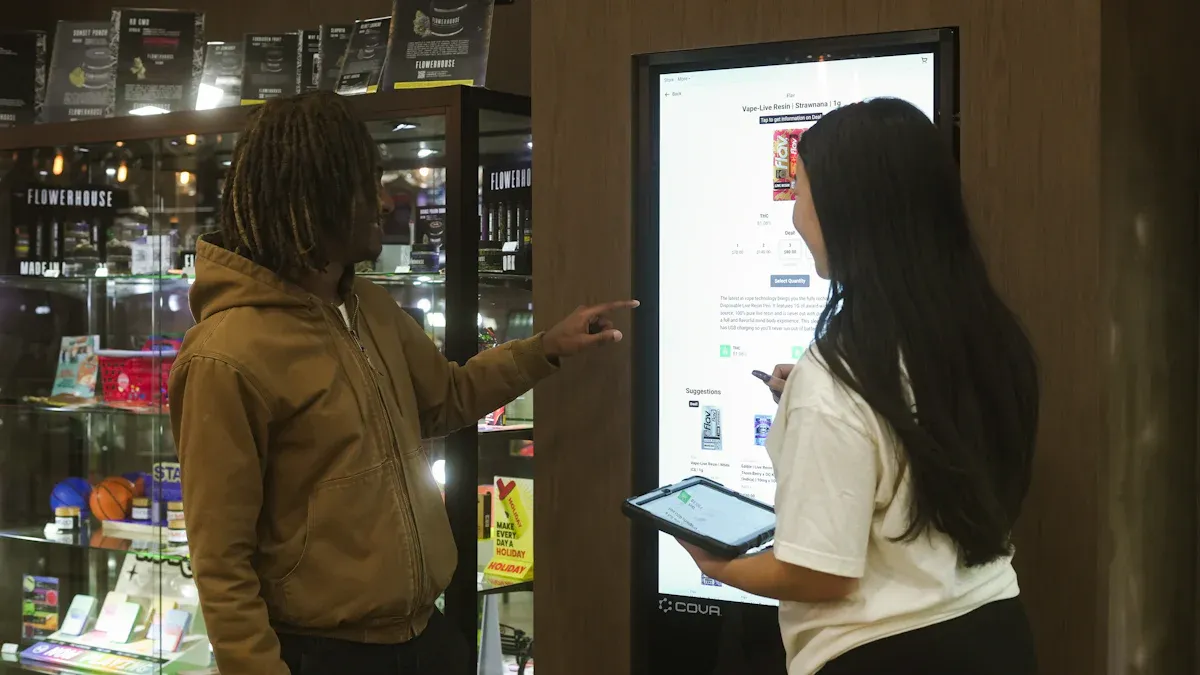
Top stores use AI to change how they work. Many companies connect your shopping data from online and in-store visits. You get personal service no matter where you shop. Generative AI makes product descriptions and marketing messages just for you. Dynamic pricing tools change prices quickly. You get fair prices based on demand and what other stores charge.
Here are some ways stores use AI:
AI-enhanced omnichannel experiences make shopping smooth
Generative AI creates custom product content
Dynamic pricing changes prices in real time
Fraud prevention keeps your payments safe
In-store surveillance improves security
Retail analytics helps stores know what you want
AI Technology | Description |
|---|---|
Fraud Prevention | AI checks transactions to stop fraud right away. |
In-Store Surveillance | AI watches video feeds to spot trouble and keep stores safe. |
Retail Analytics | AI finds patterns in your shopping to help stores decide better. |
Dynamic Pricing | AI changes prices fast based on demand and inventory. |
Tip: When you shop at top stores, you use these smart systems every day.
Measurable Results
You see real changes when stores use AI. Loss prevention tools help stores cut shrinkage by up to 50%. Workforce scheduling powered by AI lowers labor costs by about 15%. Inventory management systems reduce stockouts by 60% and cut inventory costs by 40%. These changes happen quickly. Stores see better workforce scheduling in 30 to 60 days. Inventory and demand forecasting show results in 60 to 120 days.
Use Case | Result Description |
|---|---|
Loss Prevention | Shrinkage drops by up to 50% |
Workforce Scheduling | Labor costs fall by an average of 15% |
Inventory Management | 60% fewer stockouts, 40% lower inventory costs |
Use Case | Time to Results |
|---|---|
Workforce Scheduling | 30 to 60 days |
Inventory and Demand Forecast | 60 to 120 days |
You see more than just saving money. AI trends help stores reduce lost sales and improve revenue. Customer satisfaction goes up. You stay loyal to stores that use AI to make shopping easier. These tools help stores predict demand, boost loyalty programs, and increase profits. When you shop, you get better service and more choices because of AI.
Emerging AI Trends in Stores
AI Shopping Assistants
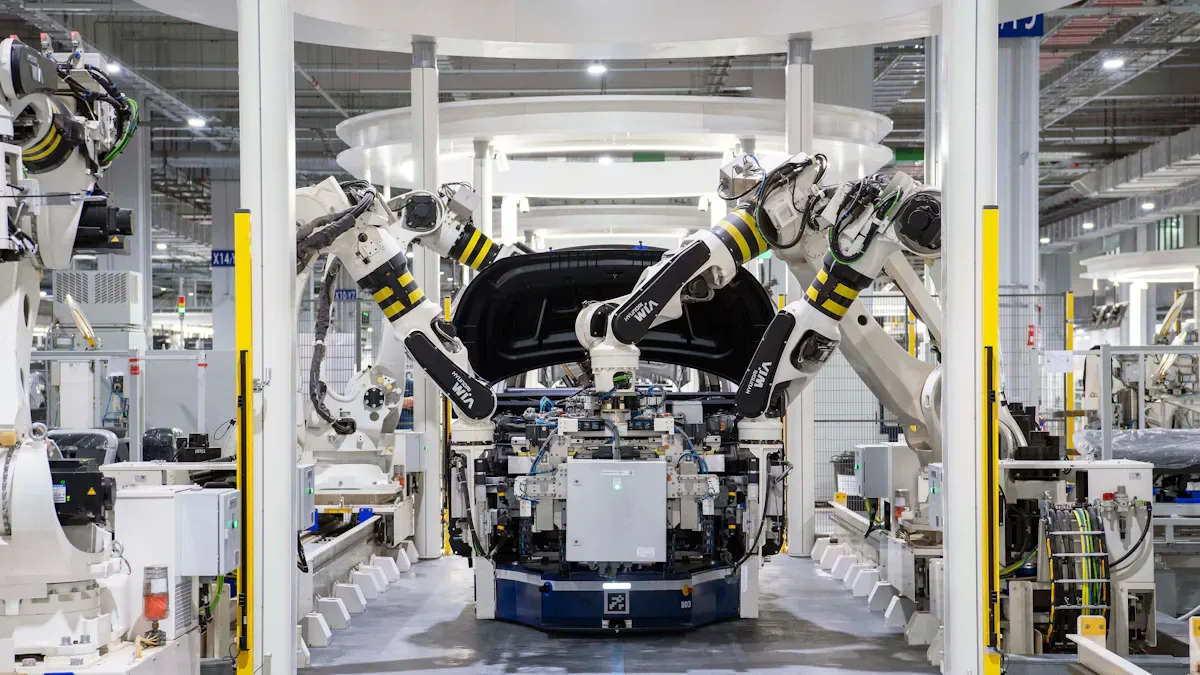
AI shopping assistants are in many stores now. They help you find things and answer your questions. You can compare items with their help. Shopping is faster and easier because of them. These assistants make your experience better. Store workers can focus on harder jobs.
Function/Benefit | Description |
|---|---|
Enhancing Customer Experience | AI assistants help shoppers during buying. They give help at the right time. |
Operational Efficiency | AI responds to shopper actions. It makes finding products easier. |
Inventory Management | AI helps manage inventory. It shows what customers like. |
Contextual Assistance | AI keeps track as you browse. It gives good suggestions. |
Comparison Guidance | AI explains differences between products. It helps you compare. |
Monos uses AI assistants for most chat tickets. This change cut costs by 75%. Stores have more revenue talks. You get help fast, and stores save money.
Hyper-Personalization
AI lets stores give you a unique shopping experience. Stores use artificial intelligence, machine learning, and predictive analytics. They learn what you like. You get suggestions based on what you bought before.
Technology | Benefits |
|---|---|
Artificial Intelligence | Makes shopping personal by looking at data and guessing what you want. |
Machine Learning | Gives you better choices based on what you did before. |
Predictive Analytics | Helps stores know what you need. It helps them plan inventory and marketing. |
You see more things you want to buy.
Stores earn 25% more money from personalization.
You stay loyal to stores that remember you.
Special offers help you save money and get fewer unwanted ads.
Customers rate stores 20% higher when shopping feels personal.
Smart Inventory
Smart inventory systems use AI to keep shelves full. They predict what you will buy and when. Stores avoid running out of popular items. They also stop having too much stock.
Aspect | Description |
|---|---|
Demand Forecasting | AI looks at old sales and trends. It helps stores plan inventory. |
Inventory Replenishment | AI orders more stock when it gets low. This stops stockouts. |
Cost Reduction | Better product supply cuts revenue loss by 30%. |
Overstock Prevention | Stores can lower inventory costs by 25% by avoiding too much stock. |
AI checks many things for better guesses.
It updates as new info comes in. Stores always have the right items.
Walmart uses AI to plan for busy times.
Harrods Limited and COOP Group use AI to lower stock by 20–30%. They save 5–15% on shipping.
Generative AI Experiences
Generative AI gives you new ways to shop. You can try on clothes or makeup virtually. Stores use this tech to give you personal suggestions.
Application Area | Percentage Usage |
|---|---|
AI-driven virtual try-ons | 28% |
Sephora’s Virtual Artist app shows makeup on your face.
Generative AI suggests products based on what you like.
You get a smooth shopping experience online and in stores.
Store workers use AI catalogs to answer questions and check stock fast.
Stores like Sephora and Adidas sell more and have loyal customers.
Computer Vision & Security
Computer vision uses cameras and AI to watch stores. It spots problems and stops theft. It tracks how you move in the store. Staff can help you faster.
Computer vision helps stores manage inventory, study customer actions, and give personal shopping. Stores work better and customers are happier.
Tesco uses heat maps to see where shoppers go most.
This helps them make better store layouts.
Walmart uses computer vision to catch shoplifting.
AI vision systems let stores fix problems before they happen.
AR Integration
Augmented reality (AR) adds digital features to shopping. You can use AR mirrors or apps to try on clothes. Furniture stores let you see how items look at home.
AR makes shopping fun and helps you feel sure.
You return fewer things because you know what fits.
Customers are happier when they use AR tools.
AI for Sustainability
AI helps stores be more sustainable. Stores use AI to plan inventory and waste less. AI looks at old sales and market signals to match stock with demand.
One store used AI to cut waste by 30%. Shelves stayed full.
Grocery stores use AI to plan space and lower food waste.
Unilever uses predictive analytics to improve stock and cut waste by 30%.
Fashion brands use AI to avoid making too many clothes.
Retailer | AI Application | Sustainability Impact |
|---|---|---|
Unilever | Predictive analytics for logistics | 30% better stock, less waste |
Fashion Brands | Demand forecasting with Stylumia | Stops millions of clothes from being wasted |
Various | Waste reduction through AI integration | 15-20% less waste costs |
You help the planet when you shop at stores using AI. Stores save money and resources. You find fresher products.
Strategy for Retail Leaders
Implementation Best Practices
You need a good plan to use AI in your store. First, think about what you want to achieve. Pick the best ways AI can help your business. Build a strong base by setting up the right tools and teaching your team. Try out small AI projects to see if they work. Use these tests to show how AI can help. Get ready to grow by making rules and training programs. Start using AI in your whole store. Keep making things better as you learn more.
Phase | Objectives | Deliverables | Success Criteria |
|---|---|---|---|
Strategic Planning | Set direction, assess needs, identify use cases | Alignment with business strategy | |
Foundation Building | Build infrastructure, train workforce | Technical infrastructure | Support for AI implementation |
Pilot Development | Test solutions, show value | Pilot results | Proof of AI value |
Scaling Preparation | Standardize, train staff | Training programs | Successful scaling |
Enterprise Deployment | Roll out AI across store | Deployment plan | Adoption and value realization |
Continuous Evolution | Improve and adapt | Improvement processes | Agility in AI investments |
Tip: Try small AI projects first. This helps you learn fast and avoid big mistakes.
Data Infrastructure
You need strong data systems for AI to work well. Build one main data platform that links your store’s systems, like ERP, PIM, and POS. This platform is like your “AI Brain.” It helps keep your inventory, prices, and store rules correct. Buy tools that gather, save, and study lots of data. Make sure your data is good, safe, and follows the rules. Walmart uses a data quality system to keep inventory right. Airbnb teaches workers about data with “Data University.” General Electric uses smart tools to clean and check data.
Note: If you skip building a good data system, your AI plans might not work.
Change Management
You will have problems when you start using AI in your store. There are not enough data science and machine learning experts. Teach your team new skills and get help from outside AI experts. Bad data is a big problem—32% of retail leaders say it makes AI hard to use. You need to set rules to keep your store’s good name. Use a plan to help your team get used to new tech.
Out-of-stocks hurt sales. AI helps you track inventory right away.
Customer loyalty drops. AI makes shopping personal and keeps people coming back.
Data is hard to understand. AI puts data together for better choices.
Most retail leaders feel happy about using AI in the future. You can beat problems by planning, teaching, and making sure your data is good.
Future of AI Trends in Retail
Evolving Expectations
You see shoppers wanting more from stores every year. People expect fast service and personal attention. AI helps stores meet these needs. In 2024, 78% of companies used AI, up from 55% the year before. This big jump shows how much shoppers want better experiences. You notice stores giving you real-time help and suggestions that fit your style. Retail leaders now spend over 50% more on AI. They know you want shopping to feel easy and special.
Experts say the future of shopping depends on AI. You will see more stores using smart tools to make your visits fun and smooth. AI will help stores give you what you want, when you want it. You will get offers and products that match your taste. Stores will use AI to answer your questions right away. You will enjoy shopping more because stores will know how to help you best.
Note: As AI grows, you will see even more creative ways to shop in stores. Expect new features that make your visits exciting and personal.
Opportunities & Challenges
AI brings many chances for stores to improve. You will see better service and more choices. Stores can work faster and waste less. But using AI also brings some problems. Stores must keep your data safe and private. They need to connect new AI tools with old systems. High costs can make it hard for some stores to start using AI.
Opportunities | Challenges |
|---|---|
Enhanced customer experiences through personalization | Technical integration with existing systems |
Increased sales and operational efficiency | Data privacy and security concerns |
Improved inventory management | High initial costs and ROI considerations |
You will benefit as stores use AI to make shopping better. But stores must solve these challenges to keep your trust. When stores use AI the right way, you get a safer, smarter, and more enjoyable shopping experience.
You need to use AI in your store to stay ahead. These new AI trends change how you serve customers and run your business. You see better sales, happier shoppers, and less waste. Start small by testing AI tools or building your data system.
The future of retail will keep changing. When you use AI, you help your store grow and meet new shopper needs.
FAQ
What is AI in retail?
AI in retail uses smart computer systems to help stores work better. You see AI in tools that manage inventory, suggest products, and answer questions. These systems make shopping easier and help stores save money.
How do AI shopping assistants help you?
AI shopping assistants answer your questions and help you find products. You get faster service and better suggestions. Store workers can focus on other tasks while AI helps you shop.
Is your data safe when stores use AI?
Most stores use strong security to protect your data. They follow rules to keep your information private. You can ask stores how they use and protect your data.
Can small stores use AI?
Small stores can use AI tools to improve service and manage inventory. Many AI solutions fit smaller budgets. You see better shopping experiences even in local shops.
See Also
The Future of Retail Lies in AI-Driven Stores
Understanding the Growth of AI-Enhanced Convenience Stores
Transforming Online Retail Management with AI-Driven Tools
