AI trends in brick and mortar retail

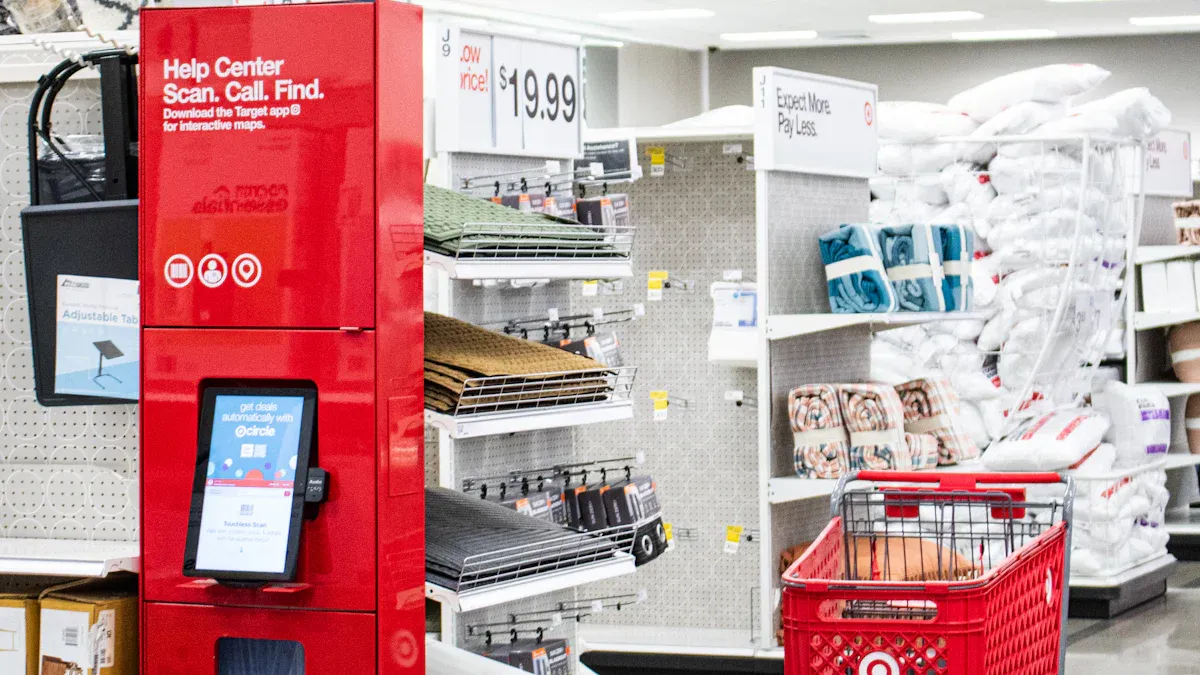
AI trends are changing stores faster than before. When you go into a store, AI tools can see what you like to buy. They can suggest things you may enjoy. Stores that use AI for personalization often make up to 40% more money. Most people want brands to make shopping feel special for them. Almost three out of four shoppers pick stores with personal messages. AI now helps stores learn fast, create fun experiences, and run better in real stores.
Key Takeaways
AI makes shopping more personal for each customer. This makes customers happier and helps stores sell more. Smart mirrors and AR tools make shopping fun and easy. These tools help people enjoy their time in the store. AI helps stores keep track of products better. This means shelves are not empty and things people want are there. Dynamic pricing lets stores change prices quickly. This helps customers get good deals. AI helps manage workers better. Employees can spend more time helping customers instead of doing boring jobs.
Current AI trends in brick and mortar
Personalization & targeted marketing
You see personalization everywhere in brick and mortar stores today. When you walk into a store, AI can track your shopping history and loyalty data. This helps the store know what you like and what you might want to buy next. For example, Starbucks uses AI to send you special offers based on your past orders. Retailers use these tools to make sure you get the right deals at the right time.
AI trends show that stores now use big data to create marketing campaigns just for you. They divide shoppers into small groups and send each group different offers. This method increases the chance that you will buy something. One store saw a 35% jump in conversion rates and cut campaign build time by 70% after using AI for personalized offers. You also get real-time recommendations while you shop, which makes your experience smoother and more fun.
Here is how AI-powered targeted marketing works in brick and mortar retail:
Key Findings | Description |
|---|---|
AI's Role in Personalization | AI studies large sets of data to suggest products and deals you will like. |
Enhanced Customer Satisfaction | You feel happier when you get offers that match your interests. |
Optimized Marketing Spend | Stores save money by sending deals only to people who want them. |
Big Data Analytics | AI looks at trends to help stores make better decisions. |
Predictive Analytics | Stores can guess what you might need next and get ready to help you. |
You want shopping to feel special. Over 70% of shoppers say they like real-time suggestions, and almost 75% use their phones to find things in stores. Beacon technology helps you find products and get deals as you walk around. These AI trends make brick and mortar shopping more personal and exciting.
Immersive in-store experiences
AI in retail now brings you new ways to enjoy shopping. You can try on clothes using smart mirrors, like the ones at H&M. These mirrors know what you are holding and can show you how the clothes look on you. Nike Fit uses AR to scan your feet and find the perfect shoe size. Some stores use AR holograms or digital displays to show you more about products.
Here are some examples of immersive experiences in brick and mortar retail:
Smart mirrors give you virtual try-ons and style tips.
AR tools help you see how products fit or look in real life.
Interactive displays show you videos or special effects when you touch products.
Beacon technology guides you through the store and sends you offers.
These tools make shopping more fun and help you find what you need faster. You spend more time in the store and are more likely to buy something. When you enjoy your visit, you want to come back again. Immersive in-store retail experiences also lead to fewer returns because you can see and try products before you buy.
Customer loyalty & satisfaction
AI trends in brick and mortar retail focus on making you happy and keeping you coming back. Stores use AI to study your shopping habits and reward you with points or special deals. They can see what works best for you and change their offers to fit your needs. This makes you feel valued and understood.
You get real-time help from AI-powered chatbots or kiosks. These tools answer your questions and help you find products. Stores also use AI to collect feedback and improve your experience. When you get offers that match your interests, you are more likely to return and shop again.
AI creates a seamless and personal shopping journey.
Personalized rewards and dynamic pricing make you feel special.
Stores use your feedback to make shopping better for everyone.
You get support right when you need it, which builds trust.
AI in retail helps stores design better layouts, place popular items where you can see them, and keep shelves stocked. All these changes lead to higher customer engagement and satisfaction. You enjoy shopping more, and stores see more repeat business.
AI for inventory & supply chain
Automated stock monitoring
Stores have fewer empty shelves now because AI helps track products. Automated stock monitoring uses real-time data to follow items in all stores. When products run low, AI sends orders to refill them. This keeps inventory correct for both online and brick and mortar stores.
Evidence Type | Description |
|---|---|
Inventory management | AI lets stores manage inventory well in both online and physical stores. |
Real-time data analysis | Automated systems watch inventory and send orders when needed. |
Automated replenishment systems | These systems reorder stock when it gets low, so stores do not run out. |
Dynamic reordering systems | AI checks stock levels and sends orders in real time. |
Real-time inventory synchronization | AI keeps inventory updated across all stores and online shops. |
AI also finds problems like phantom inventory and miscounts. This makes shopping easier and more reliable.
Predictive analytics
AI uses predictive analytics to help stores plan inventory better. This technology looks at past sales, customer habits, and supplier performance. You get the products you want at the right time, even during busy seasons.
Benefit | Description |
|---|---|
Demand Forecasting | Predictive analytics helps stores guess what people will buy. |
Stock Optimization | Seasonal forecasting helps stores waste less and sell more. |
Operational Efficiency | Real-time analytics turn data into plans that help stores grow. |
Tools like Inventory Planner help stores buy the right amount of products. AI can run "what-if" tests so planners can change orders for busy times or delays.
Dynamic pricing
You see prices change in stores because AI watches market conditions. AI uses dynamic pricing by studying customer habits, inventory, and competitor prices. Real-time analytics let stores change prices fast, so you get good deals.
Evidence Description | Key Points |
|---|---|
AI and machine learning analyze data | Stores use AI to study customer habits, inventory, and competitor prices. |
Real-time analytics | Stores can change prices right away when things change. |
Contextual variables | AI looks at things like weather and past sales to set prices. |
Kroger uses electronic shelf labels with AI to change prices based on demand and competition. You get fair prices, and stores stay strong in a fast retail world.
AI for brick and mortar operations
Workforce optimization
Stores are changing how they manage their teams. AI uses data to help plan staff schedules. More than 87% of retailers use AI to improve workforce management. These tools look at sales numbers and what employees like. This helps stores make better shift plans. You can check your schedule or swap shifts with mobile apps. Chatbots answer most HR questions quickly. Robotic Process Automation handles back-end tasks. This lets you focus on helping customers. With AI, you spend more time on important work and less on boring jobs.
Improvement Type | Description |
|---|---|
Streamlined Routine Jobs | Automation helps manage inventory and pricing. This saves money and labor. |
Enhanced Visibility | AI gives insights that help stores work better. |
Empowered Employees | Automation lets staff focus on bigger tasks. This makes employees happier. |
Loss prevention & fraud detection
AI helps stores stay safe by finding theft and fraud fast. You benefit from systems that watch for strange sales or customer actions. These systems look at lots of data to find patterns and stop fraud early. Visa used AI to stop over $350 million in fraud. Some stores use AI to scan camera footage and spot hidden items or weapons. Real-time analytics help stores act quickly. This reduces losses and keeps you safe. AI finds fraud better than old methods, improving accuracy by over 50%.
AI finds tricky fraud patterns and learns new tricks.
It checks transactions for odd activity.
Stores use these tools everywhere for better security.
Checkout automation
You want checkout to be fast and easy. AI-powered systems make this happen. Self-checkout kiosks recognize products and process payments. They also spot errors or theft. This means fewer mistakes and faster service. AI predicts busy times and opens more lanes or guides you to self-checkout. You wait less. Stores use AI to give you discounts or rewards at checkout.
Feature | AI-Powered Checkout | Traditional Checkout |
|---|---|---|
Speed | Transactions are much faster | Manual processes make it slower |
Error Rates | Automation means fewer mistakes | Human error is more common |
Automation | Key steps are automated | Manual input is needed |
Adaptability | Changes to shopper behavior in real-time | Less responsive and stays the same |
AI helps stores run better, keeps you safe, and makes shopping easier.
Challenges & considerations
Data privacy
You may worry about your data when stores use AI. AI gathers lots of real-time data from many places. It is hard to manage all this information. Sometimes, data comes from different systems. This makes it tough to keep security strong. Bad data can cause mistakes and break rules. If there are no clear rules, someone might get access who should not. Employees or vendors can make mistakes or cause problems. You must follow many privacy laws. This makes things more complicated. Small stores may not have enough money for strong security. Old tools may not find threats fast. So, stores need better ways to protect your information.
Tip: Always check how stores use your data. Ask questions if you feel unsure.
Implementation costs
It can cost a lot to use AI in stores. You need to buy hardware, software, and hire skilled workers. Adding AI to old systems is hard and expensive. You must balance these costs with the benefits. Many stores see that AI helps them work better and connect with customers. This can help stores make more money. Careful planning helps you get more value from your investment. A smart plan lets you get the most out of AI and makes the cost worth it.
Old systems make it hard to grow.
High costs limit spending.
Not enough skilled workers slows AI progress.
Staff training
Stores need good training for staff when using AI. Most leaders say employees use AI at work. Over two-thirds of workers may leave if they do not get tech training. You learn best with scenario-based lessons. These lessons use AI to make fun and interactive practice. For example, you can use VR headsets to practice in a digital store. You get feedback right away. Stores should support diversity, equity, and inclusion during AI changes. Easy and ongoing learning helps you build new skills.
Strategy | Description |
|---|---|
Drive diversity, equity and inclusion | Make sure AI changes are fair for everyone. Listen to employee concerns and fix unfairness. |
Foster employability and a learning culture | Give staff chances to keep learning. Use AI to help employees learn new skills. |
You feel more confident and ready to use new technology. This helps stores do well with AI and keeps you interested.
Future outlook for AI in retail
Emerging technologies
New AI tools will change how you shop in stores. You can talk to chatbots or use your voice to get help. By 2026, one out of four shoppers will use AI chatbots for shopping. Stores will use robots and cashierless systems to manage inventory and help customers. You might walk in, grab what you need, and leave without waiting in line.
Hyper-personalization will matter more. AI will suggest products just for you. This makes shopping feel special. Stores using hyper-personalization can earn up to 40% more money. Physical stores will become places to try new things. You may see smart mirrors, AR displays, or virtual queuing that makes your visit easier.
Experts believe AI will make most decisions in stores. You will get faster service, better product choices, and more accurate suggestions.
Here are ways new technologies will change brick and mortar stores:
AI chat and voice tools help you find products and answers.
Robots and automation keep shelves full and stores clean.
Personalized offers make shopping more fun and rewarding.
Stores use immersive tech to create unique experiences.
Omnichannel integration
You want shopping to be simple, whether in-store or online. AI helps stores connect all shopping channels. AI recommendation engines look at your data from everywhere you shop. They suggest products that fit your style and needs. Eight out of ten people like brands that give personalized experiences.
AI can send discounts in real time, so you get deals when you need them. You see messages that match your interests. Almost nine out of ten shoppers think AI tools make shopping better. Nearly three out of four are open to using AI chatbots for customer service.
Stores will use AI to learn what you want and change quickly. This helps stores avoid empty shelves and too much stock, making shopping smoother.
Omnichannel AI Benefits | What You Experience |
|---|---|
Personalized suggestions | Products that match your taste |
Real-time discounts | Deals sent to your phone or app |
Targeted marketing | Messages that fit your interests |
Improved inventory | Shelves stocked with what you need |
AI trends will keep changing how stores work. You will see easier shopping and better service as AI connects every part of your retail journey.
You notice AI is changing stores all the time. Stores use AI to guess what people will buy. AI helps order new products when shelves get low. It also makes shopping feel more personal for you. Workers can spend more time helping you instead of doing boring jobs. If you want your store to do better, hire people who know AI. Use AI to look at data and guess what will sell. Check how well your store does after using AI. Most stores now use AI. More than half of shoppers want shopping to be easier.
Statistic | Value | Description |
|---|---|---|
AI Adoption | 84% | Most stores use AI and want more good results |
Sales Contribution | 87% | Most sales still happen in stores |
Demand Prediction Accuracy | 90% | AI is very good at guessing what people will buy |
You will see stores change as AI makes shopping smarter and more fun.
FAQ
What is AI in brick and mortar retail?
AI helps stores use smart tools to understand what you like. You see better offers, faster service, and more personal shopping. Stores use data to make your visit easier.
How does AI improve your shopping experience?
You get real-time suggestions, virtual try-ons, and quick checkout. AI helps stores keep shelves full and prices fair. You spend less time waiting and more time finding what you want.
Tip: Try using store apps or kiosks for extra deals powered by AI.
Is your personal data safe when stores use AI?
Stores must follow privacy laws and protect your information. You can ask how your data is used. Most stores use strong security, but you should stay alert.
Data Safety Steps | What You Can Do |
|---|---|
Check privacy policy | Ask questions |
Use secure apps | Avoid sharing too much |
Will AI replace store workers?
AI helps workers do their jobs better. You see staff focus on helping you instead of boring tasks. Stores use AI for routine jobs, but people still play a big role.
See Also
Understanding AI-Driven Convenience Stores: Essential Insights for Retailers
The Future of Retail: Embracing AI-Driven Stores
Comparing Micromarkets and Smart Stores: Global Automation Insights
Upcoming Changes in Walmart Self-Checkout by 2025
Walgreens Self-Checkout: Benefits and Challenges in Modern Retail
