How Artificial Intelligence Is Modernizing In-Store Shopping

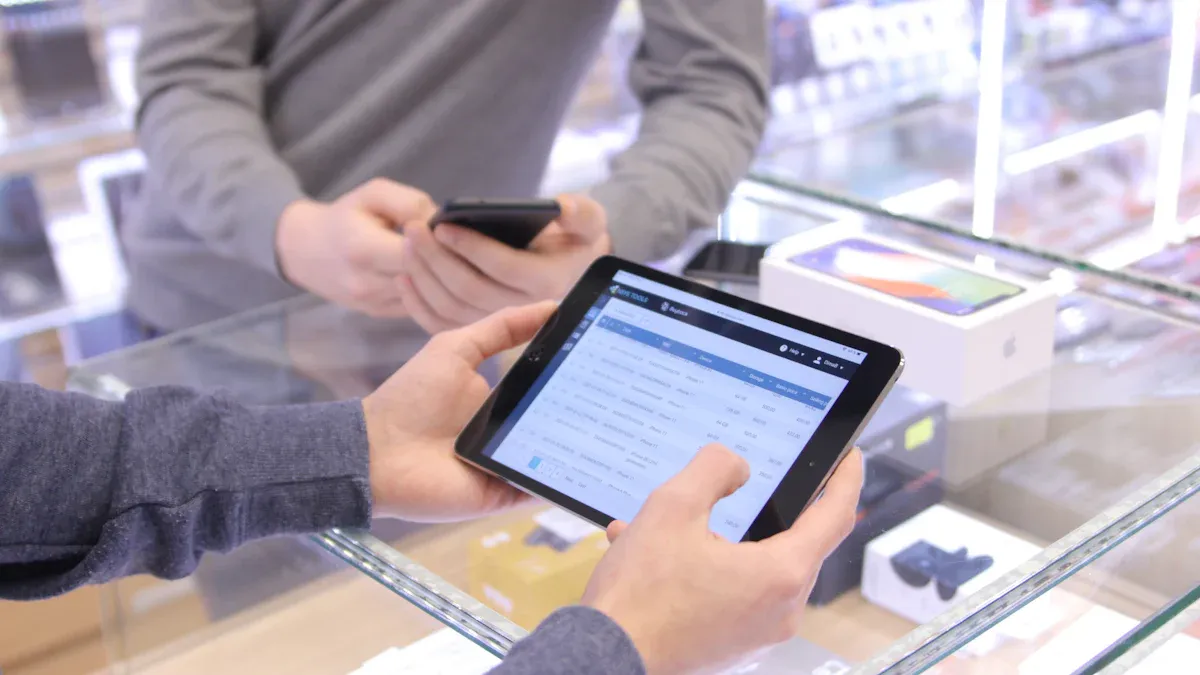
You now see in-store shopping transformed by AI trends. Today, regular stores are utilizing artificial intelligence more than ever before. About 74% of them use it for customer and store analytics. This rapid change brings you personalized suggestions, no-cashier checkout, and smarter inventory management. Stores are improving their operations and learning from data. You enjoy greater convenience and a shopping experience tailored just for you.
Year | Global AI in Retail Market Size (USD Billion) |
|---|---|
2024 | 11.1 |
2025 | 13.26 |
2033 | 55.16 |
AI trends continue to grow rapidly, helping brick-and-mortar stores thrive in the digital landscape.
Key Takeaways
AI makes shopping personal by giving you suggestions you might like. AI looks at what you prefer and helps you find things you want. Cashier-less stores use AI so you can pay fast and leave quickly. This saves you time when you shop. Smart inventory systems help keep products in stock for you. You can find what you need when you visit the store. AI-driven promotions give you deals that fit your likes and where you are. Retailers use AI to make store layouts better and plan staff schedules. This helps you get better service when you shop.
Personalized Shopping Experiences
AI Recommendations
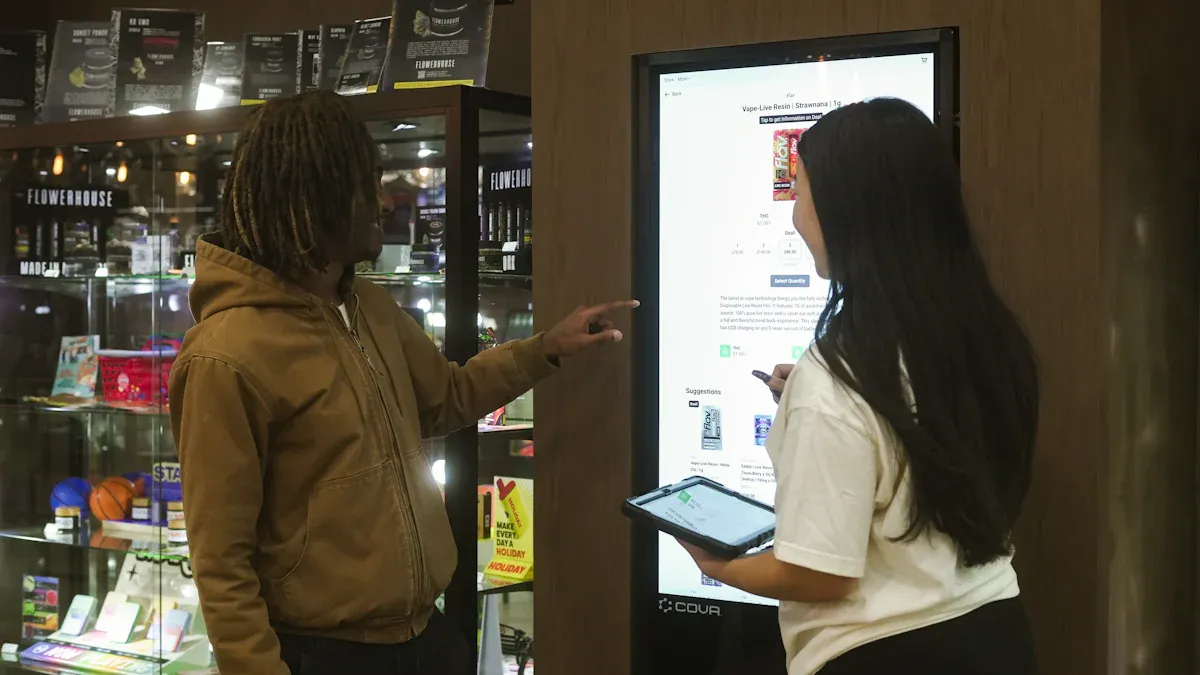
Now, you get shopping ideas that fit your style and needs. AI recommendations look at your browsing, what you bought before, and where you are. This technology guesses what you might want next. In stores, smart shelves and digital tags change prices and deals right away. You see things you like as soon as you walk in. These personal touches help you find things faster and make shopping more fun.
More than half of shoppers want AI-powered tools like virtual assistants to make shopping better. When stores use these tools, you feel like they know you and care about you.
Smart Fitting Rooms
Smart fitting rooms change how you try on clothes. You can use smart mirrors to see outfits without changing over and over. These mirrors use visual recognition to show items that match your taste or size. You can ask for a new color or size with one touch. This saves time and makes shopping simple. Stores with smart fitting rooms see more people buying things.
Smart mirrors and displays help you find new products.
Mobile apps and beacons link your online and in-store shopping.
Real-Time Assistance
You get help right when you need it. AI-powered assistants answer your questions and help you in the store. These systems use your shopping history and likes to give good advice. If you need to find something, the assistant can show you or suggest something else. This support makes you happy and want to come back.
AI trends show that stores using these tools get more sales and happier shoppers. You enjoy a shopping trip that feels special and easy.
Automated and Cashier-Less Stores
Computer Vision Checkout
Some stores now use computer vision checkout. Overhead cameras and shelf sensors watch what you pick up. The cameras have wide lenses and use infrared to see your moves. Shelf sensors know when you take or put back items. RFID hardware helps the store know which products you choose. This keeps inventory correct. Sensor fusion hardware links all these tools together. The system records every sale as it happens. You do not need to scan items or wait in line. The store charges you when you leave.
Studies show these systems charge you right almost every time. Mistakes happen less than 1% of the time in tests.
Self-Service Kiosks
Self-service kiosks help you shop faster and easier. You scan your items, pay, and leave without a cashier. These kiosks use AI to help with payment and product info. You get quick answers if you need help. Stores use kiosks to save money and work better. You spend less time waiting and more time shopping.
Case Study: Amazon Go
Amazon Go stores show how cashier-less shopping works. You walk in, take what you want, and leave. The Just Walk Out platform uses computer vision and AI to track what you buy. Amazon cut costs from $4 million in 2017 to $159,000 in 2021 for a small store. This is a 96% drop. Cashier-less stores save about 15% on running costs. Predictive inventory management helps reduce stockouts and too much stock by up to 30%. Amazon Go stores keep opening, showing how AI changes retail.
Evidence Type | Description |
|---|---|
Labor Cost Reduction | Cashierless stores use machines for checkout, so fewer workers are needed. |
Cost Savings | No cashiers saves about 15% of store costs. |
Operating Cost Decline | Amazon's system cut yearly costs by 96% from 2017 to 2021. |
Inventory Management | Predictive systems lower stockouts and extra stock by 20-30%. |
You see more stores in busy cities because cashier-less tech makes small stores possible. AI trends help stores run better and make shopping smoother for you.
Smart Inventory and Operations
Demand Forecasting
Stores can guess what you want before you ask. AI-powered demand forecasting uses real-time data from many places. It checks sales at the register, online shopping, and mobile app activity. It also looks at social media trends. AI checks local weather, holidays, and changes in the economy. This helps stores know what products you will want and when. With these tools, stores avoid running out of popular items. They also avoid having too much of what you do not need.
AI-driven forecasting can cut supply chain mistakes by half.
Better product availability means fewer empty shelves and lost sales.
Retailers can lower inventory costs by avoiding too much stock.
For example, H&M uses AI to match inventory with local tastes. This lets them reduce extra stock and get popular items to you faster.
Inventory Optimization
AI trends help stores keep the right amount of products. Smart systems watch inventory in real time and automate reordering. You benefit because shelves stay stocked with what you want. Stores use machine learning to move products to the right spots based on demand. AI also helps set prices and run promotions that match what shoppers want.
Better forecast accuracy
Fewer stockouts and less extra stock
Improved supply chain efficiency
Automated restocking
Dynamic pricing and promotions
AI enables real-time inventory updates across stores, online shops, and warehouses. This keeps everything in sync and makes shopping smoother for you.
Traffic Analysis
AI tracks how people move through stores. It counts how many shoppers enter, where they go, and how long they stay. Stores use this data to place products in the best spots. They also plan staff schedules. When stores understand traffic patterns, they can improve your experience. They make sure you find what you need quickly.
Smart inventory management powered by AI gives you better choices and helps stores run more efficiently.
Targeted Marketing and Customization
AI-Driven Promotions
Stores use AI to make special deals just for you. AI checks what you bought before and finds patterns. It helps stores send offers that match your likes and needs. When you enter a store, you might get a deal on your favorite brand. Stores use real-time data to change prices and offers fast. This helps stores earn more money and gives you better deals.
Aspect | Description |
|---|---|
Tailored Marketing Efforts | AI looks at customer data to make ads for certain groups. |
Dynamic Pricing Strategies | Real-time data lets stores change prices based on demand and what other stores do, so they make more money. |
Personalized Product Recommendations | AI gives you ideas for things to buy based on what you like, making shopping more fun and helping stores sell more. |
These special ads make shopping more fun and personal for you.
Location-Based Offers
AI helps stores send you deals based on where you are. If you walk by a section, you might get a coupon for those products. Electronic shelf labels change prices and deals right away. Smart shelves notice what you like and show you matching deals. You get offers that feel just for you and come at the right time.
Electronic shelf labels change prices and deals fast.
Smart shelves show you deals that fit your likes.
Smart mirrors let you see outfits without changing clothes, making shopping easier.
AI helps stores react to changes quickly. You see new deals as soon as they start.
Customer Data Personalization
AI uses your shopping data to help you find what you want. It checks what you buy, how you shop, and what you like. Stores use this to suggest things you may want to buy. Real-time data helps stores talk to you in smart ways. You get ideas that fit your needs and interests. This makes shopping easier and more fun.
AI looks at your data to give you product ideas that fit you. Real-time data helps stores connect with you using smart tools in the store.
You feel special when stores remember what you like and show you things you love.
AI Trends in Brick-and-Mortar Retail
Market Growth
More stores use artificial intelligence every year. Retailers want to serve you better and make stores work well. Right now, most stores spend only a little money on AI. About 77% of stores use 5% or less of their tech budget for AI. This will change soon. Almost 39% of stores plan to spend over 10% of their tech budget on AI in three years. You will see more smart tools in stores as they see good results. Stores move fast to use new technology, but leaders also think about risks and costs.
More stores use AI to help with daily jobs.
Retailers plan to spend more on AI each year.
You will see new tech in your favorite stores soon.
Generative AI Innovations
Generative AI brings new ways to shop. Some clothing stores have a virtual personal shopper. This tool gives you style and size tips, uses AR for trying on clothes, and helps you manage your cart in different places. You get help that is quick and feels personal.
Some stores use generative AI to answer your questions. Chatbots give you fast and helpful answers, making shopping easier.
Store workers use generative AI to find answers about store rules and products. This helps them help you faster.
Generative AI checks what customers say. It finds patterns and helps stores make service and products better.
These tools make shopping easier and more fun for you. Stores use generative AI to give you a better visit every time.
Future Retail Experiences
Stores will change even more soon. AI trends show hyper-personalization, cashier-less shopping, and smart shelves are coming. Smart shelves use sensors and IoT devices to track stock in real time. This helps stores restock fast and move products between stores. You find what you want, and stores do not run out or have too much.
Amazon uses AI for recommendations and moving products. This helps them open stores faster and serve you better.
Walmart uses AI to guess what people want and manage products in stores and online. This helps them stay ahead and helps you find what you need.
Alibaba uses AI for its supply chain and ads. This lets them open stores quickly and beat other stores.
Focal Systems works with big stores to use AI for inventory and shelf checks. This cuts down on manual work and makes shopping better for you.
You will see stores open faster and give better service because of these tools. AI trends help stores learn from data and make smart choices. You get a shopping trip that feels modern and personal.
Predictive and Data-Driven Strategies
Sales Optimization
You can see how AI helps stores sell more by using predictive analytics. These smart tools look at past sales, seasonal trends, and what is happening in the market right now. AI finds patterns in this data and helps stores know what you might want to buy next. When stores use these insights, they can:
Spot changes in demand early and adjust stock quickly.
Reduce empty shelves, so you always find what you want.
Match inventory with special events or sales.
Set prices that fit what shoppers want and what is happening in the market.
Plan promotions that reach you at the right time.
AI-driven demand forecasting also helps stores avoid having too much or too little stock. This means less waste and better profits for the store. You get a better shopping experience because the products you want are there when you need them.
Store Layout Enhancement
AI helps stores design layouts that make shopping easier for you. By tracking how you and other shoppers move through the store, AI finds the best places to put products. Stores use this information to:
Make it easier for you to find popular items.
Boost your satisfaction with the shopping trip.
Raise the number of people who buy something after entering the store.
When stores use AI to improve layouts, you spend less time searching and more time enjoying your visit.
Workforce Planning
AI also helps stores plan how many workers they need and when. By looking at sales data and shopper traffic, AI predicts busy times and slow periods. Stores can then schedule the right number of staff for each shift. This means you get help faster when you need it, and workers are not overwhelmed. Smart workforce planning leads to better service and happier shoppers.
Competitive Edge and Implementation
Staying Competitive
Retailers need to use AI to stay ahead. Many stores have problems like high costs and worries about privacy. Buying new equipment and training workers can be expensive. Stores must also protect customer data and follow rules. Some workers worry about losing their jobs or not having the right skills. To do well, stores need a good plan to fix these problems.
Overcoming Challenges
There are ways to solve these problems. Start by fixing the most expensive parts, like old systems. Buy good tools to collect the right data. Pick AI platforms that work with your current systems. This helps connect data and actions. Train your workers so they can use the new tools. Check your progress often to see what is working. For example, Tractor Supply uses AI to help customers. This makes shoppers happy and helps the store sell more. These steps make it easier to use AI in your store.
Measuring Success
You can see if AI is working by looking at results. Stores like Amazon and Walmart use AI to help shoppers and manage products. This makes customers happier and helps stores sell more. Walmart uses AI to guess what people will buy. This stops empty shelves and saves money. AI also helps stop fraud, saving stores a lot of money. To know if you are doing well, check things like sales, happy customers, and how much money you save. Keep checking these things to make your AI plans better and stay ahead.
AI is changing how you shop in stores. It helps you spend less time waiting. AI makes your shopping experience feel special. It also makes checkout faster and easier. Stores use AI to keep track of products. They use it to do jobs automatically. AI helps stores give better service.
Why AI Matters for Retail | Description |
|---|---|
AI lets stores be different from others. | |
Customer Expectations | You want service that is quick and smart. |
Competitive Advantage | AI helps stores do better than others. |
Soon, you will get more offers made just for you. Shopping will be smooth and easy. Stores will be smarter. Think about how these changes could help your next shopping trip or your business ideas.
FAQ
What is artificial intelligence in retail stores?
Artificial intelligence in retail stores means smart computer systems help you shop. These systems can suggest products, manage inventory, and speed up checkout. You see more helpful tools and faster service because of AI.
How does AI make shopping easier for me?
AI gives you product suggestions, helps you find items, and speeds up checkout. You get special deals and quick answers to questions. Shopping feels smoother and more personal.
Will AI take away jobs in stores?
AI can change some jobs, but it also creates new roles. You may see fewer cashiers, but more tech helpers and customer service staff. Stores need people to manage and support AI tools.
Is my data safe when stores use AI?
Most stores use strong security to protect your data. You should check store privacy policies and ask questions if you worry about your information.
Can small stores use AI, or is it only for big companies?
Small stores can use AI too. Many tools are affordable and easy to set up. You may see smart shelves, digital signs, or simple chatbots in local shops.
See Also
The Future of Retail Lies in AI-Driven Stores
Transforming Online Retail Management with AI E-Commerce Solutions
Retailers Must Understand the Growth of AI Corner Stores
Global Insights on Automated Retail: Micromarkets Versus Smart Stores
Revolutionizing Retail: The Impact of Smart Electronics Vending Machines
