Maximizing store profits through autonomous checkout cost savings


Autonomous checkout systems help stores achieve significant cost savings by reducing real costs. Many stores report spending less on labor, with Aldi saving 20% on labor costs. Some other stores have experienced cost savings of up to 70%.
Company | Impact on Labor Costs |
|---|---|
Aldi | 20% reduction |
Other Stores | Up to 70% reduction |
Additionally, these systems help prevent inventory loss more effectively. Advanced monitoring allows for quick detection of theft and mistakes. Regular audits and weight detection technology contribute to this as well. Overall, these systems simplify daily operations, enabling your team to concentrate on the most critical tasks.
Key Takeaways
Autonomous checkout systems can cut labor costs by up to 70%. This helps stores save money and make more profit. These systems make checkout faster. Customers wait less and feel happier. Stores need fewer cashiers. They can move workers to other important jobs. This makes the store run better. The technology in autonomous checkout stops inventory loss. More products stay in stock and profits are safe. Spending money on autonomous checkout saves a lot over time. Many stores earn back their investment in two or three years.
Labor Cost Savings
Fewer Cashiers Needed
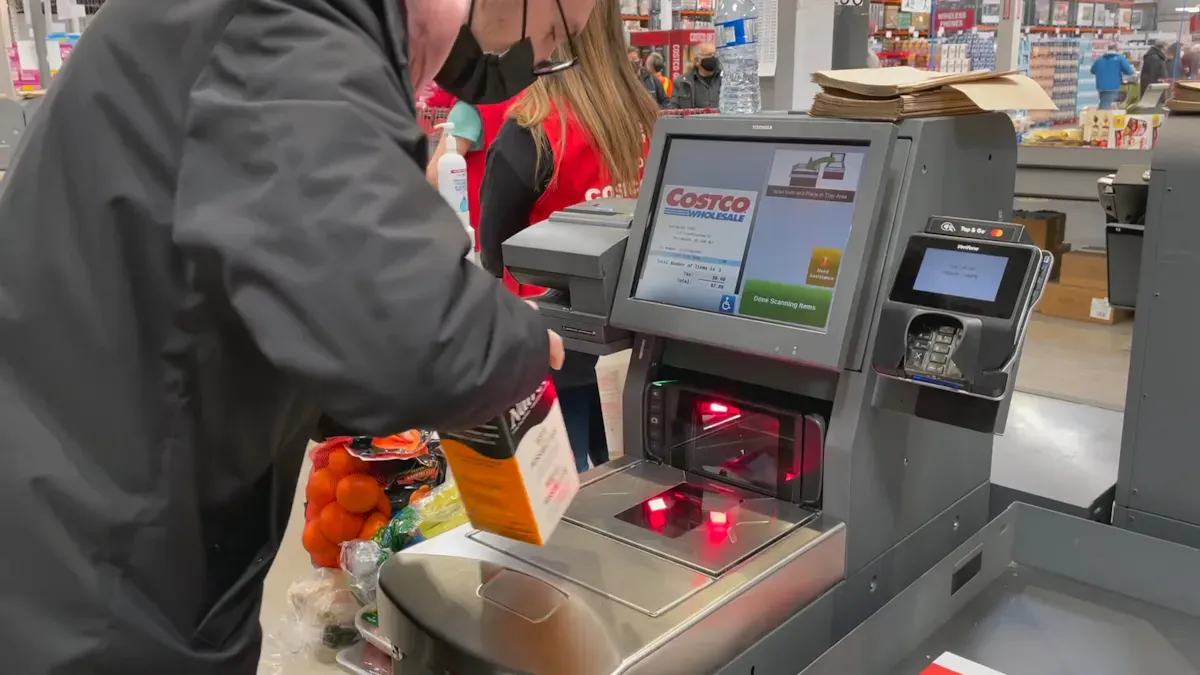
Autonomous checkout systems let stores use fewer cashiers. Many stores have seen a big drop in how many workers they need. For example:
Self-checkout can cut staff costs by half.
Grabango helped Aldi lower labor costs by 20%.
With fewer cashiers, stores can move workers to other jobs. This helps stores serve more shoppers without hiring more people. Some stores now need up to 70% fewer checkout workers. This not only saves money but also helps shoppers get help faster.
Lower Payroll Expenses
Having fewer cashiers means payroll costs go down. Many stores have saved 60% on cashier pay. In busy stores, self-checkout stops long lines and fewer people leave without buying. One worker can watch several checkouts at once. This is very helpful in places where pay is high, like New York City.
Tip: Autonomous checkout helps you use your workers better and focus on helping customers.
Here is a table that shows how these systems save money on labor:
Mechanism | Impact on Labor Costs |
|---|---|
Fewer staff needed at checkout lanes | Lets stores use workers in better ways |
More checkouts without more staff | Lets more shoppers check out at once |
Better technology (AI, ML) | Makes work faster and more correct, saving more money |
These changes save real money and help stores make more profit.
Reduced Hiring and Training
Using autonomous checkout means you spend less on hiring and training new cashiers. Self-checkout can cut front-end work hours by 20–30%. You still need some workers to help shoppers and handle special cases, but you do not need as many new hires. This means you save time and money on training.
Autonomous checkout also changes what jobs are needed in the store. You might need more workers for fixing machines, looking at data, or helping customers. Your current workers can learn new skills and do these jobs. This helps your team grow and learn new things.
Note: Saving money on labor is clear. Stores like Aldi have saved 20% on labor, which means more profit and better work.
Operational Efficiency
Faster Checkout Process
Autonomous checkout systems make checkout much faster. Shoppers scan and pay for their items by themselves. This means lines move quicker and people wait less. Smart queue systems show shoppers which lanes are open. Contactless payment lets people pay without touching anything. Self-checkout also helps stop mistakes, so workers fix fewer errors. These systems make shopping smoother for everyone.
Tip: When checkout is faster, customers are happier and stores sell more.
Streamlined Store Operations
Autonomous checkout helps stores run better every day. These systems use computer vision and machine learning to spot and check items. They connect to your point-of-sale system, so inventory updates right away. You can see what is in stock and restock when needed. This technology works in many stores, like grocery, clothing, and electronics. It fits different store layouts and types of products, so stores can change easily.
Here is a table that shows how autonomous checkout makes stores work better:
Efficiency Type | Description |
|---|---|
Reduced Labor Costs | Automation can lower labor costs by up to 20%, letting workers focus on more valuable tasks. |
Streamlined Checkout Processes | Self-checkout reduces wait times and lets customers scan and pay for items themselves. |
Improved Resource Allocation | Employees can manage inventory or assist customers, enhancing overall efficiency. |
Enhanced Inventory Management | AI technology tracks inventory in real time, reducing mistakes and improving stock control. |
Better Staff Allocation
With autonomous checkout, you can give workers more important jobs. You do not need as many cashiers at the front. Workers can help stock shelves, help shoppers, and keep the store neat. This makes the store run better and helps customers more. Moving staff to new jobs saves money and makes the team stronger. Stores get more value from their workers and work more smoothly.
Note: Giving staff better jobs helps customers and makes the store do well.
Inventory Loss Prevention
Less Shrinkage
You face a big challenge with inventory loss, also called shrinkage. This happens when items go missing because of theft, mistakes, or errors at checkout. Autonomous checkout systems help you fight this problem. These systems use smart technology to watch for theft and spot mistakes right away.
AI-powered cameras can see when someone tries to hide an item or skip scanning it.
Weight sensors check if the weight in the bag matches what was scanned.
Video analytics look for strange actions, like someone putting items in their pockets.
You get alerts if the system finds something odd. This means you can act fast and stop losses before they grow. Stores that use autonomous checkout see shrinkage drop by 20–30% compared to old checkout methods. That means you keep more of your products and protect your profits.
Tip: Lower shrinkage means more cost savings for your store.
Improved Tracking
You need to know what is on your shelves at all times. Autonomous checkout systems give you better tracking than ever before. These systems use advanced sensors to watch your inventory in real time.
Computer vision, RFID, and weight sensors work together to track every item.
LiDAR and vibration sensors help tell the difference between normal shopping and possible theft.
The system updates your inventory right away when someone buys something.
You do not have to guess what is missing or what needs restocking. The technology finds errors and helps you fix them quickly. AI integrations also spot strange patterns in sales or returns, so you can check for problems. This makes your store run smoother and keeps your shelves full for customers.
Note: Better tracking means fewer mistakes and less loss, which helps your store succeed.
Investment and ROI
Upfront Costs
You must think about the first costs when adding autonomous checkout systems. The price changes based on the system type and how many you buy. Basic self-checkout units cost between $3,000 and $8,000 each. Most stores pay about $4,500 to $6,500 for a regular unit. Advanced units with AI, weight sensors, and touchless payments can cost $10,000 to $20,000 or more. Buying many units at once can give you a discount. You also need to plan for software and maintenance every year.
Cost Aspect | Price Range (USD) | Notes |
|---|---|---|
Basic Self-Checkout Units | $3,000 - $8,000 per unit | Most stores pay $4,500 - $6,500 |
Advanced Self-Checkout Units | $10,000 - $20,000+ per unit | Includes AI, sensors, RFID; some cost over $25,000 |
Bulk Deployment Discounts | $3,500 - $5,500 (basic) | For large orders |
Bulk Deployment Discounts | $10,000 - $15,000 (premium) | Premium features, large orders |
Software Licensing | $1,500 - $5,000 annually | Per unit |
Maintenance & Support | $500 - $3,000 annually | Per unit |
Note: AI-powered systems can help lower shrinkage rates to about 3.5%–4%.
Payback Period
You can figure out how long it takes to get your money back by finding the payback period. First, add up all your starting costs. Then, guess how much you save each year from lower payroll, less shrinkage, and less training. Divide the total cost by your yearly savings to see how many years it takes to break even. Most stores break even in two to three years. You may break even faster if your store is big or labor costs are high.
Tip: Saving on training and hiring helps you get your money back sooner.
Ongoing Savings
After you pay for the first costs, you keep saving money every year. Autonomous checkout systems mean you need fewer cashiers. Transactions are faster, so you can help more customers during busy times. Automation cuts down on mistakes, so you lose less money.
Ongoing Savings | Description |
|---|---|
Reduced Staffing Costs | |
Improved Transaction Speeds | Serve more customers quickly, boost sales |
Decreased Human Errors | Fewer mistakes, less lost revenue |
You keep saving money year after year. These savings help your store earn more and grow.
Customer Experience and Retention
Shorter Wait Times
You want your customers to move through checkout quickly. Autonomous checkout systems help you make this possible. These systems let many shoppers check out at the same time. You do not need to wait for a cashier to become free. This change makes a big difference, especially when your store gets busy.
Self-checkout lets several people pay at once, so lines move faster.
Studies show that 76% of French shoppers have left stores without buying because of long lines. You can keep more sales by reducing wait times.
Self-checkout can cut checkout time by up to 30%. This helps you serve more customers during busy hours.
Tip: When you reduce wait times, you keep more customers happy and prevent lost sales.
Enhanced Shopping Experience
You want your customers to enjoy shopping in your store. Autonomous checkout systems give shoppers more control and freedom. People like to scan and pay for items on their own. This makes them feel more in charge of their shopping trip. When you use these systems, you also make the store feel modern and efficient.
Benefit Description | Source |
|---|---|
Positive self-checkout experiences increase satisfaction and help you keep shoppers. | Ben Mansour et al., 2022 |
Shorter lines make customers happier and improve their view of your store. | Yuen et al., 2020 |
Shoppers like the control and speed self-checkout gives them. | Ben Mansour et al., 2022 |
Good technology that meets customer needs builds loyalty and keeps people coming back. | Mishra et al., 2021 |
You can see that when you meet customer needs for speed and control, you build loyalty. Shoppers who have a good experience are more likely to return. You help your store stand out by making shopping easy and pleasant.
Note: A better shopping experience leads to higher satisfaction and more repeat visits.
You can make your store earn more by using autonomous checkout. These systems help you save money on workers, store tasks, and keeping track of items. You will notice things like quicker checkouts, less loss, and lower costs. Many stores say their expenses went down by as much as 72%. Here are some important benefits:
Advantage | Description |
|---|---|
Customers shop faster and leave feeling good. | |
Reduced labor costs | You need fewer cashiers and can use workers for other jobs. |
Shoppers have more control and find shopping easier. | |
Space optimization | You can use store space for more products or services. |
Better data gathering | You get helpful information to make your business better. |
Tip: Begin by getting video data, labeling products, and picking the best technology. Make sure your store has the right tools and connect everything for smooth running.
FAQ
What is autonomous checkout?
Autonomous checkout lets you scan and pay for items without a cashier. You use machines or your phone. The system uses cameras, sensors, and software to track what you buy.
How much money can you save with autonomous checkout?
You can save up to 70% on labor costs. Many stores report savings between 20% and 60%. You also save money by reducing theft and mistakes.
Do you still need staff with autonomous checkout?
Yes, you still need staff. Workers help customers, fix machines, and restock shelves. You need fewer cashiers, but you use your team in better ways.
Is autonomous checkout safe for your data?
Most systems protect your data with strong security. They use encryption and follow privacy rules. You should ask your provider about their safety steps.
How long does it take to see a return on investment?
Most stores see a return in two to three years. You may see results faster if your store is large or has high labor costs.
See Also
Understanding Cash Issues at Self-Checkout: Solutions for Efficiency
Navigating Walgreens Self-Checkout: Benefits and Hurdles in Shopping
Upcoming Changes to Walmart Self-Checkout Access in 2025
The Progression of Self-Checkout Technology Over Time
Common Mistakes at Walmart's Self-Checkout and Their Solutions
