Key benefits of deploying an autonomous micro store in Convenience store chains & small-format grocery.

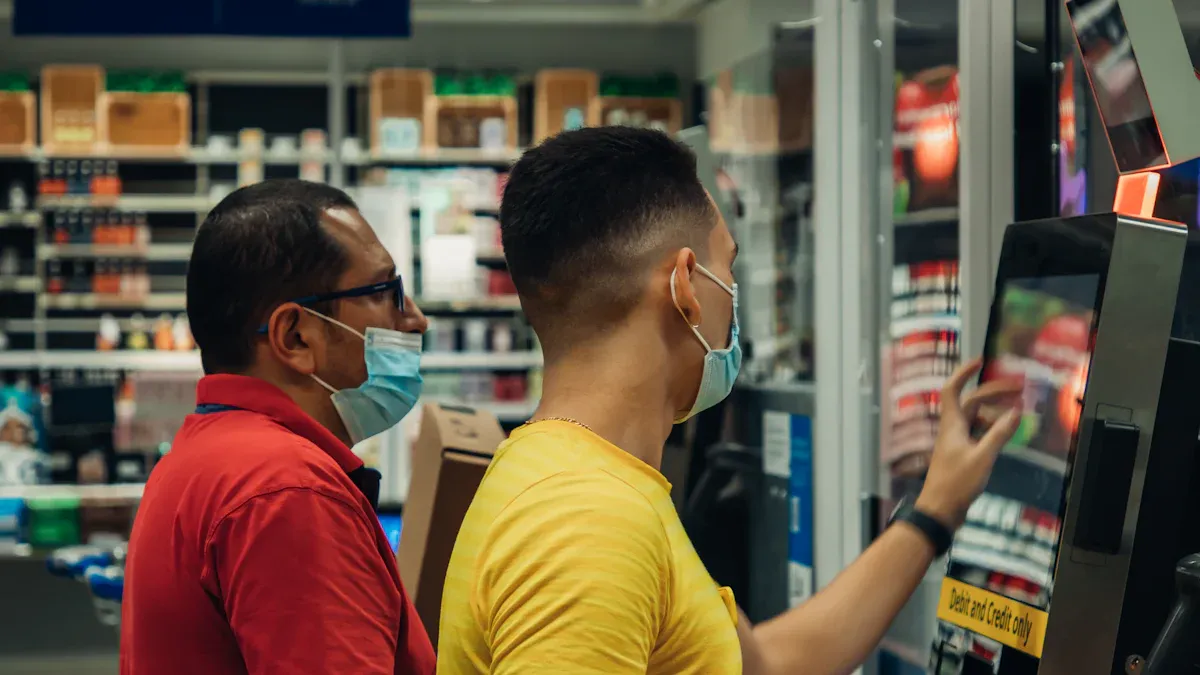
You can gain many advantages by adding an autonomous micro store to your convenience store or small-format grocery. These stores use AI and IoT to track inventory and understand what your customers want. This technology helps you save money and work more efficiently. Shoppers enjoy faster visits with self-checkout systems, mobile apps, and online ordering. You can also keep popular products in stock and offer flexible pickup or delivery.
Customers spend less time waiting because of frictionless checkout.
Micro-fulfillment can make your deliveries quicker and more profitable.
Data analytics helps you choose the right products and improve service.
Many retailers face challenges like high costs, privacy concerns, and new technology adoption. Autonomous micro stores help you tackle these issues and create a better shopping experience.
Key Takeaways
Autonomous micro stores use AI and IoT to track inventory, ensuring popular products are always available and reducing out-of-stock situations.
These stores offer 24/7 access, allowing customers to shop anytime without long wait times, enhancing convenience and satisfaction.
Automation significantly lowers labor costs, enabling businesses to operate with fewer staff while improving customer service during peak hours.
Data analytics from autonomous micro stores help retailers make informed decisions about product selection, leading to better inventory management and increased sales.
Flexible design and rapid deployment of autonomous micro stores allow businesses to reach new markets quickly and test innovative concepts with minimal risk.
Autonomous Micro Store Efficiency
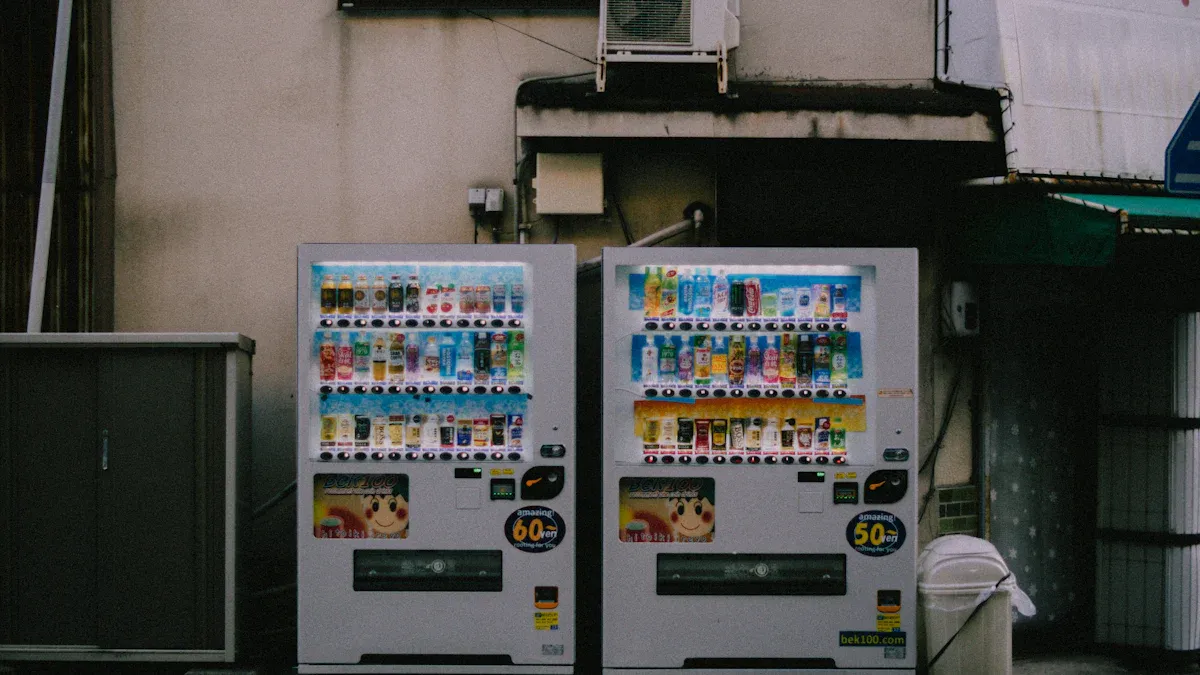
AI and IoT Integration
You can boost your store’s efficiency by using AI and IoT. These technologies work together to monitor inventory and track customer activity. Cameras and sensors collect data in real time. AI then analyzes this information to predict what shoppers want and when they will buy it. This helps you keep shelves stocked and avoid long lines at checkout. Automated systems let customers pay quickly, so they spend less time waiting. You also get insights into shopping patterns, which helps you make better decisions about what to sell.
Smart Shelf Technology
Smart shelf technology changes how you manage inventory. Shelves use sensors and cameras to identify products and track when items run low. In one study, smart shelves reached over 99% accuracy in spotting products, even those that look alike. The system sends alerts in about 9 seconds when stock is low, so you can restock quickly. These shelves also collect data on how customers interact with products. This information helps you understand which items are popular and which need more attention. You can use this data to improve your product selection and keep your store running smoothly.
Reduced Staffing
An autonomous micro store lets you operate with fewer staff members. Automation handles many daily tasks, such as tracking inventory and managing checkout. You can assign your team to focus on customer service during busy times. This approach saves money and improves service quality. The table below shows how automation improves efficiency and reduces costs:
Area | Benefit |
|---|---|
Inventory Management | Real-time updates cut out-of-stock events by 20%. |
Staff Allocation | Better deployment during peak hours reduces wait times. |
Cost Savings | Smaller teams and smart shelves lower operational expenses. |
Data-Driven Decisions | Customer insights help you tailor your offerings and boost satisfaction. |
Tip: By using an autonomous micro store, you can solve common challenges like high labor costs and inventory issues, while making your store more efficient and customer-friendly.
Cost Savings
Lower Labor Costs
You can cut labor costs by using automation in your store. An autonomous micro store uses robots and smart systems to handle tasks that usually need staff. For example, QuikTrip saves $1,500 each month for every robot it uses. Each robot gives back up to 5.5 hours of staff time every day. Over a month, this adds up to 75 hours saved, which means big savings if you pay $20 per hour.
Here is how micro-fulfillment centers compare to traditional warehouses:
Aspect | Micro-Fulfillment Centers | Traditional Warehouses |
|---|---|---|
Labor Cost | Lower due to automation | Higher due to reliance on human labor |
Order Fulfillment Speed | Faster, enabling quick delivery | Slower, often unable to meet demand |
Setup Time | Can be built within 100 days | Takes years and significant investment |
Proximity to Customers | Located in existing real estate near customers | Often far from customer locations |
Margin Potential | 12-16% highest margins in grocery operations | Lower margins due to inefficiencies |
Tip: Automation lets you run your store with a smaller team, so you can focus on customer service and store growth.
Reduced Last-Mile Delivery
You can also save money on delivery. Placing micro-warehouses close to your customers means shorter trips for each order. This setup makes same-day delivery faster and cheaper. Many businesses see delivery costs drop by 40–55% when they use moving micro hubs. Shorter routes mean less fuel and time spent on the road, which helps you serve local shoppers quickly.
Micro-warehouses bring products closer to customers.
Shorter distances make same-day orders easier to fill.
Transportation expenses go down, and service gets faster.
Minimized Operational Expenses
An autonomous micro store helps you lower many other costs. Automation can reduce labor expenses by 60-70% because machines handle repetitive jobs. AI-driven analytics help you manage inventory better, so you avoid overstocking and waste. Over time, you can see a 40% drop in extra stock and less money lost to unsold goods.
Automation cuts the need for cashiers and full-time staff.
AI manages object recognition, inventory, checkout, and restocking.
The initial investment is high, but you get a fast return as sales grow.
Note: Over time, these savings add up and help your business stay competitive in a changing market.
Customer Experience
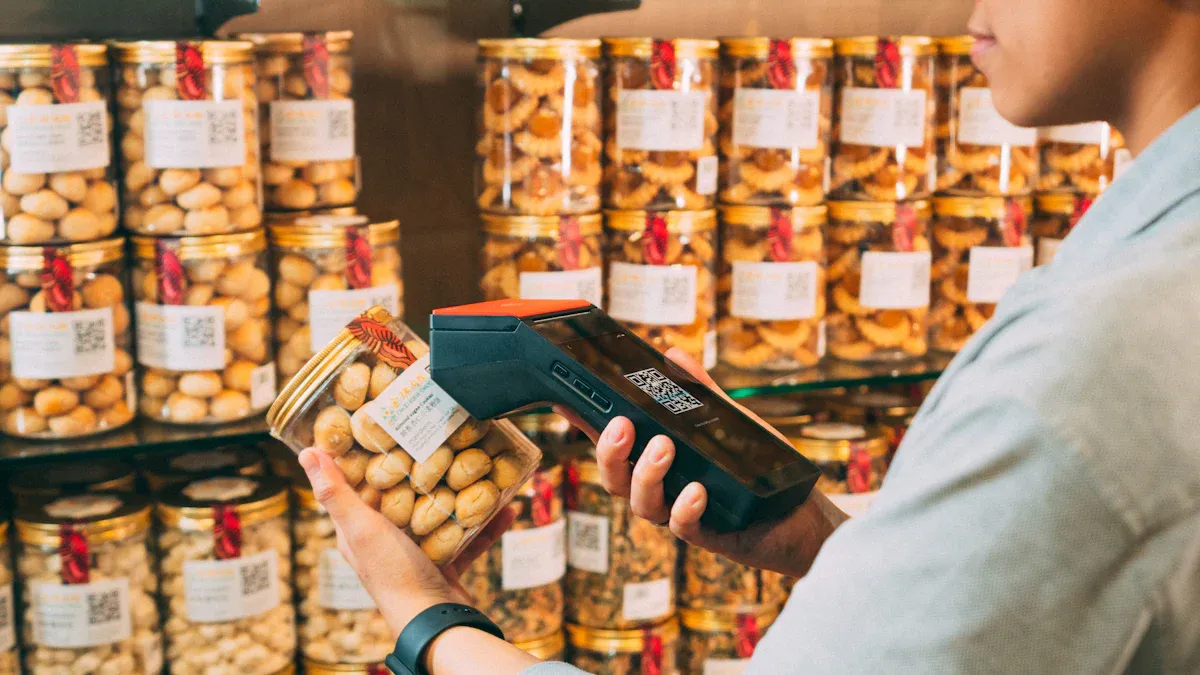
24/7 Access
You can shop whenever you want with an autonomous micro store. These stores stay open all day and night, so you never have to worry about closing times. If you need a snack late at night or supplies for school early in the morning, you can find what you need. You do not have to wait in long lines because the system moves quickly. This makes your shopping trip fast and easy.
You can shop at any hour, even during late-night cravings.
You spend less time waiting because checkout is quick.
You always find essential items like snacks, drinks, and school supplies.
Many customers say that 24/7 access makes their lives easier and helps them get what they need without stress.
Self-Service Shopping
You control your shopping experience in an autonomous micro store. You scan your items and pay without help from a cashier. Many people like this because it saves time. Recent surveys show that 61% of shoppers are open to using fully automated stores. Over half of shoppers prefer self-checkout to avoid waiting in line. Younger shoppers, like Generation Y and Generation X, show even more interest in self-service options.
You skip the line and check out by yourself.
You finish shopping faster and enjoy more privacy.
Younger shoppers especially like self-service technology.
Fewer Out-of-Stocks
You find what you need more often in an autonomous micro store. Smart systems track products on shelves and alert staff when items run low. This means you see fewer empty spots and more choices. Modern vision systems help keep the store stocked and organized. You do not have to worry about missing out on your favorite items.
Smart shelves keep track of inventory in real time.
You see fewer out-of-stock signs.
The store stays reliable and ready for your next visit.
Today’s shoppers want a smooth, fast, and reliable experience. Autonomous micro stores meet these needs by using advanced technology and smart design.
Scalability and Flexibility
Small Footprint
You can place autonomous micro stores almost anywhere because they need very little space. These stores fit into busy city corners, small towns, or even rural areas. You do not need a permanent building. Some stores travel to different locations, serving people where they live and work. You can set up a store in a parking lot, near a school, or at a local event. This flexibility helps you reach more customers and respond to local needs.
Autonomous micro stores operate in small towns like Sarteano, Italy, without a permanent location.
Mobile stores visit different places on scheduled days, similar to a market.
Connected vehicles allow stores to serve many locations in one day, matching local events and schedules.
Rapid Deployment
You can launch an autonomous micro store quickly. You do not have to wait months or years for construction. Some companies, like Choice Market in Denver, use portable stores called the Nomad. You can test new locations without making a long-term commitment. Yesway, a major convenience store chain, also uses this technology to expand fast. You can open a store in days and start serving customers right away.
Portable stores let you test new markets with little risk.
Major retailers use autonomous technology to grow quickly.
You can adapt to changing customer needs and trends.
Testing New Concepts
You can experiment with new ideas using autonomous micro stores. You might want to try selling different products or offer new services. These stores make it easy to change your setup and see what works best. You can learn from each location and improve your business. Both large chains and independent retailers benefit from this flexibility.
Retail Type | |
|---|---|
Large Chains | Standardization of operations, reduction in labor costs, and consistent customer experiences across multiple locations. |
Independent Retailers | Automation of routine tasks, streamlining operations, and access to modular, scalable solutions to compete effectively. |
Franchise Model | Flexibility and scalability of autonomous technologies support rapid expansion and adaptation to local market conditions. |
Tip: You can use autonomous micro stores to grow your business, test new ideas, and reach more customers without large investments.
Data Insights
Consumer Behavior Analytics
You can use autonomous micro stores to learn a lot about your customers. These stores collect data every time someone shops. You see what people buy, when they shop, and how they move through your store. This helps you understand what your customers want and when they want it. You can use this information to make better decisions for your business.
Here is how different types of analytics help you and your customers:
Type of Insight | Business Benefit | Customer Benefit | Operational Benefit |
|---|---|---|---|
Predictive Demand Analysis | Reduces stockouts and overstocking | Ensures product availability | Streamlines supply chain operations |
Intelligent Virtual Agents | Lowers customer service costs | Faster, more consistent support | Lets staff focus on complex issues |
Real-time Shopper Behavior Analysis | Increases sales and basket size | Helps customers find products easily | Uses data to improve store layout and displays |
Predictive analytics help you manage inventory better.
Intelligent agents make customer service faster.
Real-time insights let you arrange products in the best way.
Optimized Product Selection
You can use data from your store to choose the right products. Real-time insights show you which items sell best and which do not. This helps you avoid running out of popular products and keeps your shelves full. You also waste less money on items that do not sell.
"To direct the entire supply chain in the most efficient way, to understand how many of our customers will walk into the store tomorrow and which products they would like... then you increase your efficiency by a much higher level than ever before."
You get real-time data to track how your products perform.
You make smarter decisions about what to order and when.
Accurate inventory data helps you avoid stockouts and keeps customers happy.
Competitive Advantage
You gain a strong edge over other stores when you use data from autonomous micro stores. You can give your customers a better experience by removing checkout lines and making shopping faster. Many shoppers say they will pay more for a quick and easy trip.
You speed up checkout, which helps in busy places like airports.
You need fewer staff, so you can focus on helping customers.
You collect better data, which helps you understand spending patterns and improve your stock.
"Accurate inventory data lets you make informed decisions about reordering. This helps to avoid stockouts and ensures that there is enough inventory to fulfill every order."
You can also use these insights to create better marketing campaigns. When you know what your customers like, you can offer them the right deals at the right time. This keeps them coming back and helps your business grow.
You can transform your business with an autonomous micro store. This solution brings you 24/7 access, lower costs, and a better shopping experience. You use advanced technology to keep shelves stocked and customers happy. The table below shows how these stores help you grow and stay ahead:
Benefit Type | Description |
|---|---|
Innovation and personalization set you apart from competitors. | |
Enhanced customer experience | Frictionless shopping increases loyalty and satisfaction. |
Retail store efficiencies | Automation reduces manual work and boosts productivity. |
Flexible design | Modular stores let you reach more customers in new locations. |
Explore autonomous micro store options to drive growth and meet the future of retail.
FAQ
What is an autonomous micro store?
An autonomous micro store uses technology like AI and sensors to run without staff. You can shop, pay, and leave without waiting for help. The store tracks inventory and sales automatically.
How do you shop in an autonomous micro store?
You enter the store using an app or card. You pick your items and scan them at a kiosk or use your phone. You pay digitally. The process is quick and easy.
Are autonomous micro stores safe and secure?
Yes. These stores use cameras and sensors to protect you and your purchases. The system tracks who enters and leaves. Your payment information stays secure with encrypted technology.
Can you find the same products as in regular stores?
You find many popular items in autonomous micro stores. The store uses data to stock what you and other shoppers buy most. You may see fewer items, but the selection matches your needs.
See Also
Comparing Micromarkets And Smart Stores In Global Retail
Understanding The Growth Of AI-Driven Convenience Stores
Modern Retail Advantages Of AI-Enhanced Combo Vending Machines
The Future Of Retail Lies In AI-Driven Stores
Analyzing Walgreens Self-Checkout: Benefits And Hurdles In Retail
