The impact of autonomous retail on brand perception in Convenience store chains & small-format grocery.

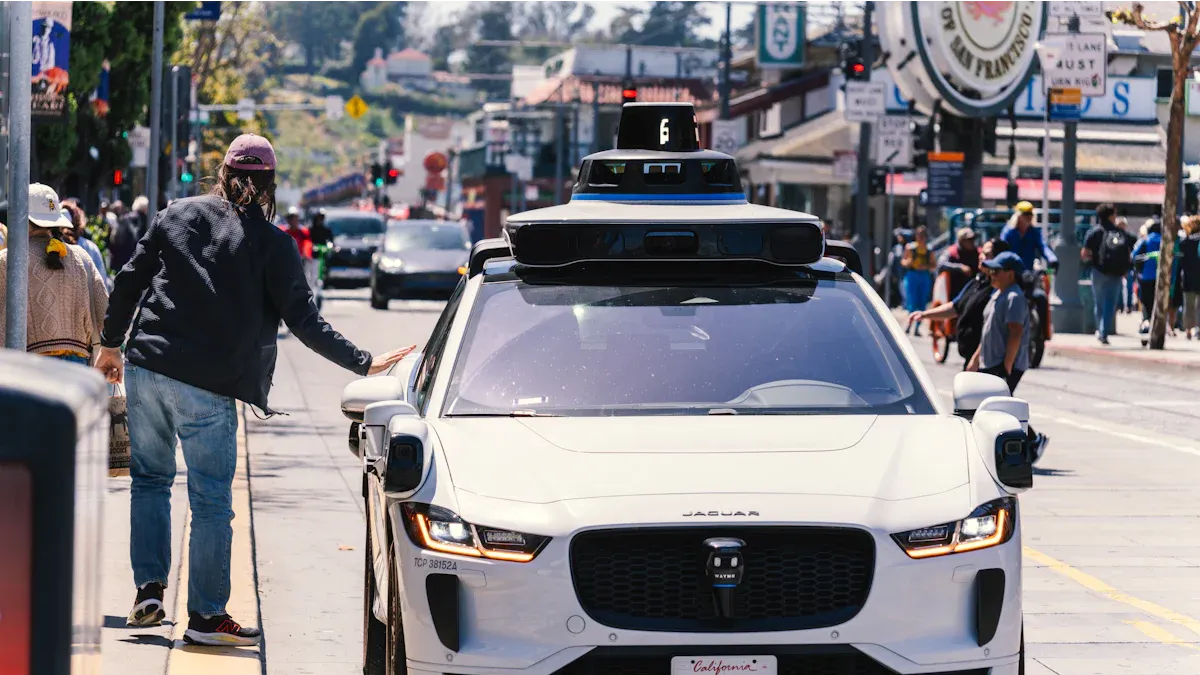
Autonomous retail drives transformation in convenience store chains and small-format grocery. Shoppers seek convenience and speed during every visit. Many consumers report frustration with long checkout lines, and more than half would abandon purchases if lines grow. The push for digital transformation brings autonomous solutions that enable frictionless retail and data-driven personalization. Customers expect store associates to know their names and offer personalized service. Autonomous innovation hubs and curated selections shape brand image and boost convenience. Understanding customer behavior trends helps retailers improve convenience and enhance data-driven personalization.
Key Takeaways
Autonomous retail enhances customer experience by offering faster checkouts and personalized service, making shopping more enjoyable.
Retailers can boost brand perception by balancing technology with human interaction, ensuring customers feel valued and supported.
Understanding customer behavior trends is crucial; shoppers prioritize convenience and speed, often preferring self-service options.
Addressing privacy and security concerns builds trust; retailers should communicate their data protection measures clearly to customers.
Investing in AI and automation can lower operational costs and improve efficiency, allowing staff to focus on customer service.
Autonomous Retail Overview
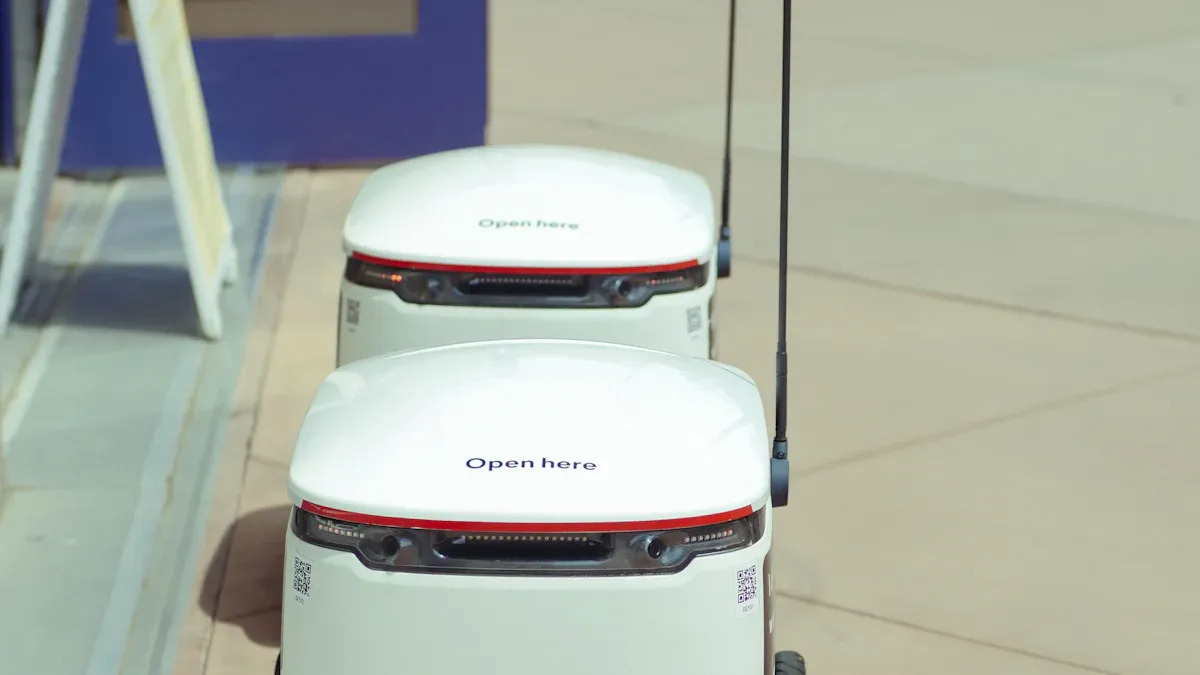
Defining Autonomous Retail
Autonomous retail uses advanced technology to create shopping environments where customers interact with products and pay without direct staff assistance. Autonomous stores rely on several core technologies to deliver seamless experiences. These include computer vision systems, sensor fusion, artificial intelligence, cloud computing, mobile application integration, and robotics. Each technology plays a unique role in making autonomous checkout possible and improving the overall retail experience.
Autonomous checkout systems and digital self-checkout kiosks help c-store shoppers complete purchases quickly. Customers scan items, pay, and leave without waiting in line. Autonomous stores use real-time data to track inventory and customer movements, making shopping faster and more personalized.
Technology | Description |
|---|---|
Computer Vision Systems | High-resolution cameras monitor customer movements and product interactions, providing real-time visual information. |
Sensor Fusion | Combines data from various sensors (e.g., weight sensors, pressure mats) to create an accurate understanding of store activities. |
Artificial Intelligence (AI) | Processes data from cameras and sensors, continuously learning to improve accuracy in identifying products and customer actions. |
Cloud Computing | Provides the necessary infrastructure for processing and storing the vast amounts of data generated by the store's systems. |
Mobile Application Integration | Connects the physical shopping experience to the customer's digital identity, facilitating entry, payment, and support through a dedicated app. |
Robotics | Assists in back-end operations like inventory management and shelf stocking, enhancing overall store efficiency. |
Role in Convenience Stores
Convenience stores and small-format grocery locations serve as ideal environments for autonomous retail adoption. These stores feature compact layouts and high customer turnover, which make autonomous systems more effective. Autonomous stores offer 24/7 accessibility, reduced operating costs, and contactless shopping experiences. Customers enjoy shopping anytime, even during health concerns, and stores can operate in more locations.
High customer turnover attracts more shoppers per square foot.
Compact layouts simplify the shopping experience.
Tailored inventory meets customer preferences.
The new convenience retail landscape uses technological innovations to deliver faster service and smarter product choices. Autonomous stores help retailers meet the needs of busy c-store shoppers who value speed and efficiency. Autonomous checkout and digital self-checkout kiosks support a frictionless experience, making autonomous retail a key driver in shaping modern convenience stores.
Impact on Brand Perception
Enhanced Customer Experience
Autonomous retail environments change the way people shop in convenience stores and small-format grocery locations. These environments use technology to improve convenience, speed, and personalization. Customers now expect a seamless journey from entry to checkout. Self-checkout systems and cashierless shopping options help shoppers avoid long lines and save time. Many people enjoy the control and ease that self-checkout and cashierless shopping provide.
A closer look at how autonomous stores enhance the customer experience:
Aspect | Evidence |
|---|---|
Convenience | AI technologies streamline the shopping process and reduce wait times through self-checkout systems. |
Speed | Autonomous checkout systems minimize traditional pain points, leading to faster transactions. |
Personalization | Smart carts and service kiosks cater to individual customer preferences, enhancing the shopping experience. |
Retailers see that 65% of shoppers prefer brands that offer AI-powered personalization. Customers want dynamic product recommendations and tailored advertising. Personalized shopping experiences make people feel valued and understood. This approach leads to higher satisfaction and a stronger connection to the brand.
Robotic automation in retail also increases efficiency and lowers operational costs. A study by McKinsey & Company shows that automation can reduce costs by up to 55% and free up 65% of employees' time for customer service. This shift allows staff to focus on helping customers, which further improves the consumer experience.
Perceived Autonomy and Independence
Autonomous stores give shoppers more control over their shopping journey. People can enter, select products, and pay without waiting for staff assistance. This sense of independence appeals to many, especially those who value privacy and speed. Autonomous shopping empowers customers to make choices at their own pace.
However, some consumers still prefer staffed stores. They may worry about not being able to verify costs before payment or feel uneasy about limited staff access. These concerns can affect how people view the brand. When autonomous retail environments balance technology with human support, they create a positive perception and build trust.
Autonomous retail also fits well in community-based and rural locations. In these areas, shoppers appreciate the flexibility and convenience that autonomous stores provide. The brand becomes known for innovation and customer focus.
Frictionless Shopping and Loyalty
Frictionless shopping is a key benefit of autonomous retail. Self-checkout systems and cashierless shopping remove common barriers, such as long lines and slow service. Customers enjoy a smooth, fast experience that meets their needs.
Reduced queues and faster checkouts increase loyalty and retention.
Easy shopping, both online and in-store, makes people more likely to return.
Real-time assistance during shopping can boost satisfaction and loyalty.
Research shows that positive experiences with self-checkout systems lead to higher customer satisfaction and loyalty. People value ease of use, enjoyment, and control. These factors shape how they feel about the brand and influence their decision to return.
Type of Benefit | Examples |
|---|---|
Tangible Benefits | Increased sales from faster checkouts, lower labor costs, reduced losses from theft or errors. |
Intangible Benefits | Higher customer satisfaction, better brand perception leading to loyalty and recommendations. |
Positive and Negative Effects on Brand Perception
Autonomous retail brings many benefits, but it also introduces risks and complexity. Customers may worry about technical failures, safety, or data security. These concerns can impact how they view the brand.
Risk Type | Description |
|---|---|
Performance Risk | Concerns about the product's ability to perform its primary function. Technical failures in autonomous retail can compromise safety and functionality, negatively impacting brand perception. |
Physical Risk | The potential for physical or mental harm from using autonomous services. High-profile accidents can intensify fears, affecting consumer willingness to engage with the brand. |
Social Risk | Fear of social judgment when using shared services, which may be perceived as inferior to personal ownership. This stigma can deter consumers from adopting autonomous retail solutions, impacting brand image. |
Time Risk | Concerns about delays or inconsistent service that can frustrate consumers, leading to a negative perception of the brand if expectations are not met. |
Security Risk | Worries about unauthorized access to personal data can lead to distrust in the brand, affecting consumer acceptance and overall brand perception. |
Retailers must address these risks to maintain a positive brand image. Clear communication, reliable technology, and strong privacy measures help build trust. When brands focus on both convenience and safety, they create a better consumer experience and encourage self-checkout adoption.
Autonomous shopping continues to shape the future of retail. Brands that deliver personalized shopping experiences, convenience, and reliability will stand out in the minds of customers.
Autonomous Stores as Innovation Hubs
Curated Selections and Efficiency
Autonomous stores use advanced technology to improve convenience and efficiency. These stores often feature curated selections that match customer preferences. Smart systems track what shoppers buy most often. Managers use this data to adjust inventory and keep popular items in stock. This approach reduces waste and makes shopping faster for everyone.
VenHub and other leaders in autonomous retail combine technology with convenience. Shoppers find what they need quickly. The seamless experience sets a new standard for modern retail. Autonomous stores also help businesses lower costs. Robots and AI handle tasks like restocking shelves and checking inventory. Staff can focus on helping customers or solving problems.
Autonomous stores create innovation opportunities for both retailers and shoppers. They push the market to improve and adapt. This drive for better service leads to more choices and higher satisfaction.
The table below shows how autonomous stores function as innovation hubs in the convenience retail sector:
Evidence Description | Impact on Innovation Hubs |
|---|---|
Advancements in AI and robotics have made autonomous retail systems more feasible. | This technological maturity enables widespread deployment, reshaping retail practices and consumer expectations. |
Autonomous retail creates opportunities and competitive pressures in the market. | It drives innovation by pushing retailers to adapt and improve their offerings to stay competitive. |
The adoption of autonomous retail offers advantages for businesses and consumers. | This rapid growth and appeal highlight the role of these stores as innovation hubs in the retail sector. |
Technology-Driven Brand Image
Autonomous stores use technology to build a strong brand image. Shoppers see these stores as modern and forward-thinking. The use of AI and robotics shows a commitment to innovation. Customers enjoy a shopping experience without checkout lines. This convenience makes shopping more enjoyable and efficient.
Retailers gain more than just happy customers. Autonomous stores collect data on shopping habits. Managers use this information to design better store layouts and create personalized promotions. Staff can focus on tasks that add value, not just routine work.
Enhanced customer experience: No checkout lines, faster service.
Increased operational efficiency: Lower labor costs, better use of staff time.
Rich data insights: Improved store layouts and targeted promotions.
Autonomous retail brings new innovation opportunities. These stores change how people shop and how brands compete. Retailers who invest in technology-driven experiences stand out in the convenience market.
Customer Behavior Trends

Changing Preferences in Autonomous Retail
Customer behavior trends in autonomous retail show a clear shift toward convenience and speed. Shoppers in convenience stores and small-format grocery locations now expect quick and easy checkouts. Many prefer autonomous stores because they can bypass long lines and enjoy a frictionless experience. The rise of digital self-checkout kiosks and contactless payment methods reflects these changing preferences. Customers value autonomy and privacy, choosing self-service options for greater control.
The following table highlights recent customer behavior trends in autonomous retail:
Trend | Statistic/Insight |
|---|---|
Use of automation | |
Digital self-checkout kiosks | 41.7% of stores offer digital self-checkout kiosks |
Preference for self-checkout | Many shoppers prefer self-checkout for time-saving |
Contactless payment methods | 72% of shoppers prioritize convenience over brand loyalty |
Shoppers also show a growing demand for fresh food and healthy options. AI-driven recommendations help personalize the retail experience, building loyalty and encouraging repeat visits. Many customers willingly share data for tailored promotions, showing a trend toward digital engagement and self-service.
Note: Customer behavior trends in autonomous retail reveal that convenience often outweighs brand loyalty. Shoppers want fast, personalized service and easy payment options.
Demographic Differences
Customer behavior trends in autonomous retail vary across age groups and backgrounds. Younger shoppers, such as Gen Z and Millennials, adapt quickly to autonomous technology. They use mobile apps, digital kiosks, and contactless payments with ease. Older customers may prefer traditional checkout methods, seeking human interaction and reassurance.
Retailers observe that urban shoppers embrace autonomous stores for convenience and speed. Rural shoppers appreciate autonomy but may need more support with technology. Customer behavior trends in autonomous retail also show that families look for healthy options and quick service, while single shoppers focus on privacy and independence.
Younger shoppers value autonomy and digital engagement.
Older shoppers seek convenience but may need assistance.
Urban and rural differences affect adoption rates and preferences.
Customer behavior trends in autonomous retail continue to evolve as technology advances. Retailers must understand these trends to meet diverse needs and improve the shopping experience.
Challenges in Autonomous Retail Environments
Privacy and Security Concerns
Privacy and security concerns shape how customers view convenience and autonomous retail. Many shoppers worry about how stores handle sensitive data, such as payment information and shopping habits. They fear cyberattacks or data breaches if systems lack strong protection. Technology reliability also matters. System failures or technical issues can disrupt shopping and cause frustration.
Cybersecurity risks increase when stores collect and store personal data.
Shoppers worry about potential cyberattacks or data breaches.
Technical problems, like system failures, can interrupt the shopping experience.
Retailers use several methods to address these concerns. Anonymization and pseudonymization help protect customer privacy by removing or encrypting personal information. Informed consent gives shoppers control over their data, letting them choose how it is used. Data minimization means stores only collect what they need, reducing risks if a breach occurs. Strong encryption and access controls keep data safe. Stores must also follow global data protection laws and run regular security checks.
When stores show they care about privacy and security, customers feel more confident. This trust improves the brand’s image and encourages more people to use autonomous retail options.
Technology Adoption Barriers
Convenience and autonomous retail face several barriers to adoption. Technical issues can cause systems to misidentify products or miss purchases, leading to customer dissatisfaction. Some shoppers hesitate to use new technology because of privacy concerns or because they find it hard to learn. High costs for setup and maintenance can make it difficult for smaller stores to adopt autonomous systems. Data privacy concerns also remain a major challenge, as extensive data collection can deter customers.
Technical issues may frustrate shoppers and reduce trust.
Some customers struggle with new technology or worry about privacy.
High costs limit adoption, especially for small-format grocery stores.
Retailers must address these barriers to ensure convenience and autonomous retail succeed. They need to provide clear instructions, offer support, and invest in reliable systems. By doing so, they can improve customer confidence and encourage wider adoption.
Strategic Recommendations
Enhancing Customer Experience
Retailers improve customer experience in autonomous retail by focusing on several key strategies. They collect data and engage with shoppers to understand their needs. Mapping the customer journey helps create a consistent experience at every stage. Stores modernize technology by using AI chatbots and augmented reality, which make shopping more interactive and enjoyable. Feedback tools, such as Net Promoter Score, allow managers to measure satisfaction and adjust services. Loyalty programs reward shoppers and personalize interactions, encouraging repeat visits and building trust.
Understand customers through data and engagement.
Map the customer journey for consistency.
Use AI chatbots and augmented reality to modernize technology.
Measure satisfaction with feedback and Net Promoter Score.
Implement loyalty programs for personalized rewards.
Balancing Technology and Human Touch
Retailers in autonomous environments must balance technology with human interaction. Empathetic customer service remains essential for solving problems that machines cannot address. Stores design inviting spaces that encourage positive interactions and make shoppers feel welcome. Seamless integration of technology with human-centered design creates a smooth shopping experience. Research shows that 80% of retail customers prefer personalized experiences. About 40% of shoppers choose self-service options, while an equal number prefer human cashiers. Retailers adapt to these preferences to increase satisfaction and loyalty.
Provide empathetic customer service for unique needs.
Integrate technology with human-centered design.
Create inviting store environments.
Adapt to split preferences between self-service and human cashiers.
Communicating Value
Retailers must communicate the value of autonomous retail clearly. They highlight the benefits of convenience, speed, and personalized service. Stores use signage, digital displays, and staff interactions to explain how autonomous systems work. Managers share information about privacy and security measures to build trust. Retailers also promote loyalty programs and special offers to show appreciation for customers. Clear communication helps shoppers understand the advantages of autonomous retail and encourages them to try new technology.
Tip: Retailers who educate customers about autonomous systems and address concerns build stronger relationships and improve brand perception.
Future Outlook
Trends in Autonomous Retail
Autonomous retail will change convenience store chains and small-format grocery stores over the next five years. Technology will advance quickly. Automation and data will help stores work better and serve customers faster. Autonomous stores will use AI and computer vision to make shopping easier. Shoppers will enter, pick up items, and leave without waiting in line. Micro-retail stores will appear in more places, offering convenience at any time. Algorithms will help managers track inventory and suggest products to shoppers. Stores will respond to customer needs faster. Personalization will improve as autonomous systems learn what each shopper likes. Retail executives expect these changes to make convenience shopping smoother and more efficient.
Innovation | Description |
|---|---|
Micro-retail stores | Small, automated shops open 24/7 |
AI personalization | Custom product suggestions for each shopper |
Inventory automation | Faster restocking and fewer empty shelves |
Note: Autonomous retail will make convenience shopping faster, smarter, and more personal.
Long-Term Brand Implications
Long-term adoption of autonomous retail will affect how customers view brands. Stores that use more automation may lose some emotional connection with shoppers. People value human interaction and trust staff to help them. If stores rely only on autonomous systems, customers may feel less loyal. Brands must balance automation with human touch. AI can make shopping more efficient and personal, but it cannot replace friendly service. Retailers who mix autonomous technology with helpful staff will build stronger relationships.
Emotional connection may decrease with more automation.
AI improves convenience and personalization but needs human support.
Brands must keep human elements to build loyalty and trust.
Retailers should remember that convenience and autonomous technology help stores grow. However, strong brands need both smart systems and caring people.
Autonomous retail transforms brand perception in convenience stores and small-format grocery. Shoppers enjoy faster checkouts and greater independence. Retailers can improve customer satisfaction by optimizing product visibility and automating routine purchases. They should use AI tools to monitor reviews and provide quick support. Industry experts predict more efficiency, fewer errors, and a shift toward frictionless shopping. Retailers must educate customers and adapt strategies for changing preferences. A dedicated team can help stores prepare for future autonomous environments.
FAQ
What is autonomous retail?
Autonomous retail uses technology like AI and sensors to let shoppers buy items without help from staff. Customers scan products, pay, and leave quickly. Stores track inventory and shopping habits with smart systems.
How does autonomous retail improve customer experience?
Autonomous retail makes shopping faster and easier. Shoppers avoid long lines and get personalized service. Stores use data to suggest products and keep popular items in stock.
Are there risks with autonomous retail?
Shoppers may worry about privacy and data security. Technical problems can disrupt shopping. Stores must protect customer information and fix issues quickly to build trust.
Who benefits most from autonomous stores?
Group | Benefit |
|---|---|
Busy shoppers | Quick checkout |
Tech users | Easy self-service |
Retailers | Lower costs |
Will autonomous retail replace human staff?
Autonomous retail reduces some staff tasks. Stores still need people for customer service and support. Brands that mix technology with human help create better shopping experiences.
See Also
Comparing Micromarkets And Smart Stores In Global Retail
Understanding The Growth Of AI-Driven Corner Stores
Examining Walgreens Self-Checkout: Benefits And Hurdles In Retail
The Future Of Retail: Embracing AI-Enabled Stores
How Time Out Corner Stores Are Transforming Urban Convenience
