What’s Next for Autonomous Retail in High-Traffic Venues?

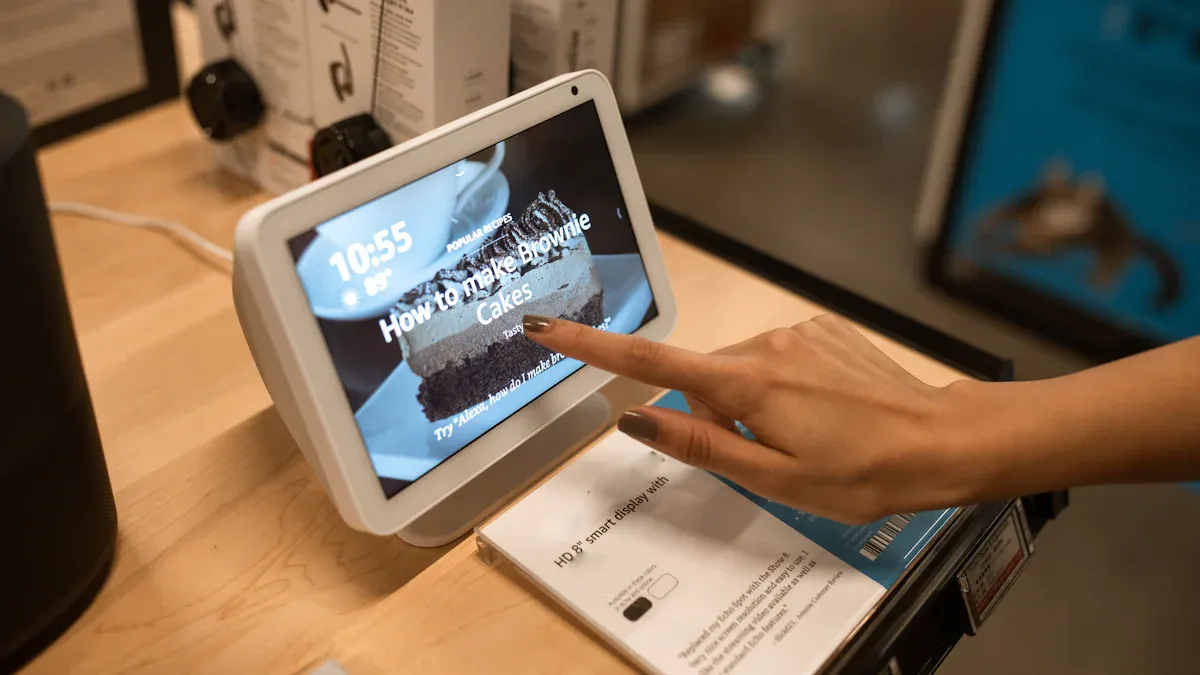
You walk into a stadium or airport, and shopping feels amazing. Autonomous retail is growing with smart kiosks and AI-powered stores. These stores can help lots of people at once. VenHub’s Smart Store at Los Angeles Union Station helps over 60,000 people every day. It has more than 400 products. There are no lines and no waiting.
Innovation Type | Description |
|---|---|
Edge AI capabilities | It works fast and reacts right away in stores. |
Smart checkout systems | Sensors and AI let you pay and leave quickly. |
Agentic AI | Shops learn what you like and make visits special. |
You get fast shopping, easy choices, and cool technology. Store workers make fewer mistakes and customers are happier. There are some problems, but the future looks good. You are part of this new change.
Key Takeaways
Autonomous retail makes shopping better in busy places like stadiums and airports. People can buy things fast without waiting in long lines.
AI-powered checkout systems use smart technology to watch items and help with payments. This makes shopping quicker and easier.
Smart kiosks and self-checkout choices make customers happier. Many shoppers like these new ways because they are easy to use.
Retailers get more work done because autonomous systems lower labor costs and cut down on mistakes. This helps stores make more money.
Shopping will keep getting better, with new ideas making it even more fun and simple for everyone.
Autonomous Retail Today
Adoption in High-Traffic Venues
When you go to a stadium, you do not see long lines for snacks. This is because of autonomous retail. Stadiums, colleges, and airports want smart kiosks and AI-powered stores. MODSTREET makes kiosks that can go almost anywhere. AiFi works with places to build stores that run by themselves. Mashgin has fast checkout kiosks that make shopping quick.
Here are some companies doing great work:
Company | Notable Projects | Description |
|---|---|---|
MODSTREET | Custom-built kiosk enclosures | Makes cashierless checkout easier, fits many places, and is simple to set up. |
Mashgin | AI-powered self-checkout system | Makes buying things faster in busy places, working four times faster than old ways. |
AiFi | Autonomous retail solutions in high-traffic venues | Teams up with others to make shopping better, and wants over 12,000 stores by 2027. |
You can find these stores in many places. The Philadelphia Eagles have shops with no cashiers at their stadium. AiFi opens new stores all over the country. Lumen Field now sells twice as much per game with smart checkout. Stores want to be fast and easy, and you want to get snacks and watch the game.
AI and Checkout Technology
AI-powered checkout is like a helpful robot friend. It uses computer vision and machine learning to see what you pick up and records it right away. You put chips in your cart, and the system scans them fast. You do not have to wait in line. You just grab your things, pay, and leave.
Stores like this because it fixes big problems. It is hard to find enough workers. Autonomous retail helps keep things running. You get to shop easily, and stores work better.
Look at how much people like these systems:
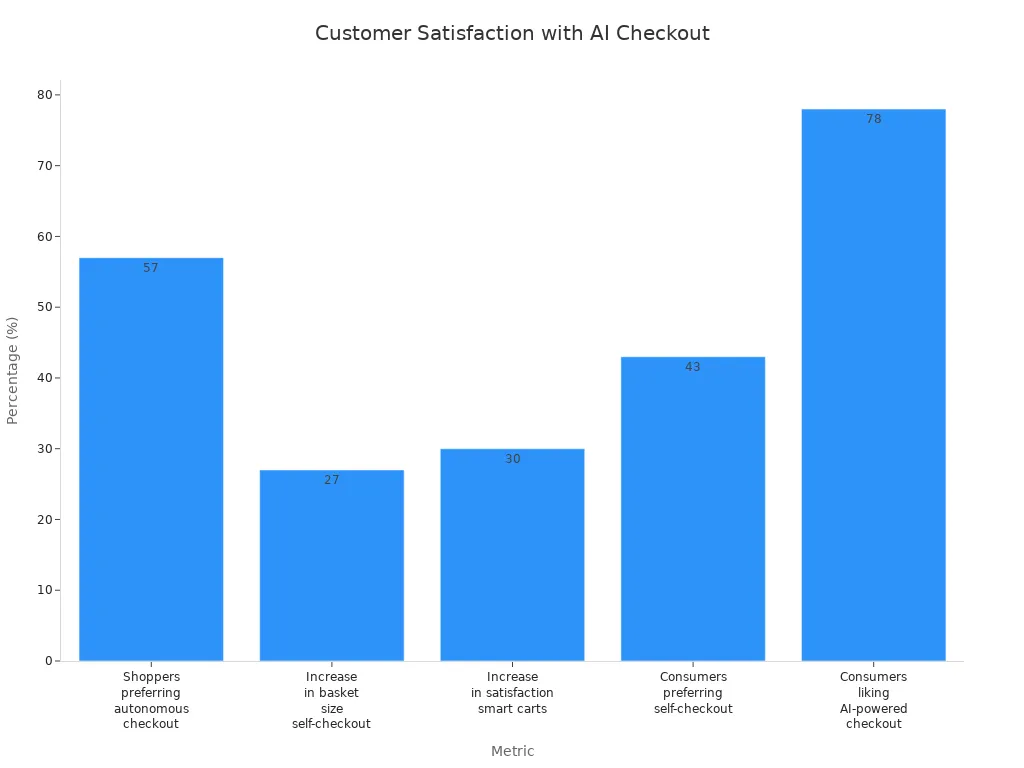
Metric | Value |
|---|---|
57% | |
Increase in average basket size with self-checkout | 27% |
Increase in customer satisfaction with smart carts | 30% |
Consumers preferring self-checkout options | 43% |
Consumers liking AI-powered checkout for convenience | 78% |
You can shop fast and get back to your day. Autonomous retail makes shopping simple, quick, and fun.
Benefits and Challenges
Operational Efficiency
You want stores to work well. Autonomous retail helps stores do this. Robots and smart computers do hard jobs. This means fewer mistakes and faster service. Here is what you get:
Stores can make almost twice as much money as before.
Automated inventory management saves money and keeps shelves full.
Retail automation needs fewer workers, so mistakes happen less.
Smart staffing helps a lot:
Benefit | Description |
|---|---|
Labor Cost Optimization | AI puts staff where they are needed most. No one stands around or gets too busy. |
Enhanced Customer Experience | Enough helpers during busy times makes shoppers happy and helps stores sell more. |
Increased Employee Satisfaction | Flexible work hours make workers happier and stay longer. |
Data-Driven Decision Making | Managers use smart data to make stores better. |
Big stores like Walmart and Kroger use robots for inventory. Amazon uses AI to make warehouses work well.
Customer Experience
You want shopping to be fast and easy. Autonomous retail makes this happen. At stadiums like Hard Rock Stadium and Ford Field, fans buy snacks in half the time. Detroit Lions fans spend 170% more per person now. At Schiphol Airport, you tap your card at the door and the store knows what you buy. No stress and no trouble.
Shorter lines help you get back to the game or your flight faster.
Shopping feels easy, even when the place is crowded.
Security and Integration
You may worry about safety and privacy. Autonomous retail has some problems here. No workers can mean more theft. Technology can break, and some people like old ways better. Privacy is important. Stores track what you buy, and that can feel strange.
Stores use these tools to help:
Description | |
|---|---|
AI-Powered Video Analytics | Finds trouble and tells security right away. |
Automated Fraud Detection at Checkout | Finds fake returns and sneaky deals. |
Inventory Management with AI | Watches items all the time and stops theft. |
Multi-Factor Authentication (MFA) | Makes sure only the right people get in. |
Encrypted Data Transmission | Keeps your info safe from hackers. |
Regular Software Updates | Stops new tricks from cyber crooks. |
User Access Audits | Removes old staff access so only current workers get in. |
Stores use smart databases and engines to fit into old systems. You get updates right away and easy shopping.
Tip: If you see a robot in a store, wave hello. It is working hard to help you!
Use Cases in Stadiums, Universities, and Travel
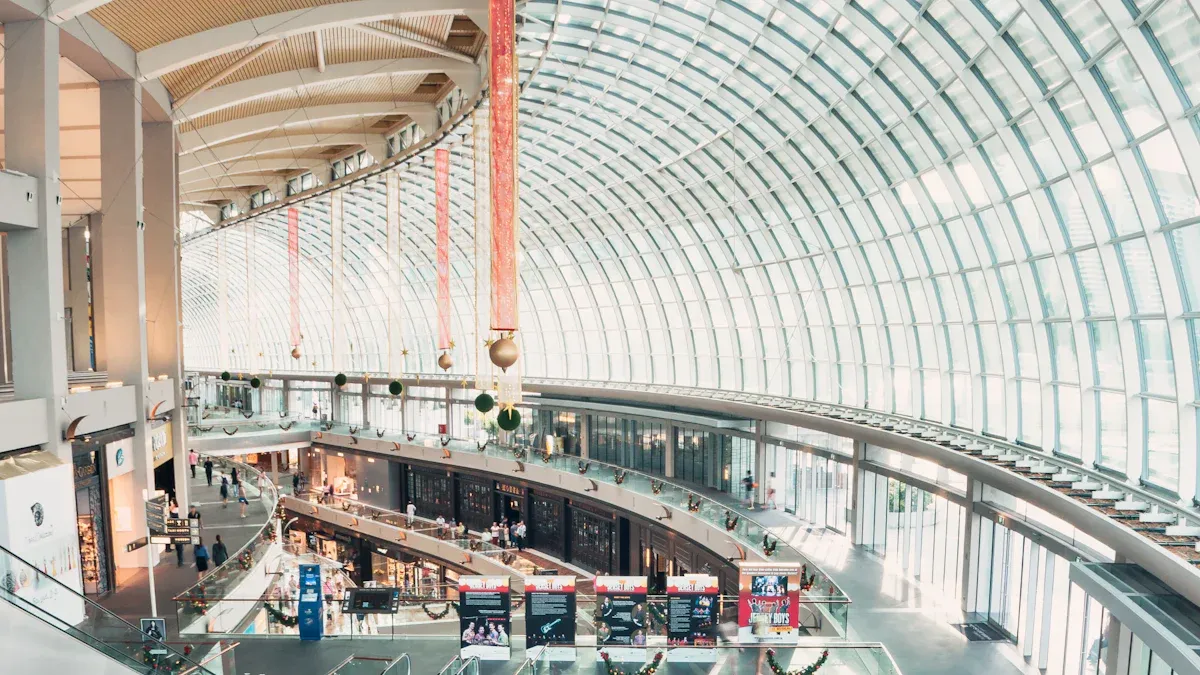
Stadium Retail Transformation
Imagine you walk into a stadium. You want snacks, but you see a huge crowd. Not anymore! Autonomous retail changes the game. You grab your food and drinks in seconds. No lines. No waiting. You feel like a VIP.
Here’s what happens behind the scenes:
Stadiums cut overhead costs by up to 70%.
Fans get their food faster, so you spend more time cheering.
Teams boost their brand with happy fans.
Check out these numbers:
Metric | Before Implementation | After Implementation | Impact |
|---|---|---|---|
Average Wait Time | >10 minutes | 12.5 seconds | You get snacks almost instantly |
Median Transaction Time | N/A | 12.5 seconds | Speedy service for everyone |
Revenue Increase | N/A | 139% increase | More sales, more fun |
Basket Size Increase | N/A | 80% increase | You buy more, enjoy more |
Transaction Increase | N/A | 78% increase | More fans served per event |
You see modular kiosks everywhere. They pop up in corners, hallways, and even outside the stadium. These kiosks fit any space and work fast. Stadiums like Truist Park, Lincoln Financial Field, and Ford Field use autonomous shopping options. Ford Field doubled sales and cut transaction time in half. The Honda Center uses Mashgin’s checkout system, so you never miss a moment of the game.
Fans love it:
63% would use a self-service kiosk.
59% spend more when lines are short.
You get more choices, less hassle, and a better experience every time.
Campus Autonomous Stores
You rush between classes. You need a snack or a notebook. Autonomous retail stores on campus save your day. You shop anytime—day or night. No closing hours. No waiting for a cashier.
Here’s why students and staff love these stores:
You get 24/7 access. Midnight snack? No problem.
Shopping feels easy. You grab what you need and go.
Wait times shrink, so you never miss a class.
Stores stock snacks, drinks, and school supplies. You find what you want, fast.
You see modular kiosks in dorms, libraries, and student centers. They fit anywhere and keep up with busy schedules. You feel like the campus is always open for you.
Tip: If you spot a robot restocking shelves, give it a thumbs up. It’s working hard so you don’t have to!
Travel Retail Innovations
You race through an airport. You need water and a magazine before your flight. Autonomous retail makes travel shopping quick and easy. You unlock the store with your credit card. Over 30 cameras and weight sensors track what you pick up. You walk out, and the system charges you automatically. No lines. No stress.
Travel hubs love these stores because:
You shop fast, even when crowds fill the terminal.
Wait times drop, so you catch your train or flight on time.
AI and computer vision keep everything running smoothly.
You see fewer staff, so prices can drop. You get quick transactions and a better impression of the airport or station. You want to come back next time.
Autonomous systems boost sales and customer happiness.
Stores use fewer workers, so resources go where they matter most.
You enjoy hassle-free shopping and want to visit again.
Modular kiosks and autonomous stores fit in tight spaces and busy walkways. You find them in airports, train stations, and even bus terminals. Shopping feels like magic, and you never worry about missing your ride.
Technology and Innovation
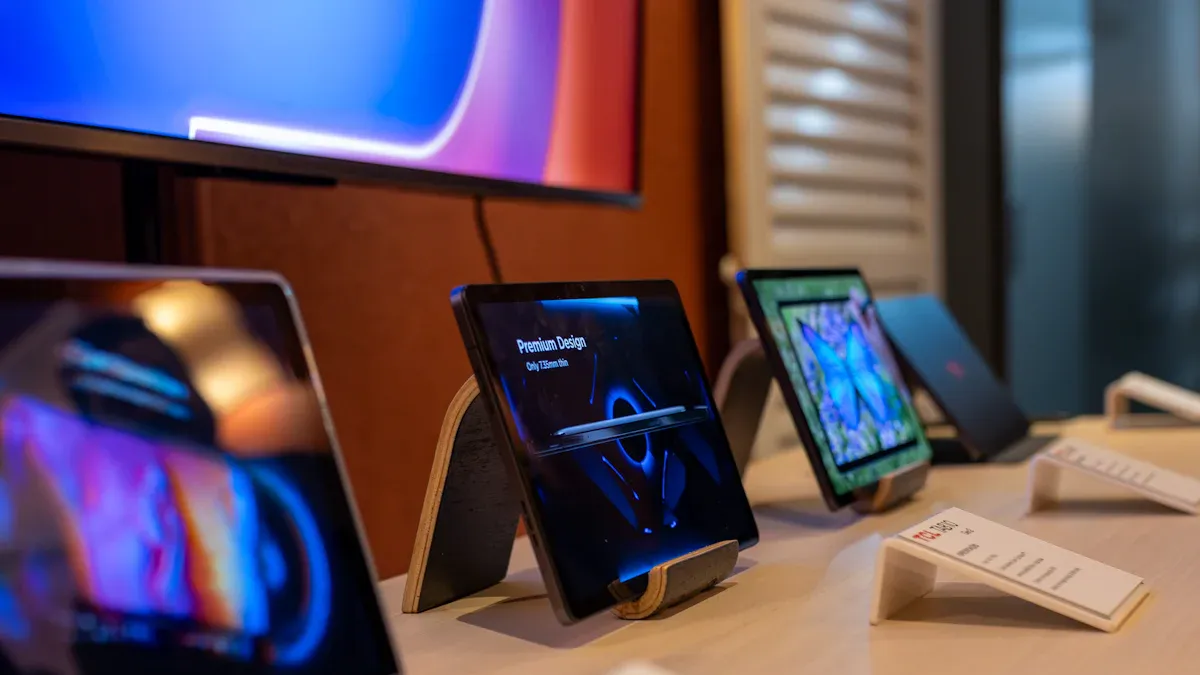
AI and Sensors
You walk into a store, and things feel different. AI and sensors work together like a team. They watch what you pick up and guess what you want. Shelves stay full because of them. You do not see these helpers, but they are always there. Modern microstores use computer vision to spot what you grab. They learn how you shop and help stores save money. Stores can change layouts to make shopping better.
Here is a table that shows how AI and sensors are different from old checkout:
Aspect | Sensor-Based Systems | Traditional Checkout Methods |
|---|---|---|
Tracking Accuracy | Varies, often less accurate | |
Reliability | Multimodal approaches boost reliability | Manual processes can fail |
Privacy Compliance | Tracks you but keeps secrets safe | Privacy? Not so much |
Challenges | Occlusion, scaling, real-time processing | Human error slows things down |
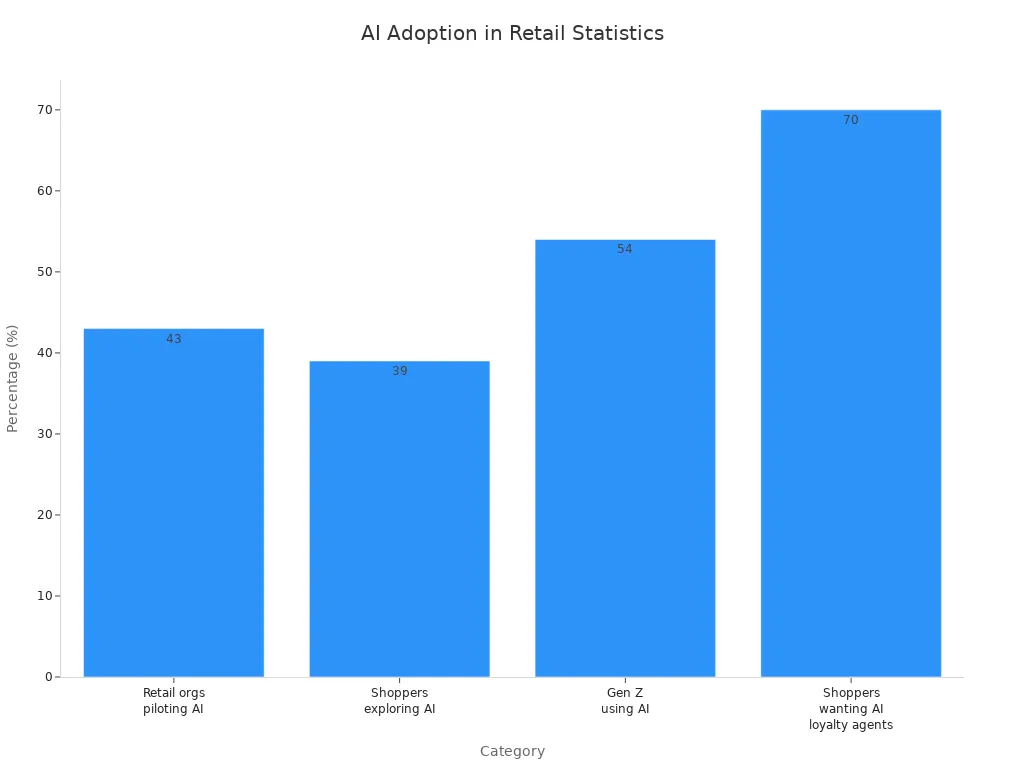
Agentic AI is used in stores now. These systems guess what you need and change prices fast. They fix problems before you notice. Shopping feels smooth, and stores work better.
Mobile Payments
You pay with your phone in less than a second. NFC technology makes checkout super fast. It takes only 0.7 seconds to pay. You spend more because paying is easy. You do not need cash or coins. You grab snacks and get back to your seat or gate.
Cashless systems help you buy things on a whim.
Vendors can help more people during busy times.
You get quick and easy payments.
Tip: Show your friends how fast you can pay with your phone!
Personalization
You walk in, and the store seems to know you. Interactive screens and helpers suggest snacks or gear you might like. You feel special because the store remembers your favorites. Most shoppers want this personal touch. You get ideas for new things to buy. Sometimes you buy more than you planned.
Product suggestions help stores make 26% more money.
Personalized shopping makes people come back 40% more.
Fewer people leave without buying.
Personalization makes shopping fun. You get what you want, and stores make you want to return. You might come back just for the cool experience.
Implementation and Scale
Deployment Strategies
You walk into a stadium and see a small shop in the corner. That spot was empty before, but now it sells snacks and gear. Operators use A-POPs technology to turn empty spaces into stores that make money. You notice these pop-up stores all over the place. They do not need extra workers, so everything goes quickly. Transactions finish in less than ten seconds, even when it is busy. You grab chips and hurry back to your seat. Screens show special deals that make you want to buy more. These ideas help people spend more and use every part of the venue.
Smart deployment strategies include:
Turning empty spots into busy retail areas.
Using A-POPs for fast, staff-free shopping.
Showing special deals to help stores earn more.
Keeping lines short so customers stay happy.
Overcoming Barriers
You may ask, “Why don’t all stores use autonomous retail?” Some people like talking to cashiers. Others want to scan items and leave. About 60% of shoppers like cashierless checkout. Almost half want to use self-checkout kiosks. One out of three likes scan & go apps to skip lines. Stores have problems like empty shelves and broken technology. Operators use smart apps, like AiFi’s Operations App, to tell workers when shelves need more products or when things move. This helps stores work well and keeps customers happy.
Tip: If you see a shelf filling itself, you are seeing retail magic!
Measuring Impact
You want to know if these stores really help. Operators check profits, speed, and how happy customers are. Autonomous stores often make twice as much money as old stores. Fast shopping means more sales. Happy shoppers come back again and again. Managers watch how quickly people shop, how much they spend, and how often they return. They use this information to make stores better.
Metric | Autonomous Stores | Traditional Stores |
|---|---|---|
Profit Increase | 2x | 1x |
Transaction Speed | <10 seconds | >2 minutes |
Customer Satisfaction | High | Medium |
You see these results every time you shop. Autonomous retail keeps getting smarter, faster, and more fun.
You see autonomous retail changing stadiums, campuses, and airports. Smart kiosks and AI make shopping fast and fun. Operators boost profits and keep shelves full. You enjoy quick snacks and easy payments.
Use heatmaps to spot busy areas.
Fix bottlenecks before they slow you down.
Test new layouts based on how you shop.
Schedule staff when crowds arrive.
Improve displays to grab your attention.
The future looks bright! You get more choices, and stores keep getting smarter. Get ready for even cooler shopping adventures.
FAQ
What happens if the technology breaks while you shop?
You grab chips, but the screen freezes. No panic! Staff get alerts and fix things fast. You might see a worker with a tablet, looking like a tech superhero. Your snacks stay safe, and you keep shopping.
Can you pay with cash in autonomous stores?
Most stores love cards and phones. Cash feels like a dinosaur here. Some places offer a backup kiosk for bills, but you usually tap, swipe, or scan. You move faster, and your pockets stay lighter.
Are robots watching everything you do?
Robots watch shelves, not you. Sensors track products, not your secrets. You get privacy, and stores get full shelves. If you wave at a camera, it probably waves back in robot language. 🤖
What if you need help or have a question?
You spot a glowing help button or a friendly chatbot on a screen. Tap it! Sometimes, a real person pops up on video. You get answers, jokes, and maybe a virtual high-five.
Do autonomous stores work at night?
Yes! You shop at midnight, and the store never sleeps. Lights stay bright, shelves stay stocked, and you feel like a VIP on a snack mission. Night owls rejoice!
See Also
The Future of Retail: Embracing AI-Driven Stores
Global Insights: Micromarkets Compared to Smart Retail Stores
Understanding AI-Enhanced Corner Stores: Essential Insights for Retailers
Exploring AI-Driven Vending Machines: Advantages for Today's Retail
Upcoming Changes to Walmart Self-Checkout: What to Expect in 2025
