Common myths about autonomous retail in Convenience store chains & small-format grocery debunked.

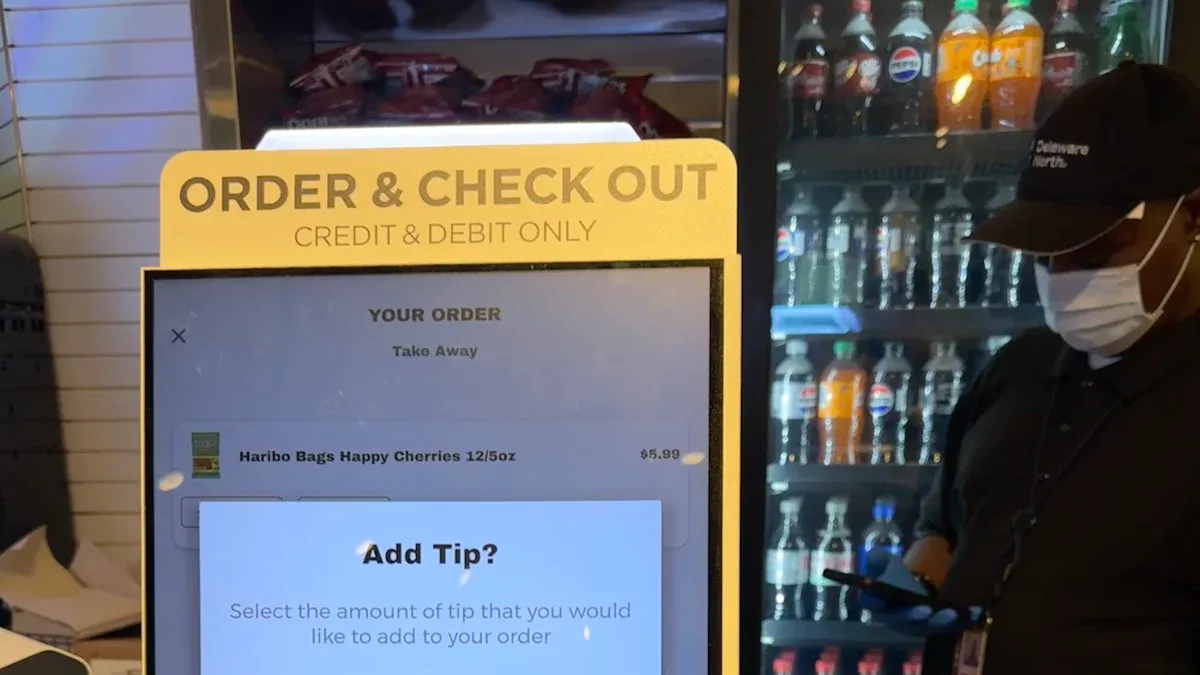
Have you ever wondered if the myths about autonomous retail in convenience stores are true? Lingering misconceptions can make you hesitate before trying new technology. Many believe self-checkout only fits large stores or takes up too much space. Take a look at this table that highlights some common myths and the real facts:
Myth | Reality |
|---|---|
Self-checkout is for large grocers, not smaller C-stores | Self-checkout works well for retailers of any size and is especially suited to help smaller C-stores improve their operations. |
Self-checkout leads to increased shrink | Self-checkout technology and employee interaction can deter shrink and deliver better customer experiences. |
Self-checkout takes up too much physical space | Retailers can offer self-checkout no matter the convenience store’s size, with many variations of self-checkout solutions. |
Self-checkout doesn’t save on labor costs | Self-checkout improves workforce efficiency, allowing C-store workers to focus on higher-value tasks. |
Self-checkout leads to decreased customer satisfaction | 79% of retail executives say self-checkout boosts customer satisfaction, with many customers finding self-service faster and preferring it. |
You can challenge your assumptions and see how real-world results and industry growth prove these myths wrong.
Key Takeaways
Self-checkout technology benefits all store sizes, especially small convenience stores, by improving operations and customer experiences.
Self-service options enhance customer engagement, allowing staff to focus on support and creating a welcoming environment.
Modern self-checkout systems are compact and flexible, fitting into small spaces without crowding aisles, thus improving store layout.
Investing in autonomous checkout can lead to significant long-term savings, with potential returns of $3.50 for every $1 spent on AI technologies.
Customers increasingly prefer self-checkout for its speed and convenience, making it essential for stores to adapt to these changing preferences.
Autonomous retail and customer service
Self-service improves engagement
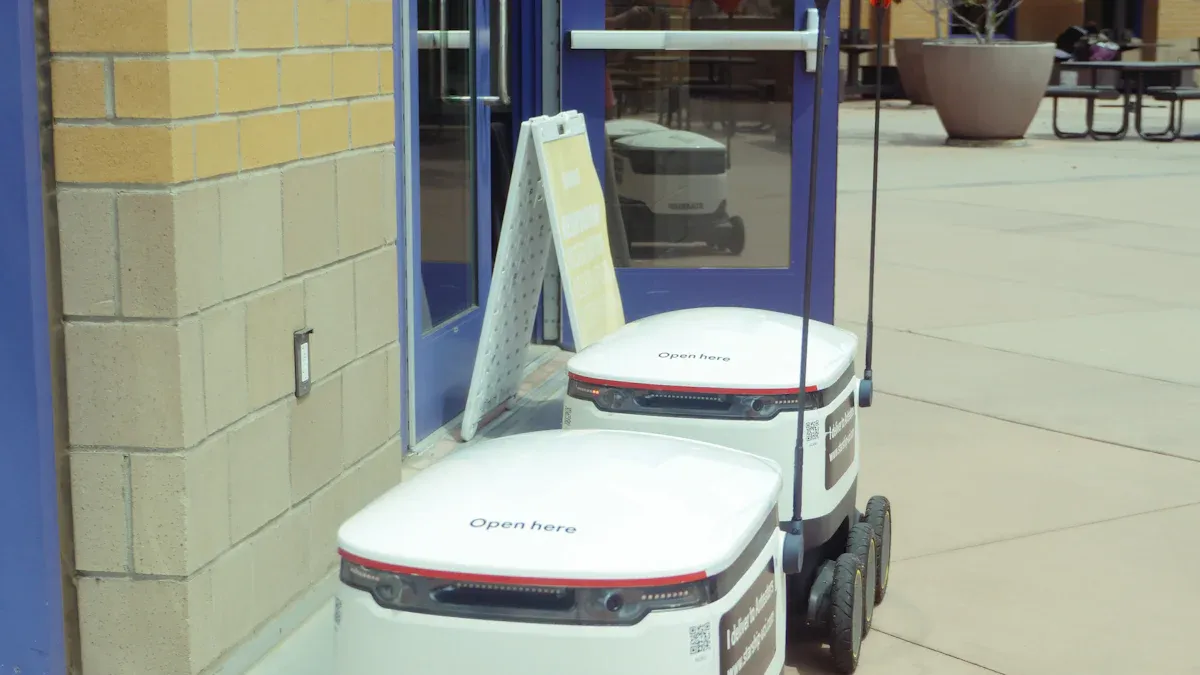
You might think that self-service technology takes away from the personal touch in your store. In reality, self-service can boost engagement and make the shopping experience better for every customer. When you use self-service, you give customers more control and speed. Automated and cashierless checkout lets customers move through the store faster, which means less waiting and more satisfaction. This change leads to a smoother shopping experience and encourages customers to return.
A recent trend shows that 96% of U.S. shoppers plan to visit convenience stores at least twice this year. Many of these shoppers want a quick and easy shopping experience. Self-service helps meet this need by reducing lines and making the process simple. You can also use technology to track customer preferences and send personalized offers. This approach makes each shopping experience unique and builds loyalty. When you focus on engagement, you create a stronger connection with your customers.
Trend Description | Evidence |
|---|---|
Increased Visits | 96% of U.S. shoppers will visit convenience stores twice in 2024. |
Shift to Foodservice | Foodservice is now a top six category in convenience retail. |
Health and Wellness Focus | Shoppers want products that support their well-being. |
Staff roles in autonomous checkout
Self-service does not mean you lose the human touch. Instead, it changes how your staff supports customers. When you add self-service, staff can spend less time on routine tasks and more time helping customers with questions or special needs. This shift improves engagement and makes the shopping experience more enjoyable.
Staff roles now focus on customer support and experience. Employees can walk the floor, answer questions, and help with self-service stations. Some stores use mobile staff with tablets to help customers check out anywhere in the store. This approach increases engagement and makes the shopping experience smoother. Customer satisfaction scores often rise when self-service kiosks are added. Your staff can now focus on creating a welcoming environment and solving problems quickly, which keeps customers coming back.
Change in Staff Roles | Description |
|---|---|
Reduction of Cashier Jobs | Fewer traditional cashier positions, more focus on customer engagement. |
Shift to Combined Roles | Staff take on new responsibilities, including customer support and tech help. |
Increase in Mobile Employees | Staff use tablets to help customers anywhere in the store. |
Growth in E-commerce Fulfillment | Staff help with online orders and in-store pickups. |
Tip: Train your staff to focus on engagement and customer support. This will make your store stand out and improve every shopping experience.
Self-checkout myths: Space and store size
Compact solutions for small stores
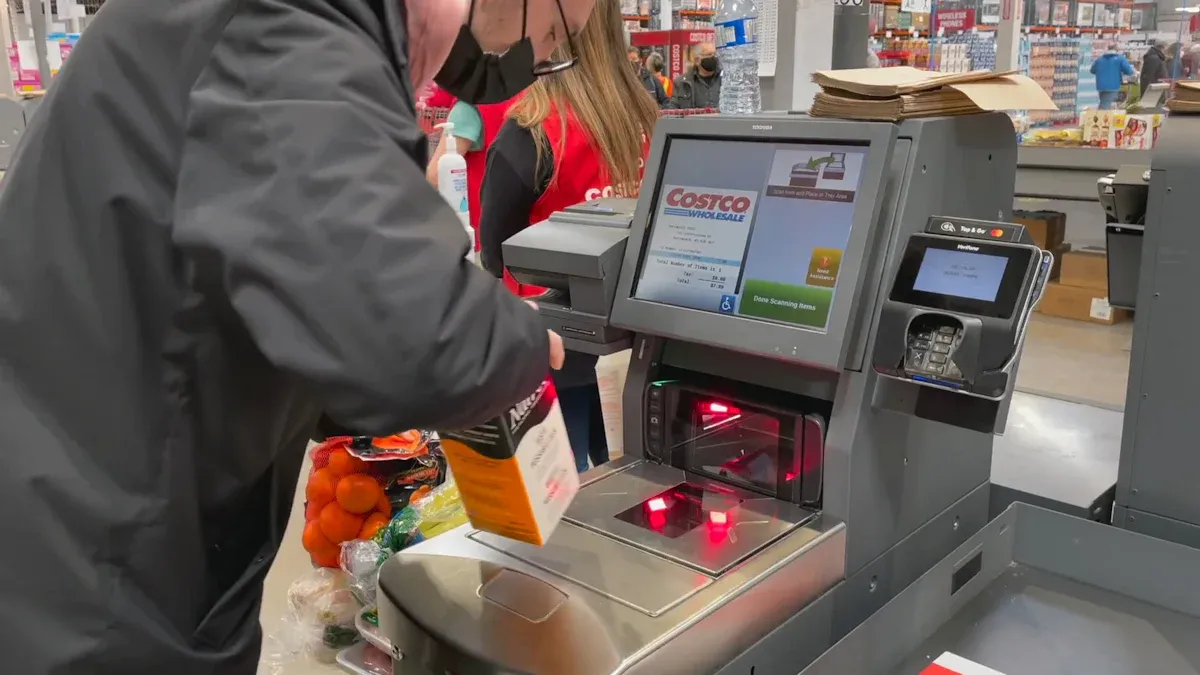
You may have heard self-checkout myths that say these systems need a lot of space. In a grocery store setting, space is often limited. Many store owners worry that self-service checkouts will crowd their aisles or take up room needed for products. However, modern self-checkout kiosks prove this idea wrong. Companies have designed self-service checkouts to fit even the smallest convenience stores. For example, Shell stations in the Netherlands and the UK have added self-service checkouts in tight spaces. These stores show that with good planning, you can add self-checkout without losing valuable floor space.
Self-service checkouts now come in compact sizes. Some models take up only half the space of a traditional checkout. You can see how these systems fit into your store by looking at their dimensions:
Feature | Specification |
|---|---|
Height | 61.41 inches |
Width | 12.0 inches |
Thickness | 3.58 inches |
Base Width | 19.68 inches |
Base Depth | 15.74 inches |
Space Efficiency | Up to 25% smaller |
You can place these self-service checkouts near the entrance, along a wall, or even in a corner. This flexibility helps you create a frictionless shopping experience for every customer.
Flexible self-service layouts
Self-service checkouts adapt to many grocery store settings. You can choose from different layouts to match your store’s needs. Some stores use single self-service stations, while others set up a row of compact units. You can even use mobile self-service checkouts that move around the store. This flexibility lets you serve more customers and improve the shopping experience.
Self-service technology also helps you manage customer flow. You can reduce lines and speed up the shopping experience. Customers enjoy having more control and less waiting. In a small grocery, every inch counts. Self-service checkouts let you use your space wisely and keep your store organized.
You may face some challenges when adding self-service checkouts. Sometimes, customers need help learning the new system. You can train your staff to guide them and answer questions. This support makes the shopping experience better for everyone. When you use self-service checkouts, you give your customers more choices and make your grocery store stand out.
Tip: Try different self-service layouts to see what works best for your store. You can always adjust as your customers’ needs change.
Autonomous checkout and security concerns
Shoplifting prevention
You may worry that autonomous checkout makes it easier for people to steal. Many believe that automation leads to higher theft rates. Some studies show that shrinkage rates at self-checkouts can reach 3.5% to 4%. About 15% of shoppers admit to stealing at these stations, and nearly half say they would do it again. Theft remains a big problem in retail, so you need strong solutions.
You can use advanced security tools to protect your store. Clark’s Market used an AI-driven loss prevention platform that connects to cameras and watches for theft. This system helped them lower shrinkage and increase profits. Autonomous checkout systems now use AI video analytics to compare what customers scan with what they actually put in their bags. These systems spot when items do not match or when someone tries to hide products. Weight sensors and cameras work together to catch mistakes or theft. Staff also play a key role. They monitor the area and help customers use the technology. With these tools, you can keep your store safe and improve the shopping experience.
Tip: Train your team to watch for suspicious behavior and support customers at autonomous checkout stations. This will help you reduce theft and build trust.
Data privacy in self-service
You want to keep customer data safe during every shopping experience. Autonomous checkout systems use private AI that works inside secure environments. This protects customer information and follows rules like GDPR. The system uses only the data it needs, such as customer profiles and sales history, to make the shopping experience better.
Data governance helps you keep customer data accurate and secure. You get a clear view of each customer’s shopping experience, which helps you offer better service. AI tools sort and protect personal information. They also keep records for audits and watch for any unauthorized access. This means you can use automation to improve the shopping experience while keeping customer trust.
Note: Always choose autonomous checkout solutions that focus on privacy and security. This will help you protect your customers and your business.
Cost myths in autonomous retail
Investment vs. long-term savings
You may think autonomous checkout is only for big retailers. Many small-format grocery and convenience store owners worry about high costs. In reality, autonomous retail offers strong returns and fits stores of any size. As technology advances, affordable options become available for everyone. You can see the most common cost myths and the real facts in this table:
Myth | Clarification |
|---|---|
It's too expensive for small businesses. | This technology is not solely for large retailers; affordable solutions will emerge as it advances. |
Autonomous checkout will eliminate all retail jobs. | While it changes the nature of some jobs, it is unlikely to eliminate them entirely. |
When you invest in autonomous checkout, you often see savings over time. Industry reports show that for every $1 you invest in AI technologies, you can expect an average return of $3.50. Top-performing stores see even higher returns, sometimes more than eight times their investment. These savings come from lower labor costs and more efficient checkout processes. One employee can now supervise several self-service stations, which helps you save money and keep customer engagement high.
Investment Type | Average ROI | Top Performers ROI |
|---|---|---|
AI Technologies | Exceeds 8x |
Affordable self-service options
You have many choices for affordable self-service and automated checkout solutions. These options help you improve the shopping experience and make checkout processes faster for every customer. Here are some popular self-service options for small-format grocery and convenience stores:
Self-Service Option | Description |
|---|---|
Self-Checkout Kiosks | Allows customers to scan and pay for their items independently, reducing wait times and labor costs. |
Digital Price Tags | Provides real-time pricing updates and reduces the need for manual price changes. |
Self-Serve Retail Systems | Enables customers to complete transactions with minimal employee interaction, enhancing efficiency. |
Self-Serve Checkouts: Customers scan and bag their items, select payment options, and complete transactions independently.
Self-service technology supports the digital transformation of grocery shopping. You can use these tools to create a better shopping experience and boost customer engagement. Automated checkout solutions help you manage checkout processes more efficiently. They also let you focus on customer service and improve the overall shopping experience. As you adopt autonomous checkout, you will see how it fits your store’s needs and budget.
Tip: Start with one or two self-service stations to test what works best for your customers. You can scale up as you see positive results in customer engagement and shopping experience.
Customer experience with self-service
User-friendly autonomous checkout
You may think that traditional checkout is easier for everyone, but modern autonomous checkout systems prove otherwise. Today’s self-service technologies focus on making every step simple and clear. You can see this in the way kiosks use large touchscreens, clear instructions, and easy payment options. These features help you complete your purchase quickly, even if you have never used autonomous checkout before.
Many autonomous checkout systems use ai-based solutions to guide you through the process. These systems reduce mistakes and make the shopping experience smoother. You can find intuitive interfaces that work well for all ages. The design of self-service technologies now includes accessibility features, so everyone can use them comfortably.
Feature | Description |
|---|---|
Emphasizes the importance of user experience design in autonomous checkout. | |
Accessibility | Ensures the store and app are accessible to all, including those with disabilities. |
Self-service technologies also support checkout-free shopping, which means you can walk out with your items and pay automatically. This creates a personalized shopping experience that saves you time and effort. You get personalized recommendations based on your past purchases, making each visit unique.
The self-checkout kiosks are designed with intuitive interfaces that simplify transactions, making them accessible for customers of all ages.
AI-powered self-checkout systems utilize advanced algorithms to streamline transactions and reduce errors, enhancing customer satisfaction.
Consumer preferences for self-checkout
You might wonder if most customers still prefer traditional checkout. The truth is, many people now choose self-service technologies for their speed and convenience. Surveys show that 77% of shoppers prefer self-checkout, especially younger generations like Gen Z and Millennials. About 43% of all consumers pick self-checkout over regular lanes, and more than half of those aged 18 to 44 choose it.
The studies indicate that regular checkout systems tend to enhance customer loyalty more than self-checkout systems, primarily due to perceived saved effort and a sense of entitlement among customers. Additionally, when customers perceive self-checkout as a rewarding experience, their loyalty can match that of regular checkout users.
You can see that frequent store visits and impulse purchases influence your choices at checkout. Many shoppers buy items they forgot earlier, and self-service technologies make this easy. Checkout-free options and ai-based solutions help you enjoy a personalized shopping experience every time.
Key Factor | Description |
|---|---|
Frequency of Store Visits | Shoppers' frequency of visits significantly influences their selection and choices at checkouts. |
Impulse Purchases | A large percentage of shoppers (81%) buy items at checkout due to forgetting to pick them earlier. |
Limited Merchandise at Checkout | Shoppers do not feel restricted by the limited range of items available at checkout counters. |
Personalization stands at the center of autonomous retail. You receive personalized recommendations and a personalized shopping experience with every visit. Self-service technologies and autonomous checkout create a seamless, checkout-free journey that matches your preferences and needs. This approach improves consumer experiences and builds loyalty in your store.
You have seen that myths can slow down the adoption of self-service in convenience stores. When you address these myths, you open the door to better strategies and growth. Automated checkout reduces wait times and boosts customer satisfaction. AI-driven offers can increase sales and bring shoppers back. To get started, follow these steps:
Understand your customers.
Set clear goals.
Choose the right technology.
Plan your rollout.
Train your team.
Monitor and improve your system.
Stay curious and use facts to guide your decisions.
FAQ
What is autonomous retail and how does it help your store?
Autonomous retail uses technology to let customers check out on their own. You see faster lines and better service. This transformation gives you more time to help shoppers. You get recommendations for new products and ways to improve your store.
How does self-service technology support transformation in small-format stores?
Self-service technology brings transformation by making checkout quick and easy. You use less space and help more customers. You get recommendations for layout changes. This transformation helps you keep up with retail trends and meet customer needs.
Can autonomous checkout systems protect customer data?
Yes, autonomous checkout systems use secure technology. You keep customer data safe during every transaction. This transformation follows retail privacy rules. You get recommendations for best practices. You build trust with your shoppers.
What are the main benefits of using recommendations in autonomous retail?
You get recommendations for products, store layout, and promotions. These recommendations help you make smart choices. You see transformation in sales and customer satisfaction. Retail technology uses data to give you the best recommendations.
How do you start the transformation to autonomous retail in your store?
You begin by looking at your store’s needs. You get recommendations for technology and layout. You plan your transformation step by step. Retail experts can help you. You see transformation in customer experience and store efficiency.
See Also
Understanding Global Automated Retail: Micromarkets And Smart Stores
Essential Corner Store Insights: Their Importance In Communities
AI-Driven Corner Stores: Key Insights For Retailers Today
Analyzing Walgreens Self-Checkout: Benefits And Retail Hurdles
How Time Out Corner Stores Transform Urban Convenience Options
