Common myths about autonomous retail in Universities & campus retail debunked.

Have you ever wondered if autonomous retail in universities changes how students shop or work? You might hear common misconceptions about what autonomous technology means for campus life. Challenge what you think you know.
Take a closer look at how autonomous solutions reshape retail in u.s. universities. Discover the real impact beyond myths.
Key Takeaways
Autonomous retail does not eliminate jobs; it transforms them. Students can focus on customer service and creative tasks instead of repetitive work.
Using autonomous checkout is easy for students. Most find it simple after a brief introduction, allowing for quick shopping without long lines.
Autonomous retail can lower prices. Efficient operations reduce costs, helping keep prices steady for students while improving service.
The shopping experience remains personal. Autonomous systems enhance convenience and privacy, allowing students to shop quickly and stress-free.
Small campus stores can also benefit from autonomous retail. This technology is versatile and can be adapted to fit various store sizes and needs.
Job Loss Myths in Autonomous Retail
Will autonomous retail eliminate campus jobs?
You might hear that autonomous retail will take away all campus jobs. This is one of the most common misconceptions. Many people worry that automation means fewer jobs for students and staff. In reality, autonomous technology changes the way you work instead of removing jobs completely.
Note: Autonomous systems handle simple tasks like scanning items or processing payments. You still need people to stock shelves, help customers, and solve problems.
Here are some facts to consider:
Retail stores on campus still need workers for daily operations.
Students can focus on customer service and creative projects.
Automation can reduce boring or repetitive work.
You do not lose jobs. You see jobs change and improve.
How roles evolve with autonomous retail
When you use autonomous retail, your role in the store can become more interesting. You might spend less time at the cash register and more time helping other students. You can learn new skills, like managing technology or planning events.
Some ways your job can evolve:
Guide new users through the autonomous checkout process.
Organize store displays and keep products fresh.
Collect feedback from students to improve the retail experience.
You become a problem solver and a helper, not just a cashier. Autonomous retail gives you a chance to grow and learn. You help make the campus store a better place for everyone.
Complexity and Usability of Autonomous Checkout

Is autonomous checkout too hard for students?
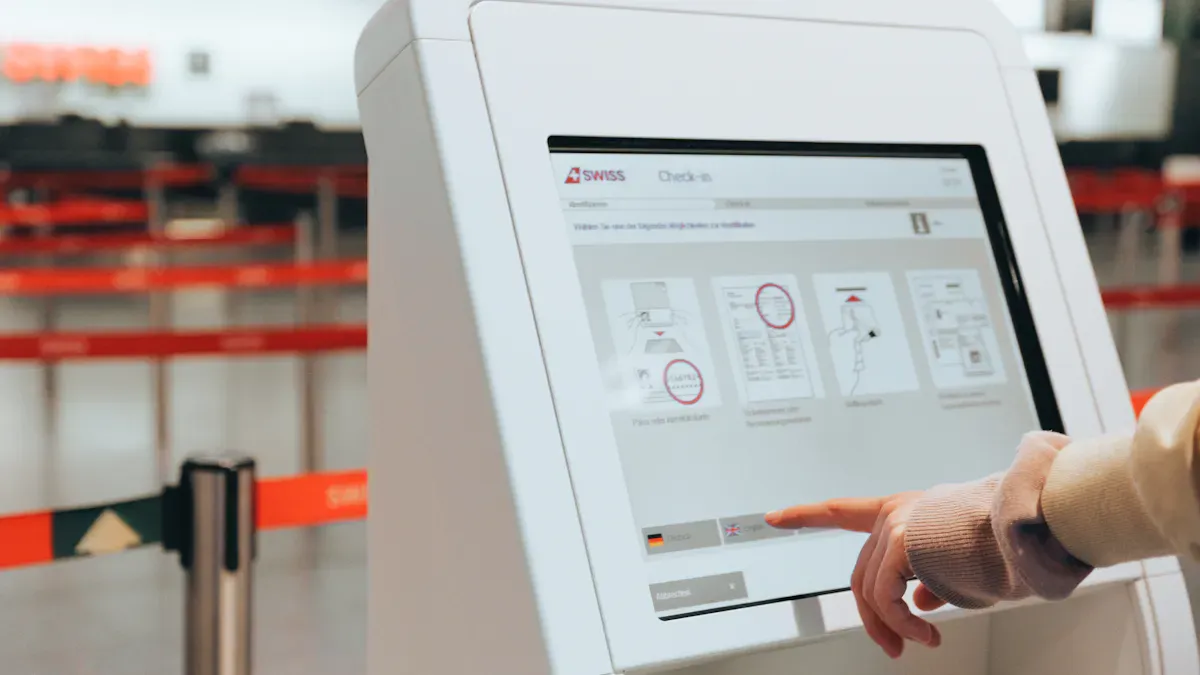
You might wonder if autonomous checkout is too complicated for students. Many students ask if they will struggle with new technology or if the process will slow them down. In reality, most students find autonomous checkout easy to use after a short introduction. You do not need to be a tech expert to use these systems. You can scan your items, pay, and leave the store without waiting in line. This process is often called just walk out technology or checkout-free shopping.
Some students face challenges with autonomous checkout. Here are a few common issues:
Challenge Type | Description |
|---|---|
Sometimes the system may not recognize an item or may bill you incorrectly. | |
Customer Adoption and Understanding | You may feel unsure about privacy or how the system works at first. |
Technical Glitches and Downtime | Software bugs or network problems can stop the checkout process. |
Data Privacy and Security Concerns | You might worry about how your data is collected and used. |
High Initial Investment and Operational Costs | Some stores may find it expensive to set up autonomous checkout. |
Even with these challenges, most students prefer autonomous checkout because it saves time and reduces stress. You can enjoy a frictionless shopping experience and avoid long lines.
User-friendly design in campus retail
Campus stores use user-friendly design to make autonomous checkout simple for everyone. You will see features that help you shop quickly and safely. For example, just walk out technology uses sensors and cameras to track what you pick up. Self-checkout stations guide you step by step. Large language models can answer your questions and give you smart recommendations.
Here are some design features that make autonomous checkout easy for you:
Design Feature | Description |
|---|---|
Multimodal Perception | Sensors help the system work well in different situations. |
Fraud Prevention in Checkout | The system checks for fraud in real time to keep your purchases safe. |
Adaptive Human-Vehicle Interaction | The system interacts with you in a natural way, making shopping more enjoyable. |
Large Language Models (LLMs) | These models help you with questions and make recommendations. |
Students like stores that offer fast and easy checkout. You can shop quickly, avoid lines, and feel less stressed. Autonomous checkout gives you more time for classes and activities. Many students say they enjoy the convenience and speed of autonomous checkout compared to traditional checkout.
Pricing and Cost Concerns in Autonomous Retail Stores
Does autonomous retail mean higher prices?
You might think that automation in campus foodservice and grocery stores will make everything more expensive. Many students worry about paying more for snacks, drinks, or meals. In fact, autonomous retail does not always lead to higher prices. When you use automation, you can actually help your campus save money in many ways.
Tip: The technology behind autonomous retail stores can lower costs by making foodservice and grocery operations more efficient.
Autonomous systems reduce the need for extra staff in foodservice and grocery stores. This means payroll expenses go down. Smart inventory management helps keep foodservice items fresh and reduces waste. Energy-efficient equipment also cuts utility bills. These savings can help keep prices steady for you and your friends.
Cost savings for universities and students
You benefit from cost savings when your university uses autonomous foodservice and grocery stores. For example, the University of Denver opened cashierless grocery stores on campus. These stores became more efficient and saw a 30% increase in customer visits. The extra sales helped cover the cost of installing the new technology.
Here are some ways autonomous foodservice and grocery stores save money:
Fewer staff needed, so payroll costs drop.
Smart inventory systems reduce waste in foodservice and grocery.
Energy-saving equipment lowers bills for foodservice operations.
Cost Saving Feature | Benefit to Campus Retail |
|---|---|
Smart inventory management | Reduces waste and saves money |
Energy-efficient operations | Lowers utility bills |
Minimal staffing |
Autonomous retail stores can also boost campus revenue. When you shop at these stores, you find your favorite foodservice and grocery items in stock more often. Placing these stores in busy areas can increase sales by five to six times per square foot compared to traditional retail. You get more convenience and your university can reinvest savings into better services for students.
Personal Touch and Customer Experience
Is autonomous retail impersonal?
You might think that autonomous retail feels cold or lacks a personal touch. This is a common misconception. In reality, you can enjoy a friendly and stress-free shopping experience. You do not need to wait in long lines or rush between classes. You can shop quickly and focus on what matters most to you.
Frictionless checkout lets you finish shopping in under two minutes.
You avoid stress and frustration because you do not have to wait.
Many students say, “It saves me so much time,” and “I do not have to wait in line anymore.”
You get more privacy during your shopping trip.
Students at the University of San Diego and the University of Denver report high satisfaction with these stores. They like the speed and privacy. You may find that you visit these stores more often because the experience fits your busy schedule.
Enhancing service and convenience
You get more than just speed with autonomous retail. New technology helps make your shopping experience better every day. You can shop any time, day or night. You can buy what you need faster with contactless systems. You do not have to worry about missing out on essentials.
Feature | Benefit |
|---|---|
Frictionless Shopping | No lines or waiting, making shopping enjoyable. |
24/7 Availability | Shop whenever you want, even late at night. |
Automatic Billing | Get instant receipts and clear pricing. |
Smart Shopping Tools | Track your purchases and get help in real time. |
Cashless Solutions | Pay quickly and keep your money safe. |
You also benefit from advanced systems like cloud-native platforms, retail IoT, and AI. These tools keep your information safe and make shopping smooth. Stores use cybersecurity and compliance frameworks to protect you. When you shop, you feel secure and supported.
You see that autonomous retail does not remove the personal touch. It gives you more control, more convenience, and a better experience.
Suitability of Autonomous Retail for Campus Stores
Are autonomous retail stores only for big retailers?
You might think that only large companies can use autonomous retail stores. This is not true. You can see that small campus stores also benefit from this technology. Smart shelf systems give you flexibility. You can adjust how much you monitor your inventory. This helps you avoid extra costs and keeps things simple.
Small campus retailers often do not have many staff members. Autonomous retail stores let you offer 24/7 self-service. You do not need to hire people to work late at night. Students can buy grocery items or snacks any time. This matches what students want—quick and easy shopping. You can use automation to make your store more efficient and meet student needs.
The technology behind these stores can scale up or down. You can use it in a small shop or a large one. You do not have to worry about systems being too complex for your space. You can set up a fully-autonomous store that fits your campus perfectly.
Campus adoption and versatility
Many universities now use autonomous retail stores. You can find these stores in different places and sizes. Here are some real-world examples:
San Jose State University opened the Ginger Market, an autonomous grocery store.
University of Houston changed an old store into an autonomous retail space with Standard AI.
University of Texas at Dallas will soon open a new autonomous store.
You can see that these stores work well in many settings. You can sell grocery items, snacks, or drinks. You can run your store day and night. The system helps you keep track of products and restock when needed.
Autonomous retail gives you more options. You can serve students better and save money. You do not need to be a big retailer to use this technology. You can make your campus store modern, flexible, and easy to use.
You have seen that autonomous retail does not remove jobs or make shopping harder. You get faster transactions, more convenience, and 24/7 access to essentials. Students visit stores more often and feel happier.
"Everyone is happy with the convenience and accessibility that Just Walk Out technology has brought to our campus," says Salgado.
You can learn more about campus retail innovation from these resources:
UC San Diego transforms campus retail with frictionless shopping technology
How the Bryce Jordan Center solved venue labor challenges with autonomous retail solutions
FAQ
What if you have trouble using autonomous checkout?
You can ask for help from staff or use on-screen instructions. Most stores have guides or tips posted nearby. You will learn quickly with practice.
Can you still pay with cash in autonomous stores?
Some stores allow cash payments at special kiosks. Others use cards or mobile apps only. You should check your campus store’s payment options before shopping.
How does autonomous retail keep your data safe?
Autonomous stores use strong security tools. They protect your information with encryption and regular checks. You can ask staff about privacy policies if you have questions.
Will autonomous retail work during busy times?
Yes! Autonomous systems handle many shoppers at once. You do not need to wait in long lines. You can finish shopping faster, even during rush hours.
What happens if you pick up the wrong item?
You can put the item back on the shelf. The system will update your cart. If you need help, staff can assist you right away.
See Also
Exploring Global Trends in Automated Convenience Retail Solutions
Understanding AI-Driven Corner Stores: Essential Insights for Retailers
Fundamentals of Corner Stores and Their Importance Today
Creative Vending Machine Sites: Expanding Beyond Conventional Locations
