How autonomous retail can help solve staffing shortages in Universities & campus retail.

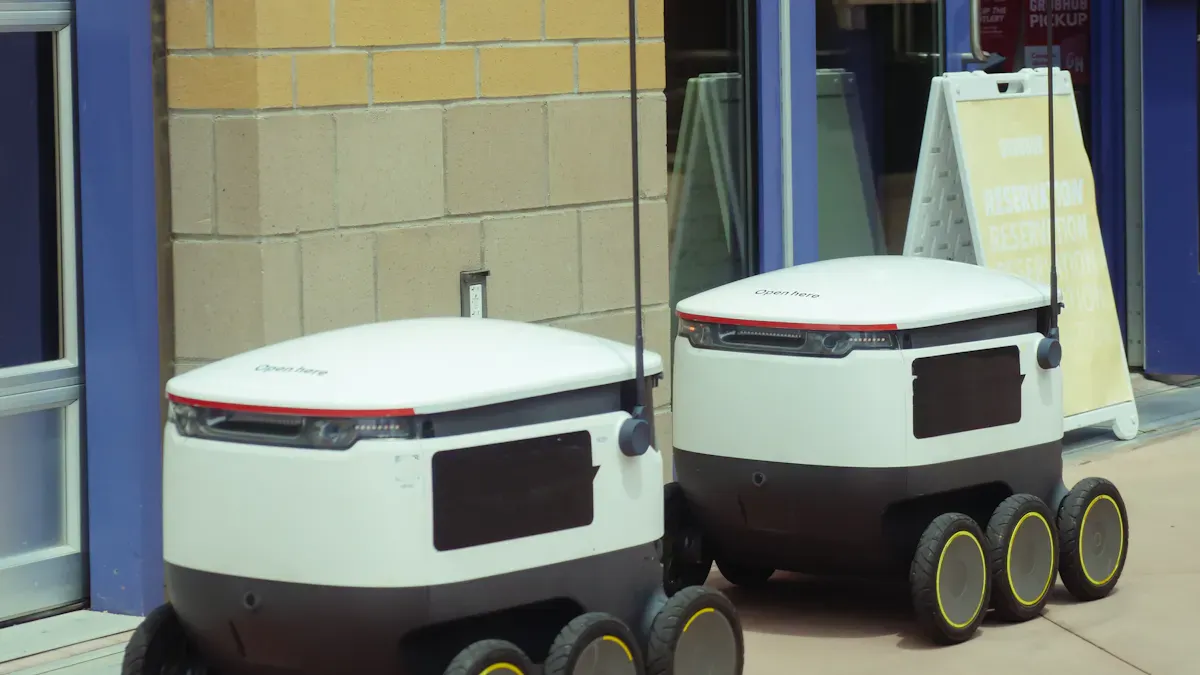
You see how autonomous retail changes the way campus retail works. Many universities now use smart technology to automate tasks and offer 24/7 access for students. For example, the University of Houston and San Jose State University have opened autonomous stores that help solve staffing shortages. These solutions also fix common problems like long lines and checkout delays, making retail faster and simpler for everyone. With tools like robotic automation and digital inventory systems, you can transform underused campus spaces into busy hubs that meet your needs.
University | Vendor | Implementation Details |
|---|---|---|
University of Houston | Chartwells | Plans to open 100 autonomous retail stores on various campuses, including successful implementations. |
San Jose State University | Chartwells | Successful implementation of autonomous retail solutions. |
University of Denver | AiFi | Successfully implemented autonomous stores. |
University of San Diego | AiFi | Successfully implemented autonomous stores. |
Key Takeaways
Autonomous retail offers 24/7 access to shopping, ensuring students can find essentials anytime, even during late-night study sessions.
AI-powered systems improve inventory management, predicting needs and restocking items automatically, which reduces waste and enhances efficiency.
Self-checkout and grab-and-go options streamline the shopping experience, allowing students to shop quickly without long lines.
Automation reduces reliance on manual labor, enabling campus retail to operate smoothly even with staffing shortages.
Transforming underused spaces into autonomous retail hubs can increase revenue and improve access to essential products for students.
Staffing Challenges in Campus Retail

Causes of Staffing Shortages
You see many reasons why campus retail faces frontline labor shortages. Small hospitality businesses in college towns often struggle to keep enough staff. High employee turnover makes it hard to build a stable workforce. Many workers leave after a short time, so you must hire new people often. Seasonal jobs create more problems. When students leave for summer or winter breaks, you lose part of your workforce. Some jobs require you to work late at night or early in the morning. These antisocial hours make it tough to attract labor. People want jobs with regular hours, but campus retail cannot always offer that. You notice that these challenges lead to gaps in staffing and make it harder to run stores smoothly.
Impact on Campus Operations
Frontline labor shortages affect campus retail in many ways. You may see longer lines at checkout and fewer open stores. Sometimes, stores close early because there are not enough workers. This reduces access for students who need food or supplies. The workforce becomes stretched, so service quality drops. At the University of Missouri–St. Louis, a staffing shortage in housing operations almost caused service disruptions. Interim management support helped keep things running. This shows that quick solutions are important for campus retail. If you do not solve labor shortages, students feel frustrated and satisfaction drops. You need a strong workforce to keep campus stores open and efficient.
Tip: Addressing labor shortages quickly helps you maintain smooth campus operations and keeps students happy.
Challenge | Effect on Campus Retail |
|---|---|
High turnover | Frequent hiring, unstable staff |
Seasonal employment | Workforce gaps during breaks |
Antisocial hours | Hard to attract labor |
Short staffing | Reduced access, lower quality |
Autonomous Retail Technologies on Campus
AI-Powered Autonomous Retail Solutions
You can see how ai-powered autonomous retail solutions change campus retail. These systems use ai to track inventory, predict what you want, and keep shelves full. You get personalized shopping experiences every time you visit a kiosk or store. Ai-powered autonomous retail also uses chatbots and virtual assistants to answer your questions fast. You can even try augmented and virtual reality to see products before you buy them. These tools create a frictionless experience and make checkout-free shopping possible. Ai-powered autonomous retail also helps with loss prevention by using video analytics to keep your shopping safe.
Personalized shopping experiences give you product suggestions based on your habits.
Ai-powered autonomous retail predicts inventory needs and restocks items before they run out.
You get 24/7 access to shopping, so you never miss out on essentials.
Automated inventory tracking and real-time analytics help staff manage retail better.
Feature | Description |
|---|---|
Automated Inventory Tracking | Keeps track of stock levels automatically, reducing manual effort |
Predictive Restocking | Uses sales patterns to forecast when to restock items |
Real-Time Analytics | Provides immediate insights through dashboards and reports |
Self-Checkout and Grab-and-Go Stores
You can use self-checkout and grab-and-go stores for a fast, frictionless experience. These autonomous retail options let you shop at a kiosk, scan your items, and pay without waiting in line. Checkout-free shopping means you spend less time in the store. Micro markets, express stores, and smart n go kiosks give you personalized shopping experiences in many campus locations.
Type of Store | Description |
|---|---|
Micro Market | Offers fresh and healthy self-serve options in secure environments like faculty lounges. |
Express | Autonomous stores with no checkout lines, ideal for larger retail locations like bookstores. |
Smart N Go | Smart vending markets providing quick access to snacks and essentials in public areas. |
Unattended retail reduces the need for staff at checkout.
You get on-demand food service and more personalized choices.
Kiosk locations help you shop anytime, even late at night.
Autonomous Robots for Delivery
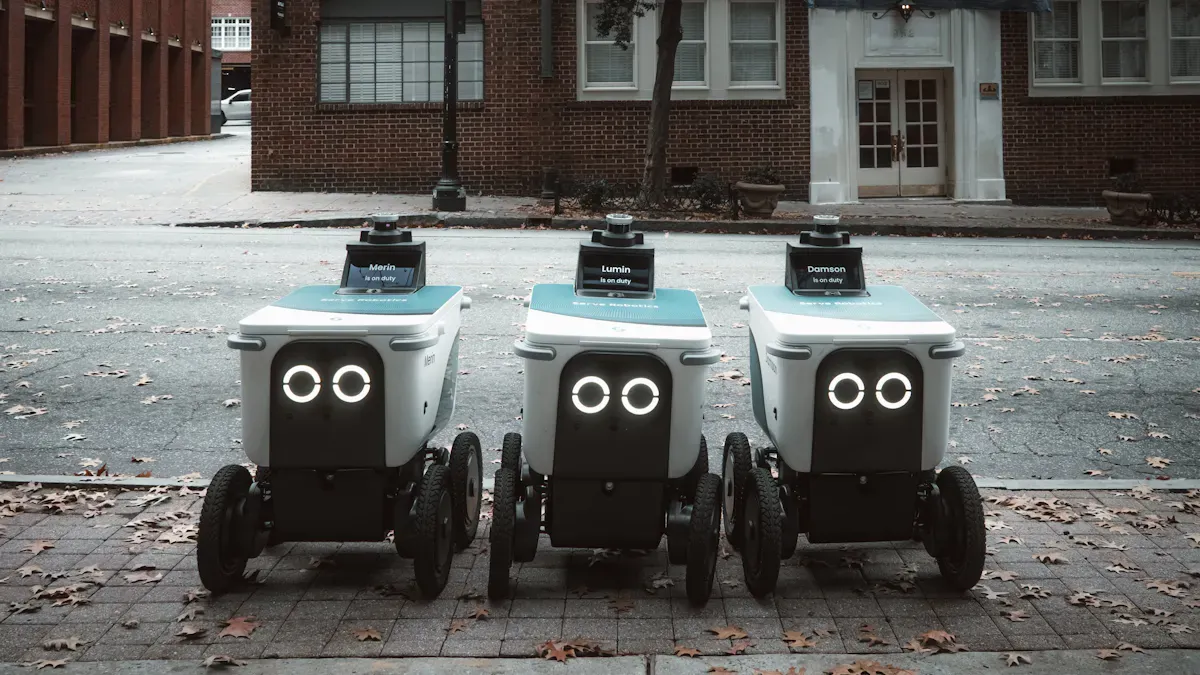
You can now see autonomous robots deliver food and retail items across campus. These robots use ai to find the best route and keep your shopping safe. They help manage inventory by moving products from storage to kiosks or stores. Autonomous robots lower costs by using energy-efficient operations and needing minimal staffing. You get personalized shopping experiences when robots bring your order right to your dorm or classroom.
Smart inventory management keeps shelves stocked with top products.
Autonomous robots support checkout-free shopping and make delivery fast.
You help transform underused spaces into 24/7 autonomous retail outlets with these technologies.
Note: Many campuses now use autonomous kiosks and robots to turn empty spaces into busy retail hubs. These changes bring 3.6x more revenue and zero shrinkage, while giving you 24/7 access to personalized shopping experiences.
Solving Staffing Shortages with Autonomous Retail
Automating Retail Tasks
You can see how automation changes the way you manage retail tasks on campus. Autonomous systems handle many jobs that once needed a large workforce. You no longer need to spend hours tracking inventory or restocking shelves. Automation tools now determine the best stock levels by studying demand patterns. These systems track the shelf life of perishable goods, so you waste less and always have fresh products available. You also get help from chatbots that answer questions at any time, making customer service faster and more reliable. Self-checkout options reduce wait times and let you finish shopping quickly. With these tools, you keep your campus retail running smoothly, even when you have fewer staff.
Automation improves inventory accuracy by using real-time data.
You reduce waste because automated systems monitor product freshness.
Chatbots and self-checkout make shopping easier and faster for students.
Tip: When you use automation for retail tasks, you free up your workforce for more important jobs and keep your campus stores open without delays.
24/7 Access for Students
Autonomous retail gives you 24/7 access to shopping on campus. You can visit a store at any hour, whether you need a snack during a late-night study session or supplies before an early class. These stores use smart technology to keep you safe and make shopping simple. AI cameras and RFID tags protect your purchases and speed up the process. You find autonomous stores in places that are easy to reach, so you never have to walk far for what you need.
Autonomous stores stay open all day and night, fitting your busy schedule.
You enjoy quick shopping trips, even when most other stores are closed.
Smart technology ensures safety and convenience at every hour.
Stores in key campus locations give you constant access to essentials.
Note: 24/7 access means you never miss out on shopping, no matter how busy your day gets. This level of convenience supports your lifestyle as a student.
Reducing Labor Dependence
You notice that autonomous retail helps you rely less on manual labor. Automation now handles many daily tasks, from checkout to inventory management. This shift is important because ongoing labor shortages make it hard to find and keep staff, especially for jobs with lower wages. Retailers now use automation to fill these gaps and keep stores running. Experts predict that by 2025, automation will take care of 70% of daily store tasks. This change lets you operate campus retail with a smaller workforce and focus your staff on jobs that need a human touch.
Automation reduces the need for manual labor in checkout, inventory, and customer service.
You can keep your campus stores open, even when you have trouble hiring enough staff.
The workforce can focus on higher-value tasks, improving the overall shopping experience.
Retailers save money by cutting labor costs and using automation for routine jobs.
Callout: As you adopt more autonomous solutions, you build a campus retail system that is flexible, efficient, and ready for the future.
Benefits for Campus Retail
Operational Efficiency
You improve operational efficiency when you use autonomous retail on your campus. AI systems track inventory and restock shelves before items run out. This means you always find popular products when you need them. Automated tools reduce mistakes and waste, so your campus retail stores run smoothly. You do not need as much labor for daily tasks, which helps you save time and money. With fewer errors, you get a seamless experience every time you shop. Campus staff can focus on important jobs instead of routine work.
Tip: Automated inventory management keeps your favorite snacks and supplies in stock, making shopping more convenient for you.
Enhanced Student Experience
You notice a big change in the student experience with autonomous retail. You get 24/7 access to shopping, so you never worry about store hours. You enjoy frictionless shopping because you do not wait in long lines. AI learns what you like and suggests products that match your needs. Personalized notifications and digital loyalty programs reward you for shopping often. This convenience makes your campus life easier and more enjoyable.
Benefit | Description |
|---|---|
Students can shop anytime, eliminating concerns about store hours. | |
Frictionless Shopping | No waiting in lines, allowing students to focus more on studies rather than checkout processes. |
Personalized Recommendations | AI suggests products based on shopping behavior, enhancing the shopping experience. |
Improved Satisfaction | The convenience and tailored experiences lead to higher student satisfaction. |
AI learns shopping behavior and suggests relevant products.
Personalized notifications and offers enhance engagement.
Digital loyalty programs reward frequent shoppers.
Revenue from Underutilized Spaces
You turn empty or quiet campus areas into busy retail spots with autonomous retail. These stores need less labor, so you can open them in places that did not have enough staff before. You increase revenue by giving students and staff more access to shopping. With 24/7 convenience, you attract more people and boost sales. You use technology to create a seamless experience, which keeps students coming back. Your campus retail grows stronger and supports the needs of everyone on campus.
Note: When you transform underused spaces, you help your campus make more money and give students better access to essentials.
Implementation and Considerations
Real-World Campus Examples
You see universities leading the way in autonomous retail. The University of Denver partnered with Sodexo to use AI and computer vision for cashierless shopping. Students shop without traditional checkout, making the process fast and easy. This approach improves campus retail and gives you more access to essentials.
University | Partner | Technology Used | Description |
|---|---|---|---|
University of Denver | Sodexo | AI and computer vision | Implemented a cashierless shopping experience using AiFi technology, allowing students to shop without traditional checkout processes. |
Adoption Challenges
You face several challenges when you bring autonomous retail to campus. Higher operating costs require new ways to manage retail. Digital solutions must boost efficiency without raising expenses. Integration with campus systems is important for real-time inventory visibility. Security and compliance issues demand strong protection for sensitive data. Robust inventory management keeps stock steady for smooth operations.
Challenge Type | Description |
|---|---|
Higher Operating Costs | Increased costs require new operational models. |
Need for Effective Digital Solutions | Digital tools must boost efficiency without raising expenses. |
Integration with Campus Systems | Smooth integration is key for real-time management. |
Protect sensitive data and follow changing regulations. | |
Robust Inventory Management | Keep stock levels steady for smooth operations. |
Tip: You can solve these challenges by investing in cloud-native systems, retail IoT, and cybersecurity measures.
Steps to Get Started
You can start integrating autonomous retail into campus retail by following these steps:
Run pilot programs to test technology and gather feedback from students.
Invest in strong IT infrastructure, including cloud-native systems and retail IoT capabilities.
Incorporate inclusive design features to ensure accessibility for all students.
Key Investment | Description |
|---|---|
Cloud-native, API-first systems | Solutions that enable scalability, integration, and security for retail operations. |
Retail IoT capabilities | Technologies that enhance inventory management and operational efficiency. |
Cybersecurity measures | Endpoint protection and data governance to secure digital infrastructure. |
You improve campus retail by testing technology and processes. You gather feedback from students and fix problems early. You measure savings and convenience. You use alternative forms of interaction like accessible touchscreens and frictionless checkout. Adjustable self-checkout kiosks and inclusive store layouts help all students. You provide 24/7 access to autonomous micro stores and offer personalized services through self-service customer portals. AI technology gives tailored product suggestions based on preferences. Digital inventory management and real-time inventory visibility support smooth operations.
Note: You build a stronger campus retail system when you focus on inclusive design, robust inventory, and self-service customer portals.
You see how autonomous retail helps you solve staffing shortages and improve campus stores. Many retailers report lower labor needs, stable performance, and better use of space:
Retailer Group | Key Benefits of Autonomous Retail |
|---|---|
Mercadona | Reduced labor dependency |
Bon Preu S.A.U. | Lower ongoing operating costs |
Caprabo | Stable, repeatable performance |
You give students 24/7 access to essentials and let staff focus on higher-value tasks. Try pilot programs to see how these solutions can help your campus grow.
FAQ
What is autonomous retail?
Autonomous retail uses technology like AI, sensors, and robots to run stores with little or no staff. You shop, pay, and get products without waiting for help.
How does autonomous retail help with staffing shortages?
You see fewer staff needed because machines handle checkout, inventory, and delivery. This lets stores stay open even when you cannot hire enough workers.
Are autonomous stores safe for students?
Smart cameras and sensors protect you and your purchases. Stores use secure payment systems to keep your information safe.
Can you use autonomous retail in any campus space?
You can set up autonomous stores in lounges, libraries, or dorms. These stores fit in small spaces and work day and night.
What happens if you need help in an autonomous store?
You use chatbots or virtual assistants for quick answers.
Staff can help with special problems if needed.
See Also
The Future of Retail Lies in AI-Driven Stores
Walgreens Self-Checkout: Balancing Convenience with Retail Hurdles
AI-Enhanced Corner Stores: Essential Insights for Retailers
Comparing Micromarkets and Smart Stores in Global Retail
Transforming Online Store Management with AI E-Commerce Solutions
