How autonomous retail can help solve staffing shortages in Corporate offices & tech parks.

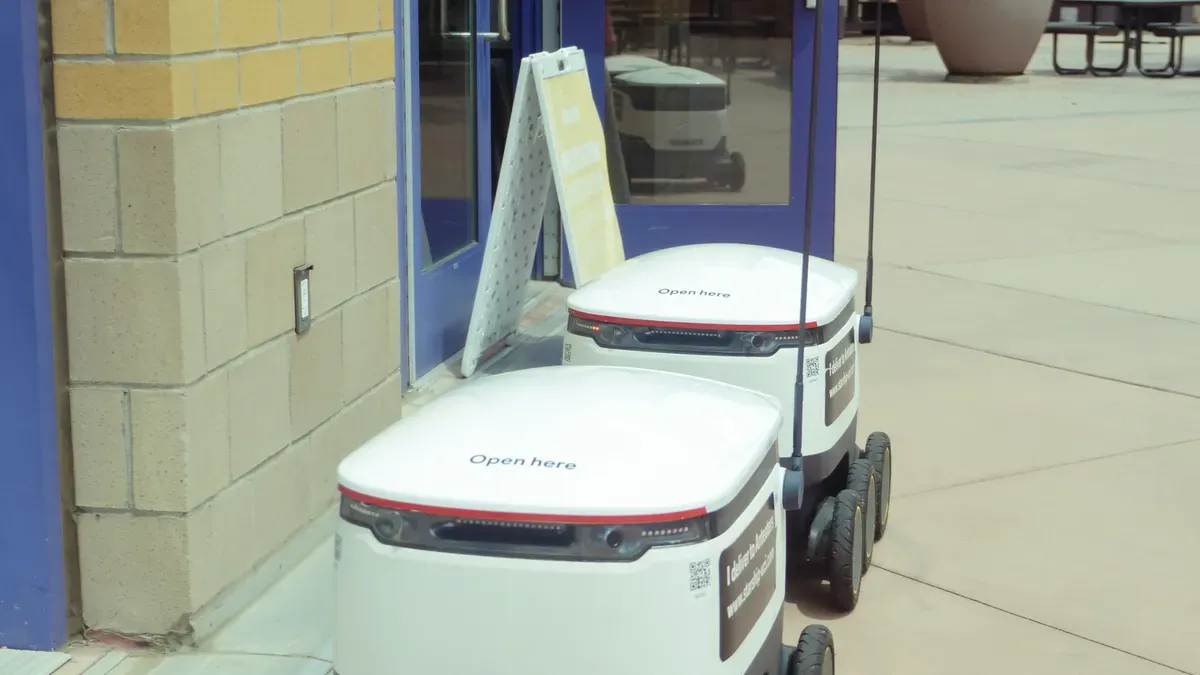
You face challenges when there are not enough staff in your office or tech park stores. Autonomous retail uses automation, robotics, and self-service tools to help you get more done with fewer people. Recent studies show that these technologies do not reduce jobs but shift your team to more valuable roles. You see better job satisfaction and smoother operations even when staff numbers drop.
AI and automation keep your retail services running, even during staff shortages.
Automated systems help your team focus on customer needs and important tasks.
Key Takeaways
Autonomous retail uses technology to keep operations running smoothly during staff shortages.
Automation allows your team to focus on customer service and important tasks, improving job satisfaction.
Implementing self-service kiosks and AI systems can speed up transactions and reduce wait times for customers.
Streamlining workforce management with automation helps reduce scheduling conflicts and lowers labor costs.
Investing in autonomous retail can enhance both employee and customer experiences, leading to higher satisfaction.
Staff Shortage Challenges in Corporate Offices & Tech Parks
Causes of Retail Staff Shortage
You may notice that finding enough staff for retail stores in corporate offices and tech parks is not easy. Many people leave their jobs quickly, which makes it hard to keep stores fully staffed. The retail sector has a turnover rate of 60.5%. This number is much higher than in other industries. When people leave, you need to hire and train new workers often. This cycle creates a constant retail staff shortage. Sometimes, companies ask their corporate employees to help in stores during busy times. For example, Macy’s has encouraged office workers to take on in-store roles. Hy-Vee also moved 500 corporate employees to retail positions to handle the shortage and manage costs.
Effects of Labor Shortage on Operations
A labor shortage can change how your retail operations work every day. You might see longer lines at checkout or slower service. Customers may feel frustrated if they have to wait too long. When you do not have enough staff, the quality of service drops. This can hurt sales and make customers less happy. Your current staff may feel tired and stressed because they have to do more work. Sometimes, you or your coworkers must take on extra tasks that are not part of your main job. This can make it hard to focus on your real responsibilities.
When you face a staff shortage, you risk burnout and lower morale among your team. Keeping up with daily tasks becomes a challenge.
Here is a table that shows how a shortage affects your operations:
Impact on Operations | Description |
|---|---|
Understaffing | Leads to longer customer wait times and reduced service quality. |
Increased stress and long hours for existing staff. | |
Multi-tasking | Corporate employees are required to take on in-store roles, affecting their primary responsibilities. |
You can see that a retail staff shortage does not just affect the store. It also impacts the whole office and tech park environment.
Autonomous Retail Technologies and Solutions
Robotics and Automation in Retail
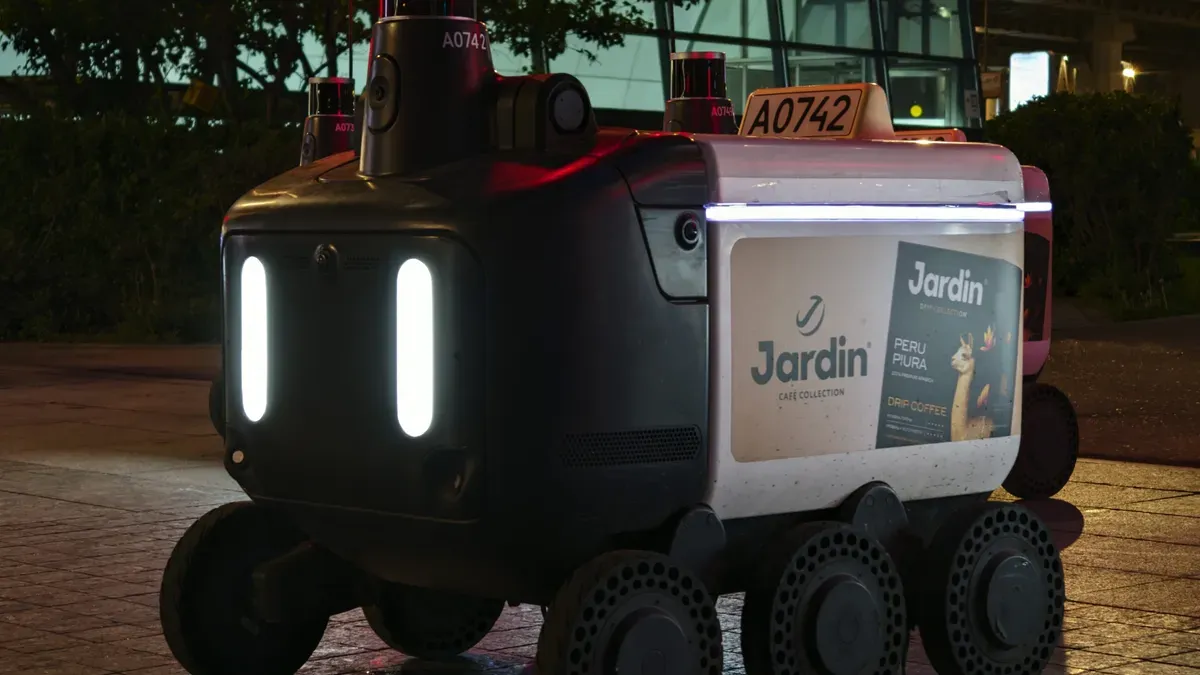
You see robotics and automation technology changing the retail industry in corporate offices and tech parks. Robots now sort and move goods in warehouses, making the supply chain faster and more reliable. You can use digital workers to monitor stock levels and predict when you need to restock. This type of retail automation helps you avoid empty shelves and keeps your store running smoothly. AI-powered chatbots answer customer questions, so your team can focus on more complex tasks. Cashierless stores use automation technologies to let customers check out without waiting in line. These solutions reduce your need for extra staff and help you manage costs better.
Tip: When you use robotics and automation, you can handle more work with fewer people. This means your team can spend more time helping customers and less time on routine jobs.
Self-Service Kiosks and AI Systems
You find self-service kiosks and AI systems in many modern stores. These tools let customers complete purchases, get information, or access services without staff help. In corporate offices, cashierless kiosks make it easy for employees to grab snacks or drinks quickly. You see these systems in hospitals, fast-food restaurants, airports, and banks. For example, self-service kiosks in hospitals help patients check in faster and reduce waiting times.
Intermarché’s use of computer vision AI at self-checkouts cut employee interventions by 15% in two months.
Shrink levels at self-checkout dropped from 3% to below 1%.
Employees felt more satisfied because they could focus on customer engagement.
AI-powered self-checkouts made transactions four times faster and increased transactions per hour by up to 40%.
Cashierless stores and kiosks help you serve more people with fewer staff. These technology solutions improve efficiency and create a better experience for both employees and customers.
Addressing Staff Shortage with Autonomous Retail
Automating Routine Retail Tasks
You can use autonomous retail to automate many routine tasks in your store or office. This approach helps you handle a staff shortage without lowering service quality. Automation technologies take over repetitive jobs, so your team can focus on more important work. Here are some ways these systems help you every day:
Predictive inventory optimization uses AI to study sales data and trends. You always know what to restock and when to do it.
Hyper-personalization and real-time offers give your customers special deals based on their shopping habits.
Behavioral biometrics and anomaly detection spot unusual shopping patterns. This keeps your store safe and reduces theft.
Dynamic pricing strategies let AI change prices quickly. You can match demand and avoid losing sales.
Robotic integration for back-end operations means robots scan shelves and restock items. This keeps your store organized and efficient.
Edge computing makes AI work faster by processing data on-site. You get quick responses and less waiting.
Sentiment analysis and customer feedback loops help you understand what shoppers think. You can improve your products and store experience.
You see that retail automation does not just save time. It also helps you use your staff for tasks that need human skills, like customer service and problem-solving.
Tip: When you automate routine jobs, you give your team more opportunities for upskilling and growth. This labor shift lets them take on new responsibilities and learn valuable skills.
Streamlining Workforce Management
You can make workforce management easier with autonomous retail solutions. These systems help you plan schedules, reduce conflicts, and control costs. When you use automation, you need fewer staff to cover the same amount of work. This change helps you deal with a labor shortage and keeps your retail operation running smoothly.
Here is a table that shows how these solutions improve your staffing and operations:
Measurable Outcome | Impact |
|---|---|
Reduction in scheduling conflicts | |
Decrease in overtime costs | 20% to 40% reduction |
Improved labor utilization | Enhanced efficiency in staffing |
Increased employee satisfaction | Higher engagement and retention rates |
You see that automation technologies help you avoid common problems like overstaffing or understaffing. You can also keep your team happy and motivated. In the long term, you notice changes in workforce roles. For example, supermarkets use automated shelf-tracking, so you need fewer people to check inventory. Fashion retailers use virtual try-ons, which means you need less in-store staff. Electronics stores improve demand prediction, so inventory management roles change. Pharmacies use better compliance tools, so staff focus more on accuracy and safety.
Note: Streamlining workforce management with autonomous retail gives you more control and flexibility. You can adjust quickly when there is a shortage or sudden change in demand.
Enhancing Service Levels Despite Shortage
You can keep service levels high even when you face a staff shortage. Autonomous retail systems help you respond faster and work more efficiently. These systems support your team by taking over manual tasks and improving security.
Feature | Benefit |
|---|---|
Enables quick response times to security breaches, preventing further damage or loss. | |
Access Control | Reduces the need for staff to manage physical keys, saving time and reducing workload. |
Improved Efficiency | Integrates with retail systems to enhance overall efficiency, easing staff workload. |
Reducing Manual Tasks | Automates monitoring, decreasing the need for constant staff oversight of security footage. |
You see that cashierless stores and kiosks let you serve more people with fewer staff. Automated systems handle routine jobs, so your team can focus on helping customers. This approach keeps your service levels high, even during a shortage.
Automation reduces monotonous tasks, so your employees can manage a wider range of responsibilities.
Fewer layers in your team mean each person can do more and learn new skills.
About half of all retail activities can be automated, making your workforce more efficient.
Automated systems execute routine jobs quickly, so your team can focus on customer engagement.
You can optimize labor costs and let your staff work on strategic tasks.
Automation can cut the time spent on manual jobs, so your team can focus on work that needs their input.
You also see that cashierless technology, like Just Walk Out, lets you reassign checkout staff to more valuable roles. Employees report higher job satisfaction because they have more opportunities and better amenities. Autonomous retail addresses labor shortage by optimizing your workforce and improving morale.
Callout: When you use autonomous retail, you turn a staff shortage into an opportunity for growth and innovation. Your team becomes more flexible, skilled, and satisfied.
Benefits of Autonomous Retail for Labor Shortage
Increased Productivity and Efficiency
You see productivity rise when you use autonomous retail in your office or tech park. This strategy lets you handle a labor shortage without sacrificing performance. Cashierless stores remove the need for dedicated cashiers. Your staff can focus on tasks that matter most, like helping customers or managing inventory. You notice fewer mistakes and faster service. AI-powered systems track inventory and spot theft, so you keep your shelves full and your losses low. Digital tools collect data about how people shop. You use this information to make better decisions and improve your store layout.
You reduce labor costs by shifting staff to higher-value roles.
Computer vision technology monitors inventory and deters theft.
Data-driven insights help you understand customer behavior and store performance.
Tip: When you use autonomous retail, you unlock new opportunities for your staff. They learn new skills and take on more responsibility. This prepares your team for the future.
Cost Savings and Resource Optimization
You save money and use resources better with autonomous retail. This technology helps you scale your business during busy times without hiring extra staff. Usage-based pricing means you only pay for what you use. Your budget stays safe during slow periods. Automatic updates keep your systems running smoothly. You avoid expensive upgrade projects. Cloud-native AI agents reduce errors and manual work. Your processes become more accurate and efficient.
You handle peak demand without permanent overstaffing.
Your costs match your actual interaction volume.
Platform updates happen automatically, lowering operational expenses.
You minimize errors and manual intervention with digital AI agents.
One retailer managed a 300% surge in volume during the holidays without hiring temporary staff. They saw a lower cost per contact because routine inquiries were handled by autonomous systems.
Callout: Autonomous retail gives you a flexible strategy for managing costs. You optimize your resources and keep your business strong during a labor shortage.
Improved Employee and Customer Experience
You improve the experience for both staff and customers with autonomous retail. Cashierless stores remove checkout lines. Shoppers save time and feel less stressed. Your staff spends more time helping customers and less time on routine tasks. This change boosts morale and job satisfaction. Autonomous retail lets you offer 24/7 service. Customers enjoy greater convenience and accessibility. Your team focuses on higher-value work, which leads to better service and happier customers.
Checkout lines disappear, making shopping faster and easier.
Staff focus on important tasks, improving customer service.
You provide round-the-clock access to products and services.
Note: When you use autonomous retail, you create a positive environment. Your staff feels valued, and your customers enjoy a smoother experience. This strategy opens up new opportunities for growth and innovation.
Implementing Autonomous Retail Solutions
Investment and Infrastructure Needs
You need to plan carefully before starting automation initiatives in your office or tech park. The transformation to autonomous retail requires a clear digital strategy and a strong commitment to digital transformation projects. You should consider costs, deployment speed, and the challenges of moving permanent structures. The table below shows what you need to think about:
Aspect | Details |
|---|---|
Cost | New kiosks can cost up to $30,000, not including inventory costs. |
Deployment Speed | The process is slow because of design approvals, permits, and building. |
Relocation Issues | Permanent structures are hard and expensive to move. |
You can manage these challenges by starting with a pilot project and scaling up as you see results.
Change Management and Training
You play a key role in making automation work. You should engage your team early and often. Involve a wide range of employees in the change process. This helps everyone feel included and ready for the future. Provide training and support for different roles. You may need to retrain and upskill your staff to build digital talent. Redesign your daily processes to fit new technology. Many companies, like H&M, focus on upskilling and communication. Some train thousands of employees and partner with universities. Start with a small pilot, then expand as your team gains confidence.
Involve staff at every stage.
Offer training for all roles.
Redesign workflows to fit new systems.
Pilot changes before full rollout.
Measuring Success and ROI
You need to track the return on investment for your digital transformation. Use both numbers and feedback to measure success. The table below shows what to watch:
Metric Type | Description |
|---|---|
Quantitative Metrics | |
Qualitative Metrics | Measure employee and customer experience, like NPS and engagement rates. |
Operational Efficiency | Check how well systems work together and track energy use. |
Continuous Monitoring | Use AI tools for real-time insights and quick adjustments. |
You can improve your strategy by monitoring these metrics and making changes as needed.
You see autonomous retail solve staff shortages by automating routine tasks and improving efficiency. You gain better control over store operations and reduce labor costs. The table below shows the main benefits you get:
Benefit | Description |
|---|---|
Remote Monitoring | You monitor stores from anywhere, needing fewer staff on site. |
Automated Alerts | You respond quickly to security issues with instant alerts. |
Access Control | You save time by using digital keys instead of physical ones. |
Improved Efficiency | You run operations smoothly and reduce staff workload. |
Reducing Labor Costs | You cut costs by automating security and routine tasks. |
Increasing Efficiency | You make fewer mistakes and improve store performance. |
Enhancing Customer Experiences | You offer seamless shopping and quick responses to problems. |
Reducing Manual Tasks | You spend less time on monitoring and more on important work. |
You can start your journey with these steps:
Audit your data to find and fix silos.
Define your use case by picking a pain point.
Choose a secure platform with integrated solutions.
Set clear permissions for your automated agents.
Monitor and improve your system over time.
Tip: Begin with pilot programs, keep your data safe, and always support your customers. Plan carefully and adapt as you grow.
FAQ
What is autonomous retail?
You use autonomous retail when you let technology handle tasks in your store. Robots, AI, and self-service kiosks help you run your shop with less human help. This makes your store faster and more efficient.
How does autonomous retail help with staff shortages?
You can keep your store open and running smoothly even when you have fewer workers. Automation takes care of routine jobs. Your team can focus on helping customers and solving problems.
Is autonomous retail expensive to set up?
You may need to invest in new machines and software. Costs depend on your needs and store size. Many companies start small with pilot projects to manage spending.
Will autonomous retail replace all retail jobs?
You will not lose all jobs. Automation handles simple tasks. Your team can move to roles that need human skills, like customer service and problem-solving. This shift helps your staff grow.
See Also
The Future of Retail: Embracing AI-Driven Stores
Understanding the Growth of AI-Enhanced Corner Retailers
Exploring the Advantages of AI-Integrated Vending Machines
Boosting Office Efficiency with Intelligent Vending Solutions
