Key technology requirements for autonomous retail in Convenience store chains & small-format grocery.

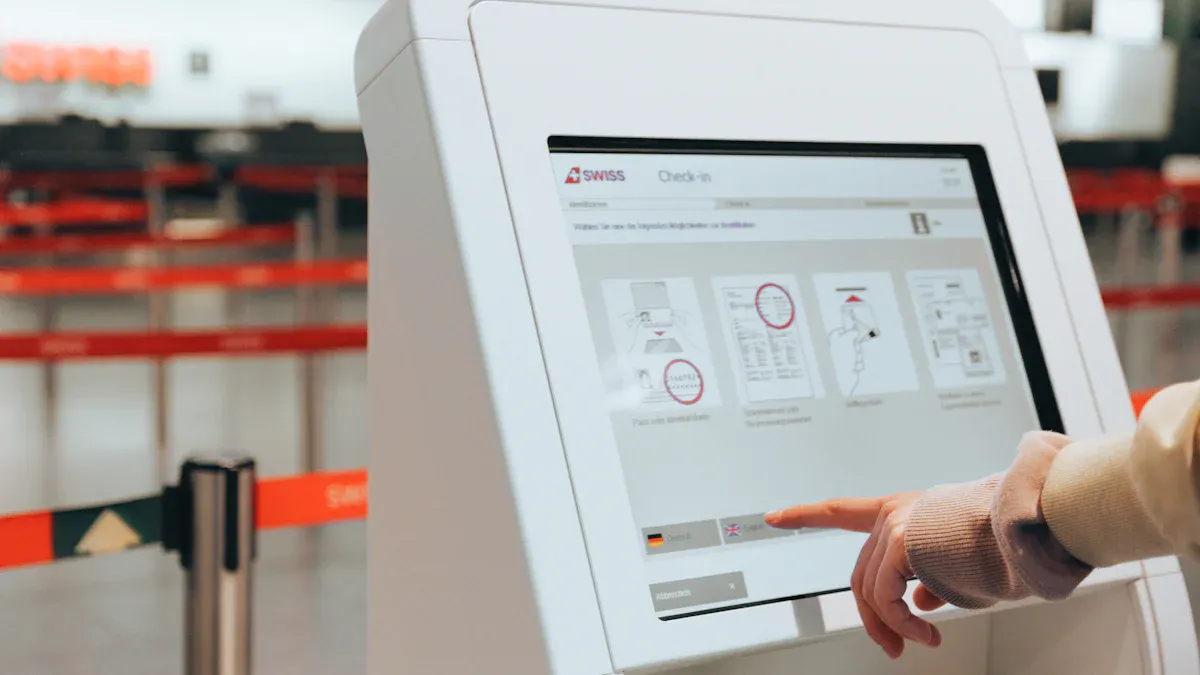
You need advanced technology for successful autonomous retail in convenience store chains and small-format grocery stores. Solutions like AI-driven demand forecasting, smart shelves, and checkout-free systems help you optimize inventory and improve order accuracy. The table below shows how these technology requirements can transform store operations and customer experience.
Technology Requirement | Benefit |
|---|---|
AI-driven demand forecasting | Optimizes inventory, reduces waste |
Smart shelf technology | Decreases out-of-stock rates |
Checkout-free systems | Speeds up shopping, boosts convenience |
Computer vision and smart cameras | Tracks products, assists restocking |
Understanding these autonomous solutions helps you create reliable shopping experiences and increase customer loyalty.
Key Takeaways
Autonomous retail uses advanced technology like AI and smart shelves to enhance shopping experiences and improve inventory management.
AI-driven demand forecasting helps stores reduce waste and keep popular items in stock, ensuring customers find what they need.
Checkout-free systems speed up shopping by allowing customers to leave without waiting in line, making the experience more convenient.
Smart inventory management with tools like RFID and computer vision ensures accurate stock levels, reducing out-of-stock situations.
Implementing autonomous technology requires careful planning, pilot programs, and strong security measures to protect customer data.
Autonomous Retail Overview
What Is Autonomous Retail?
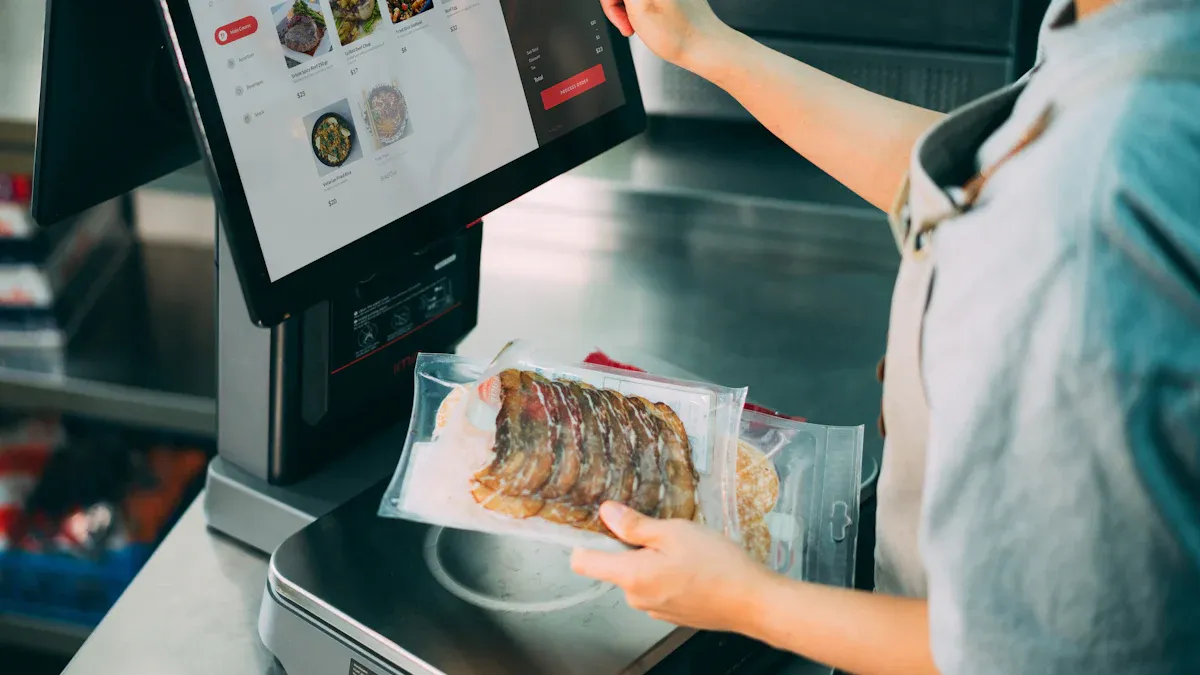
You may hear the term autonomous retail when people talk about the future of shopping. This concept uses advanced technology to make shopping faster and easier for you. Autonomous stores use smart systems that let you pick up items and leave without waiting in line. These stores rely on technology like sensors, cameras, and AI to track what you buy and charge you automatically.
Autonomous retail gives you a quick and seamless shopping experience.
Retailers use these innovations to engage you better and make transactions simple.
Many stores use autonomous technology to solve problems with inventory and make sure you find what you need.
Autonomous micro store setups use these tools to keep shelves stocked and help you get in and out quickly. You get more convenience and less waiting.
Relevance for Convenience Store Chains
Autonomous stores fit perfectly with convenience store chains. You want to get in, grab what you need, and get out fast. Autonomous shopping lets you do just that. You do not need to stand in line or deal with cashiers. The technology handles your payment as you leave.
Autonomous micro store models help store owners keep popular items in stock. AI predicts what you want to buy and helps manage inventory. This means you find your favorite snacks and drinks more often. About 80% of shoppers expect a personalized experience, and autonomous stores use data to make your visit better.
You see these changes in many small-format stores. Autonomous retail makes your shopping experience smoother and more enjoyable. Store owners also benefit from lower costs and better efficiency.
Key Technology Components
Computer Vision and AI
You see computer vision and AI at the heart of autonomous stores. Cameras and smart software work together to interpret visual data. These systems watch shelves, track customer movements, and help you find products quickly. AI uses deep learning to understand patterns and make decisions without human help. You benefit from automated item recognition, which means the store knows what you pick up or put back. This technology also prevents losses by spotting missed scans or suspicious actions. Integration with point-of-sale systems keeps your purchases accurate and helps maintain updated inventory.
Tip: Computer vision and AI help stores monitor shelves and alert staff when products run out, so you rarely face empty shelves.
Component | Description |
|---|---|
Cameras | Capture images essential for data generation. The type and position of cameras are crucial. |
Software | Processes images into data using AI, enabling analysis and insights from visual information. |
You experience a flexible shopping experience because computer vision and AI make autonomous shopping smooth and reliable.
Sensor Fusion and IoT Infrastructure
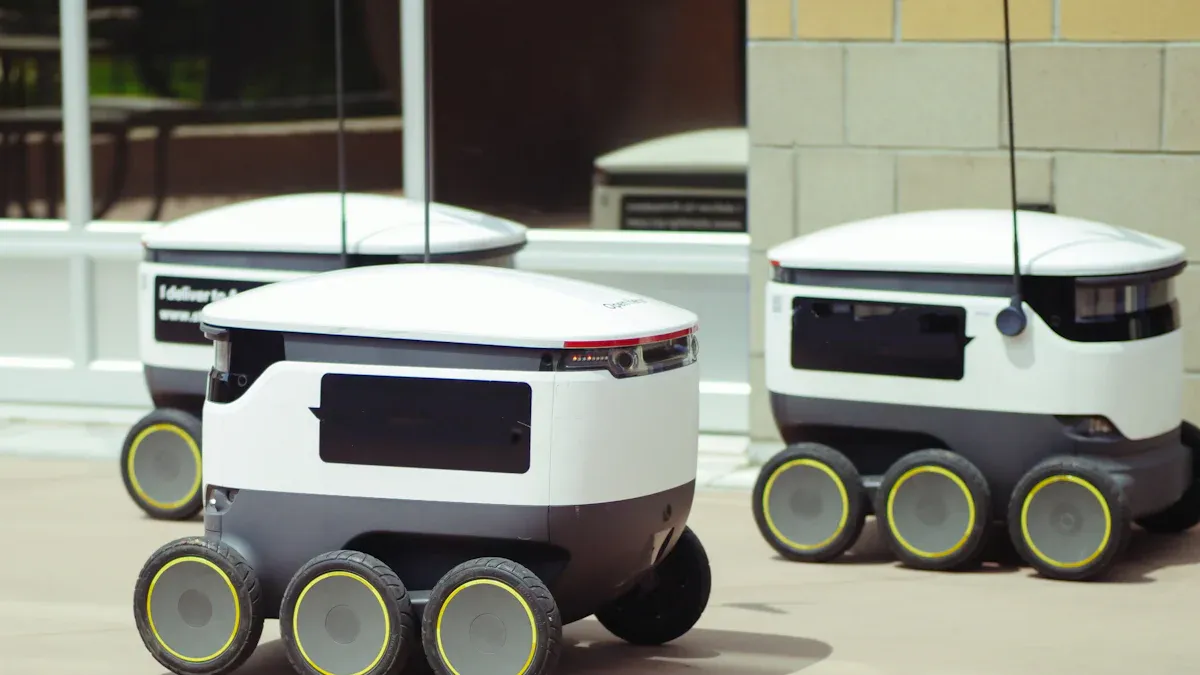
Sensor fusion combines data from multiple sources, such as cameras and weight sensors, to give stores a complete view of customer actions and inventory levels. IoT infrastructure connects these sensors, smart shelves, and electronic shelf labels to the store’s network. You see smart shelving and inventory sensors tracking products in real time. Autonomous micro store setups use electronic shelf labels and cold chain monitoring to keep products fresh and prices accurate. Autonomous mobile robots move through aisles, checking stock and helping with restocking.
Evidence Type | Description |
|---|---|
Customer Tracking | Integration of cameras for tracking customer interactions with products. |
Inventory Management | Real-time tracking of inventory levels using weight sensors. |
Operational Efficiency | Reduction of manual stock checking labor and strategic product placement. |
IoT infrastructure supports in-store customer behavior analytics, smart energy management, and fleet tracking. You get a better shopping experience because stores use sensor fusion to reduce manual labor and improve product placement.
RFID and Real-Time Tracking
RFID technology gives autonomous stores the power to track inventory instantly. You benefit from faster checkout because RFID tags allow automatic scanning of items. Retailers use RFID to support omnichannel options like Buy Online, Pick Up In-Store, so you always know where your products are. RFID does not need a line of sight and reads multiple tags at once, making it efficient for micro store environments.
Advantages of RFID | Limitations of RFID |
|---|---|
No line-of-sight needed | Higher initial cost |
Reads multiple tags at once | More complex setup |
Works from greater distances | Potential interference |
RFID technology offers speed and efficiency, but some stores face higher costs and setup challenges. You see improved data management and inventory visibility, which helps prevent out-of-stock situations.
Autonomous Checkout and Payment Systems
Autonomous checkout systems change the way you pay for products. You grab items and leave without waiting in line. Stores like Amazon, Walmart, Tesco, and Żabka Nano use cashierless technology, cameras, and sensors for automatic billing. Autonomous micro store models use smart shopping carts and frictionless checkout to make your visit fast and easy.
Autonomous checkout eliminates traditional lines, so you save time.
Labor costs drop because stores need fewer cashiers.
Staff can focus on restocking and helping you instead of running registers.
You enjoy a frictionless checkout process, which makes shopping less stressful.
Autonomous tech gives you a more enjoyable experience, especially if you are busy or making quick purchases.
Smart Inventory Management
Smart inventory management uses AI, robots, and advanced software to keep shelves stocked and orders accurate. Solutions like ERIS Robot and SmartPMX automate inventory checks and reorder products before they run out. Brain Corp AI combines computer vision, RFID, and barcode scanning to track inventory and improve efficiency.
Solution | Description |
|---|---|
ERIS Robot | A semi-autonomous retail robot that integrates with store infrastructure, providing real-time inventory visibility, detecting out-of-stock products, and sending scanning reports to internal platforms. |
SmartPMX | Comprehensive retail software that uses AI for inventory management, automating tasks like reordering stock and optimizing supply chain management to minimize out-of-stock situations. |
Brain Corp AI | Utilizes computer vision, RFID, and barcode scanning to automate inventory checks, providing accurate insights and improving operational efficiency. |
Smart inventory management improves accuracy from 93% to over 98%. You see fewer out-of-stock incidents and better replenishment. Data analytics help stores analyze demand and prevent gaps between expected and actual sales. Autonomous micro store setups use these solutions to track inventory and keep your favorite products available.
Note: Smart inventory management reduces manual corrections and improves ordering accuracy, so you get what you need every time.
You experience the benefits of autonomous retail through these key technology components. Autonomous stores use computer vision, sensor fusion, RFID, and smart inventory management to create a seamless and convenient shopping experience. Hybrid store models also use autonomous tech to blend traditional and automated services, giving you more choices and flexibility.
Impact on Convenience Store Chains
Operational Efficiency
You see major changes in operational efficiency when stores use autonomous retail solutions. Autonomous micro store setups use ai and sensor technology to track inventory and automate restocking. You notice fewer empty shelves and faster product replenishment. Organizations using digital twin technology in supply chain management report operational efficiency improvements of 15-25%. Implementation costs drop by 40-50% compared to traditional methods.
Autonomous stores reduce the need for cashiers and shift roles to technology maintenance and data analytics.
You benefit from smarter scheduling, which uses predictive tools to forecast staffing needs based on traffic patterns.
Autonomous micro store models optimize staffing, reduce manual processes, and improve employee predictability.
Predictive scheduling and ai-driven analytics help stores avoid overstaffing and understaffing, making operations smoother.
Autonomous tech provides real-time insights, so you get a flexible shopping experience. Data analytics from autonomous systems help managers make informed decisions about inventory and store layout. You see more efficient use of resources and better product availability in small-format grocery stores.
Customer Experience and Convenience
Autonomous stores transform your shopping experience. You enjoy a frictionless checkout process, which eliminates lines and saves time. Autonomous micro store setups use sophisticated sensor and ai systems to track inventory and personalize your visit. You find products faster and experience less stress while shopping.
72% of consumers prioritize convenience over brand loyalty, so seamless shopping experiences drive repeat visits.
75% of retail customers prefer autonomous shopping, showing strong demand for technology that enhances convenience.
Autonomous micro store models collect data on customer behavior and product popularity, helping stores optimize layouts and offer personalized promotions.
Continuous data collection and analytics allow stores to tailor the shopping experience to your preferences.
Automation in retail increases customer satisfaction and loyalty. You spend less time in stores and return more often because autonomous micro store setups make shopping easy. Hybrid store models blend autonomous and traditional services, giving you more choices and a flexible shopping experience in small-format grocery stores.
Integration Challenges for Autonomous Stores
Implementation Barriers
You face several challenges when you try to bring autonomous micro store technology into small-format grocery stores. High upfront costs for hardware, software, and infrastructure upgrades can make adoption difficult, especially for smaller stores. Integrating new systems with legacy point-of-sale terminals often takes months and can disrupt daily operations. Many retailers report delays and even failed projects because of compatibility issues. You may worry about business risks, such as labor shortages and unpredictable supply chains, but autonomous retail solutions help address these problems.
Barrier Description | Explanation |
|---|---|
Labor shortages and unpredictable supply chains hinder efficient operations. | |
Lack of Robust IT Infrastructure | AI systems can integrate without disrupting operations, reducing costs. |
Need for Specialized Technical Expertise | Managing autonomous systems does not require extensive expertise. |
Customer Adaptation Concerns | Consumers are increasingly accepting autonomous shopping solutions. |
You must also consider data security and privacy. Retailers comply with privacy regulations like GDPR to protect shoppers and avoid legal trouble. Security measures such as data encryption, secure payment systems, blockchain technology, and backup systems keep your information safe.
Security Measure | Description |
|---|---|
Data Encryption | Protects sensitive data from unauthorized access. |
Secure Payment Systems | Handles payment information safely to prevent breaches. |
Blockchain Technology | Stores data in a decentralized way, making it hard for hackers to alter. |
Backup Systems | Ensures stores can keep running if systems fail. |
Note: Clear communication about data usage helps build trust and encourages shoppers to share information.
Best Practices for Technology Adoption
You can overcome these barriers by following proven strategies. Start with careful planning to address high costs and technical challenges. Pilot programs let you test autonomous micro store solutions before full deployment. Continuous optimization of ai systems improves performance and keeps your store competitive. You should focus on enhancing customer experience, not just reducing costs. Understanding the customer journey helps you place technology where it adds the most value.
Communicate clearly with customers about the benefits of autonomous shopping.
Implement robust security measures to protect shopper data.
Use analytics to monitor inventory and improve store operations.
Begin with pilot programs to test new technology in your micro store.
Make sure new technology delivers clear benefits to shoppers for greater convenience.
Hybrid store models combine autonomous and traditional services, giving you flexibility and helping you meet different shopper needs. When you follow these best practices, you create a seamless shopping experience and improve inventory management in your autonomous micro store.
Technology Requirements Checklist
You want to make your autonomous micro store successful. Use this checklist to guide your technology choices and improve your store operations. This list helps you focus on what matters most for your autonomous micro store and hybrid store models.
Essential Technology Components
Computer vision and ai systems for product tracking and customer movement.
Sensor fusion and micro IoT devices for real-time inventory monitoring.
RFID tags and readers for fast, accurate inventory updates.
Autonomous checkout systems for a smooth shopping experience.
Smart inventory management software with analytics for better stock control.
Secure payment systems to protect customer data.
Micro electronic shelf labels for price accuracy and easy updates.
Steps for Successful Implementation
Step | Action |
|---|---|
Team Involvement | Invite your team to vendor demos and pilot trials. |
Change Management | Create a plan to help staff adapt to new technology. |
Vendor Support | Choose vendors who offer training and change management resources. |
Security Measures | Use encryption and backup systems to keep data safe. |
Continuous Optimization | Update your autonomous micro store systems based on analytics insights. |
Tip: Involve your team in technology selection. Pilot trials help you spot usability issues early. A change management plan makes adoption easier for everyone.
You should review this checklist before investing in autonomous solutions for your micro store. Focus on technology that improves your store’s efficiency and customer experience. Use analytics to track inventory and sales. Choose vendors who support your team and provide training. Hybrid store models benefit from these steps, giving you flexibility and better results.
You gain a competitive advantage when you adopt autonomous micro retail solutions. These emerging technologies deliver enhanced customer experience, faster checkout, and better analytics for your micro store. You serve more customers with fewer employees and improve operational efficiency. The hybrid store model lets you blend traditional and autonomous micro features. To start, define your micro store needs, research vendors, and plan a pilot. This approach helps you build a strong foundation for your micro retail journey.
FAQ
What is the main benefit of autonomous retail for you?
You save time because you do not wait in line. The store tracks your purchases and charges you automatically. You get a faster and easier shopping experience.
How does autonomous checkout work?
Cameras and sensors watch what you pick up. The system adds items to your virtual cart. You leave the store, and the system charges your account. You do not need to scan or pay at a register.
Is your personal data safe in autonomous stores?
Stores use strong security tools like encryption and secure payment systems. They follow privacy laws to protect your information. You can ask how your data is used.
Can small stores afford autonomous technology?
Many vendors offer flexible solutions. You can start with pilot programs or hybrid models. This helps you control costs and test what works best for your store.
See Also
Comparing Micromarkets And Smart Stores In Global Retail
Understanding The Growth Of AI-Driven Corner Stores
Analyzing Walgreens Self-Checkout: Benefits And Difficulties
