Using autonomous stores as an amenity to attract users in Convenience store chains & small-format grocery.

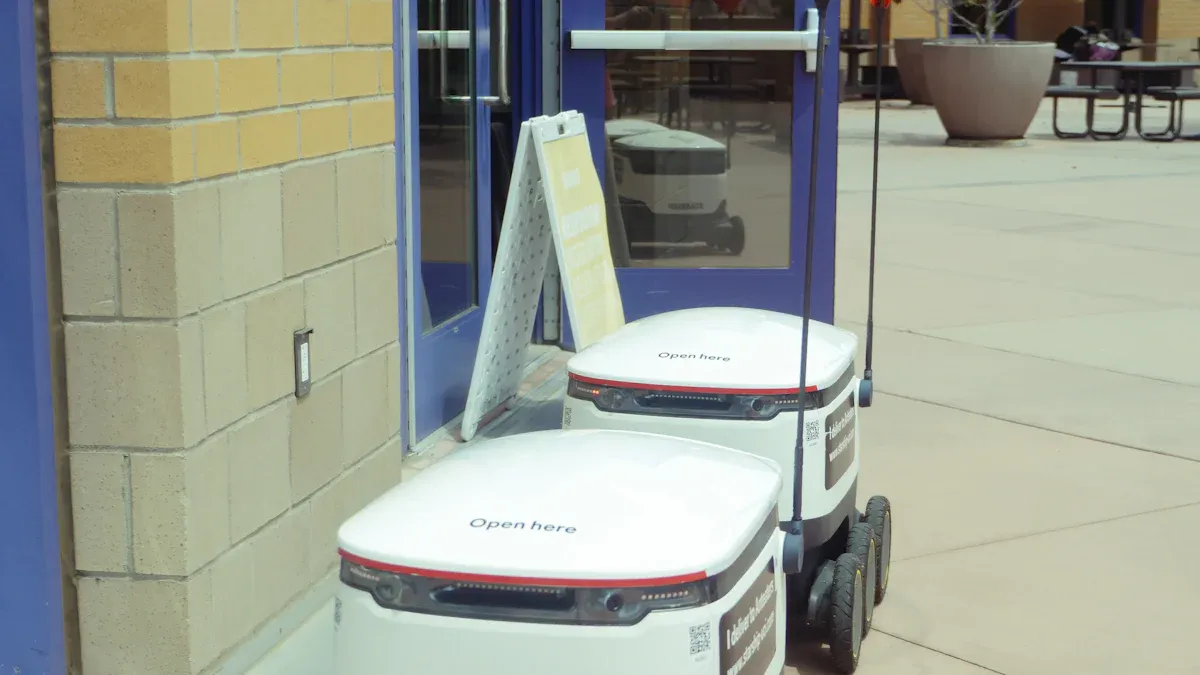
Autonomous stores give you unmatched convenience and smart shopping. You can walk in, grab what you need, and enjoy a personalized shopping experience without waiting in line. Cashierless and self-service options let you shop anytime, even late at night. You see digital transformation of grocery shopping in action, with amenities like mobile applications for grocery shopping and automated checkout solutions. The table below shows how convenience retail is driving new avenues for growth and personalization worldwide:
Technology Used | Percentage of Operators Utilizing Technology |
|---|---|
Online Ordering Tools | |
Self-Checkout Stations | 37.4% |
Ordering Kiosks | 28.7% |
Planned Foodservice Upgrades | 59.4% |
Frictionless Transactions | 41.8% |
Mobile Ordering | 37% |
You see small-format grocery and convenience stores leading the digital transformation, changing the grocery experience for everyone.
Key Takeaways
Autonomous stores offer a fast, cashierless shopping experience, allowing customers to grab items and leave without waiting in line.
Self-service technology enhances convenience, enabling 24/7 access to shopping, which meets customer preferences for flexibility.
Implementing autonomous stores can lead to significant cost savings by reducing labor needs and increasing operational efficiency.
Real-time data analytics from autonomous systems help retailers manage inventory effectively, ensuring popular items are always in stock.
Self-service options boost customer satisfaction and loyalty by providing a personalized shopping experience that feels modern and efficient.
Autonomous Stores Explained
Core Technologies and Features
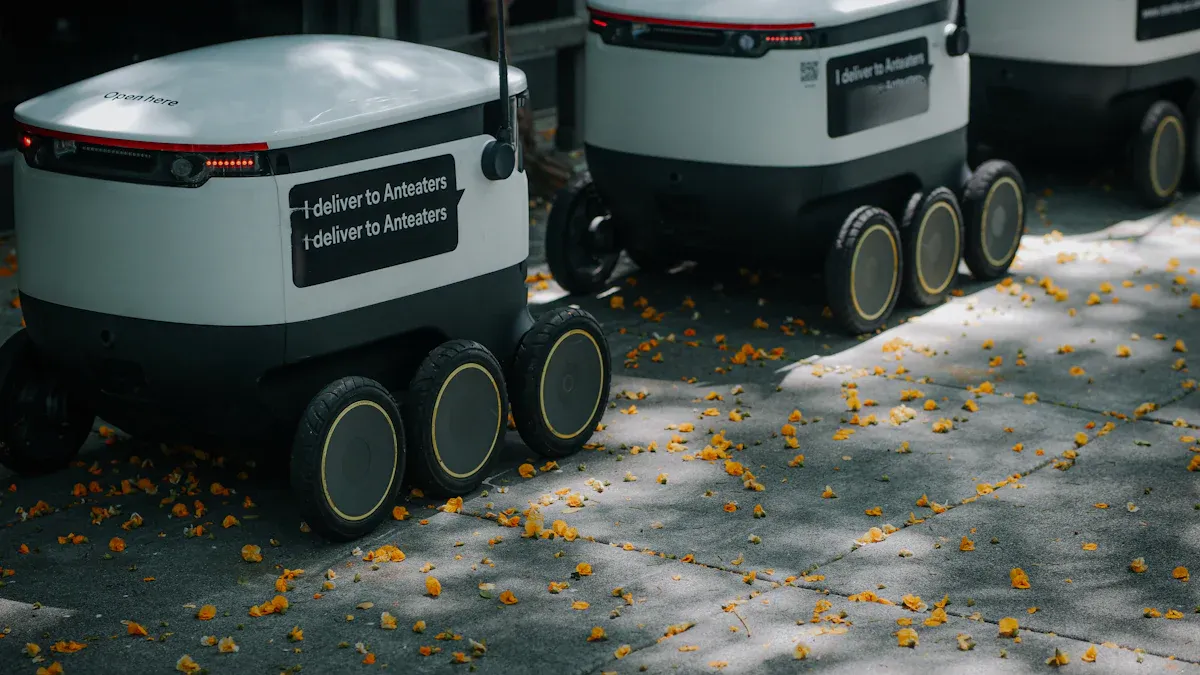
You step into autonomous stores and notice how everything feels different. These stores use self-service technology to make shopping easy and quick. You see sensors and cameras all around. They track your movements and what you pick up. Artificial intelligence and machine learning algorithms work behind the scenes. They help manage your virtual cart and process payments automatically. You don’t need to talk to a cashier or wait in line.
Here’s what powers autonomous retail stores:
Sensors
Cameras
Artificial Intelligence (AI)
Machine Learning Algorithms
Mobile Applications
Radio-Frequency Identification (RFID)
Electronic Shelf Labels (ESL)
AI vision systems use high-resolution cameras to watch how you move and interact with products. Mobile-first payments let you pay through an app as you leave. These self-service technologies create a checkout-free environment. You get more convenience and the store runs more efficiently. This is a big part of the digital transformation happening in grocery and convenience retail.
How Self-Service Differs from Traditional Retail
You might wonder how self-service stores compare to regular stores. In autonomous stores, you get a fast, tech-savvy experience. You grab what you want and go. There’s almost no friction. Self-service appeals to people who like speed and control.
Traditional stores focus on human interaction. You talk to cashiers and get help from staff. These stores build trust and loyalty through empathy and storytelling. You get real-time feedback and personal service.
Let’s break it down:
Self-service stores use technology for speed and convenience.
Traditional stores rely on people for service and connection.
Self-service technologies make shopping easier for you. Autonomous stores give you more freedom and flexibility. You see the future of retail every time you walk in.
Convenience and Customer Experience
Seamless, Cashierless Shopping
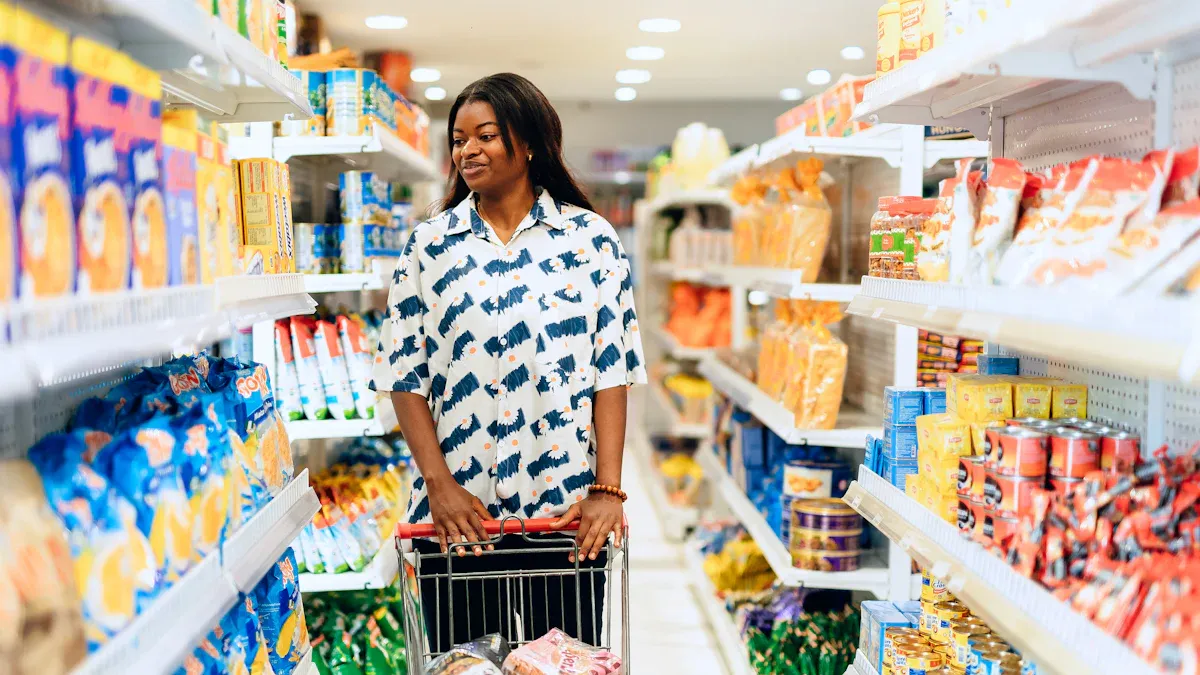
You walk into autonomous stores and feel the difference right away. You grab what you want and leave without stopping at a register. This is just walk out technology in action. You don’t need to wait in line or scan every item. Self-service makes shopping faster and easier for you. Most shoppers agree—66% say self-service checkout is quicker than old-fashioned methods. If you see a long line, you probably want to go somewhere else. In fact, 86% of customers avoid stores with long lines, and 74% will pick a competitor if they spot a slow checkout.
Just walk out technology and scan&go technology work together to create a checkout-free experience. You use your phone or a store app to pay as you go. Self-service technology gives you control and freedom. You feel empowered because you don’t have to rely on anyone else. The whole process feels smooth and modern. You get a better customer experience every time you shop.
Tip: Try scan&go technology next time you visit a convenience store. You’ll see how much time you save!
24/7 Access and Flexibility
You want to shop when it fits your schedule. Autonomous stores let you do that. You can visit any time—early morning, late at night, or during your lunch break. Just walk out technology and self-service kiosks make it possible for stores to stay open all day and night. You never have to worry about store hours.
Here’s a quick look at why 24/7 access matters:
Evidence Type | Description |
|---|---|
Convenience | 24/7 access lets you shop anytime, so you don’t wait for opening hours. |
Speed | Self-service kiosks and mobile payments make shopping faster. |
Customer Preference | You like quick and easy shopping, so you visit more often. |
Scan&go technology helps you get in and out quickly. You don’t waste time. Self-service means you can shop alone or with friends, whenever you want. Convenience stores use self-service to give you more choices and flexibility. Autonomous stores change the way you shop, making every visit simple and stress-free.
Benefits for Convenience Retail
Labor Efficiency and Cost Savings
You want your store to run smoothly and save money. Autonomous stores help you do both. When you use self-service technology, you don’t need as many cashiers. This means you can cut labor costs and keep your store open longer. You can even run your store 24/7 without staff on site. That’s a big win for convenience and your bottom line.
Let’s look at what happens when you bring in just walk out technology and scan&go technology:
You don’t see long lines or wait times.
Your store operates all day and night, even when no one is working.
Customers shop without stopping to scan or pay at a register.
You don’t need cashiers or customer support for every shift.
Advanced systems like computer vision and sensor fusion keep things running.
Stores using Grabango technology saw a 20% drop in labor costs at Aldi. If you add scan&go technology, you can see a 27% jump in average basket size compared to old checkout methods. That means people buy more when shopping feels easy.
Tip: Try using mobile apps for payments. You’ll see how much faster and smoother the shopping experience becomes.
Enhanced Data and Inventory Control
You want to know what’s selling and what’s not. Autonomous stores give you powerful tools for inventory control. With self-service technologies, you get real-time data from sensors and cameras. You can see what’s on your shelves right now, not just at the end of the day.
Here’s a table showing the types of data analytics you get with autonomous systems:
Type of Data Analytics | Description |
|---|---|
Real-Time Visibility | IoT sensors and POS integration provide a live view of inventory across various locations. |
Predictive Analytics | AI forecasts demand using various signals and continuously updates predictions. |
Automated Replenishment | AI generates restock orders dynamically based on current inventory needs rather than static rules. |
You can use these tools to avoid running out of popular items. The system looks at past sales and seasonality, then predicts what you’ll need next. It figures out the best time and amount to order. Amazon uses this kind of AI to keep shelves full and costs low. You can do the same in your store.
Here’s how it works for you:
The system checks sales trends and busy seasons.
It predicts what customers will want.
It orders the right amount at the right time.
You don’t waste money on extra stock. You don’t lose sales because you ran out. AI helps you keep the right balance. This is smart shopping for c-store operators who want to stay ahead.
Boosting Foot Traffic and Sales
You want more people in your store. Autonomous stores attract new users and keep regulars coming back. When you offer self-service, you make shopping faster and easier. People love just walk out technology because they can grab what they need and go. No lines, no waiting.
Check out these real-world results:
Case Study | Location | Key Outcomes |
|---|---|---|
University of Denver | 20% larger basket sizes, decreased shrink | |
Aisle 24 | College campuses in Canada | Peak traffic from 6 p.m. to 3 a.m. |
You see more shoppers during late hours because your store never closes. Scan&go technology and self-service checkouts let people shop when it fits their schedule. You get more sales from faster checkouts and lower labor costs. You also lose less to theft or mistakes.
Here’s a quick look at the benefits for convenience retail:
Type of Benefit | Examples |
|---|---|
Tangible Benefits | Increased sales from faster checkouts, lower labor costs, reduced losses |
Intangible Benefits | Higher customer satisfaction, better brand perception, more loyalty |
Self-service technologies give your customers more control. They enjoy a personalized shopping experience and feel good about coming back. You build loyalty and boost your brand. That’s the power of digital transformation in convenience stores.
Note: When you use just walk out technology, you create a checkout-free environment that feels modern and exciting. Your store stands out from the crowd.
Real-World Use Cases
Residential and Mixed-Use Locations
You might live in an apartment building or a mixed-use community. Autonomous stores make life easier for you. You can grab snacks, drinks, or daily essentials without leaving your building. Urban Value Corner Store and Juxta have set up micro autonomous stores in luxury apartment complexes. Residents love the convenience. You get quick access to grocery items, and you don’t need to travel far. These stores fit right into your daily routine.
You can shop for essentials any time.
You avoid crowded supermarkets.
You enjoy a modern shopping experience close to home.
Transit Hubs and Airports
Traveling can be stressful, especially when you’re in a hurry. Autonomous checkout systems help you save time at busy airports. You don’t have to wait in long lines. You pick up what you need and go. Retailers use these systems to focus more on customer service and inventory, not just managing checkout lines. Fewer staff are needed, so stores can offer better prices. You get a fast and easy shopping experience, which makes your trip smoother.
Stores in transit hubs can stay open 24/7. You can shop whenever you want, even late at night or early in the morning. Autonomous checkout also keeps you safe by reducing contact with others. Digital receipts and smart energy use help the environment, so you feel good about your choices.
Healthcare and Corporate Sites
If you work in a hospital or a corporate office, autonomous stores bring you many benefits.
You get access to nutritious meals any time, day or night.
Transactions happen quickly, so you spend less time waiting.
You can pay with your employee badge, making checkout simple.
Hospitals have seen a 67% increase in revenue after reopening with autonomous stores.
These stores set a new standard for future healthcare facilities.
You see how autonomous stores improve convenience and make your daily life better, whether you’re at home, traveling, or working.
Implementing Autonomous Stores in Convenience Retail
Technology Integration and Site Selection
You want to bring just walk out technology and self-service into your store, but you might wonder where to start. Begin by looking at your location. Use data-driven tools to map out where your competitors are and find areas with growth potential. GIS software helps you see customer travel patterns and spot underserved neighborhoods. You can also use social networking apps to find popular spots based on check-ins.
Think about your local community. Gather feedback through surveys and interviews. This helps you understand what your customers want from convenience retail. Try geofencing to send messages to people near your store. Enhanced navigation apps can make it easier for shoppers to find you.
AI can help you design your store layout. You might see a 25% boost in on-shelf availability and a 3% increase in sales with automated planograms. Localized layouts can cut overstocking by up to 10%.
Staff Training and Operational Adjustments
Your team needs to feel confident with self-service technologies. Start with role-playing exercises and workshops. These give your staff hands-on experience with just walk out technology and scan&go technology. Focus on customer service training so your team can help shoppers with the new checkout-free process.
Keep training going with regular coaching and skill development. Staff should learn to manage stores independently and handle any tech issues. Use a table like the one below to plan your training:
Training Strategy | Description |
|---|---|
Continuous Coaching | Ongoing support and real-time feedback for staff. |
Regular Workshops | Frequent sessions to keep staff updated on self-service checkouts. |
Skill Development | Training on specific tasks for autonomous stores and smart shopping. |
You also need to adjust your operations. Make sure you have strong data processing to keep shelves stocked and customers happy. Cybersecurity is important to protect shopper data.
Marketing and User Education
You want your customers to feel comfortable with self-service and just walk out technology. Use in-store demonstrations and clear signage to show how everything works. Have staff ready to answer questions and guide shoppers through scan&go technology. Roll out new features slowly and listen to feedback.
User education campaigns help build trust. Offer simple guides and use mobile apps to explain the process. When you make things easy to understand, you reduce worries about privacy and security.
Tip: Let your customers try out self-service technologies before launch. This builds excitement and helps everyone feel ready for the change.
If you follow these steps, you can make autonomous stores a winning part of your convenience retail strategy. C-store operators who focus on education, training, and smart site selection will see better results and happier customers.
Overcoming Challenges
Investment and ROI
You might wonder about the cost of launching an autonomous store. The startup price for a robot-run unmanned convenience store is around $26,000. This covers robots, automation systems, and setup. If you look at traditional convenience stores, opening and managing one can cost between $50,000 and $300,000. The price depends on your location and store size.
When you invest in self-service technology, you get more than just cool gadgets. You save money on labor and keep your store open longer. You also attract new customers who want fast shopping. Over time, your investment pays off with higher sales and lower costs. You see your store become more efficient and profitable.
Tip: Start small with self-service upgrades. You can add more features as you see results and learn what your customers like.
Building Trust and Security
You want your customers to feel safe when they use self-service options. Security matters a lot in autonomous stores. You need strong systems to protect data and build trust. Here’s a quick look at the most effective security measures:
Security Measure | Description |
|---|---|
Authentication | Prove identity before allowing actions, using strong credentials. |
Authorization | Set clear boundaries for actions, making policies easy to manage. |
Verification | Confirm outcomes match user intent and compliance, with audit evidence. |
Self-service stores use identity security to protect digital retail, just like a mall security team. You control access to sensitive information and follow standards like PCI DSS and GDPR. This helps you avoid data breaches and keeps your customers happy.
Privacy is important, too. Autonomous stores use 100% anonymous computer vision. They track items and shoppers without using biometric identifiers. Keypoint tracking creates anonymous avatars, so no facial recognition happens. Data collection follows GDPR and CCPA rules, and no biometric data gets stored.
According to the Global Consumer State of Mind Report 2021, 60% of consumers spend more with companies they trust to handle personal data responsibly.
You can also protect privacy by using anonymization and pseudonymization. Always get consent before collecting data and explain why you need it. Only collect what you need for self-service shopping. When you do these things, you build trust and keep your store safe.
You see how autonomous stores change the convenience world. They offer flexibility, scalability, and low staffing needs, making your self-service shopping experience easy and fun. Check out the table below to see the top advantages:
Advantage | Description |
|---|---|
Flexibility | Easy to set up anywhere |
Scalability | Grow your business without big costs |
Self-service | Operate with fewer staff and longer hours |
Data insights | Improve inventory and sales |
High footfall | Attract more shoppers |
Self-service boosts customer retention by making shopping interactive and personalized. If you want to stay ahead, start by setting clear goals, training your team, and testing self-service systems. You can find resources from AiFi and other tech partners to help you get started. The future of convenience is self-service, so take the next step and make your store stand out.
FAQ
What is an autonomous store?
You walk into an autonomous store and shop without a cashier. Sensors, cameras, and AI track what you pick up. You pay automatically, usually through an app. The whole process feels quick and easy.
Are autonomous stores safe for my personal data?
You can trust most autonomous stores to protect your data. They use strong security and follow privacy laws. Many stores use anonymous tracking, so they do not store your face or name.
Tip: Always check the store’s privacy policy before you shop.
Can I use cash in an autonomous store?
Most autonomous stores only accept digital payments. You usually pay with a mobile app, credit card, or contactless method. Some stores may offer a kiosk for cash, but this is rare.
What if I need help while shopping?
You can find help in several ways:
Use the store’s help button or app chat.
Look for staff nearby.
Read in-store guides or signs.
Stores want you to feel comfortable, even without cashiers.
See Also
Comparing Micromarkets And Smart Stores In Global Retail
The Future Of Retail: Embracing AI-Driven Stores
Modern Retail Benefits From AI-Enhanced Combo Vending Machines
How Time Out Corner Stores Transform Urban Convenience Shopping
Analyzing Walgreens Self-Checkout: Benefits And Retail Challenges
