How autonomous stores enhance convenience for end-users in Convenience store chains & small-format grocery.

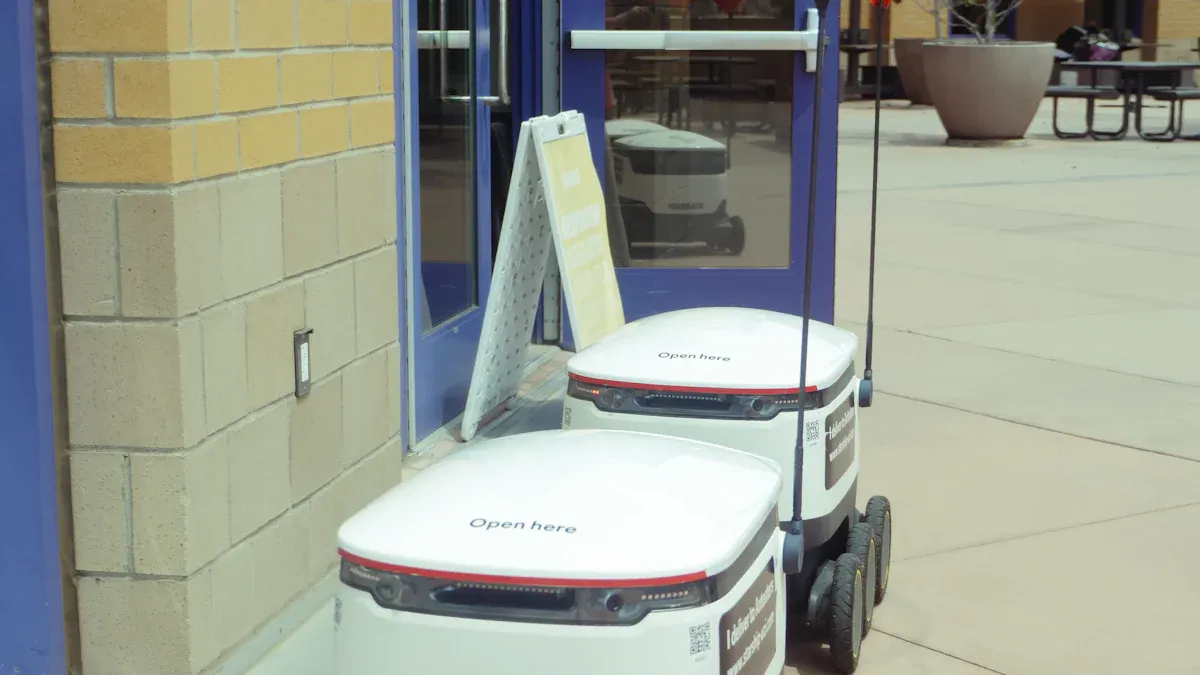
You step into autonomous stores and feel the difference right away. ai sensors and autonomous systems greet you, ready to make your shopping experience faster and easier. You skip long lines and enjoy a seamless process, powered by ai that tracks your choices. Autonomous technology lets these stores run 24/7, collect smart data, and adapt to your needs. The table below shows how ai and autonomous features bring you more convenience:
Benefit | What It Means for You |
|---|---|
No Checkout Lines | You save time and avoid stress |
Shop whenever you want | |
Rich Data Insights | Stores improve with your feedback |
Key Takeaways
Autonomous stores eliminate checkout lines, saving you time and reducing stress during shopping.
These stores operate 24/7, allowing you to shop whenever it suits you, day or night.
Smart technology tracks your purchases in real-time, providing instant access to promotions and helping you manage your budget.
AI learns your preferences, offering personalized recommendations to enhance your shopping experience.
Autonomous retail improves inventory management, ensuring your favorite items are always in stock.
What Are Autonomous Stores?
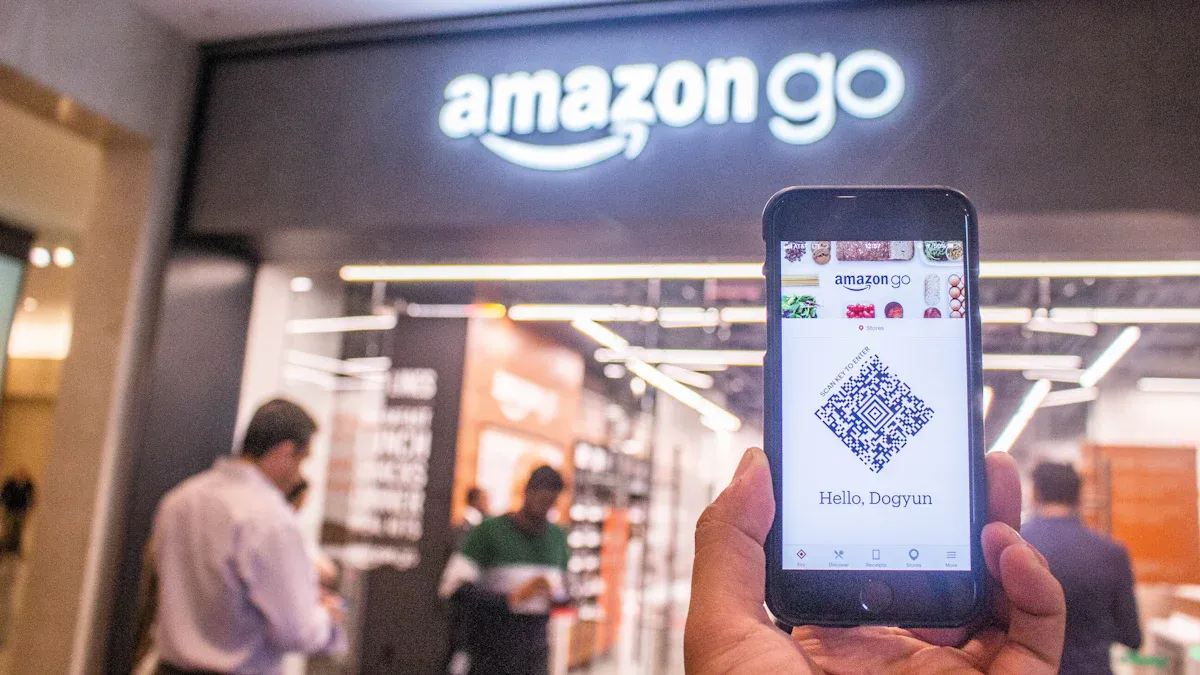
You might wonder what makes autonomous stores so different from regular shops. Autonomous retail means you get a shopping experience that runs almost by itself. You walk in, pick up what you want, and walk out. You don’t need to scan items or talk to a cashier. Everything happens with ai and smart technology working in the background.
Autonomous retail refers to a retail model where the shopping experience is largely automated, particularly concerning the checkout process, through the integration of artificial intelligence and robotics. In essence, it creates 'checkout-free' stores where customers can select items and leave without physically interacting with a cashier or scanning products.
Key Features of Autonomous Retail
When you step into autonomous stores, you notice how smooth everything feels. Autonomous retail stands out because of several important features:
Computer vision systems watch how you move and what you pick up.
Sensor fusion combines data from cameras, weight sensors, and RFID tags to track products.
ai and machine learning figure out what you’re buying and keep getting smarter.
Cloud computing stores and processes huge amounts of data in real time.
Mobile apps connect your shopping trip to your digital wallet and profile.
Robotics help with stocking shelves and managing inventory behind the scenes.
These features work together to make autonomous retail fast, easy, and reliable.
AI and Sensor Technology
ai and sensor technology are the brains behind autonomous stores. You see cameras and sensors everywhere, but they don’t just record—they help the store understand what’s happening. Here’s how they work together:
Computer vision systems use cameras to watch your movements and product choices.
Sensor fusion brings together info from weight sensors and RFID tags for accuracy.
ai and machine learning process all this data, learning what you like and making your shopping smoother.
Check out this table to see how these technologies boost autonomous retail:
Feature | Description |
|---|---|
Enhanced Perception | Combines data from various sensors for a complete view of the store. |
Improved Decision-Making | Processes info from different sources for smarter choices. |
Increased Efficiency | Automates tasks like inventory and customer behavior analysis. |
Safety and Security | Uses surveillance to keep you and the store safe. |
Adaptability | Monitors changes and adapts to new situations quickly. |
ai-powered automation makes autonomous retail possible. You get a shopping experience that feels almost magical, with technology working quietly to help you every step of the way.
Convenience Benefits for Shoppers

Seamless Entry and Exit
Imagine walking into a store and starting your shopping right away. Autonomous retail makes this possible. You don’t need to stop at the door or wait for someone to greet you. AI-powered automation recognizes you as you enter, and sensors track your movements. You pick up what you need, and when you’re done, you simply walk out. The system automatically charges your account. This frictionless checkout process saves you time and makes your shopping experience smooth.
The technology behind autonomous stores removes the need for manual scanning and waiting in line. You spend less time inside the store, and your overall shopping time drops. Many customers say they love how fast and easy it feels. You get more convenience and a flexible shopping experience, whether you’re grabbing a quick snack or doing a full grocery run.
No Checkout Lines
You know how frustrating long lines can be. Autonomous retail changes that. With automated checkout, you never have to wait for a cashier. Self-checkout stations and mobile scan-pay-go apps let you pay instantly. Autonomous shopping means you can finish your trip quickly, even during busy hours.
Autonomous checkout systems cut wait times, making shopping more convenient.
A recent report found that 43% of shoppers prefer self-service options over traditional lanes.
Self-checkouts help reduce lines and improve customer satisfaction.
Efficient customer flow means fewer abandoned purchases and better operational efficiency.
Stores like Amazon Go and Żabka Nano use cashierless shopping to let you walk in, grab what you want, and leave. You get a faster shopping experience and more time for other things.
Self-checkout lanes are driving more impulse candy and gum purchases than staffed lanes, showing that autonomous shopping can lead to more impulse buys.
Real-Time Cart and Smart Carts
Autonomous retail brings smart carts into your hands. These carts use AI and computer vision to track every item you add. You see your total spending on a screen, and you get instant access to promotions. You can even check your loyalty points as you shop.
Smart carts let you track your budget and see deals in real time.
Advanced technology recognizes thousands of products, making your shopping experience easier.
After payment, you can quickly take your purchases and go, reducing checkout times.
Intermarché is testing AI-powered smart carts to make shopping more efficient and personalized.
Real-time cart tracking helps stores manage inventory better. You get accurate product availability, and stores can restock faster. This innovation improves inventory management and makes shopping more enjoyable.
Personalized Shopping Experience
AI in autonomous retail learns what you like. It uses data from your past visits to suggest products and deals. You get personalized recommendations, so you find what you want faster. Stores use predictive analytics to make sure your favorite items are in stock, boosting real-time product availability.
Evidence Type | Statistic/Example | Impact on Engagement/Sales |
|---|---|---|
Predictive Analytics | Companies using predictive analytics see a 10-15% increase in sales. | Direct correlation to sales increase |
Personalized Recommendations | 75% of customers are more likely to return to a website with personalized recommendations. | Enhances customer retention |
Amazon's 'Frequently Bought Together' | Increased average order value by 10% and improved customer satisfaction ratings. | Demonstrates effectiveness of AI in sales |
AI-powered automation helps stores offer you deals that matter. You get more value and a better customer experience. Autonomous stores use emerging technologies to keep improving, making every visit feel fresh and exciting.
Tip: If you use mobile scan-pay-go apps, you can unlock special offers and get alerts about new products as you shop.
Autonomous retail is changing how you shop for groceries and everyday items. You get convenience, speed, and a personalized touch. Stores use data and automation to make sure you always have a great experience.
Real-World Experience and Examples
Leading Chains Using Autonomous Retail
You might wonder where you can see autonomous retail in action. Many convenience store chains and small-format grocery stores have already started using this technology. These stores use ai to track what you pick up, manage inventory, and even talk to you through voice systems. Here’s a quick look at how some leading chains use autonomous retail and what you get from it:
Convenience Store Chain | AI Implementation Description | Reported Results |
|---|---|---|
Zippin | AI-powered computer vision tracks items and charges your account automatically. | You finish shopping in just 20 seconds instead of 20 minutes. |
Cubby's & Mach 1 Stores | Voice analytics tool listens to cashier-customer talks and tracks performance. | Employees feel more motivated, and you get better service. |
Casey's General Stores | Conversational AI system takes call-in orders and links them to rewards programs. | You get personalized offers, and staff can suggest more items to buy. |
You see how these stores use ai to make your shopping experience faster and more personal. Automated checkout means you don’t have to wait in line. Stores also use ai to keep track of inventory and make sure your favorite snacks are always in stock.
Retailers love autonomous retail because it saves money. AiFi reports a 60-70% reduction in labor costs for stores using their autonomous technology. Ai agents can also cut retail labor costs by 40% by automating inventory and customer service tasks. This means stores can focus more on you and less on paperwork.
Non-Traditional Store Locations
Autonomous retail isn’t just for regular stores. You can find these smart shops in places you might not expect, like office buildings, airports, or even apartment complexes. These locations use ai and automated checkout to give you quick access to food and drinks when you need them most.
You might notice that autonomous stores also help reduce theft. In high-theft areas, A-POPs stores have reached a 0% shrinkage rate, while traditional micro markets see rates as high as 20%. Self-checkout can sometimes increase theft, but ai-powered autonomous retail helps keep your purchases safe.
Store Type | Shrinkage Rate | Notes |
|---|---|---|
A-POPs | 0% | Achieved in high-theft areas |
Traditional Micro Markets | 20% | Higher shrinkage rates observed |
You get a secure, fast, and easy shopping experience, no matter where you are. Autonomous retail uses data from sensors and cameras to track inventory and keep shelves full. You always find what you need, and stores run smoothly with less staff. This new way of shopping brings efficiency and convenience to your daily life.
Challenges and Limitations
Technology Learning Curve
You might feel excited about autonomous stores, but adapting to new technology can be tough. Some shoppers find the switch confusing, especially if they’re used to talking with store staff. You may miss the human touch, and some people feel intimidated by unfamiliar shopping models. Stores need to think about both customers and employees to make the experience better. Right now, there’s not much research on how quickly people learn to use these systems. Take a look at this table to see what stands out:
Evidence Description | Key Points |
|---|---|
You might miss chatting with staff or asking for help. | |
Need for Employee Consideration | Stores should support both shoppers and workers during the transition. |
Lack of Empirical Studies | We still need more research on how people adapt to autonomous shopping. |
Privacy and Security Concerns
Shopping in autonomous stores means sharing personal data. You may worry about how stores collect and use your information. Regulations like CCPA and GDPR require stores to be clear about what data they collect and let you opt out. Companies must use strong security measures, such as data encryption and secure payment systems, to keep your information safe. Blockchain technology can help protect sensitive data by making it hard to change or steal. Here are some common concerns:
Data protection rules require stores to be transparent.
Cybersecurity risks mean stores must guard against data breaches.
Blockchain adds another layer of security.
Companies should only collect the data they need and dispose of it when it’s no longer required.
Service Limitations
Autonomous stores can’t solve every problem. You might struggle to buy age-restricted items, like alcohol or tobacco, without a cashier. Some stores use barcode scanning and touchscreen systems to verify your age, while others rely on special systems like ShopAssist™. You may also find it hard to get help if you have questions or need assistance. Fewer employees means less support, and some customers miss having someone to ask for directions or product advice. Stores work to improve customer service by reallocating staff and using technology to manage inventory and reduce wait times at checkout, but challenges remain.
Solution | Description |
|---|---|
Automated Grocery Store – Nourish + Bloom | Uses barcode scanning and touchscreens for age verification. |
ShopAssist™ System | Handles age-restricted products with seamless verification. |
You might notice that autonomous stores offer speed and convenience, but you still face some hurdles. Stores continue to improve, but you may need time to adjust.
You see how autonomous stores make shopping easier for you. You skip checkout lines, save time, and shop whenever you want. Stores run smoothly and keep shelves stocked with help from AI. Here’s what you get:
Faster shopping and less stress.
Stores open all day and night.
Smarter inventory and fewer mistakes.
Lower prices from reduced labor costs.
Safer shopping with less theft.
Industry experts say you’ll soon see more AI, robotics, and immersive tech in stores:
Trend | Description |
|---|---|
AI makes shopping smarter and more personal. | |
Generative AI | Chatbots and smart visuals help you find products. |
Immersive Commerce | Augmented reality lets you see items in your space before you buy. |
Robotics Expansion | Robots help stock shelves and answer questions. |
Unified Commerce | You get a smooth experience online and in-store. |
FAQ
How do you pay in an autonomous store?
You pay automatically. The store charges your account when you leave. You can use a mobile app or a linked payment card. No need to scan items or wait for a cashier.
Can you shop in an autonomous store without a smartphone?
Yes, you can. Some stores let you use a credit card or a store membership card. You don’t always need a phone. Ask staff for help if you’re unsure.
What if you need help or have a question?
You can find help buttons or digital kiosks in most autonomous stores. Some stores have staff nearby. You can also use the store’s app to chat with support.
Tip: Look for signs or screens that show you where to get help fast.
Are autonomous stores safe for your personal data?
Stores use strong security to protect your data. They follow privacy laws like GDPR and CCPA. You can check the store’s privacy policy for details.
Security Feature | What It Does |
|---|---|
Data Encryption | Keeps your info safe |
Secure Payments | Protects transactions |
Can you buy age-restricted items in autonomous stores?
You can buy age-restricted items, but you need to verify your age. Stores use touchscreens, barcode scanning, or special systems for this. If you need help, ask a staff member.
See Also
Comparing Micromarkets And Smart Stores In Global Retail
The Future Is Here: Embracing AI-Driven Retail
Analyzing Walgreens Self-Checkout: Benefits And Hurdles
