How autonomous stores support digital transformation in Universities & campus retail.


Autonomous stores change how you shop on campus by using ai to create a seamless experience. You can visit any time, skip long lines, and enjoy quick service.
With ai, you get a contact-free and efficient shopping process.
Ai tracks your purchases, so you spend less time waiting and more time studying or meeting friends.
Ai helps personalize your shopping, making it feel unique to you.
Ai supports staff by streamlining tasks and boosting operational efficiency.
Ai powers digital transformation in campus retail, connecting technology with everyday needs.
Key Takeaways
Autonomous stores offer 24/7 shopping convenience, allowing students to buy essentials anytime without long lines.
AI and IoT technologies enhance operational efficiency, reducing costs and improving inventory management for campus retailers.
Personalized shopping experiences are created through data analysis, making each visit unique and tailored to individual preferences.
Advanced security measures in autonomous stores help prevent theft, ensuring a safer shopping environment for students.
Universities must address privacy concerns and workforce impacts as they integrate autonomous stores into campus life.
What Are Autonomous Stores
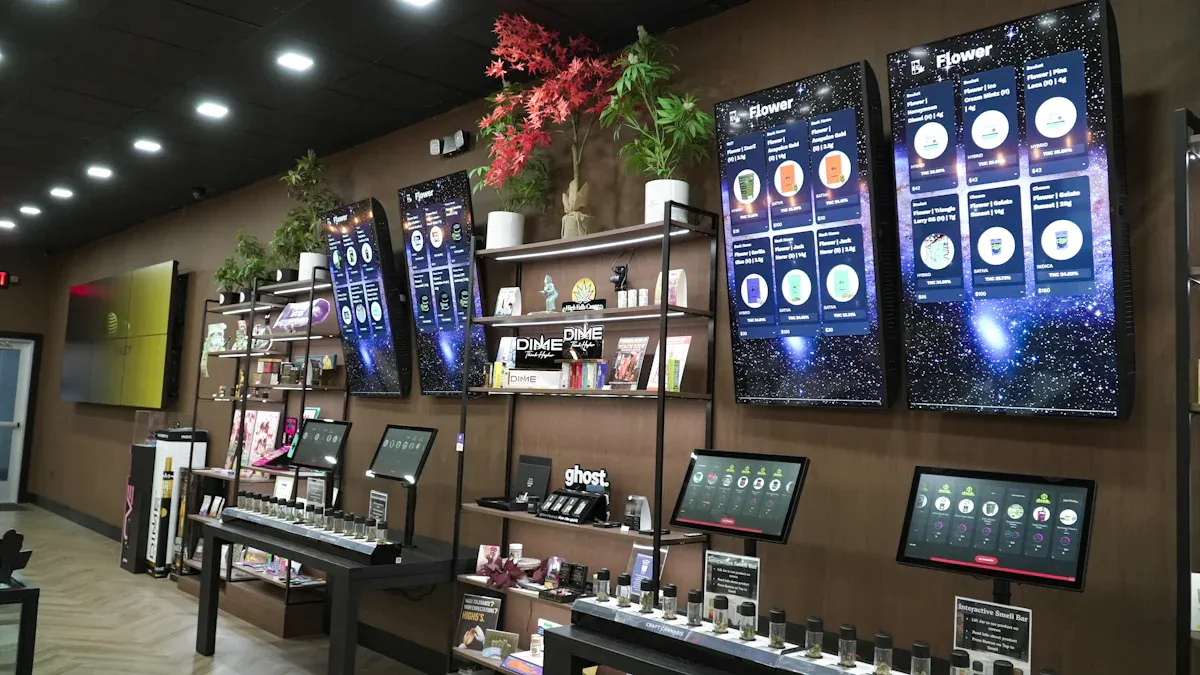
Technology Behind Autonomous Stores
You see autonomous stores as a new form of smart retail that uses digital technology to change how you shop. These stores use a mix of iot, ai, and computer vision to work without human cashiers or attendants. When you walk in, sensors and cameras track your movements and choices. The iot devices connect every part of the store, from shelves to payment systems.
Sensors and cameras watch which items you pick up.
Computer vision and deep learning help the system understand your actions.
iot links all devices, so data moves quickly and securely.
ai analyzes your shopping patterns and personalizes your experience.
You can select products from shelves and complete your purchase with almost no staff interaction. ai systems, cameras, and sensors work together to make the process smooth and fast. The integration of ai-driven systems personalizes your shopping and makes it feel unique. Computer vision monitors and analyzes your behavior, which helps the store run better. The combination of technology and human-focused design creates a seamless environment.
Relevance to Campus Retail
Autonomous stores fit perfectly in campus settings. You want to shop at any hour, and smart retail gives you that freedom. The iot and ai systems keep the store open 24/7, so you never have to wait in long lines.
Here is how autonomous stores help campus retail:
Advantage | Description |
|---|---|
Shopping is available at any hour, avoiding delays and long lines. | |
Operational Efficiency | Automation reduces manual labor and updates prices instantly, cutting costs. |
Improved Customer Experience | Advanced security features ensure a safe shopping environment. |
Real-time Inventory Tracking | Provides powerful data insights, ensuring items are always available. |
ai and iot also help staff by reducing manual tasks and keeping shelves stocked. You get a better shopping experience, and the campus saves money. Smart retail powered by ai and iot brings digital transformation to your daily life.
Benefits of Autonomous Stores
24/7 Convenience for Students
You can shop whenever you want. Autonomous stores give you access to food, drinks, and essentials at any hour. You do not need to worry about store closing times. Smart retail uses iot and ai to keep stores open all day and night. This fits your busy schedule, especially when you need snacks or supplies late at night or early in the morning. Traditional campus stores usually close in the evening, but autonomous stores stay open. You get a frictionless shopping experience that saves time and reduces stress.
You can buy what you need at any time, day or night.
Stores operate continuously, so you never miss out on essentials.
Smart retail adapts to your schedule, making shopping easy.
Operational Efficiency and Cost Savings
Smart retail uses iot and ai to make campus stores run better. You see fewer staff members, but the store still works smoothly. Autonomous stores help universities serve large groups of students with fewer employees. Robots with RFID scanning reduce manual labor by up to 80%. Inventory accuracy improves, so you find what you need more often.
Metric | Value |
|---|---|
Revenue Increase | |
Shrinkage Reduction | 0% in high-theft areas |
ROI | Up to 171% |
Retailers using autonomous retail report cost reductions of 23% and inventory visibility improvements of 17% within two years. You benefit from lower prices and better service. The iot devices and ai systems update prices instantly and track inventory in real time. This reduces waste and saves money for the campus.
Data Insights and Personalization
Smart retail collects data using iot and ai. You get personalized experiences because the store learns what you like. The ai-driven inventory management and real-time analytics help stores offer products that match your preferences. You see items you need, and the store keeps them in stock. Physical stores now use features from online shopping, like data-driven personalization, to improve your customer journey.
Ai analyzes your shopping patterns and suggests products you might enjoy. Stores use this information to create a better customer experience. You feel valued because the store adapts to your needs. Personalized experiences make shopping more enjoyable and efficient.
Inventory and Fraud Management
Autonomous stores use advanced technologies like ai and iot to track products and prevent theft. RFID scanners and ai video analytics monitor customer behavior and detect suspicious activities. Real-time alerts go to staff, so they can respond quickly. Vibration-based sensing and ai models analyze video streams to spot unusual activity.
RFID technology stops returns fraud by identifying items that were not purchased.
Ai checks purchase and return histories to find suspicious behavior.
Linking RFID data helps track missing items and investigate theft.
RFID scanners at exits auto-generate theft cases if products leave without being scanned.
Studies show that ai can reduce theft by up to 30%. You feel safer shopping in autonomous stores because security is stronger than in traditional stores. The iot devices and ai systems work together to protect inventory and keep the store running smoothly.
Challenges and Considerations
Privacy and Security
You trust smart retail to protect your information. Stores use iot devices and ai to collect data about your shopping habits. These systems track what you buy and when you visit. You want your data to stay safe. Smart retail must follow strict privacy rules. Security teams use ai to monitor for threats and keep your information private. Sometimes, hackers target iot devices. You need stores to update software often and fix any weaknesses. You see cameras and sensors in the store. These tools help prevent theft, but you may worry about who sees the footage. Smart retail must explain how it uses your data and who can access it.
Tip: Always check store privacy policies before you shop. Ask questions if you feel unsure about how your data is used.
Workforce Impact
Smart retail changes how people work on campus. You see fewer staff in stores, but universities help workers adapt. They use a capability-centric model. Staff earn new credentials and learn new skills. You notice ai in classrooms. Teachers show real-world uses and help you solve problems. Faculty learn about ai and work with industry partners. The campus acts as an ecosystem. You join hackathons and innovation labs. Alumni get support for career changes. Universities measure how well staff and students use ai in daily tasks.
Staff earn stackable credentials.
Teachers focus on ai and problem-solving.
Faculty build ai literacy and industry links.
Campus supports innovation with sandboxes and hackathons.
Alumni receive ongoing learning and career help.
Metrics track ai integration and adaptability.
System Integration
Smart retail relies on iot and ai working together. You see stores connect payment systems, inventory, and security tools. Sometimes, systems do not work well together. You need stores to test new technology before using it. Integration teams fix problems and make sure everything runs smoothly. You want stores to update iot devices and ai software often. This keeps the store safe and efficient. Smart retail must plan for upgrades and train staff to use new systems. You benefit when stores use reliable technology.
Challenge | Solution |
|---|---|
System mismatch | Test and update technology |
Device failures | Regular maintenance |
Staff confusion | Training and support |
Autonomous Stores in Action
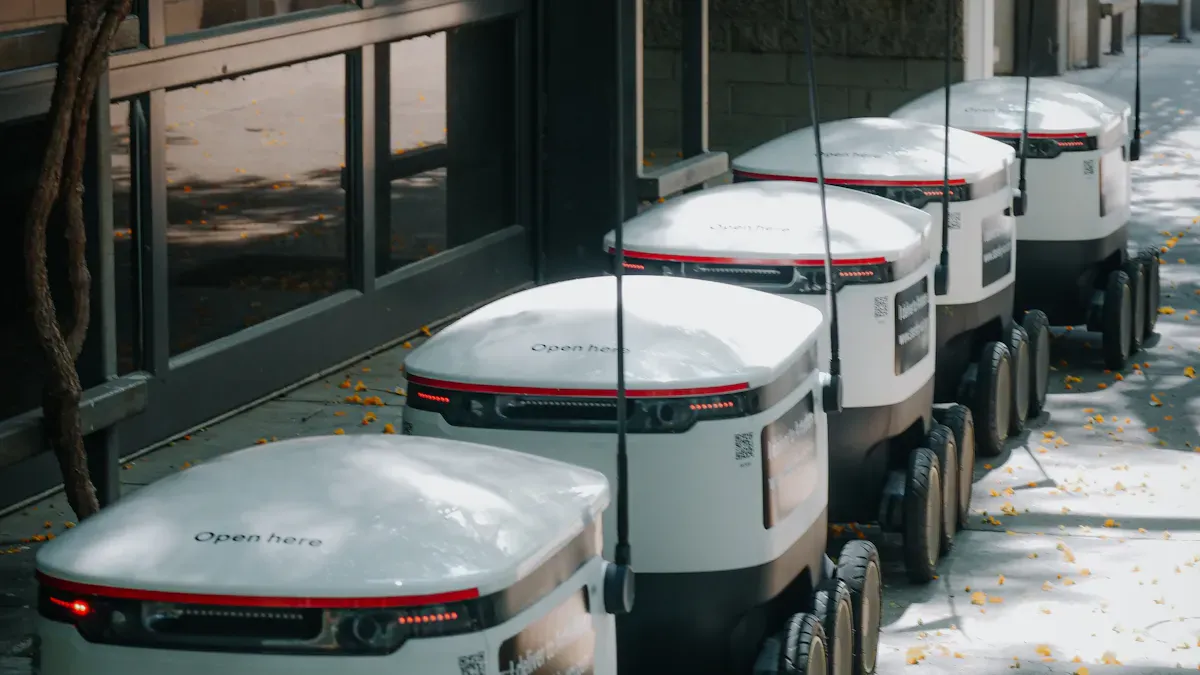
University Case Studies
You can see how universities use smart retail by looking at real examples. The University of Dayton opened a cashierless store on campus. You walk in, scan your ID, and pick up what you need. Cameras and sensors track your choices. You do not wait in line. You pay automatically when you leave. Students say this saves time between classes. Staff report fewer errors with inventory.
Chartwells Higher Education, a large campus dining provider, plans to expand these stores to more campuses. You might see these stores at your university soon. Chartwells uses AI and sensors to keep shelves stocked. You get fresh food and snacks at any hour. Chartwells also collects feedback from students to improve the store. You help shape the future of campus shopping.
Here is a quick look at the impact:
University | Key Feature | Student Benefit |
|---|---|---|
University of Dayton | Cashierless entry | Faster shopping |
Chartwells campuses | Always open |
Lessons and Best Practices
You learn important lessons from these examples. First, you need clear signs and instructions. Students feel more comfortable when they know how to use the store. Second, you should provide support for students who have questions. Staff can help with new technology. Third, you must keep the store clean and safe. Regular checks make sure everything works well.
Note: You can give feedback to improve your shopping experience. Universities listen to your ideas.
You see that testing new technology before a full launch helps avoid problems. You also notice that collecting data helps universities understand what students want. When you use these stores, you help shape better campus retail for everyone.
Automation vs. Human Touch
Student Engagement
You notice that autonomous stores change how you interact with campus retail. Technology makes shopping easier and faster. Stores like eat>NOW let you skip lines and shop without waiting. You feel more engaged because the process is smooth and convenient. Many Gen Z students, including you, want stores to be interesting and not boring. In fact, 56% of students look for engaging experiences when shopping. Autonomous stores use technology to make shopping fun and interactive. You see new layouts and a wide variety of products, which encourage you to visit again. The store design helps you explore and find what you need quickly.
You enjoy shopping without queues.
You find more products and new items each visit.
You feel excited to return because the store is always open and easy to use.
Tip: Try exploring different sections of the store. You might discover snacks or supplies you did not expect.
Staff Roles in Automated Retail
You see fewer staff in autonomous stores, but their roles become more important. Automation lets staff focus on tasks that matter most. They spend less time on routine jobs and more time helping you. Staff can manage inventory and assist customers, making your experience better. Automation also helps staff feel more satisfied with their work because they handle higher-value tasks.
Staff help you with questions about new technology.
Staff keep shelves stocked and stores clean.
Staff engage with you to improve your shopping experience.
Retailers face challenges in hiring and keeping employees. Automation fills labor gaps and improves efficiency. You notice that staff now focus on customer service and store management. However, automation can lead to fewer jobs, especially for cashiers. Many workers, including women who make up most cashier roles, may lose their positions. This creates challenges for universities and retailers. You see that technology can help staff deliver more personalized service, but it also requires careful planning to support workers.
Note: If you have questions or need help, staff are still there to assist you. Automation gives them more time to focus on you.
You see autonomous stores changing campus retail through digital transformation. These stores give you more convenience and better service. You also face challenges like privacy and system costs.
Benefits | Challenges |
|---|---|
Data privacy | |
Data analysis | System integration |
Operational efficiency | High costs |
Personalization | Staff resistance |
Inventory optimization | AI complexity |
You should measure success by tracking revenue, costs, and student satisfaction.
Evaluation Criteria | Description |
|---|---|
Track both for ROI | |
Efficiency Gains | See how automation saves time and money |
Student Experience | Measure satisfaction and access |
ROI Formula | Use clear metrics |
Real-World Examples | Learn from pilot projects |
If you want to start, try these steps:
Plan pilot projects for a full user experience
Align pilot results with your rollout plan
Train and support your teams during the change
FAQ
What is an autonomous store?
You shop in an autonomous store without cashiers. Sensors, cameras, and AI track your purchases. You pay automatically when you leave. The store stays open all day and night.
How do autonomous stores keep my data safe?
Stores use secure systems to protect your information. Staff update software often. You can check privacy policies before shopping. Security teams monitor for threats and keep your data private.
Will staff lose jobs because of automation?
Automation changes staff roles. You see fewer cashiers, but staff help with technology and customer service. Universities train workers for new tasks. Staff focus on higher-value jobs.
What happens if technology fails in the store?
You get help from staff if something goes wrong. Stores test systems before launch. Maintenance teams fix devices quickly. You can report issues to improve your shopping experience.
See Also
The Future of Retail Lies in AI-Driven Stores
Transforming Online Retail Management with AI E-Commerce Solutions
Global Insights on Automated Convenience: Micromarkets and Smart Stores
Essential Insights for Retailers on AI-Enhanced Corner Stores
Revolutionizing Retail: The Impact of Smart Electronics Vending Machines
