How autonomous stores support digital transformation in convenience store chains and small-format grocery.

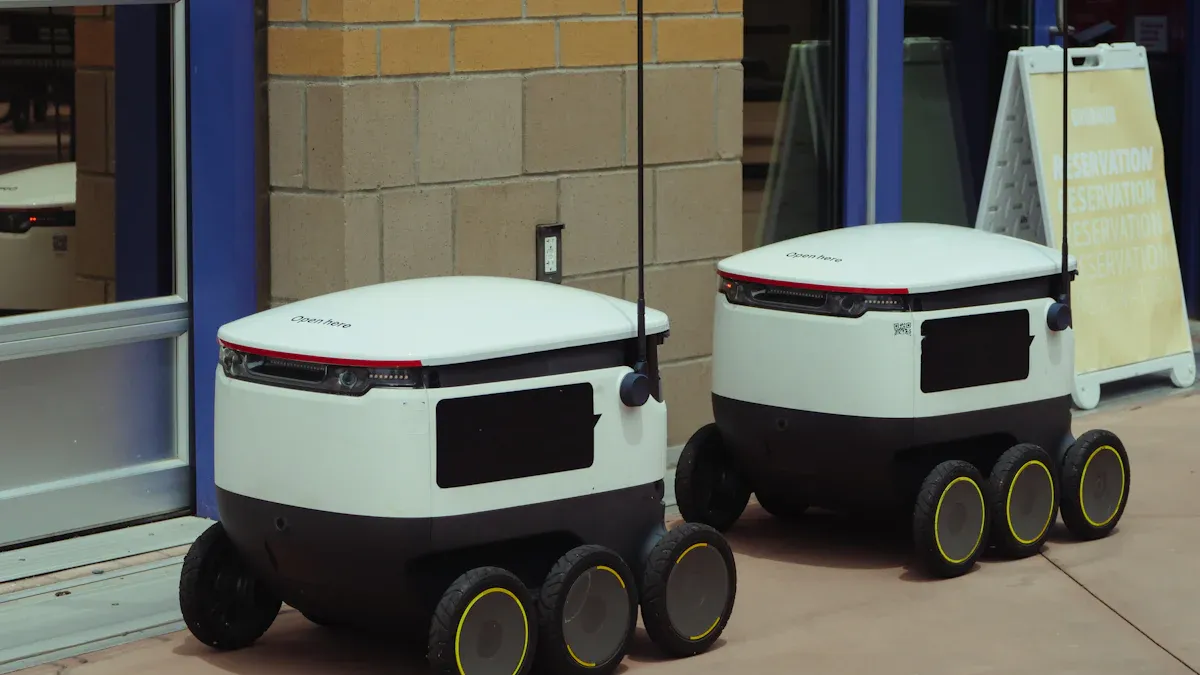
You see autonomous stores changing the way you shop in convenience locations. With ai, you get smarter inventory management and faster shopping. Automation handles routine tasks, like price updates and shift scheduling, so you enjoy a smoother experience. Many small stores now use ai to keep up with bigger competitors. This technology helps stores predict what you need and make checkout quick. You benefit from fewer stockouts and shorter lines, while stores save money and use staff more efficiently.
Key Takeaways
Autonomous stores use AI and automation to enhance your shopping experience, making it faster and more convenient.
You benefit from personalized recommendations and dynamic pricing, ensuring you find the products you want at the right price.
AI-driven inventory management reduces stockouts, so you always find what you need on the shelves.
Shopping in autonomous stores is safe and secure, with strong data protection measures in place to protect your information.
These stores operate 24/7, giving you the freedom to shop whenever it suits you, without worrying about closing hours.
Autonomous Stores and Digital Transformation
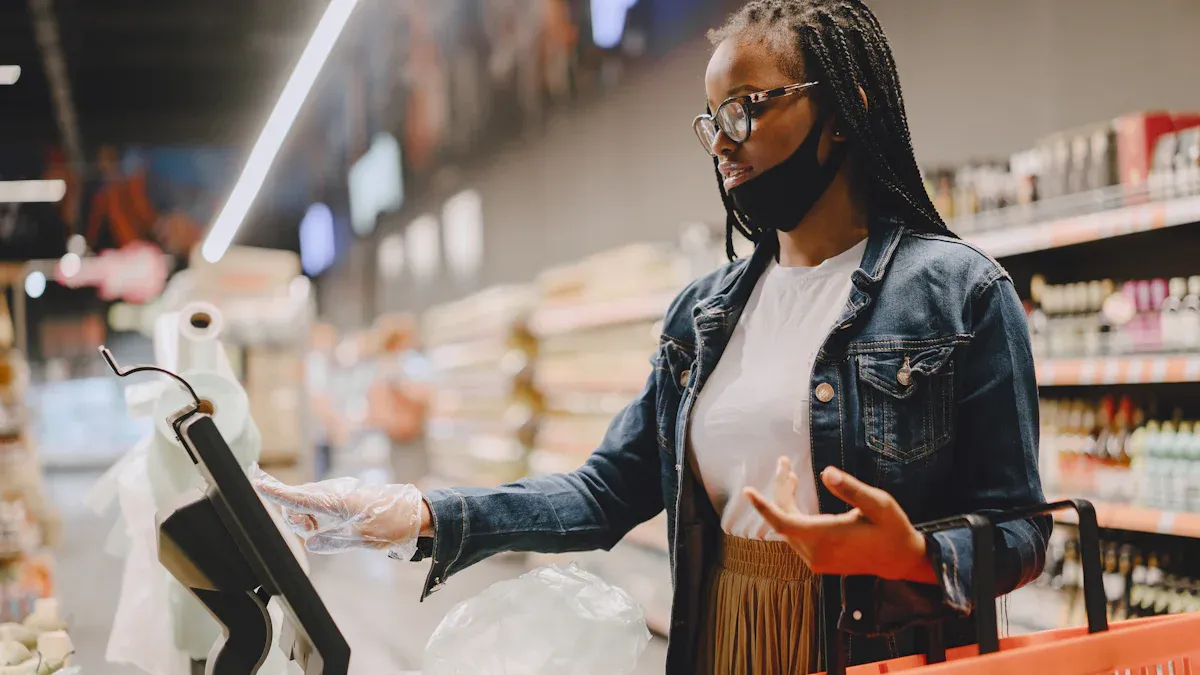
What Are Autonomous Stores?
You see autonomous stores using a mix of hardware and software to track inventory and customer actions. These stores rely on ai and automation to create a seamless shopping experience. Sensors and cameras monitor shelves and shoppers. Machine learning algorithms analyze data to predict demand and manage stock. You enjoy cashierless shopping, where you pick up items and leave, and the system charges you automatically. Frictionless checkout, predictive inventory management, and strong security measures set autonomous stores apart from traditional retail.
Autonomous stores allow you to shop without waiting in line or scanning items. You select products and exit, and the system sends your receipt by SMS or email. This is very different from the usual checkout process with cashiers.
Digital Transformation in Retail
You notice digital transformation changing how convenience and grocery stores operate. Retailers use ai to improve inventory management and personalize your shopping experience. Automation speeds up checkout and reduces manual tasks. You see stores adopting e-commerce, offering contactless pickups, and using data to enhance customer loyalty programs. The main components include:
Aggressive e-commerce adoption
Minimized human-to-human interaction
Higher automation acceptance
Transforming purchase channels
Automating operations
Innovating consumer loyalty programs
Digital transformation helps stores boost sales and keep customers coming back. Ai predicts what you want, so stores stock the right products and reduce waste. Automated checkout systems make shopping faster and easier.
Why Small-Format and Convenience Stores?
You find small-format and convenience stores ideal for autonomous retail innovation. These stores focus on high-demand items and local products, which builds customer loyalty. They save space and costs while meeting your need for quick access to essentials. You get a personalized experience because these stores tailor their selection to local preferences. Market trends show that autonomous checkout systems, operational efficiency, and evolving consumer expectations drive adoption in these stores.
Trend | Description |
|---|---|
Autonomous Checkout Systems | Integration reduces wait times and improves inventory accuracy, enhancing customer experience. |
Demand for Operational Efficiency | Automation allows stores to operate more efficiently, lowering labor dependency. |
Evolving Consumer Expectations | Consumers increasingly expect convenience and speed in shopping, driving the need for automation. |
You benefit from ai, automation, and data-driven insights every time you shop at these stores. The maturity of technology makes autonomous retail possible and practical for small-format grocery and convenience locations.
AI-Powered Automation in Autonomous Retail

AI and Machine Learning Applications
You see ai-powered automation changing how you shop in autonomous stores. Ai and machine learning help stores understand what you want and make your experience better. Stores use ai to recommend products, set prices, and predict demand. Ai also helps manage inventory and spot fraud. You get custom recommendations based on your shopping history. Ai adjusts prices in real time, so you see fair prices that match demand. Machine learning models help stores keep shelves stocked and reduce waste.
Application Type | Description |
|---|---|
Custom Recommendations | Ai algorithms provide targeted product recommendations based on customer data like purchase history. |
Dynamic Pricing | Prices are adjusted in real-time based on demand, competitor activity, and customer profiles. |
Demand Forecasting | Machine learning models analyze data to improve demand predictions, helping manage stock levels. |
Inventory Optimization | Ai helps calibrate stock levels to reduce waste and prevent stockouts in fast-moving sectors. |
Visual Search | Shoppers can upload images to find product matches, enhancing discovery in visually driven categories. |
Chatbots | NLP-powered chatbots assist customers with real-time support and personalized suggestions. |
Fraud Detection | Ai identifies patterns to flag suspicious activities, enhancing transactional security. |
Supply Chain Optimization | Ai aids logistics with demand-supply alignment and intelligent route planning. |
Marketing Insights | Ai-driven models assess data for targeted campaigns, improving engagement and ROI. |
In-Store Analytics | Ai monitors foot traffic and product availability in physical stores to enhance customer experience. |
Ai-powered automation makes shopping easier and safer. You get help from chatbots and see products that match your needs. Stores use ai to keep track of what sells and what needs restocking. Ai-driven demand planning helps stores prepare for busy times and avoid running out of popular items.
Automated Checkout and Smart Carts
You experience automated checkout every time you shop in autonomous stores. Automated checkout systems let you pay without waiting in line. You pick up items, and the system charges you automatically. This process saves you time and makes shopping more enjoyable. Stores use automated checkout to increase the number of transactions per hour and reduce wait times.
Implementation | Customer Adoption Rate | Checkout Time Reduction | Transactions per Hour Increase | |
|---|---|---|---|---|
Urban Fashion Boutiques | 4 minutes to 1 minute 30 seconds | 62% | N/A | N/A |
National DIY Chain | 3 minutes 40 seconds to 2 minutes 10 seconds | N/A | N/A | 22 to 36 transactions per hour |
Smart carts use ai, RFID, and IoT to make shopping faster. You scan items as you shop, and the cart keeps track of your purchases. Smart carts give you real-time information about products and prices. Ai-powered automation in smart carts helps stores manage inventory and improve efficiency. You see less waiting and more personalized offers. The integration of RFID technology allows for automatic product identification. IoT capabilities enable real-time insights for store management. Ai-driven features in self-checkout systems reduce wait times and boost satisfaction.
Mobile-First Payments and Frictionless Shopping
You use mobile-first payments to complete your shopping quickly. Mobile scan-pay-go apps let you pay with your phone, making the process simple and secure. Frictionless checkout means you do not need to scan each item or wait for a cashier. You enjoy a smooth experience from start to finish. Automation supports these payment methods and keeps transactions safe.
Tip: Mobile-first payments and frictionless checkout make shopping faster and easier for you. You can pay with your phone and leave the store without stopping at a register.
Stores face challenges when they try to offer frictionless shopping. They must upgrade their technology and train staff for new roles. You need to trust the system and feel safe with your data. Stores work hard to protect your privacy and make sure the technology is easy to use.
Challenge Type | Description |
|---|---|
Technological Integration | Necessity for infrastructure upgrades and compatibility issues with legacy systems. |
Customer Adaptation and Trust | Need for intuitive technology and comprehensive customer support to foster trust. |
Operational Hurdles | Management and training of staff to adapt to new roles in a frictionless environment. |
Consumer Privacy and Security | Balancing data utilization for enhanced experiences while ensuring privacy and protection of data. |
Data-Driven Insights and Demand Planning
You see data-driven insights helping stores plan better and serve you well. Stores use analytics to track what you buy and when you shop. Ai-powered automation uses predictive analytics to forecast demand and optimize inventory. Stores analyze sales history, weather, and social media trends to predict what you will buy next. Real-time optimization helps stores adjust inventory and avoid running out of products.
Predictive demand forecasting uses machine learning and real-time data to predict demand.
Real-time optimization monitors inventory levels and adjusts stock to minimize shortages and excess.
Automated reordering creates purchase orders when inventory drops below a set level.
Stores like Walmart and Macy's use ai to improve accuracy and reduce stockouts. Walmart's ai system processes millions of SKU-location combinations daily, reaching 95% forecast accuracy and cutting stockouts by 30%. Macy's uses RFID tracking to achieve 99.8% inventory accuracy and avoid store closures.
Evidence | Explanation |
|---|---|
Data-driven inventory management reduces operational costs | By optimizing stock levels, it minimizes excess inventory and decreases storage costs, leading to overall cost savings. |
Accurate stock levels enhance customer satisfaction | Ensures that customers find desired products available, preventing stock-outs and improving the shopping experience. |
Optimized inventory levels increase profitability | Maintains the right amount of stock, avoiding costs from excess inventory and lost sales due to stock-outs. |
Ai enhances inventory management | Ai technologies enable dynamic demand forecasting and real-time decision-making, improving operational efficiency. |
Integration with IoT devices allows precise tracking | Real-time data analysis provides instant insights into inventory status, facilitating immediate adjustments. |
Autonomous planning systems automate supply chain processes | These systems improve responsiveness and resilience in volatile market conditions, streamlining operations. |
Predictive analytics improve forecasting | Enables businesses to accurately forecast trends and consumer demands, optimizing inventory levels. |
You benefit from data-driven insights every time you shop. Stores use analytics to understand your behavior and improve your experience. Data analysis helps stores make better decisions about inventory and marketing. You see more personalized offers and find the products you want in stock. Businesses using analytics achieve higher revenue and lower costs. Targeted campaigns based on data analysis lead to better engagement and loyalty.
Customer insights help stores understand your shopping habits.
Data analysis improves inventory decisions and boosts loyalty.
Smarter strategies lead to increased sales.
Ai-powered automation, in-store automation, and predictive analytics work together to make shopping easier for you and more efficient for stores. You get a better experience, and stores save money and operate smoothly.
Efficiency and Customer Experience
Speed and Convenience
You notice that autonomous stores make shopping faster and easier. Automation lets you skip long lines and pay quickly. AI systems process transactions in seconds, giving you more time for other tasks. The removal of checkout lines makes your shopping trip less stressful, especially when you need something fast. Busy shoppers and those making impulse purchases benefit most from this convenience.
You see that most shoppers prefer self-checkout for speed. The table below shows how studies highlight the impact of automation and AI on transaction convenience:
Study/Survey/Report | Key Findings |
|---|---|
Safaeimanesh et al. (2021) | Shorter waiting times enhance customer experience and satisfaction. |
Orel & Kara (2020) | Faster transaction times in self-checkout improve satisfaction, especially for younger customers. |
Kiosk Marketplace | 77% of shoppers prefer self-checkout for speed; 36% cite shorter lines as a motivator. |
Capital One Shopping’s 2025 report | 73% of consumers prefer self-checkout over traditional lanes, showing strong demand for speed and efficiency. |
You may face barriers like check-in requirements or limited staff access, but automation continues to improve convenience for you.
Personalization with AI
You receive personalized promotions and product recommendations every time you shop. AI-driven recommendation engines analyze your snack-buying history and deliver targeted products. Hyper-personalization makes you feel recognized and valued.
AI tracks your preferences and location, offering suggestions that match your needs. You enter the store quickly using a credit card or app, and automation ensures you get receipts soon after you leave.
Most shoppers expect personalization. About 71% of consumers want personalized experiences, and 76% return to retailers that offer them. Personalized replenishment reminders can increase repeat purchases by up to 20%.
Amazon uses AI to send reminders based on your purchase history, boosting repeat visits. Hyper-personalization and automation work together to create an enhanced customer experience.
24/7 Access and Staff-Free Operation
You enjoy shopping any time you want. Unmanned convenience stores operate 24/7, so you never worry about closing hours. Automation and AI keep the store running smoothly without staff.
This technology reduces costs and improves reliability. You get quick, hassle-free shopping, which fits your fast-paced lifestyle.
Sensors and cameras need regular maintenance, but proactive schedules keep systems reliable. Strong security measures like data encryption and secure payment systems protect your information.
Tip: You can shop at any hour, and automation makes sure your experience stays safe and convenient.
Reducing Shrinkage and Increasing Basket Size
You see fewer thefts in autonomous stores. AI-powered computer vision systems monitor activities and deter theft. Behavioral biometrics and anomaly detection help identify suspicious actions in real time. These technologies reduce shrinkage compared to traditional stores.
Automation also helps you buy more. Scan & Go app users at Sam’s Club saw a 27% increase in basket size. Smart carts improved satisfaction by 30% and increased transaction value by 12%.
You get more personalized promotions, and automation encourages you to add extra items to your basket. AI and technology work together to boost efficiency and sales.
Operational Benefits and Challenges
Cost Savings and Labor Optimization
You see cost savings as one of the biggest advantages of autonomous stores. AI helps you automate repetitive tasks, which means stores need fewer staff for checkout and stocking. You notice that cashierless checkout and smart scheduling systems reduce labor costs by 60-70%. Stores use AI to match staffing with demand, so you get better service without overstaffing. Real-time data lets managers respond quickly to workflow issues. Employees feel happier because schedules consider their preferences. You benefit from improved service and faster shopping.
AI integration leads to major labor cost reductions.
Automation identifies cost-saving opportunities and improves operational efficiency.
Real-time data supports better planning and happier staff.
Inventory Management and Store Layouts
You experience better inventory management in autonomous stores. AI and data-driven systems automate inventory checks and reduce out-of-stocks. Stores use real-time product availability to keep shelves stocked. Automated shelf auditing and proactive alerts help managers reorder products before they run out. Retail Vision AI gives stores insights into customer movement and engagement with displays. Heat mapping tools help retailers design store layouts that make shopping easier for you.
Automated inventory checks keep shelves full.
Data and AI optimize store layouts for a smooth shopping journey.
Proactive alerts improve reordering accuracy and inventory management.
You see promotions placed where you notice them most. Stores use data to make decisions about product placement and inventory levels. This approach increases operational efficiency and makes your shopping experience better.
Integration, Privacy, and Staff Adaptation
You notice that stores must integrate new technology while protecting your privacy. Compliance with privacy laws and data protection regulations is essential. Stores invest in scalable technology to upgrade features easily. AI decision-making must be transparent to avoid bias. Retailers train staff for new roles, so you get help when you need it. Ethical concerns about job displacement lead to retraining and support for workers.
Tip: Stores that prioritize data governance and ethical AI build trust with you and prepare staff for future roles.
Scalable technology makes upgrades simple.
Innovation and experimentation help stores stay ahead.
Data governance and privacy compliance protect your information.
Training programs prepare staff for new technology.
Future Trends in Autonomous Retail
You will see more changes in autonomous stores soon. AI will create hyper-personalized shopping experiences based on your behavior and preferences. Automated shopping agents will anticipate your needs, making shopping even easier. Stores will use AI to streamline operations and improve product design. Foodservice will offer Ready-2-Eat and Heat-N-Eat meals, and micro-markets will serve smaller households. Brands will expand using flexible footprints and autonomous modules.
Prediction | Description |
|---|---|
Hyper-personalization | AI will enable tailored shopping experiences based on consumer behavior and preferences. |
AI Shopping Agents | Automated agents will anticipate consumer needs, enhancing convenience for shoppers. |
Operational Efficiencies | AI will streamline operations, optimize inventory, and improve product design based on trends. |
You will enjoy shopping without human friction, focusing on speed, safety, and satisfaction. Technology advancements in computer vision and AI will improve product recognition and customer behavior analysis. These improvements will make autonomous retail more accurate and reliable.
You see autonomous stores changing how you shop every day. Ai helps stores run smoothly and gives you a better experience. You get faster checkout and more choices. Stores save money and use staff wisely.
Ai predicts what you want and keeps shelves full.
Technology makes shopping safer and easier for you.
You will see more changes as autonomous stores grow. Ai will keep improving your shopping trips.
FAQ
What is an autonomous store?
You shop in an autonomous store without cashiers. Sensors and cameras track your purchases. You pick up items and leave. The system charges you automatically. You get a receipt on your phone or by email.
How does AI improve your shopping experience?
AI learns your preferences. You get personalized recommendations and faster checkout. Stores use AI to keep shelves stocked and prices fair. You see fewer out-of-stock items and more products you like.
Is shopping in autonomous stores safe?
You shop safely in autonomous stores. Stores use secure payment systems and strong data protection. Cameras and sensors help prevent theft. Your personal information stays private because stores follow strict security rules.
Can you shop at any time in autonomous stores?
You shop whenever you want. Autonomous stores stay open 24/7. You do not worry about closing hours. You get quick access to snacks, drinks, and other essentials at any time.
What technology powers autonomous stores?
You see technology like AI, sensors, cameras, and mobile apps working together. These tools track inventory, process payments, and personalize your experience. Technology makes shopping faster, safer, and easier for you.
See Also
The Future of Retail: Embracing AI-Driven Stores
Comparing Micromarkets and Smart Stores in Global Retail
Understanding AI-Enhanced Corner Stores for Modern Retailers
Analyzing Walgreens Self-Checkout: Benefits and Retail Hurdles
