How autonomous stores support digital transformation in Corporate offices & tech parks.


You see autonomous stores changing the way people work and shop in corporate offices and tech parks. Smart systems use IoT, automation, and real-time data to make workplaces more efficient. The number of stores with these features grew from 350 in 2018 to 10,000 by 2024, and sales volume jumped from under $70 million to over $20 billion. Companies benefit from real-time equipment monitoring, asset tracking, and energy management.
Key Drivers | Benefits |
|---|---|
Technological innovation | Enhances operational efficiency |
Environmental compliance | Improves customer experiences |
Supply chain resilience | Enables data-driven decision-making |
Workforce challenges | Reduces downtime and improves safety |
Key Takeaways
Autonomous stores make shopping faster and easier with smart technology.
Real-time data helps stores keep shelves stocked and improve your experience.
Contactless payments offer quick and secure transactions.
Tech parks with autonomous stores attract more tenants and talent.
Choosing the right technology and training your team ensures successful implementation.
Autonomous Stores: Key Benefits
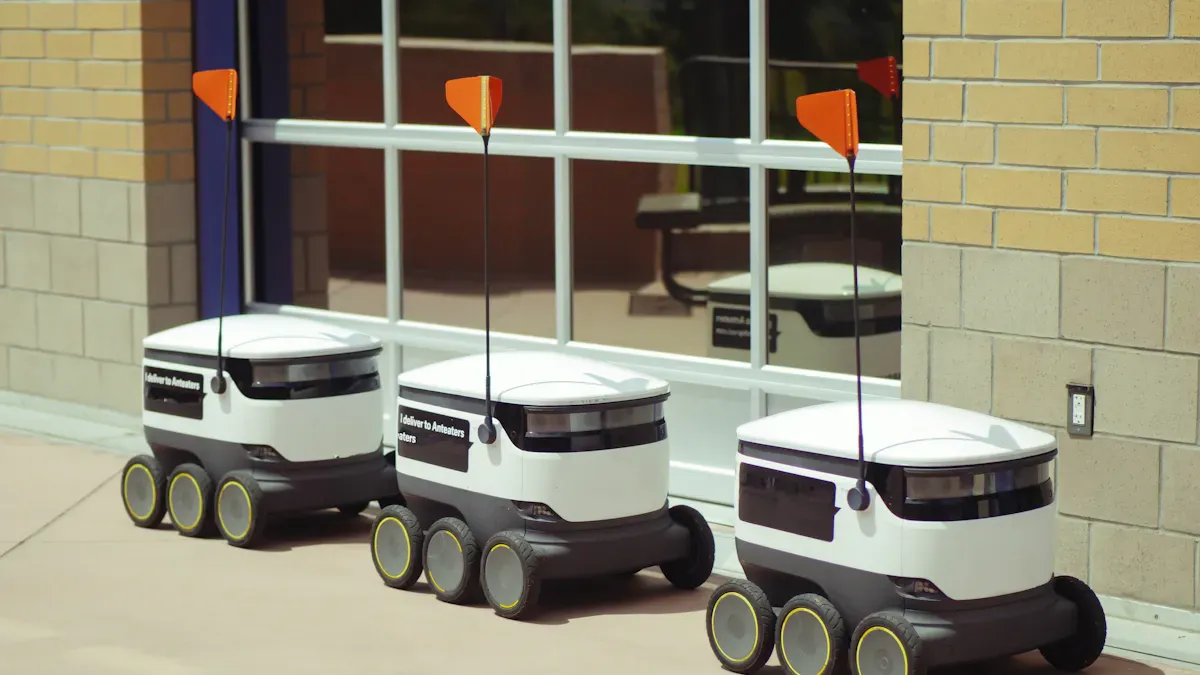
Operational Efficiency Gains
You can see how autonomous stores transform daily operations in corporate offices and tech parks. These stores use smart technology to automate tasks that once required manual effort. You no longer need to wait in long lines or rely on staff for checkout. Automated systems handle inventory tracking, restocking, and even loss prevention. This means you get faster service and fewer errors.
Tip: Automated inventory management can decrease out-of-stock situations by 20-25%. You get what you need, when you need it.
Enhanced Employee Convenience
When you work in a busy office, convenience matters. Autonomous stores let you grab snacks, drinks, or office supplies quickly. You do not need to leave the building or waste time searching for items. The stores stay open around the clock, so you can shop whenever you want. This flexibility helps you stay focused on your work and boosts your productivity.
You can use contactless payment for a faster experience.
You avoid crowded cafeterias and long lunch lines.
You enjoy a wider selection of products, tailored to your preferences.
Real-Time Data Insights
Autonomous stores collect and use real-time data to make your shopping experience better. These stores track what you buy, how you move through the store, and which products run low. The data helps store managers keep shelves stocked and adjust product offerings.
Here are some types of real-time data collected and how they help:
Object recognition supports automated checkout and shelf monitoring.
Inventory management analyzes demand patterns and supply chain needs.
Customer behavior analysis leads to personalized marketing and better store layouts.
You benefit from smarter stores that know what you want and when you want it. Companies like Amazon and Walmart use these insights to improve inventory management. For example:
Company | Technology Used | Key Outcomes |
|---|---|---|
Amazon | Machine Learning Models | 15% reduction in stockouts, 45% reduction in forecast error, improved inventory turnover |
Walmart | Mobile Robots with Imaging and LiDAR | 3× faster and 50% more accurate than manual audits for shelf issues |
Cost and Overhead Reduction
Autonomous stores help your company save money in several ways. Automated systems reduce the need for staff, lower labor costs, and cut down on mistakes. Vision AI monitors transactions and aisles, catching issues like mis-scans or theft. This leads to fewer losses and less waste.
Retail shrinkage, including theft and errors, causes over $112 billion in losses each year in the U.S.
Vision AI can reduce shrinkage by up to 60% for grocers.
Loss prevention systems in autonomous stores can lower shrinkage by 15-30%.
You see fewer empty shelves and less wasted product. Your company spends less on overhead, and you get a better shopping experience.
Integration with Digital Systems
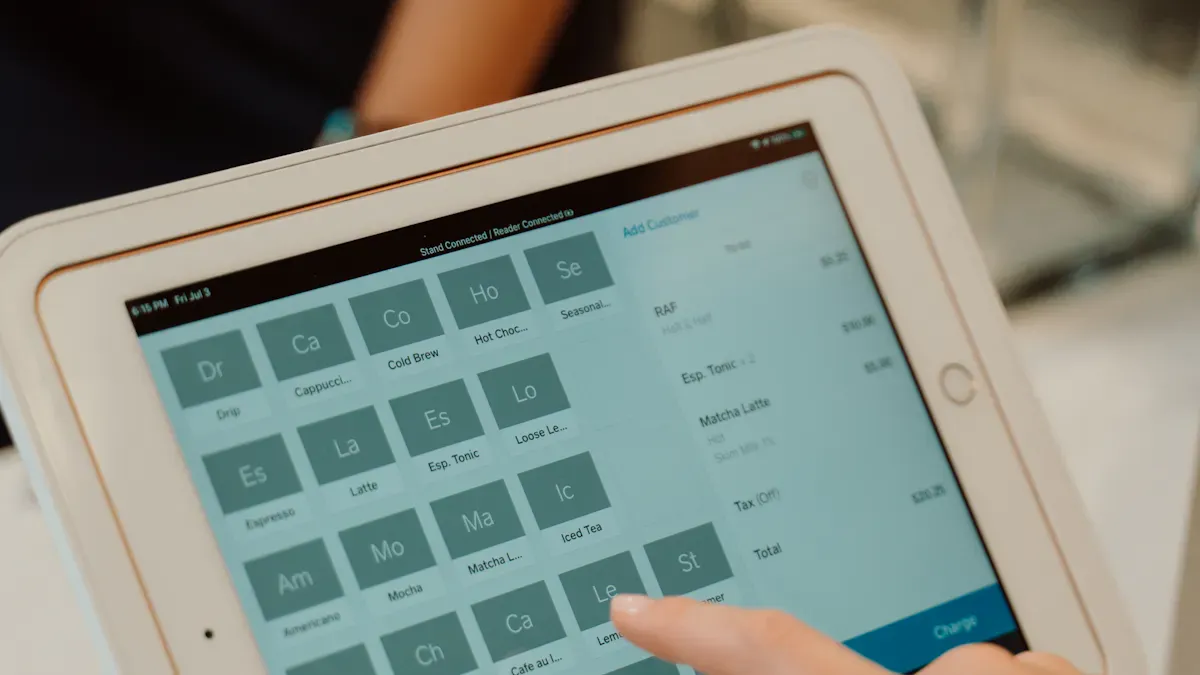
IoT and Automation in Autonomous Stores
You see IoT devices and automation technologies making autonomous stores smarter and more reliable. These stores use sensors and smart shelves to track inventory in real time. Cashier-less systems let you pick up items and leave without waiting in line. Machine learning algorithms analyze data from these devices to spot equipment problems early. This helps store managers fix issues before they cause downtime. Reliable connectivity keeps everything running smoothly, so you always have access to products and services.
IoT Device Type | Description |
|---|---|
Smart Home Devices | Devices that automate functions, making shopping easier and faster. |
Industrial Sensors | Sensors that monitor inventory and report data for tracking. |
Smart Shelves | Shelves with weight sensors that alert managers when stock is low. |
Cashier-less Systems | Systems that automate checkout, letting you skip lines and pay quickly. |
Real-time inventory tracking keeps shelves stocked.
Automated checkout reduces wait times.
Smart shelves help managers restock before items run out.
Seamless IT Ecosystem Integration
You notice that connecting autonomous stores to your office’s IT systems can be challenging. Legacy systems may not work with new technology, so companies often need custom solutions. Data from autonomous stores must sync with existing systems to keep records accurate. Staff need training to use new workflows. A phased rollout helps companies test and adjust before full deployment.
Tip: Gradual implementation and testing reduce risks and make adaptation easier for everyone.
Compatibility issues require special solutions.
Data synchronization ensures accurate records.
Staff training helps employees adapt to new workflows.
Contactless and Cashless Payments
You experience faster and safer transactions in autonomous stores because of contactless and cashless payment systems. AI detects suspicious activity and blocks unusual transactions, keeping your payments secure. AI also manages high transaction volumes, so you spend less time waiting. The system learns your shopping habits and suggests the best payment methods for you.
Benefit Type | Description |
|---|---|
Security | AI detects suspicious activity and blocks unusual transactions. |
Speed | AI handles many transactions quickly, reducing wait times. |
Personalization | AI suggests payment methods based on your shopping habits. |
You enjoy a smooth shopping experience with less hassle and more security.
Impact on Tech Parks
Facility Management Improvements
You see tech parks using smart solutions to manage facilities more efficiently. Autonomous stores help you track inventory and monitor equipment in real time. Sensors alert managers when supplies run low or when maintenance is needed. You benefit from clean, well-stocked spaces that stay open all day. Facility teams use data to plan cleaning schedules and restocking. This reduces waste and keeps the environment safe. You notice fewer disruptions and more reliable services.
Facility managers rely on real-time data to make quick decisions. This keeps tech parks running smoothly and improves your daily experience.
Fostering Innovation Culture
You experience a boost in workplace morale when autonomous stores offer modern shopping experiences. These stores provide continuous access to products and real-time data insights. You see managers using this information to make better decisions. Employees feel valued because their needs are understood and met. You notice that tracking customer behavior helps companies adjust product offerings quickly.
Enhances workplace culture and boosts morale
Provides continuous access and modern shopping experiences
Offers real-time data insights for better decision-making
Tracks customer behavior and shopping patterns
Helps in understanding employee needs
Informs stocking decisions based on real-time trends
You find that AI tools in these stores create learning opportunities. Employees use these tools to share knowledge and collaborate. Real-time access to information helps you work with others from different locations. You observe that skill acquisition becomes easier, and knowledge gaps shrink.
Attracting Tenants and Talent
You see tech parks attracting more tenants and talented workers because of autonomous stores. These stores make the workplace more appealing. You enjoy convenient shopping and advanced technology. Companies want to move into tech parks that offer these benefits. Employees choose workplaces where they feel supported and valued. You notice that modern amenities help tech parks stand out in a competitive market.
Tech parks with autonomous stores become magnets for innovation and talent. You benefit from a vibrant community and better opportunities.
Implementation & Best Practices
Choosing the Right Technology
You need to select the right technology for your autonomous store. Look for solutions that boost efficiency and support fast transactions. Hybrid models that combine computer vision, human-in-the-loop, and sensors can improve accuracy and reduce costs. These models use lightweight processing for most tasks and rely on cloud services only for complex cases. You benefit from real-time processing and continuous updates. Consider these criteria when making your choice:
Criteria | Description |
|---|---|
Merchandise and F&B sales without extra staff | |
Transaction Speed | Transactions under 10 seconds during peak hours |
User Experience | Targeted promotions increase spend per visitor |
Cashless Operation | Cashless systems suit sterile environments |
Risk Mitigation | Zero shrinkage removes major concerns |
Technology Integration | Real-time customer interaction processing with computer vision |
Future-Proof Technology | Cloud connectivity enables ongoing improvements |
Installation Simplicity | Quick installation with full support tools |
Managing Change
You must prepare your team for new technology. Change management strategies help everyone adapt. Educate and empower your staff to reach high adoption rates. Create change champions who support others. Amplify leaders to guide the process. Training is essential. You should calibrate sensors and cameras for accurate tracking. Train associates to manage the system and answer questions. Test the store with employees acting as shoppers. Ongoing training helps staff learn new tools and assist customers at self-service kiosks.
Calibrate sensors and cameras for accuracy.
Train associates to manage systems and help customers.
Test with employees to find and fix issues.
Provide ongoing training for quick adaptation.
Tip: Educating and empowering your team leads to nearly 100% adoption within weeks.
Security and Privacy
You must protect sensitive data and ensure privacy. Autonomous stores collect large amounts of information. Data breaches and system vulnerabilities pose risks. Privacy challenges arise from extensive data collection. Poorly defined roles and flexible privacy policies can lead to misuse. Regulatory frameworks like GDPR, CCPA, and HIPAA set rules for data protection.
Risk Type | Description |
|---|---|
Data Breaches | Unauthorized access to sensitive store data |
System Vulnerabilities | Weaknesses in interconnected systems expose stores to cyber threats |
Privacy Challenges | Difficulty in ensuring user privacy due to extensive data collection |
Regulatory Framework | Description |
|---|---|
GDPR | Governs data privacy in the EU |
CCPA | Focuses on consumer rights regarding personal data in California |
HIPAA | Protects patient health information |
Note: Clear roles and strong privacy policies help you avoid security issues.
Challenges and Solutions
Overcoming Adoption Barriers
You may face resistance when you introduce autonomous stores in your workplace. Employees worry about job security and new technology. You can address these concerns by sharing clear information and offering hands-on training. You should highlight the benefits, such as faster service and improved convenience. Real-world examples show that companies often reach full adoption within three to six months. Hybrid models, which combine computer vision and human-in-the-loop systems, help you ease the transition. You can start with pilot projects and expand as employees become comfortable.
Tip: Use change champions to support your team and answer questions during the rollout.
Ensuring Scalability
You want your autonomous store to grow as your company expands. Scalability means you can add more stores or upgrade technology without major disruptions. You should choose modular systems that allow easy upgrades. Cloud-based solutions help you manage multiple stores from one dashboard. Real-time data lets you track performance and spot issues quickly. Companies like Amazon Go use scalable models to open new locations in weeks, not months.
Modular hardware supports quick installation.
Cloud platforms enable centralized management.
Real-time analytics help you optimize operations.
Scalability Feature | Benefit |
|---|---|
Modular Design | Easy expansion |
Cloud Management | Centralized control |
Real-Time Data | Fast problem detection |
Addressing User Concerns
You may worry about privacy, security, or ease of use. Autonomous stores collect data to improve your experience, but you need to know how your information stays safe. You should look for stores that follow strict privacy rules like GDPR or CCPA. Clear signage and transparent policies help you understand what data is collected. You can use contactless payments for added security. User-friendly interfaces make shopping simple, even for first-time users.
Note: Ask for feedback and make improvements based on what you hear from employees and visitors.
You see autonomous stores drive digital transformation in corporate offices and tech parks. You gain faster service, lower costs, and smarter workplaces. You can start by choosing the right technology and training your team. You build a future-ready workplace that attracts talent and supports innovation.
Take action now. You shape the future of your office with smart solutions.
FAQ
What is an autonomous store?
You shop in an autonomous store without cashiers or checkout lines. Smart sensors, cameras, and software track what you pick up. You pay automatically when you leave. This makes shopping fast and easy.
How do autonomous stores keep my data safe?
Stores use strong security tools to protect your information. They follow privacy laws like GDPR and CCPA. You can check privacy policies in the store or online.
Can you use cash in an autonomous store?
Most autonomous stores only accept digital payments. You use cards, mobile wallets, or company badges. This helps you shop faster and keeps the store running smoothly.
What happens if you pick up the wrong item?
You can put the item back on the shelf.
The system updates your virtual cart in real time.
You only pay for what you take with you.
See Also
AI-Driven Retail: The Future Of Shopping
AI-Enhanced Corner Stores: Essential Insights For Retailers
AI Tools Revolutionizing Online Store Management Techniques
Global Impact Of Automated Convenience: Micromarkets Vs Smart Stores
