How autonomous stores support digital transformation in Franchise & multi-location retailers.

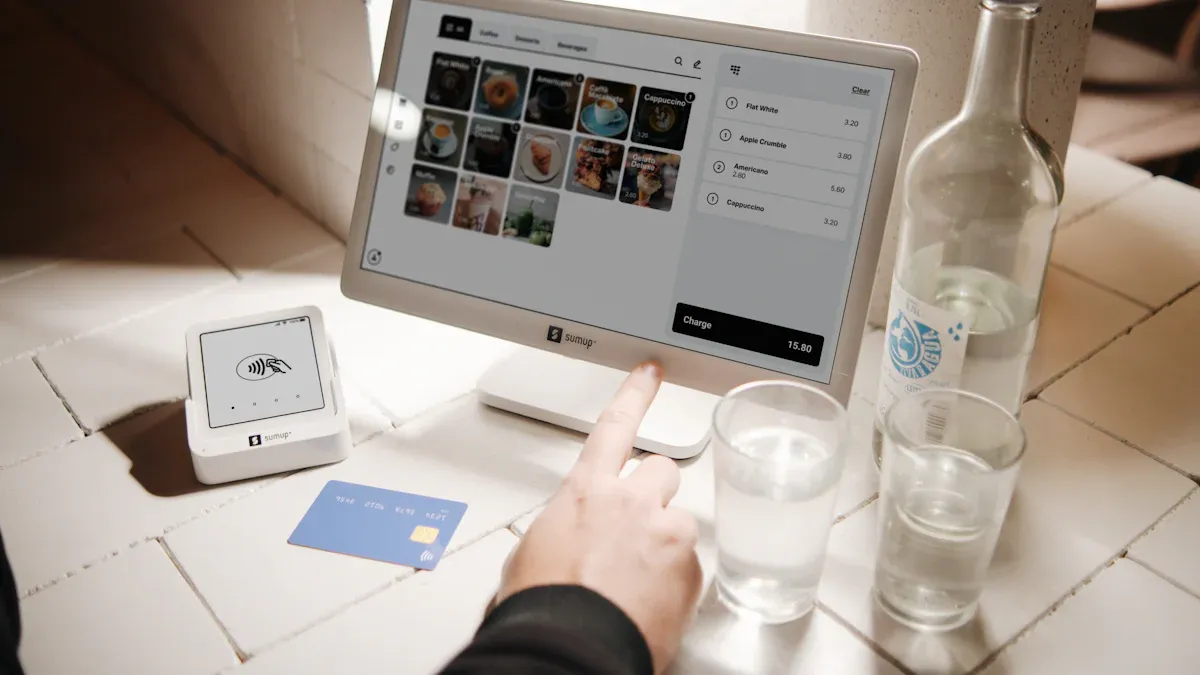
Autonomous stores change how you manage franchise and multi-location retail. You see new technologies like AI and IoT help digital transformation. These tools do tasks automatically, give quick information, and guess trends. You see better work and happier customers. Automation lowers costs and stops mistakes by people. Stores use data to make layouts better and know what customers want. You work more smoothly, give easy service, and grow your business.
Key Takeaways
Autonomous stores use AI and IoT to do jobs automatically. This helps lower costs and makes customers happier. Data from autonomous stores shows what customers like. It also helps stores manage their products better. When customers have the same good experience at every store, they trust the brand more. This makes them want to come back. Setting up autonomous retail needs good planning. Staff must learn new things. Stores must pick the best technology partners. Checking success with clear numbers helps stores stay ahead. It also helps them change when new trends come.
Digital Transformation Challenges
Barriers for Franchise & Multi-Location Stores
You face many problems when you try to use digital transformation in your stores. Each store often works by itself. This makes it hard to put all customer data together. Here are some common problems you may see:
You only get a little customer data. Each store keeps its own records, so you cannot see all the things customers buy or what they like.
You get reports late. This makes it hard to act fast when there are changes in how many people come in or what is in stock.
You have trouble giving the same service at every store. Without shared data, you cannot make the experience the same everywhere.
You have a hard time connecting different systems. Many stores use their own tools, so it is tough to link them all.
If you do not fix these problems, your franchise model can fall behind in the fast-changing quick-commerce world.
Operational Complexity
You have to manage a lot of things in retail. Each store has its own workers, products, and ways to sell. When you add new technology, things can get even harder. The table below shows how these problems can hurt your business:
Challenge | Implication |
|---|---|
It is hard to grow your stores in many places. | |
Increased costs | Bad connections between systems make it cost more as you add stores. |
Data fragmentation | You cannot use AI or analytics well, so you miss what customers like. |
Operational blind spots | You cannot see which stores need help or copy good ideas from top stores. |
Inconsistent updates | You have trouble keeping all stores updated at the same time. |
Training software limitations | Software that works for a few stores may not work as you get bigger. |
You need a good plan for your locations to solve these problems and keep your business working well.
Consistent Customer Experience
You want every customer to have the same feeling at each store. This helps build trust and keeps people coming back. The franchise model needs the brand to be the same everywhere. You can use franchise marketing to keep your message clear and strong. Digital signage lets you update all stores quickly, so every store shows the same deals and news. This helps your location plan and makes sure you meet what customers want, no matter where your stores are.
Note: If you do not make the experience the same, you could lose customers to other quick-commerce choices.
Autonomous Stores as a Solution
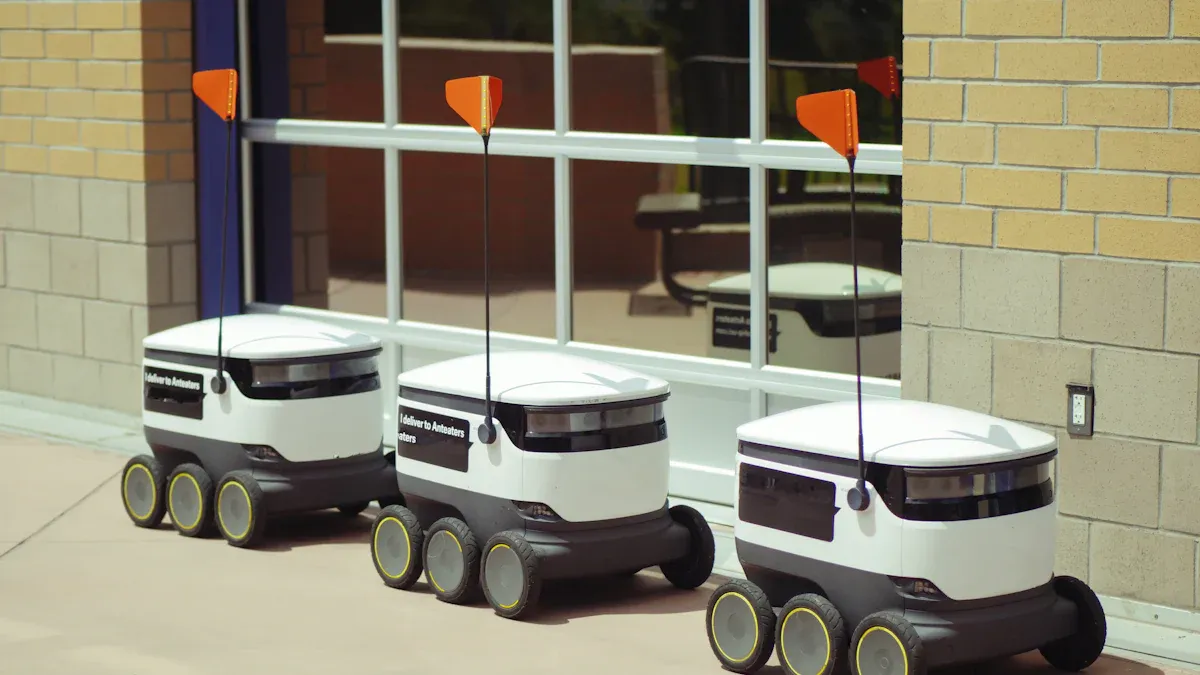
Streamlining Operations with AI & IoT
AI and IoT help stores work better. These tools finish jobs quickly and make fewer mistakes. People do not have to do every task. Sensors and smart cameras watch the shelves. You get alerts when items run low. This helps you always have what shoppers want.
Here is a table that shows how autonomous stores and traditional stores are different:
Aspect | Autonomous Stores | Traditional Retail Models |
|---|---|---|
Efficiency | Automation makes tasks faster | Manual work slows things down |
Inventory Management | Tracks and manages stock in real time | Needs people to check stock |
Customer Experience | Shopping feels more personal | Shopping is less personal |
Cost Reduction | Saves money on workers and mistakes | Costs more for workers and errors |
Order Fulfillment | Orders are filled faster and better | Orders take longer and have more errors |
You can also use a cashierless grocery idea. Shoppers walk in, grab what they need, and leave. The system charges them by itself. This makes shopping fast and simple.
Mobile apps send special deals to shoppers.
Smart inventory keeps shelves full.
AI tools make shopping better for everyone.
Faster Expansion and Lower Costs
Autonomous stores help you grow your business quickly. You do not need big stores or lots of workers. You can open small stores in busy places like train stations or offices. This lets you reach more people and spend less money.
Feature | Description |
|---|---|
Use Previously Untapped Locations | Open stores in new places where big stores cannot go. |
Enable Quick-Commerce Opportunities | Keep products close to shoppers for fast service. |
Fill in Gaps in Location Portfolio | Meet shopper needs without spending a lot on new stores. |
Increase Retail Footprint | Open more stores fast to compete with big brands. |
Resource Management | Fewer workers save money and help run more stores. |
Rapid Deployment | Set up stores quickly in busy spots to sell more. |
Stores like Amazon Go show that autonomous retail can make more money per shopper than regular stores. By 2025, you can automate most daily jobs. This means you spend less to run stores and can focus on growing.
Data-Driven Retail Decisions
Autonomous stores give you lots of data. This data helps you know what shoppers want. You can use it to pick better products, prices, and deals. You can also keep your brand the same everywhere.
Franchise marketing keeps your brand strong and clear.
You send special offers based on what shoppers buy and where they live.
Real-time data gives deals to people near your stores.
Micro-surveys help you get feedback and improve service.
AI and automation help you support your franchisees. You can see which stores need help and give support. You make sure every store gives great service. This builds trust and brings shoppers back.
Tip: Use data from autonomous stores to try new ideas and make your stores better. You can see what works and change things fast.
Practical Benefits of Autonomous Retail

Seamless Shopping Experience
When you walk into autonomous stores, things feel different. You can grab what you want and leave right away. There is no need to wait in line for a cashier. This saves you time and makes shopping simple. Most people now want this kind of easy shopping. A survey found that 75% of shoppers like autonomous stores. You see fewer people waiting and feel less rushed. These stores let you shop how you want. You do not have to talk to cashiers if you do not want to. This is good for people who like fast and private shopping.
Shopping is more fun when you do not have to wait. Autonomous retail gives you a smooth trip every time.
Stores use different ways to make shopping better for you:
Mobile payments let you pay without touching anything.
AI-driven systems make shopping feel special for you.
Evidence | Description |
|---|---|
Self-checkout kiosks | Stores use self-checkout kiosks so you can shop faster and easier. |
Mobile payments | Mobile payments help you pay quickly and without touching anything. |
AI-driven systems | AI helps unmanned stores give you a better and more personal shopping trip. |
Optimized Inventory & Supply Chain
Autonomous stores keep track of products better. They use agentic AI to watch what is on the shelves. IKEA uses agentic AI to react fast when things change. H&M uses data to guess what people will buy and lose less from unsold items. You can find what you want more often because stores restock quickly. H&M had 30% less extra stock and 40% fewer empty shelves. Target uses agentic AI to manage products in many stores. This helps keep shelves full and saves money.
Automation lets stores react fast to changes in shoppers and trends. You get what you want when you need it.
Real-World Use Cases
You can see autonomous retail in many places. Walmart uses the FAST Unloader to fill shelves and cut labor costs by 20%. Shelves are fuller with 25% fewer empty spots. Sport Clips, a big franchise, uses automation to hire more workers and grew staff by 30%. These stories show how stores use automation to open more stores and grow. You get better service and stores work better.
You can count on autonomous stores to give you good results. They use data and automation to help you and fit what you like.
Implementation Strategies for Stores
Assessing Readiness
You must check if your stores are ready for autonomous retail. First, look at your current systems. See if they can handle automation. Review your location plan and pick stores that will gain the most from cashierless technology. Think about your retail footprint and how growing will change your operations. Make sure you have strong data connections. Check if you have enough staff for new tasks. Also, see if your stores follow all rules for compliance, like brand registration and consent management for each location. This step helps you avoid problems when you roll out new systems.
Choosing Technology Partners
Choosing the right technology partners is very important. You want partners who know retail and can help you grow. Look for these key things:
Criteria | Description |
|---|---|
Needed to track store activities, like inventory and shopper movement. | |
Operational Needs | Solutions should help with store management, inventory, and security. |
Data Analysis | Machine learning and algorithms help stores work better and understand customers. |
Check what technology each partner offers:
Technology | Role in Autonomous Operations |
|---|---|
RFID | Tracks inventory in real time with high accuracy. |
IoT | Automates store tasks and collects data for better operations. |
AI | Looks at data to improve restocking and make shopping more personal. |
Pick partners who help with automation, personalization, and data-driven choices.
Managing Change Across Locations
Rolling out autonomous retail in many stores can be tough. You need a good plan to manage change. Here are steps you can follow:
Get store managers and district leaders involved early. They know what works best at each store.
Choose scheduling software that fits your autonomy model.
Try new systems in a few stores before expanding everywhere.
Train your staff on the technology and how to make smart choices.
Set clear goals to measure how well the new systems work.
If you do not manage change well, you may face more problems. Franchise systems with many locations often have 340% more issues than single-location businesses. Inconsistent operations can cause 67% of franchise failures. You can avoid these problems by following best practices and helping your teams.
Measuring Success
You need to track how well your autonomous stores do. Use clear metrics like sales growth, footfall, and customer satisfaction. Compare results across each store to see what works best. Franchise systems that focus on operational excellence can reach 23% higher profit margins. Use cloud-based platforms for easy data sharing and reporting. This helps you change your location plan and get ready for future growth.
Tip: Always check your results and update your plan. This keeps your stores competitive and ready for new trends.
You see how autonomous stores change retail. These stores help you work smarter and give shoppers what they want. You can start by testing new technology in one location or talking with trusted partners. When you use new tools, you stay ahead of others.
Checkout-free shopping changes old ways and pushes you to improve.
Shoppers now expect fast and easy service.
You get better data to understand what people buy.
Stay open to new ideas. You will keep your stores strong and ready for the future.
FAQ
What is an autonomous store?
An autonomous store uses technology instead of cashiers. Sensors and cameras help track what is sold. AI helps the store run smoothly. You pick up items and leave. The system charges you without needing a cashier.
How do autonomous stores help franchises?
Autonomous stores help save money and make service faster. Automation helps manage inventory and workers. You can open new stores more quickly. Your brand stays the same in every store.
Is it hard to switch to autonomous retail?
First, you check your current systems. Then, you choose stores that will get the most benefits. Staff get training on new technology. You test the technology in a few stores first. Technology partners help you with support.
What technology do autonomous stores use?
Technology | Purpose |
|---|---|
AI | Tracks sales and guesses what people will buy |
IoT | Watches shelves and keeps track of inventory |
RFID | Scans products fast |
Tip: You can use these tools together to make your store work better and smarter.
See Also
The Future of Retail Lies in AI-Driven Stores
Understanding the Growth of AI-Enhanced Corner Shops
Comparing Micromarkets and Smart Stores in Global Retail
