How autonomous stores can be used as a flexible pop-up solution in Universities & campus retail

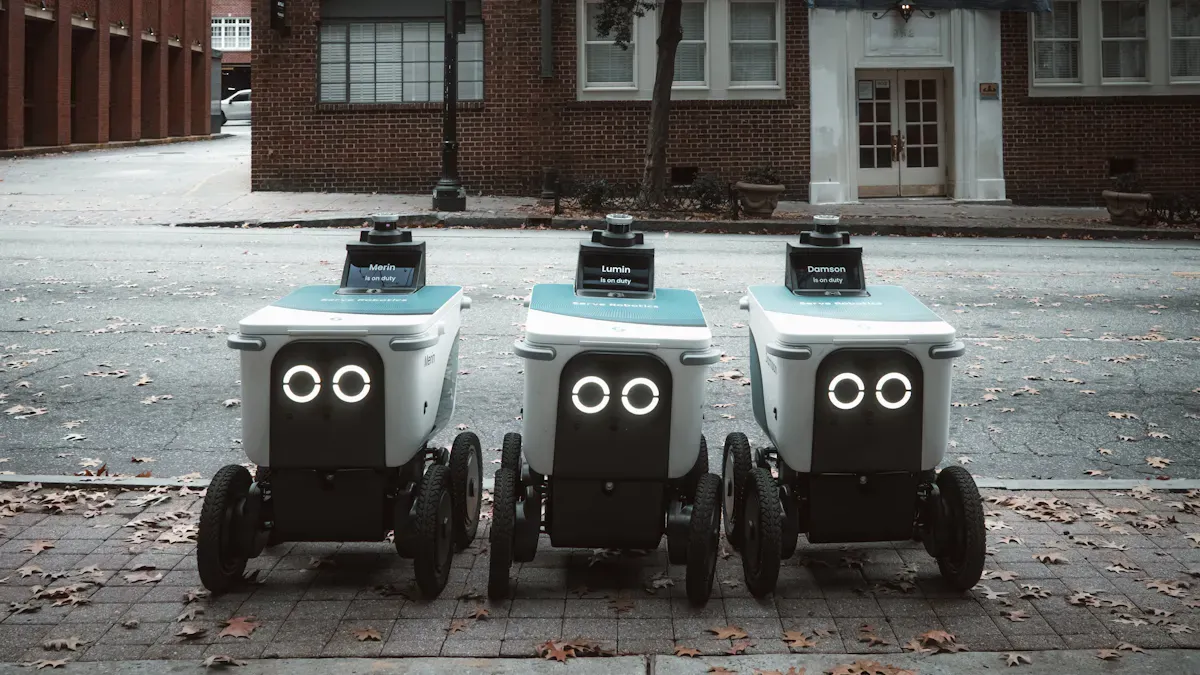
You can now access essentials on your campus at any hour with autonomous stores. This technology uses AI to speed up checkouts and improve inventory management. You do not have to wait in long lines or worry about missing store hours. Autonomous retail solutions help reduce theft and operate with minimal staff. These stores also boost sales during off-peak times because you can shop when it fits your schedule.
Key Takeaways
Autonomous stores provide 24/7 access, allowing students to shop whenever they need, enhancing convenience.
AI technology enables checkout-free shopping, eliminating long lines and making the shopping experience faster and more enjoyable.
Flexible pop-up stores can be set up quickly to meet changing campus needs, providing essential items where and when they are needed.
Switching to autonomous stores can significantly reduce theft and increase revenue, benefiting both students and campus retailers.
Integration with campus systems allows for seamless payments and access, making shopping easier and more efficient for students.
Campus Retail Challenges
Limited Hours and Staffing
You often find that campus retail stores do not stay open when you need them most. Many stores close early or open late, which makes it hard for you to buy essentials at your convenience. Staffing shortages make this problem worse. When there are not enough workers, stores may reduce their hours or close for parts of the day. High employee turnover also affects your experience. New staff members may not know the store well, which can lead to mistakes and slow service.
Inconsistent product availability frustrates you and other shoppers. You may not find your favorite snacks or dietary-specific items when you visit.
Supply fluctuations can make it hard for stores to keep shelves stocked, which lowers your satisfaction.
Long checkout lines happen when there are not enough staff members. This wastes your time and can make you avoid shopping at these stores.
Unattractive work hours, like early mornings or late nights, make it hard for stores to hire and keep good employees. Seasonal breaks, such as summer or winter holidays, create even more gaps in staffing. These challenges make it difficult for campus retail to provide a smooth and reliable shopping experience.
Security and Shrinkage Issues
You may not realize that theft is a big problem for campus retail stores. Shrinkage, which means lost inventory from theft or errors, costs stores a lot of money each year. In 2022, the average shrink rate in retail environments rose to 1.6%. This increase led to about $112.1 billion in losses. Theft accounts for most of this loss, making up 65% of the total shrinkage.
The average retail shrinkage rate is about 1.4%, which equals nearly $100 billion in annual losses.
Security concerns force stores to spend more on cameras and alarms, but these tools do not always stop theft.
When stores lose money from shrinkage, they may raise prices or cut back on services. This hurts you and other students who rely on campus retail for daily needs.
Autonomous Stores as a Solution
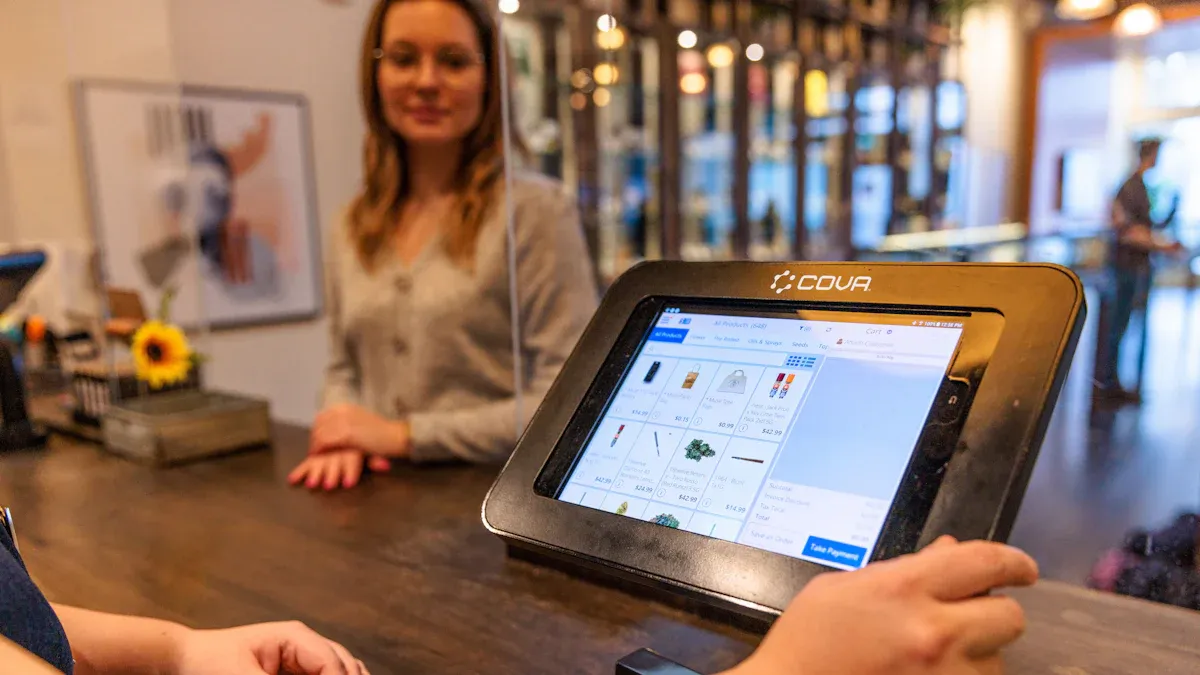
24/7 Access and Convenience
You want to shop when it fits your schedule. Autonomous stores give you this freedom. These stores stay open all day and night, so you never have to worry about missing out on essentials. You can grab a snack after a late study session or pick up supplies before an early class. This flexibility matches your busy campus life.
Tip: Autonomous stores are often placed in high-traffic spots like dorms and lecture halls. You do not need to walk far to find what you need.
Here is how autonomous stores make shopping easier for you:
Feature | Description |
|---|---|
Byte Technology’s kiosks provide continuous service without staff. | |
Security | The kiosks are designed to be theft-proof for safe, unattended operations. |
Integration | You can use your student dining card for quick payments. |
Location | Stores are placed where you spend the most time, like dorms and classrooms. |
Unattended retail is changing to meet your needs. Many campuses now use 24/7 retail solutions. You get access to food, drinks, and supplies whenever you need them. AI-powered technology helps these stores run smoothly at all hours. This means you can shop without waiting for staff or worrying about store hours.
Checkout-Free Technology
You do not like waiting in long lines. Autonomous stores use AI to remove this problem. When you enter the store, you scan your student card or a mobile app. Cameras and sensors track what you pick up or put back. AI keeps a virtual cart for you. When you leave, the system charges your account and sends you a digital receipt. You do not need to stop at a register.
Companies like AiFi and Trigo Vision use computer vision and machine learning to make this possible. Ceiling cameras and shelf sensors watch what you buy. The technology works in real time, so you get a fast and easy shopping experience. You can pay with your card, cash, or campus account. This checkout-free system gives you more time for classes and activities.
Note: Checkout-free stores on campus let you grab what you need and go. You do not have to wait in line, which makes your day less stressful.
AI-driven checkout also helps stores keep track of inventory. The system knows when items run low and can alert staff to restock. This means you find what you want more often.
Flexible Pop-Up Deployment
You see new needs pop up on campus all the time. Autonomous stores can move and adapt quickly. Mobile stores and autonomous a-pops use modular designs. You can set up a pop-up store in less than 15 minutes with just one operator. This is much faster than building a traditional store, which takes weeks or months.
Mobile stores do not need much space. They use weather-resistant, secure enclosures. You can place them indoors or outdoors. If you need to move the store for an event or a busy season, you can do it easily. This flexibility helps your campus respond to changing needs.
Autonomous pop-up stores need only a secure spot with power and internet.
Permanent builds cost more and take longer to set up.
Modular kiosks save money and time, making them perfect for dynamic campus life.
You benefit from the operations of autonomous self-driving mobile stores because they can serve different parts of campus as needed. Fully autonomous operation means you do not need staff to run the store. This keeps costs low and service reliable.
Alert: Autonomous stores offer flexibility that traditional stores cannot match. You get access to essentials wherever and whenever you need them.
Autonomous stores, powered by AI, bring flexibility, speed, and convenience to your campus. You get a better shopping experience, and your school saves time and money.
Autonomous A-POPs and Campus Integration
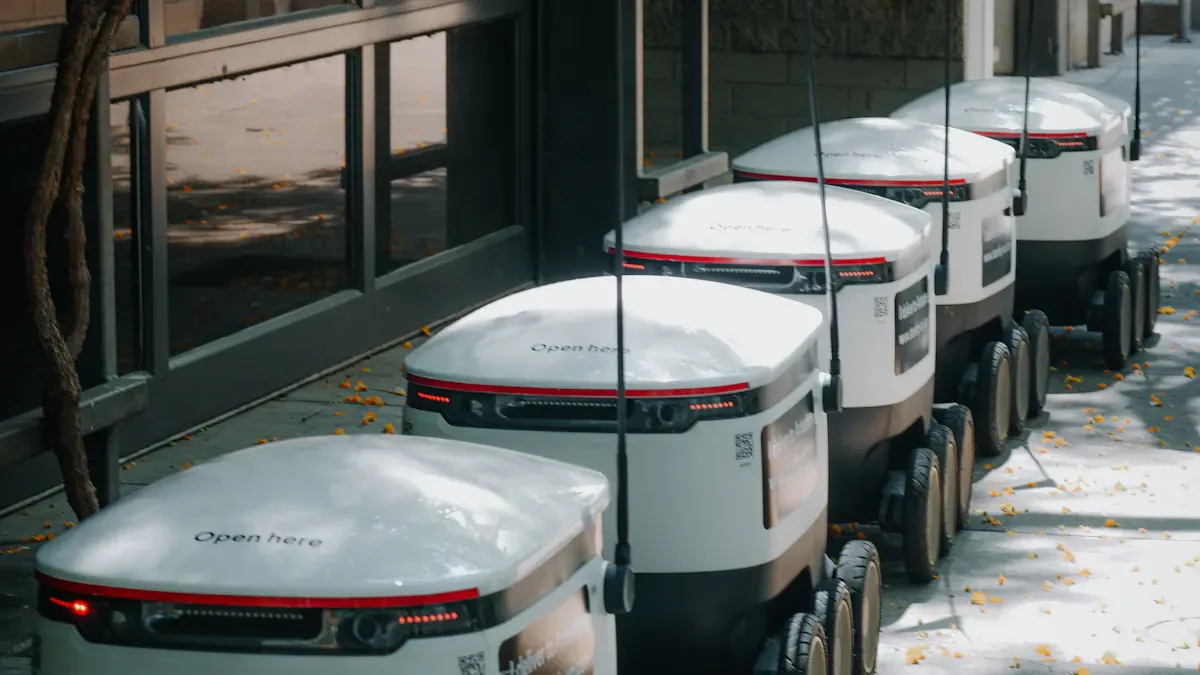
Technology and Cost Efficiency
You see many changes when your campus replaces micro markets with autonomous a-pops. These new stores use advanced technology to improve how you shop and how the system works. Micro markets often struggle with theft and errors. When you switch to autonomous a-pops, shrinkage drops to zero. You also see revenue increase by more than 50% compared to older unattended formats. Some locations now earn 3.6 times more revenue than traditional vending. Even in places where micro markets failed, autonomous a-pops succeed. These stores achieve 100% accuracy in transactions, so you do not face billing mistakes or inventory errors. This makes the system more reliable and helps your campus save money.
Shrinkage drops to 0% after switching from micro markets.
Revenue increases by over 50% compared to previous formats.
Units work well even where micro markets did not.
Integration with Campus Systems
Autonomous a-pops fit smoothly into your campus systems. You can use your student ID or digital wallet to enter and pay. The technology connects with your school’s payment and access platforms. For example, at Kent State University, you use your campus card to open the store and pay for items. The system tracks your purchases and sends you a receipt. You do not need extra apps or QR codes. The table below shows how these stores connect with your campus:
Requirement | Description |
|---|---|
Encrypted payments and real-time confirmations for every transaction. | |
Integration with Systems | Sales sync with school accounts and records. |
Digital Credentials | Accepts digital wallets and virtual student IDs for easy access. |
Enhancing Student Experience
You get a better shopping experience with autonomous a-pops. Students like having 24/7 access and no lines. The stores help reduce stress because shopping is quick and easy. AI-driven suggestions and special offers make your experience more personal. These changes lead to higher customer satisfaction. You feel more valued and supported by your campus retail system.
Real-World Impact
Revenue and Cost Savings
You can see big changes when your school uses autonomous stores. These stores help your campus earn more money and save on costs. Many universities report that revenue grows fast after switching to this technology. In some cases, you can see revenue increase by more than three times compared to old vending machines. Shrinkage, which means lost items from theft, drops to zero in areas that had problems before. You also get a strong return on investment, sometimes as high as 171%.
Here is a table that shows these results:
Metric | Value |
|---|---|
Revenue Generation | |
Shrinkage | Zero in high-theft areas |
ROI | Up to 171% |
You also save money because you need fewer workers to run the stores. Automation helps your school cut labor costs. Over 40 universities have seen more than 30% gains in labor efficiency by using autonomous technology. Experts say that new AI tools could automate up to 70% of the work in retail. This means your school can use staff for other important jobs.
Case Studies in Campus Retail
You can find many real examples of success with autonomous stores. Schools that tried mobile retail pop-up shops saw quick results. For example, one university placed a pop-up store near a busy dorm. Students shopped at all hours, and the store made more money than the old snack bar. Another school used an autonomous store in a high-theft area. After the switch, theft stopped, and students felt safer.
Tip: You can ask your campus leaders to look at these case studies when planning new retail projects.
Many schools now use these stores to serve students during late-night events or exam weeks. You get snacks and supplies when you need them most. These real-world stories show how autonomous stores improve life on campus for everyone.
You can see how autonomous stores change campus retail. These stores give you personalized shopping and help retailers improve inventory. You get fast service with fewer staff.
You enjoy longer hours and more convenience.
Retailers gain better customer insights and higher profit margins.
Challenge Type | Description |
|---|---|
Smooth connections make management easier. | |
Robust Inventory Management | Steady stock keeps your shopping experience smooth. |
You should encourage your campus leaders to try pilot programs and keep exploring new ideas.
FAQ
How do you access an autonomous store on campus?
You scan your student ID or use a mobile app at the entrance. The system unlocks the door for you. You can enter anytime, day or night.
What payment methods can you use?
You can pay with your student card, credit card, or digital wallet. Some stores also accept campus dining dollars. The system processes your payment automatically when you leave.
Are autonomous stores safe from theft?
Autonomous stores use cameras and sensors to track every item. The technology records all activity. This helps prevent theft and keeps the store secure.
Can you find special dietary items in these stores?
You often find gluten-free, vegan, and allergy-friendly snacks. The store updates its inventory based on student needs. You can suggest new products to campus retail managers.
See Also
The Future of Retail: Embracing AI-Driven Stores
Global Insights: Micromarkets Compared to Smart Retail Stores
Space-Efficient Snack Vending Machines for Contemporary Environments
Revolutionizing Online Retail Management with AI Tools
Exploring Unique Vending Machine Locations Beyond Conventional Areas
