How autonomous stores can be used as a flexible pop-up solution in Convenience store chains & small-format grocery.

You want your convenience store or small-format grocery to stay ahead. Autonomous stores give you a flexible pop-up option that lets you react fast to what customers want. These autonomous retail stores use AI and computer vision, so shoppers get a seamless experience any time—day or night. You see fewer lines, better product matching, and smarter inventory. Many grocers notice a 10-20% boost in customer satisfaction and enjoy 15-25% better efficiency. With less need for staff, you save money and adapt quickly to new retail trends.
Key Takeaways
Autonomous stores offer 24/7 shopping, allowing customers to shop anytime without waiting in line.
These stores reduce labor costs by up to 70%, enabling grocers to save money and invest in better products.
Real-time data collection helps grocers understand customer preferences, ensuring popular items are always in stock.
Autonomous pop-up stores provide flexibility, allowing brands to test new markets and ideas without long-term commitments.
Using smart technology, these stores enhance the shopping experience, making it quick, easy, and stress-free.
Autonomous Stores as Pop-Up Solutions

Defining Autonomous Stores
You might wonder what makes autonomous stores different from regular shops. These are self-serve spaces where you walk in, pick up what you need, and leave without waiting in line. Autonomous retail stores use smart technology like AI, cameras, and sensors. They track what you take and charge you automatically. You get a smooth, quick shopping trip every time.
Autonomous retail stores work well as pop-up shops. They let grocers set up shop almost anywhere—busy city corners, events, or even inside transport hubs. You do not need a big staff. The technology handles most of the work. This means you can open and close these stores fast, test new locations, and reach more customers.
Here’s a quick look at how autonomous stores compare to traditional pop-up shops:
Feature | Autonomous Stores | Traditional Pop-Up Stores |
|---|---|---|
Operation Hours | 24/7 operation | Limited hours based on setup |
Labor Costs | Reduced labor costs, up to 25% savings | Higher labor costs due to staffing needs |
Flexibility | High flexibility due to technology | Flexible but limited by temporary nature |
Consumer Engagement | Engages consumers anytime | Engages consumers through exclusivity |
Core Features of Pop-Up Stores
Pop-up stores help brands and grocers try new ideas without a long-term lease. You can test a new product or location and see what works. Autonomous retail stores make this even easier. They use real-time data and machine learning to track what shoppers like. You can change your products fast and keep up with trends.
Some key features you will find in these autonomous pop-up stores include:
Store agents and digital assistants that help you find what you need.
Biometric checkouts for fast and secure payments.
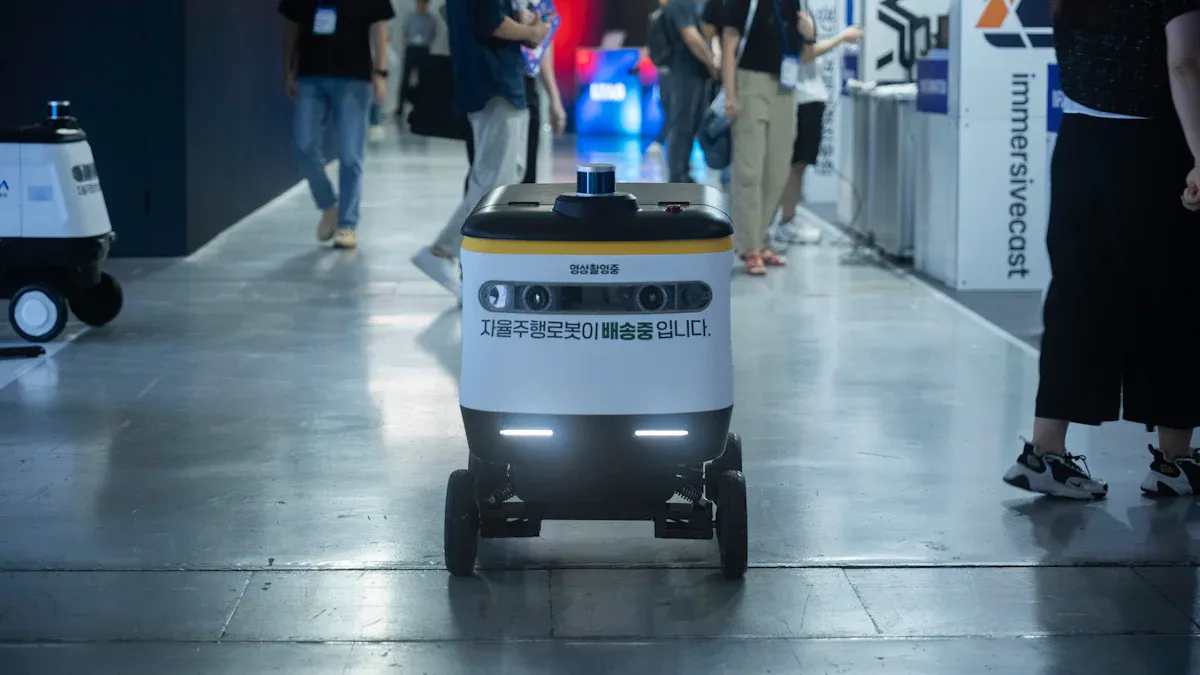
Mobile counters and delivery robots for quick service.
Emotion assessment tools that help grocers learn what makes shoppers happy.
You get a flexible, self-serve shopping experience. Grocers can save money, reach more people, and discover what customers want. This makes autonomous pop-up stores a smart choice for convenience and grocery chains looking for new ways to grow.
Benefits of Autonomous Stores
24/7 Access and Convenience
You want to shop when it fits your schedule, not just during regular business hours. Autonomous retail stores make this possible. These self-serve shops stay open all day and night, so you never have to worry about closing times. Take a look at how operating hours compare:
Store Type | Operating Hours |
|---|---|
Autonomous Stores | 24/7 |
Staffed Stores | Limited Hours (e.g., 9 AM - 9 PM) |
You get more than just longer hours. These stores save you time because you can walk in, grab what you need, and go. In busy cities, you avoid long lines. In rural areas, you find fresh produce and daily essentials even when other shops are closed. Grocers use these stores to fill gaps in local supply, making life easier for everyone. Some even partner with community groups or use mobile pop-up units to reach places that need better access.
Autonomous retail stores are a time-saving shopping alternative.
They offer 24/7 shopping accessibility, which is a big advantage for customers.
These stores help address local supply shortages, especially in rural areas.
Micro markets operate around the clock, providing access to local products at all times.
Residents can find fresh produce and daily necessities conveniently.
Cost Efficiency and Reduced Staffing
Running a store can get expensive, especially when you need to pay for staff. Autonomous retail stores use AI to handle tasks like checkout and stocking. This means grocers can cut labor costs by 60-70%. You do not need as many workers, and the technology can adjust staffing based on real-time demand. That keeps service strong without wasting money.
AI-driven automation takes care of repetitive tasks, leading to big savings.
Grocers see an average reduction in labor costs of 60-70% in autonomous store operations.
Let’s compare the numbers over five years:
Store Type | Labor Costs (% of Sales) | Gross Margins (%) |
|---|---|---|
Autonomous Stores | 3%-5% | 20%-30% |
Traditional Convenience | 10%-12% | 20%-30% |
You can see that autonomous stores help grocers keep more of their earnings. Lower labor costs mean you can invest in better products or new locations. This makes it easier for brands and grocery chains to grow without breaking the bank.
Data-Driven Inventory and Customer Insights
Grocers want to know what you like and when you want it. Autonomous retail stores use advanced tech to collect data every time you shop. This helps grocers track what sells, what sits on the shelf, and what needs restocking. The result? You find what you want, and grocers waste less.
Customer Insight Type | Inventory Optimization Strategy |
|---|---|
Hyper-Personalization | Tailored marketing messages and product recommendations |
Predictive Analytics | Accurate demand forecasting and proactive merchandising |
Sentiment Analysis | Refining offerings based on customer feedback |
Enhanced Customer Service | Improved customer interaction and support |
Accurate Demand Forecasting | Minimizing stockouts and excess inventory |
Real-time Inventory Visibility | Immediate replenishment and anomaly detection |
Automated Replenishment | Triggering orders based on stock levels |
SKU Optimization | Identifying top-performing SKUs and reducing waste |
Loss Prevention | Detecting theft and irregularities in inventory levels |
When grocers use these insights, they keep shelves stocked and avoid running out of popular items. For example, Old Navy used AI-powered tracking in over 1,200 stores and saw fewer out-of-stocks and better order fulfillment. Studies show that 73% of shoppers get frustrated when items are missing. AI-driven inventory management helps grocers keep the right products available, boosting sales and cutting down on markdowns.
AI systems analyze real-time data to make sure the right product is available at the right time.
This approach boosts revenue and reduces waste for grocers.
Enhanced Shopping Experience
Shopping should feel easy and stress-free. Autonomous retail stores deliver a self-serve experience that puts you in control. You skip the checkout line, pay automatically, and get on with your day. Grocers use AI to watch for theft and keep inventory accurate, so you always find what you need.
Benefit | Description |
|---|---|
No checkout lines, saving time and reducing stress. | |
Increased Operational Efficiency | Staff can focus on higher-value tasks instead of checkout. |
24/7 Operation Potential | Shop whenever you want, day or night. |
Rich Data Insights | Stores learn from your shopping habits to improve layout and product selection. |
Reduced Shrinkage and Theft | AI monitoring keeps inventory accurate and reduces losses. |
Grocers and brands use these self-serve stores to test new ideas and adapt quickly to trends. The data they collect helps them improve your experience and discover what you want next. This makes every visit feel fresh and tailored to you.
Tip: If you want a shopping trip that is fast, flexible, and always available, autonomous retail stores are the way to go.
Autonomous stores give grocers and brands the tools to adapt, save money, and create a better experience for you. Whether you shop in a city or a small town, these self-serve pop-up shops make life easier and more convenient.
Implementing Pop-Up Stores
Technology Requirements
You want your pop-up to run smoothly, so you need the right tech. Autonomous retail stores rely on a mix of smart systems to create a frictionless experience. Here’s a quick look at the main technology components:
Technology Component | Description |
|---|---|
Inventory Tracking | Uses AI sensors, cameras, and RFID for real-time stock monitoring. |
AI Integration | Deep learning updates inventory and predicts what shoppers want. |
Automation Systems | Robots and conveyors help restock and move products efficiently. |
Environmental Awareness | Overhead cameras and LiDAR map the space and track customer movement. |
User Interfaces | Shelf displays and biometric check-ins make shopping easy and secure. |
Supply Chain Integration | Direct API links to suppliers keep shelves full with just-in-time delivery. |
You also need checkout-free technology, self-checkout kiosks, and contactless purchasing options. These tools let you offer a just walk out, unattended shopping experiences that feel modern and safe. While the upfront cost for this tech can seem high, you save money over time. Automation reduces labor costs, improves inventory management, and helps you use your space more efficiently.
Site Selection and Market Testing
Choosing the right spot for your pop-up activations is key. You want to go where foot traffic is high and where your grocery or retail brand can stand out. Many grocers use limited-time activations to test new markets. You can set up a temporary by design store in a busy area, watch how people shop, and get feedback fast.
Elyse Walker’s team hosts pop-up events in new cities before signing a lease. “It’s a temperature check, and a way for us to get customer feedback, too,” says Holl. “If we’re seeing that this customer is only shopping denim and sweatshirts, then we’d know it’s not a good market for us. We want to see jewellery and handbag sales.”
Pop-ups are perfect for new product discovery. They attract curious shoppers and give you a chance to learn what works. You can use these stores as testbeds for innovative shopping experience ideas and new business models.
Operational Considerations
Running a self-serve, autonomous pop-up means you need to plan for more than just tech and location. You want every store experience to feel the same, no matter where you set up. Here are some best practices:
Design a consistent store experience across all locations.
Build a strong app that makes shopping and contactless payments easy.
Offer flexible payment options for everyone.
Use cloud-based platforms for agility and scalability.
Grocers and brands who follow these steps see better results. You can react quickly to trends, keep costs low, and create a self-serve, checkout-free store that feels fresh and exciting. With the right setup, you turn every pop-up into a discovery zone for your customers and a growth engine for your business.
Real-World Success Stories
Case Studies from Retail Chains
You see more grocers and brands trying autonomous retail stores as pop-up solutions. One grocery chain set up a self-serve pop-up store at a busy transit station. Shoppers walked in, grabbed snacks, and checked out without waiting. The store stayed open all night, so commuters could shop anytime. Another retail brand launched a pop-up in a city park. They used fewer cameras and simple technology, which made setup quick and kept costs low. Customers liked the privacy and easy shopping experience.
Here’s a quick look at what these stores achieved:
Store Location | Hours Open | Customer Feedback | Tech Used |
|---|---|---|---|
Transit Station | 24/7 | Fast, easy, private | Simple sensors |
City Park | 7 AM-11 PM | Fun, flexible, secure | Fewer cameras |
You notice that grocers can reach new markets and test ideas without a big investment. These pop-up stores help brands learn what shoppers want and adjust quickly.
Lessons Learned and Best Practices
You want your autonomous pop-up to succeed. Grocers have learned a few important lessons:
Improve customer experience by using autonomous checkout. You avoid long lines and poor service.
Respect privacy. Stores gather purchasing data but do not collect personal identification.
Keep your brand identity. Flexible tech lets you design a store that fits your style.
Integrate autonomous checkout with your current systems. You get a competitive edge.
Use fewer cameras and simple tech. This reduces costs and makes maintenance easier.
Tip: You can create a self-serve store that feels safe and personal. Shoppers appreciate privacy and quick service.
Grocers now know that autonomous retail stores work best when you focus on customer needs. You build trust by protecting privacy and offering a smooth shopping trip. Brands and grocery chains can use pop-up stores to test new markets, save money, and grow faster.
You see how autonomous pop-up stores help grocers stay flexible and grow fast. These stores save you time, cut costs, and let you shop any hour. Here’s why they stand out:
Shoppers get quick, contact-free service.
Stores stay open 24/7 and use less energy.
Brands can test new ideas and reach more people.
You can use these stores to keep up with trends and give your customers a better experience. Now is the time to explore this smart retail solution.
FAQ
What is an autonomous pop-up store?
You walk into an autonomous pop-up store, grab what you want, and leave. The store uses smart tech to track your items and charges you automatically. No lines, no cashiers, just quick shopping.
How do you pay in an autonomous store?
You pay with your phone or a card. Some stores use apps or biometric check-ins. The system charges you as soon as you leave. You get a receipt right away.
Are autonomous stores safe and private?
Yes! These stores use cameras and sensors to track products, not people. Your personal data stays safe. Most stores do not collect your identity, just your purchases.
Can you use these stores in small towns?
Absolutely! You can set up autonomous pop-ups in rural areas. They help you reach more customers and fill gaps where regular stores might close early or not exist.
See Also
Comparing Micromarkets And Smart Stores In Global Retail
The Future Of Retail Lies In AI-Driven Stores
Understanding The Growth Of AI-Enhanced Corner Stores
Analyzing Walgreens Self-Checkout: Benefits And Hurdles In Retail
How Time Out Corner Stores Are Transforming Urban Convenience
