How autonomous stores enable new revenue models in Convenience store chains & small-format grocery.

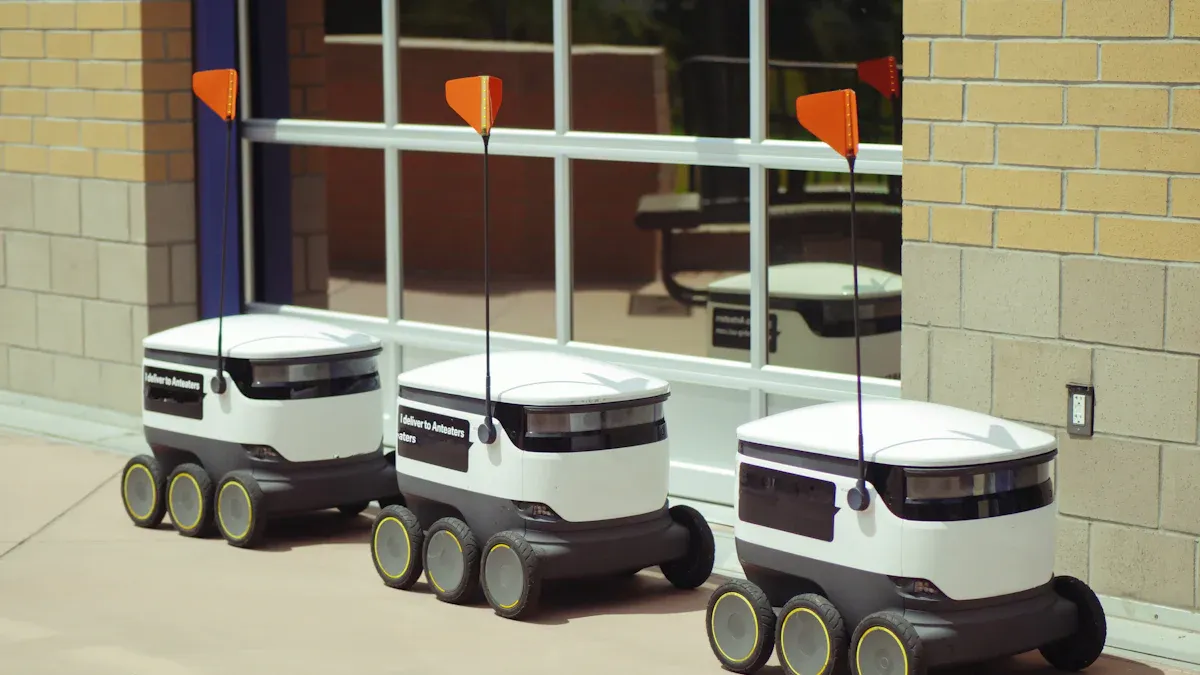
You see autonomous stores changing how you shop and how retailers make money. With autonomous retail, you experience quicker checkouts and lower prices because automation cuts labor costs by up to 30%. Many chains now focus on private labels, which bring in more revenue and help stores stand out. Some consumers still prefer staffed locations, but you benefit from faster service and personalized offers.
Store Example | AI Feature | What You Experience |
|---|---|---|
Zippin | Computer vision tracks your items | Shop in 20 seconds, not 20 minutes |
Casey's General Stores | Conversational AI for orders and rewards | Personalized deals and suggestions |
Key Takeaways
Autonomous stores use smart technology to speed up shopping and reduce costs. This leads to quicker checkouts and lower prices for you.
AI-powered automation helps stores manage inventory and track customer behavior. This means fewer mistakes and a smoother shopping experience.
24/7 operations allow you to shop anytime, increasing convenience and sales for stores. You benefit from more access and flexibility.
Personalized offers based on your shopping habits can increase your satisfaction. Stores that use data to tailor experiences see more repeat customers.
Investing in staff training and clear communication is essential for a smooth transition to autonomous systems. Your feedback can help improve the shopping experience.
Autonomous Store Technologies
AI-Powered Automation
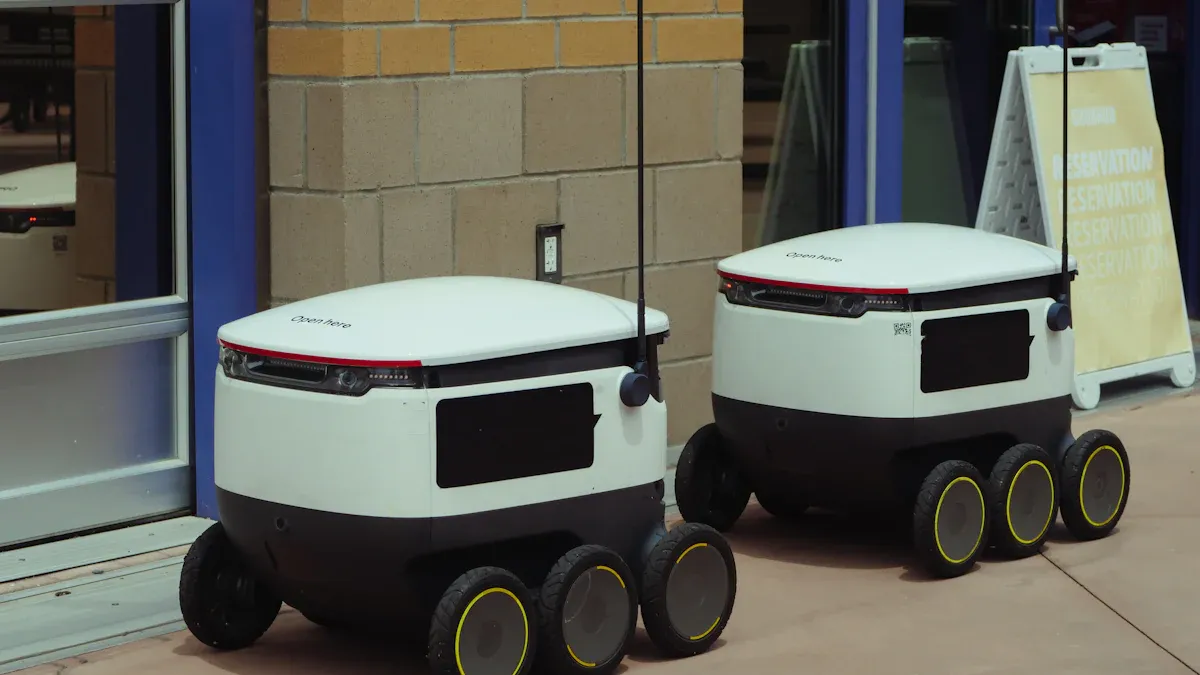
You see ai-powered automation at the heart of every autonomous store. This technology uses smart systems to manage inventory, track customer behavior, and optimize store operations. When you walk into a store, sensors and cameras work together to identify products and monitor shelves. Smart shelves help you find what you need and alert staff when items run low. Conversational AI systems can answer your questions or help you place orders. These tools make your shopping experience smoother and help stores reduce mistakes and waste.
According to industry reports, ai-powered automation can cut operational costs by 20–30% and boost efficiency by over 40%. Most executives plan to invest in these solutions because they see real savings and better performance.
Automated Checkout Systems
Automated checkout is changing how you pay for groceries. You no longer need to wait in long lines. Self-checkout stations and frictionless checkout models, like Just Walk Out technology, let you scan items or even walk out with your purchases while the system charges you automatically. This process saves you time and makes shopping less stressful.
Automated checkout systems:
Reduce queues and speed up transactions.
Allow staff to focus on restocking and helping with special requests.
Increase customer satisfaction and encourage you to return.
Studies show that faster service leads to happier shoppers. Automated checkout also helps stores lower labor costs and operate more efficiently. In autonomous retail, these systems are essential for delivering a seamless experience.
Retail Model | Operational Costs | Revenue Potential |
|---|---|---|
Autonomous Retail | Higher scalability and revenue in low-margin categories | |
Attended Retail | Ongoing labor costs | Higher revenue per transaction through relationship selling |
Remote Monitoring Tools
Remote monitoring tools keep your store safe and efficient. Enhanced video surveillance and AI-powered analytics watch for theft and unusual behavior. These systems send real-time alerts to staff if something looks wrong. Many retailers use these tools to reduce shrinkage and protect assets.
You benefit from a safer shopping environment, and stores see fewer losses from theft. With automation, you get peace of mind and stores gain better control over their operations.
Autonomous retail relies on ai-powered automation, automated checkout, and remote monitoring to deliver a modern, efficient, and secure shopping experience.
New Revenue Streams in Autonomous Retail

24/7 Operations
You can shop at autonomous stores any time, day or night. These stores use automation to stay open 24/7, so you never have to wait for opening hours. This model helps convenience store chains and small-format grocery locations serve more customers and capture sales that would be missed during closed hours. Automation also reduces the need for overnight staff, which lowers labor costs and increases profits.
Many companies use a hybrid staffing model. Staff work during busy times, and the store runs unmanned at night. This approach lets you shop when you want and helps stores save money.
Here is how 24/7 operations benefit you and the store:
Benefit | Description |
|---|---|
Improving Customer Speed | A frictionless checkout or instant vending experience directly correlates with customer satisfaction. |
Enhancing Accuracy | Automation minimizes human error in pricing, stock count, and transaction processing. |
Automated systems can operate around the clock, allowing retailers to meet customer demand outside of traditional store hours. |
You get more convenience, and stores see higher sales and better use of their space.
Flexible Expansion with Micro Shops
Autonomous retail lets you open new micro shops quickly and test new locations with less risk. You can find these small-format grocery stores in office buildings, schools, or transit hubs. They need less staff and can run with fewer resources, making them perfect for convenience chains that want to grow fast.
Retailers use micro shops to reach more customers and try new models without big investments. You enjoy more choices and faster shopping, while stores see better results.
Metric Category | Description |
|---|---|
Operational Efficiency | Reduced manual tasks, improved asset use |
Engagement Quality | More time spent shopping, higher conversion rates |
Revenue Acceleration | Shorter sales cycles, bigger deals, better win rates for personalized offers |
Shoppers appreciate the convenience and speed.
Round-the-clock access meets every schedule.
More product choices attract new customers.
Lower costs can mean better prices for shoppers.
Small-format grocery stores lead retail innovation. You see new layouts and payment systems that make shopping easier. These changes attract tech-savvy shoppers and set trends in your community.
Data-Driven Upselling
Autonomous stores use data to learn what you like and suggest products you may want. When you shop, the system tracks your choices and offers personalized deals. This approach increases the chance you will buy more and return often.
Ninety-one percent of shoppers say they prefer brands that give them tailored offers and recommendations.
Personalization builds loyalty and keeps you coming back.
You get deals that match your needs, and stores see more repeat purchases.
Personalization in autonomous retail makes your experience better and helps stores grow their revenue.
Service Diversification
Autonomous retail opens the door to new services that go beyond traditional shopping. You can use cashier-less stores, virtual try-ons, and even chat with AI assistants for help. These features make your shopping trip more engaging and efficient.
Autonomous stores like Amazon Go use advanced technology to streamline your experience.
GenAI tools let you try products virtually or create personalized avatars.
AI-driven checkout systems make transactions faster and safer.
Amazon’s Rufus Shopping Assistant helps you find products through conversation.
Alibaba’s shopping chatbots answer your questions and guide you.
eBay’s Magical Listing Tool helps sellers create better product listings.
Some convenience chains use machine learning to manage fresh products and weather-sensitive items. For example, One Stop improved product availability by 8.5% without increasing spoilage. AI-based forecasting also helps stores keep shelves stocked and customers happy.
You benefit from more choices and better service. Stores gain new ways to serve you and increase their revenue.
Case Studies and Success Stories
Leading Autonomous Store Chains
You can see how top retailers use autonomous technology to grow their business. Companies like Sainsbury’s, Ocado, and Walmart have shown strong results. They use AI to offer personalized promotions and manage inventory better. These changes help them sell more and run stores more efficiently.
Company | Revenue Growth | Operational Efficiency Improvements |
|---|---|---|
Sainsbury's | Increased sales through personalized promotions | Improved inventory efficiency and workforce allocation |
Ocado | Higher order fulfillment and better experiences | Reduced order times and lower labor costs |
Walmart | 10-15% reduction in inventory costs, better forecast accuracy |
You benefit from faster service and more choices. Stores see higher sales and lower costs.
Small-Format Grocery Examples
Small-format grocery stores use autonomous systems to make shopping easier for you. These stores track what you buy and suggest products you might like. They also use smart shelves and sensors to keep items in stock. You get a quick and smooth shopping trip every time.
Key performance indicators (KPIs) help measure success in these stores:
KPI | Description |
|---|---|
Shows how much sales increase with AI | |
Inventory Turnover Rates | Tracks how well stores manage stock |
Customer Satisfaction Scores | Measures how happy you feel with your shopping experience |
Conversion Rate | Shows how many shoppers buy after seeing personalized offers |
Sales Velocity | Measures how fast sales happen with real-time pricing |
You notice better deals, less waiting, and more products you want.
Lessons from Early Adopters
You can learn from stores that started with autonomous retail early. They found that using RFID and LiDAR helps keep inventory safe and accurate. RFID lets stores check stock quickly and stop losses. LiDAR creates 3D maps and spots unusual activity.
Here are steps you can follow for success:
Start with a small pilot to test and learn.
Focus on making your shopping experience great.
Train AI systems often for better results.
Keep some staff to help and answer questions.
Protect your data and privacy.
You should also:
Maintain your tech for reliability.
Train staff to work well with new tools.
These lessons help you get the most from autonomous stores.
Customer Experience and Operational Impact
Efficiency Gains
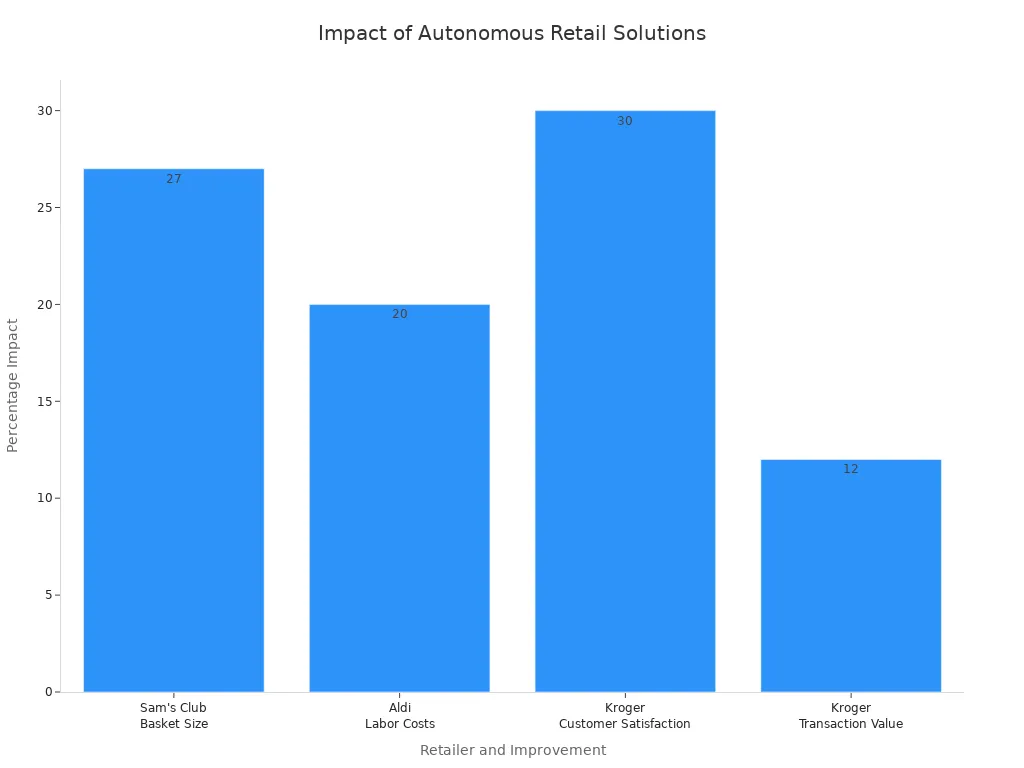
You notice big improvements in efficiency when you shop at autonomous stores. These stores use robotics and smart technology to handle many tasks. You see shelves that restock themselves and checkout that happens in seconds. This makes your shopping faster and easier. Stores like Sam’s Club and Aldi have seen a 27% increase in basket size and a 20% reduction in labor costs. Kroger reports a 30% rise in customer satisfaction and a 12% boost in transaction value.
Retailer | Improvement Type | Percentage/Impact |
|---|---|---|
Sam's Club | Increased basket size | 27% increase |
Aldi | Reduced labor costs | 20% reduction |
Kroger | Increased customer satisfaction | 30% increase |
Kroger | Boosted transaction value | 12% increase |
You benefit from 24/7 self-service and shorter lines. Stores use digital workers to manage product assortment and pricing in real time. This leads to better operational efficiency and higher sales. Alibaba’s Tmall Future Store and the Zhida Bookstore both saw sales jump after adding automation. You get more convenience, and stores see better results.
Personalization and Loyalty
Personalization makes your shopping experience unique. Autonomous stores use data to learn what you like and suggest products just for you. You receive offers that match your needs, which makes you feel valued. Surveys show that 80% of shoppers prefer personalized experiences. When you get deals that fit your tastes, you are more likely to return.
Empathetic service and smart technology help you trust the store. You enjoy a blend of digital tools and human support. This mix builds loyalty and keeps you coming back.
You see that customer satisfaction rises when stores focus on personalization. Stores that use these features stand out and create lasting connections with you.
Challenges and Adaptation
You may face some challenges as stores switch to autonomous models. Technical issues can happen when AI does not understand human behavior or when sensors miss items. Some shoppers need help learning how to use new systems. Stores must invest in staff training and clear communication to make the change smooth.
High startup costs can slow down adoption, but phased rollouts help manage spending.
Operations teams must keep systems running and protect data from cyber threats.
Employees often move into new roles, such as customer service or tech support.
Tip: Stores that train staff and update their systems often see better customer satisfaction and smoother operations.
You play a key role in this change. Your feedback helps stores improve efficiency and create a better customer experience.
You see autonomous stores creating new ways for you to shop and for retailers to earn more. These stores use smart technology to boost efficiency and cut costs. If you want to start, follow these steps:
Set up hardware and connect your systems.
Train your team and test everything.
Launch your store and keep improving.
Here are trends you should watch:
Trend Description | What to Expect |
|---|---|
Shoppers visit convenience stores more often. | |
Focus on Foodservice | Stores offer more fresh food and drinks. |
Health and Wellness | Products support your well-being and lifestyle. |
Autonomous stores help you stay ahead and grow your business.
FAQ
What is an autonomous store?
You shop in an autonomous store without cashiers. Smart cameras, sensors, and AI track what you pick up. You pay automatically when you leave. This makes shopping faster and easier.
How do autonomous stores keep my data safe?
Stores use encryption and strict security rules to protect your data. They follow privacy laws and update systems often. You can ask how your information gets used.
Can I still get help from staff in an autonomous store?
You can find staff during busy hours or if you need help. Many stores use a hybrid model. Staff answer questions, restock shelves, and help with problems.
What if I have trouble with automated checkout?
You can use help buttons or call for staff.
Stores train workers to solve checkout issues fast.
Many stores also offer clear instructions on screens.
See Also
Comparing Micromarkets And Smart Stores In Global Retail
The Future Of Retail Lies In AI-Driven Stores
Understanding The Growth Of AI-Enhanced Corner Stores
