How autonomous stores reduce queues and waiting time in Universities & campus retail.


You experience faster lines and less waiting time when you visit autonomous stores on campus. These stores use smart AI-powered stores to reduce queues, making your shopping experience quick and easy. You enjoy 24/7 access, so you can pick up what you need anytime. The convenience and efficiency help students, staff, and managers. Many students feel safer and more satisfied with this seamless shopping experience.
Benefit | Description |
|---|---|
24/7 Access | Students can quickly access essentials at any time, enhancing their shopping experience. |
Reduced Shopping Time | Autonomous stores have cut shopping time by half, allowing for more efficient use of time. |
Enhanced Student Experience | The seamless shopping experience contributes to higher satisfaction and increased usage rates. |
Operational Efficiency | Automation reduces manual labor and operational costs, improving overall campus retail efficiency. |
Health Safety | Advanced security features and automated payment systems enhance safety while shopping. |
Key Takeaways
Autonomous stores provide 24/7 access, allowing students to shop whenever they need, enhancing convenience.
Automated self-checkout systems significantly reduce wait times, making shopping faster and more enjoyable.
AI inventory management ensures shelves are stocked, preventing frustration and improving the shopping experience.
Shopping during off-peak hours can help you avoid long lines and make your experience smoother.
Staff roles shift to focus on customer support and inventory management, enhancing service quality in autonomous stores.
Why Queues Form in Campus Retail
Peak Hours and Student Traffic
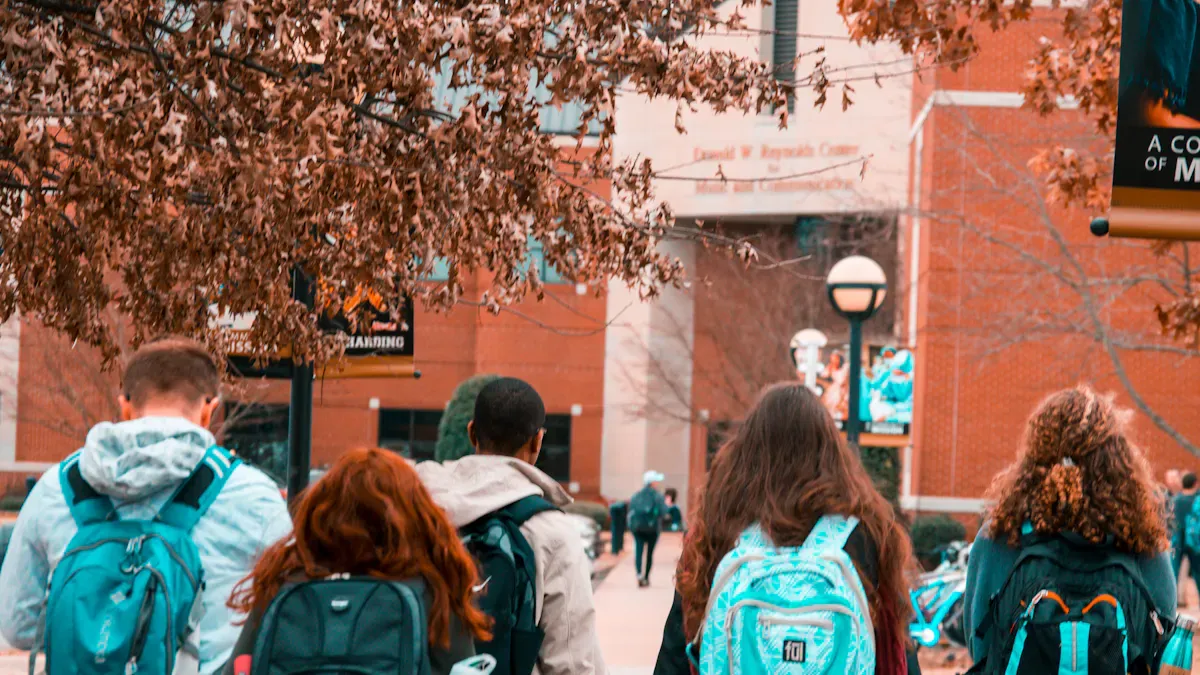
You notice the busiest times on campus often create long lines at retail stores. Many students visit shops between classes, during lunch breaks, or before events. Arrival variability increases congestion, especially during holidays or special occasions. The table below shows the main factors that lead to crowding:
Factor | Description |
|---|---|
Arrival Variability | Fluctuations in customer arrivals during peak times, such as holidays, lead to congestion. |
Service Capacity | Limited ability to serve customers efficiently increases queue formation. |
Structuring the Queueing Environment | Physical structures like stanchions help manage customer flow and reduce chaos. |
Consumer Behavior under Scarcity | Students accelerate movement and reduce personal space, increasing density. |
Preference for Serpentine Queues | Clear boundaries help manage perceived fairness and uncertainty. |
Tip: You can avoid the longest lines by shopping during off-peak hours.
Manual Checkout Delays
Manual checkout processes slow down your shopping experience. You wait while cashiers scan items and process payments. Long checkout lines cause frustration and waste time for students. Frictionless shopping eliminates the need for checkout queues, allowing you to leave without stopping to scan items. Many students prefer stores that offer faster, automated options.
Long checkout lines waste time and cause frustration.
Frictionless shopping lets you leave without waiting in line.
Automated systems speed up transactions for students.
Limited Staffing
Limited staffing affects how quickly you move through the checkout process. When stores do not have enough employees, queues grow longer and waiting time increases. The table below shows how staffing impacts queue length and service levels:
Metric | Description |
|---|---|
Target MAPE below 8-12% on weekdays; tighten to 5-10% during major events. | |
Queue length and service level | Predict fewer than 10 people in queue at 90% of peak hours; trigger contingency staffing if forecast exceeds threshold. |
Staff utilization | Align hourly staffing with forecasted demand to achieve 75-85% utilization without overstaffing; flag hours with less than planned coverage. |
You see longer lines when stores do not match staffing to demand. Students experience delays during peak hours, especially when coverage falls below planned levels.
How Autonomous Stores Reduce Queues
Cashier-less Checkout
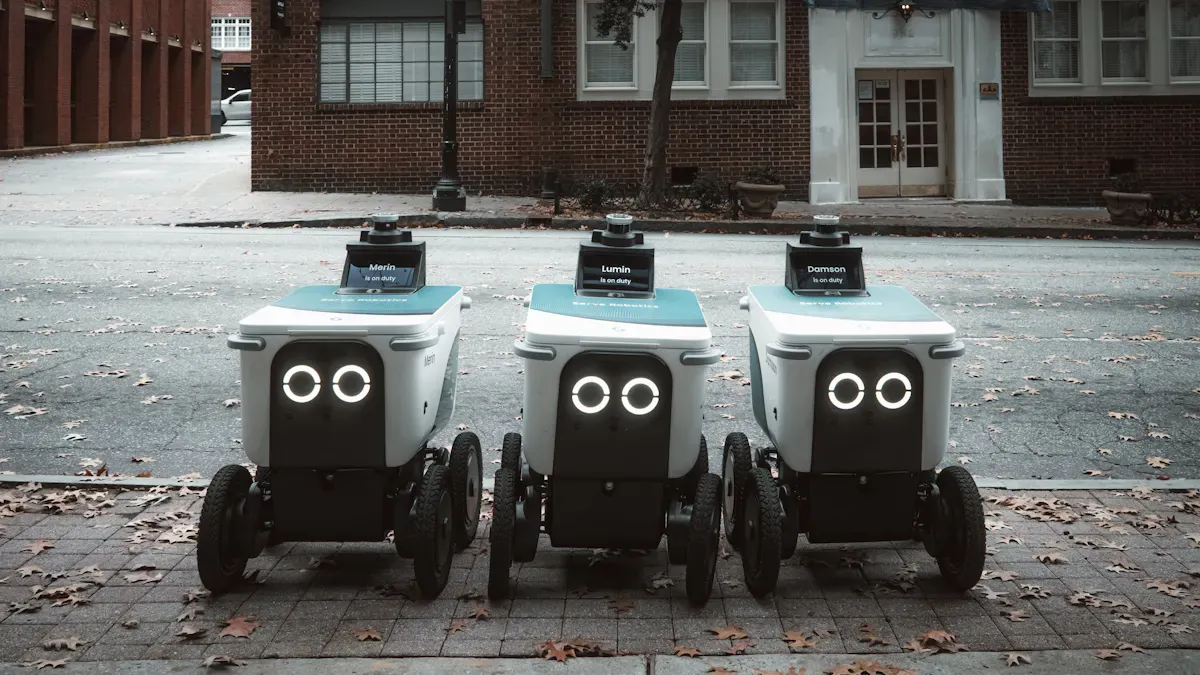
You step into autonomous stores and notice the difference right away. Automated self-checkout systems let you scan and pay for items without waiting for a cashier. These stores use advanced technology like computer vision, sensor fusion, and artificial intelligence to track your purchases and speed up the process. You finish shopping in half the time compared to traditional stores. Fewer people stand in line, which makes your shopping experience smoother and less stressful.
Statistic | Value |
|---|---|
Reduction in wait times | |
Increase in customer satisfaction | 35% increase |
Reduction in customers in process | 51% reduction |
Improvement in cycle time | 51% improvement |
Automated self-checkout eliminates the need for manual checkout processes. You enjoy faster service and greater convenience. Self-checkout technologies help reduce queues and waiting time, which leads to higher customer satisfaction. Studies show that customers appreciate the autonomy and control provided by automated checkout. You avoid long lines and complete transactions quickly, making your shopping experience more enjoyable.
Tip: You can use automated self-checkout to save time and avoid frustration during busy hours.
24/7 Access and Convenience
Autonomous stores offer 24/7 access, so you can shop whenever you need. You do not have to worry about store hours or missing out on essentials. This flexibility supports students who have unpredictable schedules or need emotional support at any time. You benefit from virtual health care and support, even if you are not on campus.
24/7 access gives you the freedom to shop at your convenience.
You receive support in critical situations, which improves your overall shopping experience.
Autonomous stores provide faster service and reduce queues, especially during late hours or emergencies.
You experience greater convenience and efficiency. Automation allows stores to operate without traditional staffing, which improves operational efficiency and reduces waiting time. You enjoy a seamless shopping experience, whether you need snacks, supplies, or health products.
AI Inventory Management
AI inventory management systems track product levels and alert staff when items need replenishing. You find shelves stocked with the products you want, which reduces waiting time and prevents frustration. The replenishment system ensures optimal inventory levels, so you do not have to wait for restocking.
AI analyzes historical sales data and external factors to predict future demand. You benefit from accurate demand forecasting, which transforms inventory management from guessing to science. Retailers stock products more effectively, which helps reduce queues and improves your shopping experience.
You notice that automated self-checkout and inventory systems work together to minimize queues. Automation keeps shelves full and checkout processes fast. You spend less time waiting and more time enjoying campus life.
Technology | Description |
|---|---|
Computer Vision | High-resolution cameras monitor customer movements and product interactions, providing real-time data. |
Sensor Fusion | Combines data from various sensors to create an accurate understanding of store activities. |
Artificial Intelligence | Processes data from cameras and sensors, continuously learning to improve accuracy and minimize errors. |
Autonomous stores use these technologies to reduce queues and waiting time. You experience enhanced customer satisfaction and a more efficient shopping process. Staff focus on higher-value tasks, which improves campus operations.
Evidence | Description |
|---|---|
Convenience | Autonomous stores provide a shopping experience without traditional checkout processes, saving time for students. |
Increased Sales | The University of Denver reported increased sales after implementing the eat>NOW concept. |
Enhanced Student Experience | 56% of Gen Z students desire engaging shopping experiences, which eat>NOW provides through its innovative design and technology. |
You see that autonomous stores transform campus retail. Automated self-checkout, 24/7 access, and AI inventory management work together to reduce queues and waiting time. Students enjoy a faster, more convenient shopping experience. Campus operations become more efficient, and staff roles shift to support and maintain these systems.
Note: Shorter queues and automated self-checkout lead to higher satisfaction and a better shopping experience for students.
AI-Powered Stores and Waiting Time Reduction
AI Queue Management
You see how ai-powered stores use queue management to reduce queues and waiting time. These stores track customer flow with real-time data. Sensors and cameras watch how students move through the store. The system predicts busy times and adjusts operations. Queue management helps you avoid long lines. You get alerts or suggestions about the best times to shop. Automation keeps customer flow steady, so you spend less time waiting. Staff can focus on helping students instead of managing lines. Queue management also improves operational efficiency for campus stores.
Fast Transactions and Seamless Shopping
You enjoy a fast shopping experience in ai-powered stores. Self-checkout systems use automation to scan items quickly. You do not need to wait for a cashier. The store recognizes your products and applies discounts right away. You pay automatically and leave without stopping. This seamless shopping experience saves you time. Ai-powered stores use real-time data to spot problems and fix them fast. You feel safe because the system checks for fraud during transactions. Self-checkout and automation make your shopping experience smooth and secure. You get more convenience and efficiency every time you shop.
Ai-powered stores enhance efficiency and customer experiences in grocery shopping.
Automation eliminates traditional checkout pain points, making transactions faster and more convenient.
Cashier-less stores let you shop without waiting in line, with automatic payment processing.
Self-checkout systems recognize products and apply discounts instantly, speeding up the checkout process.
Ai-powered stores use image recognition to scan items, reducing queues.
Data-Driven Inventory Optimization
Ai-powered stores use inventory management to keep shelves stocked. Real-time data shows what products students buy most. The system predicts when items will run out. Staff get recommendations to restock before products are gone. Inventory management uses automation to order new items. You always find what you need, which improves your shopping experience. Ai-powered stores use customer flow and shopping patterns to make recommendations for new products. Personalization helps you discover items you like. Inventory management also reduces waste and saves money for campus stores. You benefit from better inventory and more choices.
Feature | How It Helps You |
|---|---|
Real-time data | Keeps inventory updated |
Recommendations | Suggests products you may like |
Personalization | Offers deals based on your preferences |
Automation | Restocks shelves before items run out |
Inventory management | Ensures you always find essentials |
Ai-powered stores use queue management, self-checkout, and inventory management to reduce queues and waiting time. You get a better shopping experience with more convenience, efficiency, and personalization.
Implementing Autonomous Stores on Campus
Planning and Infrastructure
You start by planning the layout and technology for autonomous stores. You need to choose locations that students visit often. You install self-checkout kiosks and sensors to track inventory. You connect the store to campus systems, such as student ID cards and payment methods. You make sure the store has accessible touchscreens and wider aisles for students with disabilities. Adjustable kiosks help everyone use the technology easily.
Feature | Description |
|---|---|
Accessible Touchscreens | Allow students with disabilities to interact easily with the store's technology. |
Wider Aisles | Facilitate movement for students using mobility aids. |
Adjustable Kiosks | Enable customization for various user needs, enhancing the shopping experience. |
Tip: Start small and expand as you learn more about automation and retail automation. Training and understanding take time, but you gain immense value in the end.
Costs and Scalability
You consider costs before launching autonomous stores. You pay for operating costs, integration with campus systems, and ongoing maintenance. You invest in technology to keep inventory accurate and support self-checkout. You scale the solution across campus as needs change. Flexible automation adapts to student preferences and improves operational efficiency. You enjoy unattended operations and 24/7 access, which enhances the shopping experience.
Operating costs drive innovation in autonomous stores.
Integration costs connect stores to campus systems for efficiency.
Maintenance costs keep hardware and software running smoothly.
Scalable solutions adapt to changing needs and preferences.
Enhanced experience comes from integration and personalization.
Staff Roles and Support
You see staff roles change with automation. Staff focus on managing inventory, overseeing store operations, and helping students. They no longer spend time at cash registers. Staff engage with students and personalize the shopping experience. You rely on support systems to handle technical challenges and maintain efficiency. Staff receive training to use automation and self-checkout systems. You protect consumer data with strict access controls and regular security awareness training. You monitor systems for unusual activity and update software often. You use multi-factor authentication and segment networks to prevent unauthorized access. You comply with regulations to keep students safe.
Note: You improve operational efficiency and personalization by investing in technology and training staff.
You see how autonomous stores reduce queues and waiting time, making your shopping experience faster and more enjoyable. You get a better shopping experience with 24/7 access, quick transactions, and shelves that stay stocked. You can trust that your privacy stays protected.
What You Can Do | How Retail Responds | |
|---|---|---|
Data Collection | Ask about data policies | Use secure storage and encryption |
Camera Surveillance | Look for posted notices | Limit access to video footage |
Personal Information | Request data deletion if needed | Follow privacy laws and guidelines |
You notice staff help with tasks that need empathy, while automation handles routine jobs. You enjoy a shopping experience that feels personal and safe. As more students want a better shopping experience, universities should try pilot programs and listen to feedback. You help shape the future of campus shopping experience by sharing your needs and ideas.
FAQ
How do autonomous stores keep your data safe?
You see stores use encryption and strict access controls. Staff receive training to protect your information. Stores follow privacy laws and update security systems often.
Can you shop if you do not have a smartphone?
You use kiosks or student ID cards to access autonomous stores. Stores offer multiple ways to check out, so you do not need a smartphone.
What happens if you need help in an autonomous store?
You find staff available for support. Stores provide help buttons and virtual assistance. Staff answer questions and solve problems quickly.
Are autonomous stores more expensive for universities?
Cost Area | Impact |
|---|---|
Technology | Higher upfront cost |
Staffing | Lower ongoing cost |
Maintenance | Regular investment |
You see universities save money over time with automation.
See Also
The Future of Retail: Embracing AI-Driven Stores
Comparing Micromarkets and Smart Stores in Global Retail
Walgreens Self-Checkout: Balancing Convenience With Challenges
