How autonomous stores reduce queues and waiting time in convenience store chains & small-format grocery.

You want to shop quickly and leave without waiting in long lines. Autonomous stores use technology to make this possible. These stores often use AI-powered cashier-less checkout, smart vending, and self-service terminals. Many also rely on automated replenishment and real-time tracking to keep shelves stocked and reduce errors. The table below shows some common solutions:
Type of Solution | Description |
|---|---|
Automated Replenishment Systems | Technology that keeps stock levels steady by ordering products based on sales and inventory data. |
Real-Time Tracking Solutions | Tools that update inventory instantly, helping prevent mistakes and out-of-stock items. |
AI-Powered Systems | Software that improves inventory control and customer experience, making shopping smoother. |
These advances let you spend less time waiting and more time enjoying fast, efficient service.
Key Takeaways
Autonomous stores use technology like AI and smart vending to reduce waiting times and improve shopping experiences.
Cashier-less checkout allows you to shop and pay without waiting in line, making your visit quicker and more efficient.
AI queue management systems provide real-time updates on wait times, helping you avoid long lines and reducing stress.
Implementing autonomous technology can lead to higher customer satisfaction and increased sales for small-format grocery stores.
Start with a pilot program to test new technologies, ensuring a smooth transition and better management of costs.
Queue Challenges in Small Stores
Customer Experience Impact
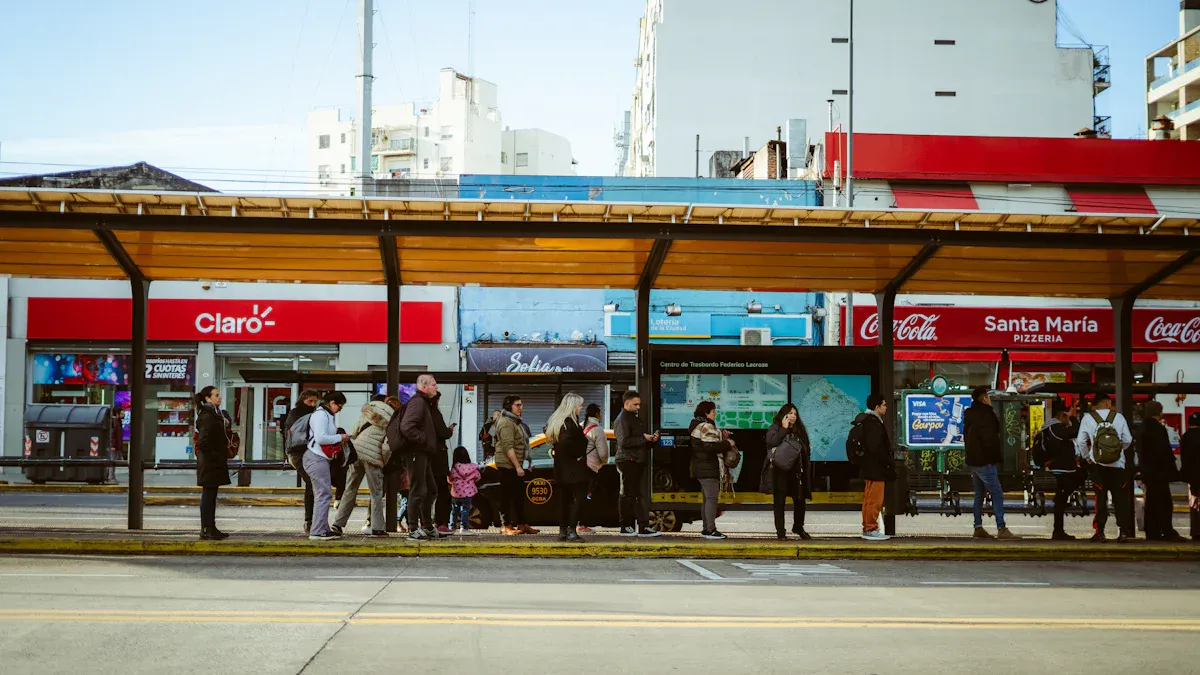
You probably notice that long lines can make shopping stressful. When you wait in a queue, you may feel rushed or uncomfortable, especially if other shoppers stand behind you. Research shows that these feelings are common:
Customers experience social pressure when queues form behind them, leading to negative affective experiences and lower perceptions of service quality.
Lines forming at a customer’s back trigger negative affective experiences and adversely affect downstream variables such as customers’ performance in co-creation settings and perceptions of service quality.
Long waits can make you want to leave the store or avoid coming back. This hurts the store’s reputation and can lower sales. Autonomous stores aim to solve these problems by making shopping faster and more pleasant.
Operational Issues
Store owners face many challenges when queues get long. The main causes of long lines include poor staff scheduling, slow checkout, and interruptions like price checks. The table below explains these causes:
Cause | Description |
|---|---|
Inadequate labor scheduling | Not enough staff during busy times leads to slow service. |
Slow or inefficient checkout | Delays at the register make lines longer. |
Interruptions such as price checks | Price checks and other disruptions slow down the checkout process. |
You can use queue length analytics to help manage these issues. These tools show you when the store gets busy, so you can schedule staff better and keep lines short. With this information, you can balance workloads and reduce stress for employees. Autonomous stores use these insights to improve both customer and staff experiences.
Autonomous Stores: Core Technologies
Cashier-less Checkout
You can shop faster when stores use cashier-less checkout technology. This system uses overhead cameras and smart shelves to track what you pick up. When you select an item, your electronic cart updates right away. You do not need to wait in line to pay. The store charges you automatically as you leave. This process removes the need for a cashier and makes your visit much quicker.
Here is how cashier-less checkout improves your experience:
Impact of Cashier-less Checkout Systems | Description |
|---|---|
You scan, pay, and leave without waiting in line. | |
Increased Customer Satisfaction | You enjoy a smooth shopping trip. |
Operational Efficiency | Staff can focus on other tasks, and bottlenecks disappear during busy times. |
You see less waiting and more convenience. Autonomous stores use these systems to help you get in and out quickly.
Smart Vending & Self-Service
Smart vending machines and self-service terminals let you buy products any time. You do not need help from staff. These machines use sensors and cameras to keep track of inventory and make sure items are fresh. You can grab what you need, pay on the spot, and go.
The table below shows how these technologies help reduce queues:
Evidence Type | Description |
|---|---|
Labor Reduction | You get faster service because machines handle transactions. |
You can shop day or night, so crowds do not build up. | |
Quality Assurance | Machines check product freshness, so you do not leave disappointed. |
Inventory Optimization | Real-time tracking keeps popular items in stock, so you do not wait for restocking. |
Waste Reduction | Expiration tracking means less waste and better stock management. |
You benefit from quick access and reliable service. Autonomous stores use smart vending and self-service to keep lines short and make shopping easier.
AI Queue Management
AI queue management systems help you move through the store faster. These systems use cameras, sensors, and artificial intelligence to track how many people are waiting. You can see your place in line on a screen or your phone. Some stores let you check in with your mobile device, so you do not have to stand in a physical line.
Here are some features of AI queue management:
Real-time queue updates show your position and reduce stress.
Mobile check-in options let you wait wherever you want.
Analytics tools help store owners see busy times and improve service.
Stores that use AI queue management see big improvements. Wait times can drop by up to 40%. Customer satisfaction goes up by 35%. Fewer people leave without buying anything.
Statistic | Value |
|---|---|
Reduction in wait times | Up to 40% |
Increase in customer satisfaction | 35% increase |
Estimated carts abandoned per hour | 10 carts/hour |
You get a smoother, faster shopping experience. Autonomous stores rely on these technologies to keep queues short and customers happy.
Autonomous stores use many core technologies to make shopping easier for you. Computer vision, sensor fusion, artificial intelligence, and cloud computing all work together. Mobile apps and robotics also help stores run smoothly. These tools let you shop quickly, avoid lines, and enjoy better service.
Impact & Real-World Examples
Queue Reduction Results
You see the biggest changes in stores that use autonomous technology. Amazon Go stores give a clear example. These stores use sensors and cameras to track what you buy. You do not need to wait in line. You just walk out when you finish shopping. This system helps reduce the number of people waiting at any time.
The number of customers in process at Amazon Go stores dropped from 303 to 155 on busy days. This means a 51% reduction in crowd size.
The time it takes for a customer to finish shopping, called cycle time, improved from 2.1 hours to 1.07 hours. This shows a 51% boost in efficiency.
You get in and out much faster. Other autonomous stores report similar results. They see shorter lines and smoother traffic flow. You spend less time waiting and more time doing what you want.
Customer Satisfaction Gains
You feel happier when you do not have to wait. Stores that use autonomous systems see higher customer satisfaction scores. People like the speed and ease of shopping. You do not worry about missing out on products because real-time tracking keeps shelves full. Staff can focus on helping you find items or answering questions instead of running registers.
Here is a quick look at the benefits:
Benefit | How You Experience It |
|---|---|
Faster shopping trips | You finish shopping in less time |
Fewer abandoned carts | You do not leave because of long lines |
Better staff support | You get help when you need it |
More reliable inventory | You find what you want in stock |
You see these gains in many small-format grocery stores and convenience chains. Autonomous stores help you enjoy shopping again.
Implementation in Small Stores
Cost & ROI
You may wonder about the cost of bringing new technology into your store. Autonomous stores often require a significant upfront investment. You need to buy hardware, install sensors, and set up software. The return on investment can be strong if you plan carefully. Micro markets can help you earn up to 2.1 times the average transaction value compared to vending machines. Sales per location can increase by 30–50%. Vending machines work well in busy areas and need less maintenance, which keeps costs low. Micro markets offer more choices and a better shopping experience, making them a smart option for small-format grocery stores.
Suitability & Scalability
You want solutions that fit your store and can grow with your business. Autonomous stores work well in community-based and rural locations. They may not suit every urban setting, especially where customers prefer staffed stores. Micro markets give you a wider range of healthy items and a better shopping experience. You can see how these technologies perform in different environments:
Evidence Type | Description |
|---|---|
Revenue Impact | A-POPs have tripled revenue compared to traditional vending solutions. |
Operational Efficiency | The technology has eliminated shrinkage and provided a frictionless customer experience. |
Deployment Success | Over 1,000 A-POPs have been deployed, showing strong revenue and efficiency gains. |
Versatility | A-POPs work in colleges, residential buildings, and healthcare facilities. |
Consumer Preference | Staffed stores remain popular, but autonomous stores excel in rural areas. |
You can scale these solutions as your store grows. Start with a pilot section and expand as you see success.
Overcoming Challenges
You may face challenges when you add automation. Managing different technologies takes planning and skill. Protecting customer data is important. You need to train your staff to use new systems. Technical issues and maintenance can disrupt service. You can overcome these problems with proven solutions:
Regularly train and optimize your AI models to improve accuracy.
Use multiple sensors and backup systems to keep your store running smoothly.
Roll out new technology in phases, starting small and learning before expanding.
Tip: Start with a pilot program to test the technology and train your team. This helps you manage costs and avoid surprises.
You can make your store more efficient and customer-friendly by choosing the right solutions and planning your rollout.
You see how autonomous stores use technology to make shopping faster and easier. These stores help you avoid long lines and improve your experience. Real-world examples show shorter wait times and happier customers. You can take steps to bring these benefits to your store:
Use AI tools to manage inventory and get real-time insights.
Try cashier-less checkout for smooth shopping.
Add IoT sensors to prevent stockouts.
Track customer preferences with data analytics.
You can choose the best solutions for your store and start improving service today.
FAQ
How do autonomous stores know what you buy?
Sensors, cameras, and AI track what you pick up. The system adds items to your virtual cart. You get charged when you leave. You do not need to scan anything.
Do autonomous stores need staff?
You still see staff in most autonomous stores. They restock shelves, help with, and answer questions. Technology handles checkout and inventory.
Are autonomous stores secure for payments?
Yes. Autonomous stores use encrypted payment systems. Your data stays safe. You can pay with cards, apps, or mobile wallets.
What if you need help in an autonomous store?
You can find help buttons or call staff. Many stores have remote support through video or chat. Staff can assist with issues or questions.
See Also
Comparing Micromarkets And Smart Stores In Global Retail
Analyzing Walgreens Self-Checkout: Benefits And Hurdles In Retail
The Future Of Retail Lies In AI-Driven Stores
Cloudpick's Role In Creating Cashierless Shopping Experiences
How Time Out Corner Stores Transform Urban Convenience Shopping
