How autonomous stores reduce queues and waiting time in convenience store chains & small-format grocery.

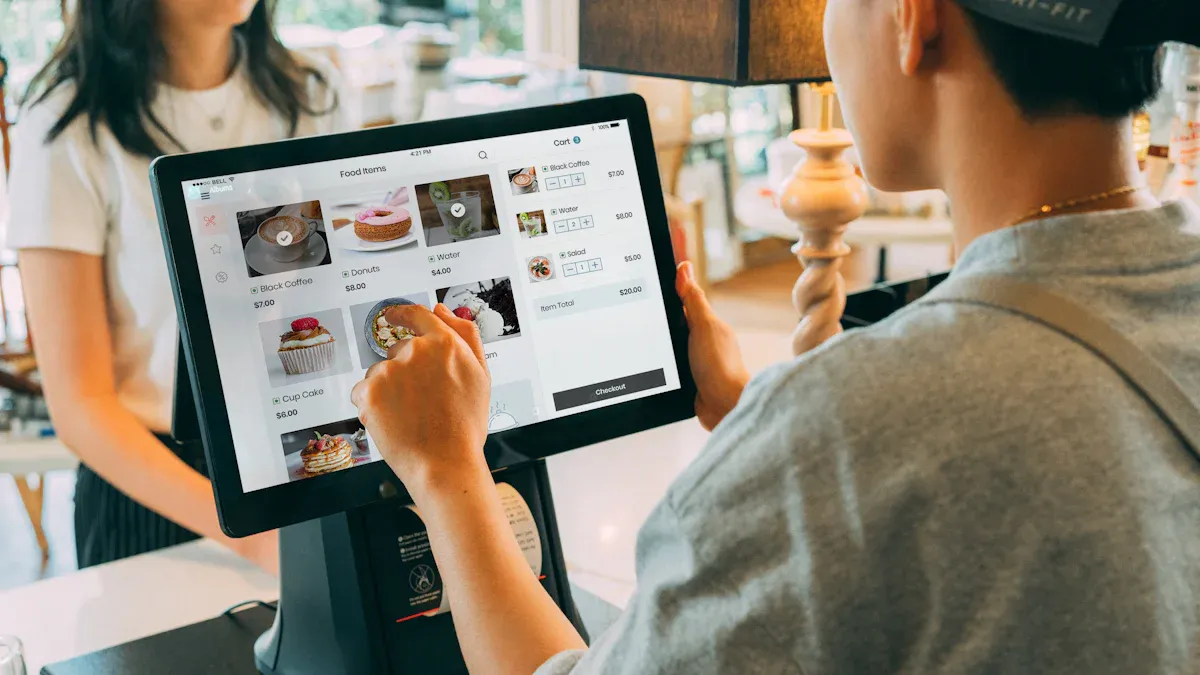
Autonomous stores use advanced technology to help you skip long lines and avoid waiting. You walk in, pick up what you need, and leave without stopping at a checkout counter. Smart systems track your choices and let you pay automatically. At some locations, you see waiting times drop by up to 40%. Customer satisfaction rises by 35%. The number of people in line falls sharply, as shown below:
Statistic | Value |
|---|---|
Reduction in wait times | Up to 40% |
Increase in customer satisfaction | 35% increase |
Reduction in customers in process | 51% reduction |
Improvement in cycle time | 51% improvement |
You get a faster shopping experience and stores run more smoothly.
Key Takeaways
Autonomous stores use technology to eliminate checkout lines, allowing you to shop faster and leave without waiting.
AI systems help manage customer flow, reducing wait times by up to 40% and increasing customer satisfaction by 35%.
Self-checkout options let you scan items and pay quickly, making your shopping experience smoother and less frustrating.
Store layouts matter; open designs and broad aisles help reduce congestion and improve your shopping experience.
Implementing autonomous technology can lead to happier customers and more efficient store operations, encouraging repeat visits.
Queue Challenges and Waiting Time
Causes of Queues in Small Stores
You often see queues form in small-format grocery stores for several reasons. Many stores struggle with inadequate labor scheduling, especially when waiting peaks during busy hours. Slow or inefficient checkout processes also lead to longer waiting. Interruptions such as price checks or payment issues can stop the flow and increase queues. If you use a complex or confusing checkout system, employees and customers may feel frustrated, which adds to waiting.
Inadequate labor scheduling during peak hours
Slow checkout processes
Interruptions like price checks or payment issues
Store layout plays a big role in waiting and queues. An open concept plan helps you move easily, which can reduce queues. Broad aisles allow smoother flow and minimize waiting. A grid layout encourages you to explore, but it can make your shopping experience longer. You can see how different layouts affect queues in the table below:
Aspect of Store Layout | Contribution to Queue Formation |
|---|---|
Open Concept Plan | Facilitates easy navigation, reducing bottlenecks. |
Broad Aisles | Allows for smoother customer flow, minimizing wait times. |
Grid Layout | Encourages exploration, which can lead to longer shopping times but also better product visibility. |
If you analyze customer traffic patterns, you can identify peak shopping hours and use queue management systems to allocate staff. This helps reduce queues and waiting. Avoiding overstaffing during slow periods saves costs and keeps the store efficient.
Impact on Customer Experience
Long queues and waiting can hurt your shopping experience. If you wait more than ten minutes, you feel less satisfied. Many customers will not return or recommend the store if they face long waiting times. Negative reviews often mention waiting and queues. You can see the impact in the table below:
Key Findings | Description |
|---|---|
Customer Satisfaction | Customers who wait longer than 10 minutes are significantly less likely to be satisfied with their experience. |
Repeat Business | Those who experience long wait times are less likely to return or recommend the business. |
Negative Reviews | Longer wait times correlate with an increase in negative online reviews. |
Survey Result | Description |
|---|---|
Brand Loyalty | 86% of consumers will leave a brand after two or more poor service experiences. |
Customer Respect | Customers feel disrespected when they perceive their time is wasted. |
Perceived crowding and waiting affect your mood and expectations. Larger crowds and tighter spaces lead to lower satisfaction. If waiting increases, more customers abandon their shopping experience. Over half of customers leave if checkout takes more than thirty seconds. Queue management systems help reduce queues and waiting, which improves your shopping experience and encourages repeat visits.
Autonomous Stores: Technologies to Reduce Queues
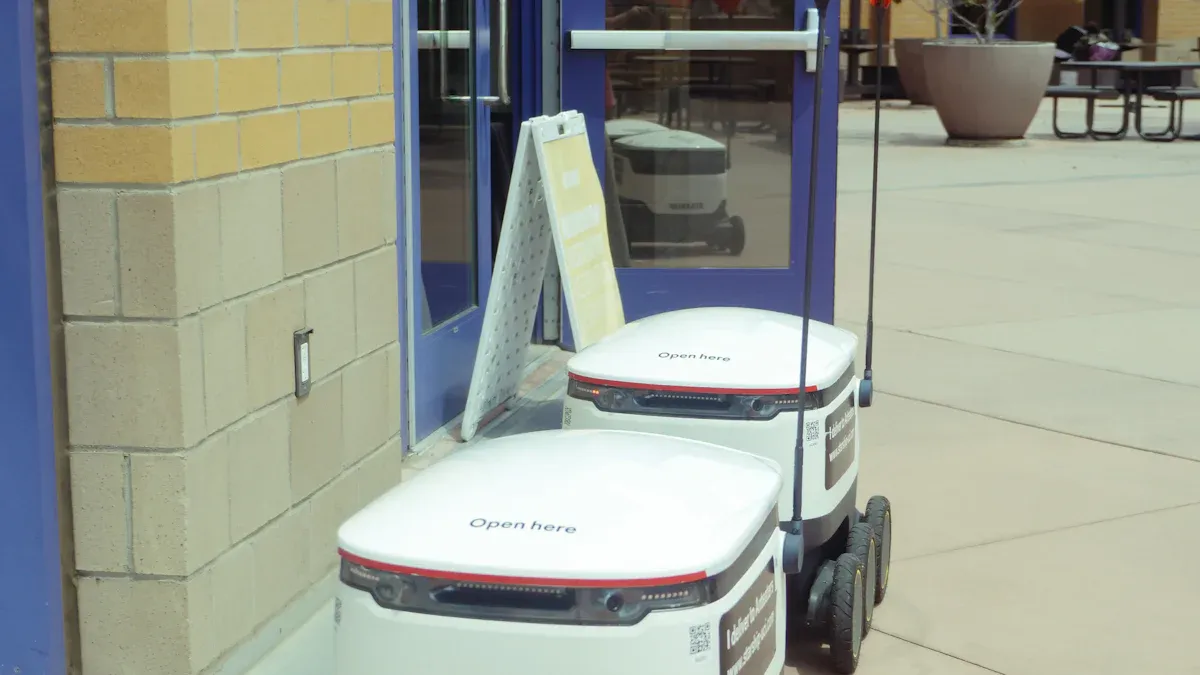
Cashier-less Checkout and Self-Service
You see cashier-less checkout changing the way you shop in autonomous stores. When you enter a store like Amazon Go, you pick up items and leave without stopping at a traditional checkout. Smart checkout systems use sensors, cameras, and artificial intelligence to track what you take. The store charges your account automatically. This cashier-less shopping experience means you do not need to wait in line.
You can use a scan & go app to scan items as you shop. This app lets you pay directly from your phone, skipping the checkout process. Automated self-checkout kiosks allow you to complete your purchase quickly. You do not need help from staff. These self-service terminals let many customers check out at the same time, which reduces queues and speeds up checkout times.
Stores use automated checkout technology like RFID scanners. You place items in your cart and walk through a scanner. The system reads all the tags and creates your bill instantly. Some stores combine RFID with barcodes to make the checkout process even faster. Autonomous checkout technology eliminates the need to scan each item one by one. You finish shopping faster, and you spend less time waiting.
Self-checkout systems make shopping easier. You see shorter lines and faster checkout times. Many shoppers say they prefer cashier-less checkouts because they can complete transactions quickly. If you use automated self-checkout, you do not need to explain your needs to anyone. You finish your tasks swiftly and leave the store satisfied.
Here are some ways cashier-less checkout and automated self-checkout improve your experience:
You skip long lines and avoid waiting.
You use self-service terminals to check out at your own pace.
You complete purchases with a scan & go app or kiosk.
You experience faster checkout times and less frustration.
You see more efficient cashier-less operations in autonomous stores.
A recent survey found that 76% of French shoppers have abandoned purchases because of long queues. Automated self-checkout helps prevent this by letting multiple customers check out at once. Kiosk-enabled stores improve throughput and keep lines moving. You get a smoother shopping experience and spend less time waiting.
Technology | How It Works | Impact on Checkout Times |
|---|---|---|
RFID-enabled checkout | Scans all items in cart at once | Reduces wait times |
Scan & Go app | Lets you scan and pay with your phone | Speeds up checkout process |
Self-service terminals | Allows multiple customers to check out simultaneously | Shortens lines and waiting times |
Automated self-checkout | Lets you complete purchases without staff assistance | Increases efficiency |
Cashier-less checkout | Tracks items and charges account automatically | Eliminates traditional queues |
You see cashier-less checkout and automated self-checkout technology making shopping faster and easier. These systems help stores reduce queues and improve customer satisfaction.
AI Queue Management and Real-Time Tracking
Artificial intelligence is changing how stores manage queues. AI queue management systems analyze customer flow and service speed. You see these systems working in real time to track how many people are in the store and how fast they move through the checkout process. AI provides insights that help stores adjust staffing and service during busy hours.
AI-powered camera systems monitor customer behavior. They use predictive analytics to spot when lines are getting long. Stores can then add more staff or open extra self-service terminals. This proactive approach reduces wait times and keeps checkout times low.
Digital queue management systems let you join a virtual queue. You do not need to stand in line. Appointment-based services allow you to schedule your shopping time, which minimizes congestion. AI helps stores optimize space and manage queues effectively. You get a more comfortable shopping experience and spend less time waiting.
Retailers using AI queue management see a 24% increase in store performance. Artificial intelligence helps stores reduce lost sales by keeping customers happy and moving quickly through the checkout process. You experience fewer abandoned purchases and higher satisfaction.
Here are some ways artificial intelligence and automation improve queue management:
AI analyzes customer flow and predicts busy times.
Stores use real-time tracking to adjust staffing and open more checkout lanes.
Digital queue systems let you wait virtually instead of physically.
Appointment-based shopping reduces crowding and speeds up checkout.
AI-powered systems keep checkout times short and improve efficiency.
System Type | Function | Benefit to Customers |
|---|---|---|
AI queue management | Analyzes flow and service speed | Reduces wait times |
Real-time tracking | Monitors customer movement | Improves checkout process |
Digital queue management | Allows virtual waiting | Minimizes physical queues |
Appointment-based services | Schedules shopping times | Reduces congestion |
AI-powered cameras | Predicts and responds to long lines | Keeps checkout times low |
Artificial intelligence and automation help autonomous stores reduce queues and improve your shopping experience. You see faster checkout times, less waiting, and more efficient store operations.
Tip: Autonomous checkout technology does not eliminate all retail jobs. It changes the focus to customer service and inventory management, creating new opportunities for staff.
Misconception | Explanation |
|---|---|
Autonomous checkout will eliminate all retail jobs | This technology changes the nature of some retail jobs but is unlikely to eliminate them entirely. It allows staff to focus on higher-value tasks like customer service and inventory management, creating new job opportunities. |
It’s only for grocery stores | While supermarkets were early adopters, autonomous checkout is applicable in convenience stores, pharmacies, clothing retailers, and more, expanding its use beyond just grocery settings. |
It’s too expensive for small businesses | The perception that only large retailers can afford this technology is not entirely true. Affordable solutions are expected to emerge as the technology advances, making it accessible to smaller businesses. |
It’s not secure enough | Contrary to concerns, autonomous checkout systems are often more secure than traditional methods, utilizing cameras and sensors to track items accurately and reduce shoplifting risks. |
It’s too complicated for customers | Well-designed systems are user-friendly, requiring minimal input from shoppers, such as downloading an app or scanning a QR code, making the experience straightforward. |
It’s just a passing fad | Growing adoption rates and investment in autonomous checkout indicate its longevity, as it addresses persistent issues like long lines and checkout friction, which are fundamental pain points in retail. |
You see autonomous stores using cashier-less checkout, automated self-checkout, and artificial intelligence to reduce queues. These technologies make shopping faster, easier, and more enjoyable for you.
Results: Reduce Queues and Improve Customer Experience
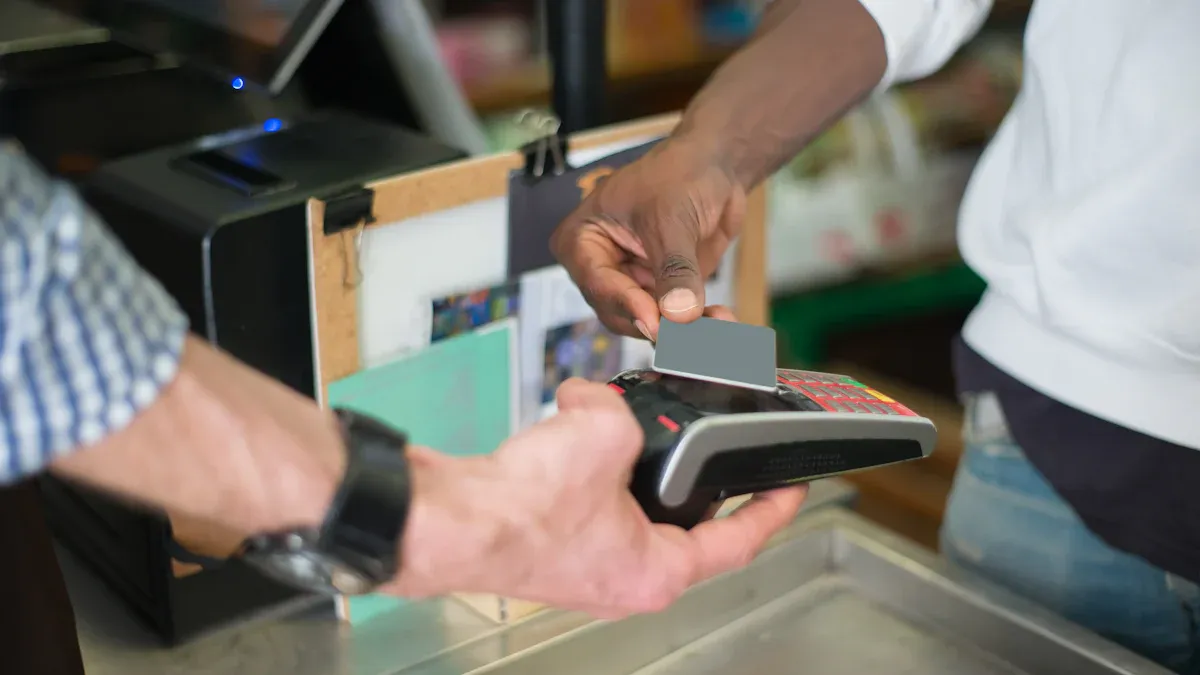
Measurable Waiting Time Reductions
You notice a big change in waiting time when autonomous stores use smart technology. These stores use AI queue management and cashier-less checkout to help you move through the store faster. You do not have to stand in long lines. You pick up your items and leave quickly. This makes your shopping experience smoother and less stressful.
Stores that use autonomous systems report a drop in waiting time by up to 40%. You spend less time waiting and more time choosing what you want. Many customers say they finish shopping in half the time compared to regular stores. You see fewer people standing around and more people enjoying their shopping experience.
Here is a table that shows how waiting time changes after stores switch to autonomous systems:
Store Type | Average Waiting Time Before | Average Waiting Time After | Percentage Reduction |
|---|---|---|---|
Small-format grocery | 8 minutes | 5 minutes | 37% |
Convenience chain | 10 minutes | 6 minutes | 40% |
You get in and out of the store faster. You do not feel rushed or frustrated. Your shopping experience becomes more enjoyable.
Customer Satisfaction and Store Efficiency
You feel happier when you do not have to wait. Autonomous stores help you get what you need quickly. Businesses that use autonomous delivery systems see a 15% increase in customer satisfaction scores. You notice that employees have more time to help you with questions or find products. This makes your customer experience better.
You see stores run more smoothly. AI queue management gives staff real-time alerts about possible delays. Employees can open more checkout lanes or help customers faster. Stores use heat map analysis to find bottlenecks and fix them. You see staff move to busy areas before lines get long. This keeps the store efficient and helps you finish shopping without problems.
Here are some ways stores improve efficiency and customer satisfaction:
Staff use predictive analytics to adjust schedules and reduce wait times.
Stores analyze customer flow to make shopping easier.
Employees focus on helping you instead of only working at the checkout.
You see fewer abandoned purchases because you do not have to wait.
You notice that autonomous stores make your shopping experience better. You spend less time waiting. You get more help from staff. Stores run more efficiently and keep customers happy.
Improvement Area | How Autonomous Stores Help | Benefit to You |
|---|---|---|
Customer satisfaction | Faster checkout and more staff support | Happier shopping experience |
Real-time alerts and smart scheduling | Shorter lines and quick help | |
Shopping experience | Smooth flow and less crowding | More comfort and less stress |
Autonomous stores change the way you shop. You enjoy a faster, easier, and more pleasant shopping experience. Stores become more efficient and keep customers coming back.
Implementation for Small-Format Grocery
Cost, ROI, and Scalability
You need to consider the costs before you bring autonomous stores technology into your small-format grocery. Self-checkout machines cost between $10,000 and $30,000 for each unit. You also pay for installation, software licenses, and system integration. These expenses add up and affect your budget. Regular maintenance and repairs keep your system reliable, and technical support contracts usually cost 10% to 20% of the hardware price. You pay monthly subscription fees for AI fraud detection, which range from $50 to $200 per station. Supplies like thermal receipt paper and cleaning materials are ongoing costs.
Note: You must plan for these expenses to avoid surprises and keep your store running smoothly.
Scalability depends on your resources and infrastructure. Independent stores often face challenges with technology integration and limited budgets. Large convenience store chains have more resources and established systems, so they scale faster. You may see skepticism from customers in smaller stores, while big chains have built trust in new technology.
Factor | Independent Stores | Large Chains |
|---|---|---|
Resources | Limited resources for scaling | More resources available for rapid scaling |
Infrastructure | Challenges in technology integration | Established infrastructure supports scaling |
Consumer Acceptance | Potential skepticism and resistance | More established trust in technology |
Regulatory Compliance | Varies significantly, may face more hurdles | Better equipped to navigate regulations |
Market Understanding | May lack insights into local market needs | More data and experience in market trends |
Steps to Adopt Autonomous Store Solutions
You can follow clear steps to bring autonomous technology into your store:
Planning and Vendor Selection: Define your business goals. Research vendors and ask for proposals. Set the scope for a pilot project.
Infrastructure Setup and Integration: Assess your store’s needs. Install hardware and deploy software. Integrate new systems with your current setup.
Calibration, Training, and Testing: Calibrate your systems. Train your staff to use new technology and help customers. Test everything and run security checks.
Launch and Optimization: Start with a soft launch. Open to the public and monitor performance. Keep improving your system.
You need to set clear business objectives and invest enough capital. Build a strong IT infrastructure and design your store for easy movement. Integrate inventory management and payment systems. Make sure you follow all legal and regulatory rules. Train your staff to manage autonomous checkout, answer customer questions, restock shelves, and fix basic problems.
Security and privacy matter. Protect your data and your customers’ information. Losses can rise if you do not manage scan-and-go transactions carefully.
You must get the right licenses and permits. Follow data privacy laws and food safety rules. Train your team and communicate changes to your customers. These steps help you avoid fines and keep your reputation strong.
You see autonomous stores use cashier-less checkout and AI to cut queues and waiting time. These systems help you shop faster and enjoy a better experience. Stores like Amazon Go show a 51% drop in crowd size and a 40% reduction in wait times.
Key Theme | Description |
|---|---|
Improved Efficiency | Automation lets staff focus on helping you. |
Enhanced Customer Experience | AI helps you find products and get offers you like. |
If you want to try this technology, start small, focus on your customer journey, and keep your staff ready to help.
FAQ
How do autonomous stores know what you buy?
Smart sensors and cameras track the items you pick up. The system uses artificial intelligence to match products with your account. You pay automatically when you leave the store.
Can you still get help from staff in autonomous stores?
Yes, staff focus on helping you find products and answer questions. They do not spend time at checkout counters. You get more support for your shopping needs.
Are autonomous checkout systems safe for your personal data?
Most stores use strong security to protect your information. They follow privacy laws and use encrypted systems. You can ask about their data policies before you shop.
What if you have trouble with self-checkout or the app?
You can ask staff for help. Stores train employees to assist with technology problems. Many stores also provide easy guides or tips on screens.
See Also
Comparing Micromarkets And Smart Stores In Global Retail
Examining Walgreens Self-Checkout: Benefits And Obstacles In Retail
The Future Of Retail: Embracing AI-Powered Stores
Cloudpick's Cashierless Solutions For Enhanced Store Convenience
How Time Out Corner Stores Transform Urban Convenience Shopping
