How autonomous stores reduce queues and waiting time in Franchise & multi-location retailers.

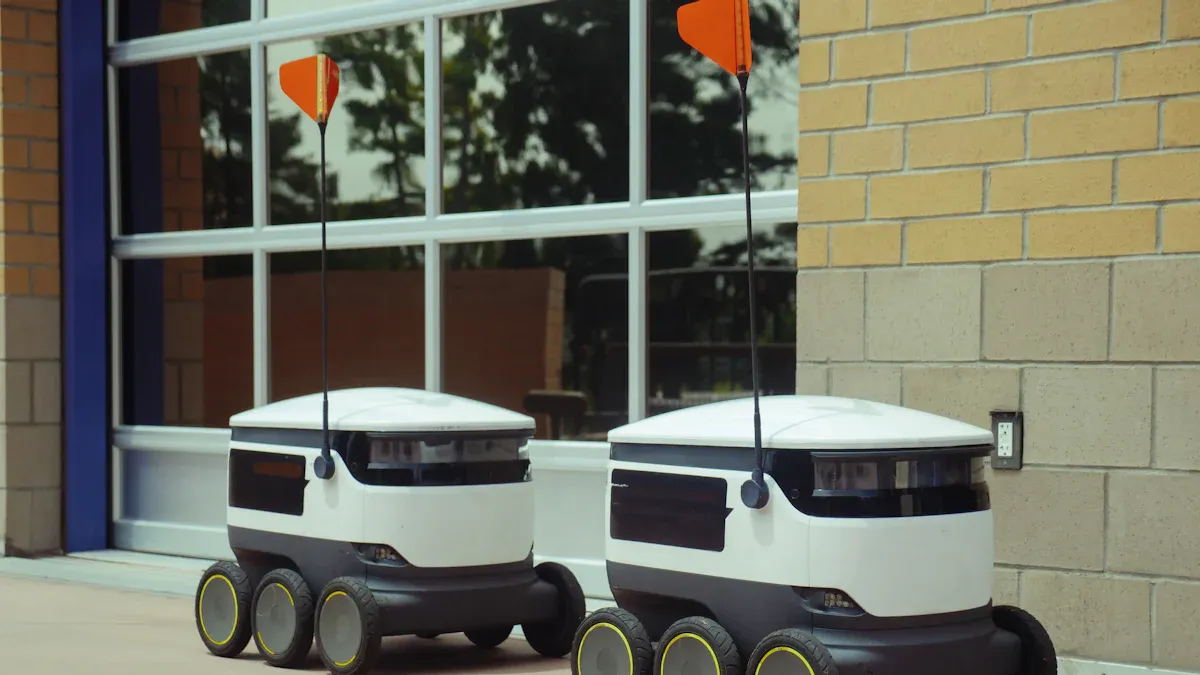
You walk into a store and grab what you need. You leave without standing in line or waiting. Autonomous stores let you do this, especially in busy franchise and multi-location shops. Shoppers like you have an easy and fast experience.
You miss the checkout lines, so you save time.
AI-powered recommendations help you find things you like, making you happier.
Your trips feel easier and more fun, so customer satisfaction scores go up.
Key Takeaways
Autonomous stores help you avoid checkout lines. This saves you time when you shop.
AI-powered systems give you suggestions just for you. This makes shopping better and more fun.
Real-time queue management cuts down wait times. It keeps you happy and helps you finish shopping.
Self-checkout lets you pay faster. This makes shopping easier and more enjoyable.
Data-driven insights help stores work better. You get better deals and products that fit your needs.
Reducing Queues with Autonomous Stores
Frictionless Entry and Exit
You can walk in and out of autonomous stores without stopping at checkout. This means you do not have to wait in line. Automated waitlist systems let you wait somewhere else and tell you exactly when you can go inside. You feel less worried because you know when it is your turn. These systems help store managers control how many people are in the store. They stop crowds from building up and keep people moving.
When the store is busy, frictionless entry and exit systems help more customers get through faster. The table below explains how these systems help franchise retailers:
Evidence | Explanation |
|---|---|
The system makes transactions faster, which is important when the store is crowded. This leads to quicker service and more chances to sell. | |
Intuitive UI reduces training time | Employees learn to use the system quickly, so there are fewer delays and the store works better during busy times. |
You can finish shopping faster, and the store helps more people in less time. This is very important for franchise and multi-location retailers because speed and efficiency make customers happy.
Simultaneous Self-Checkout
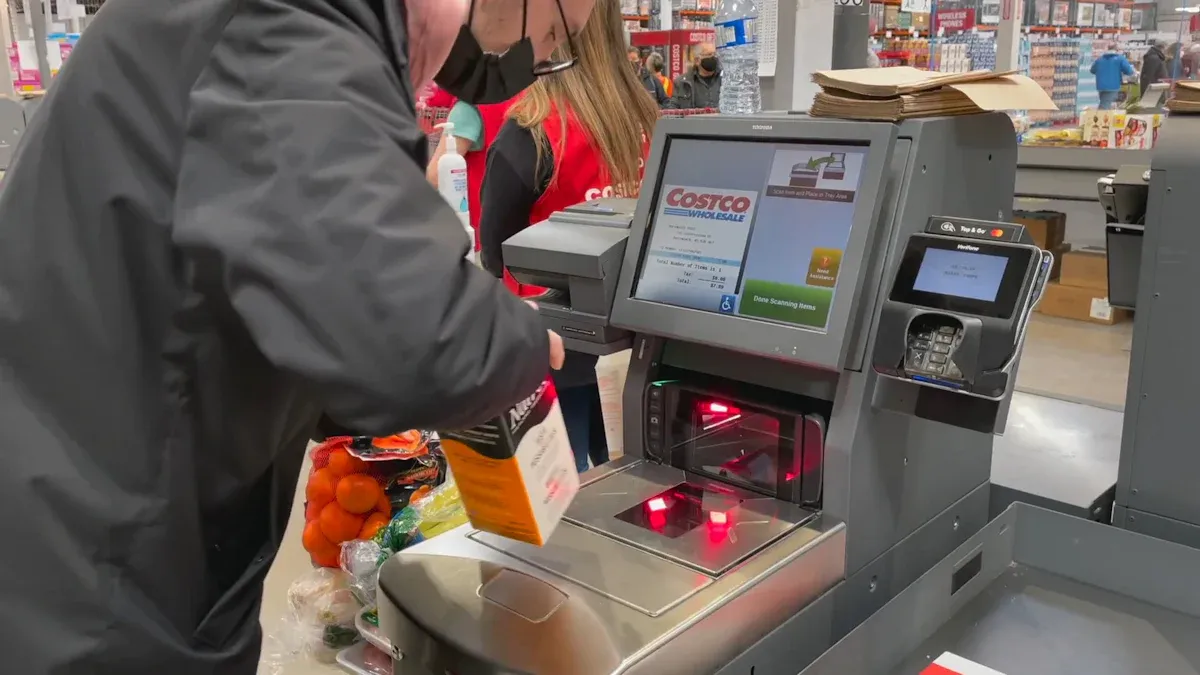
In autonomous stores, you do not need to wait for a cashier. You can check out your items at the same time as other shoppers. This system makes waiting and checkout times shorter for everyone.
Average waiting time goes down from 4 minutes to 1 minute 30 seconds.
Average checkout time drops from 3 minutes 40 seconds to 2 minutes 10 seconds.
Self-checkout systems can make checkout 25% to 35% faster.
You spend less time in the store and have more time for other things. Franchise retailers sell more because customers do not leave their carts behind when lines are long.
Real-Time Queue Management
Autonomous stores use real-time queue management to keep lines short and customers happy. You see shorter waits and fewer people leaving without buying anything. In a recent survey, 79% of people said they left a store or appointment because the wait was too long. About 69% said they would go to another store if it had shorter waits.
The QLESS queue management system can stop up to 75% of people from leaving. It can also double customer satisfaction by making wait times shorter. You have a better time shopping, and the store keeps more customers.
QLESS uses some main ideas from queue psychology to make the software work well. Two of these ideas are that not knowing how long you will wait makes it feel longer, and waiting with nothing to do feels longer than waiting while doing something.
Franchise and multi-location retailers get a lot of help from AI-driven queue management. The table below shows the results:
Measurable Outcome | Description |
|---|---|
Fewer people leave their carts because of long lines, so stores make more money. | |
Optimized Labor Costs | Using data to plan staff can lower labor costs by 15-20% during checkout. |
Enhanced Customer Satisfaction | A smoother checkout makes customers happier and more likely to come back. |
Data-Driven Decision Making | Centralized analytics help stores improve how they work in many locations. |
You get an easy shopping trip, and stores make more money and work better. Autonomous stores make shopping simple for everyone.
Autonomous Store Technologies
Autonomous Checkout Systems
Autonomous stores let you check out fast with special checkout systems. You can scan and pay for your things without a cashier. Some stores have self-checkout kiosks. Others let you walk out while sensors track what you buy. Many shoppers like this because it saves time and is simple. Self-checkout can make checkout up to 30% faster. Stores using these systems see fewer carts left behind. Customers are happier. Staff can help you more instead of staying at the register.
Tip: To skip long lines, try stores with self-checkout or autonomous checkout.
Here is a quick look at self-checkout and regular checkout:
Evidence Type | Details |
|---|---|
Reduced Checkout Time | Self-checkout can make checkout up to 30% faster. |
Increased Average Order Value | Stores see a 22% higher average order value with self-checkout kiosks. |
Customer Preference | Many people like self-checkout because it is fast and easy. |
AI and Sensor Integration
AI and sensors help you every time you shop in autonomous stores. These tools watch how people move and how long they wait. For example, the ARSA Smart Retail Counter uses cameras and sensors to spot lines. It sends alerts to staff if lines get too long. This helps managers add more help and keeps your wait short. IoT sensors and AI help stores know busy times and plan better. You get faster service, and stores work better.
IoT sensors gather data about how people move and wait.
AI looks at this data to help with staff and service.
Queue management systems give you updates and cut down your wait.
Mobile and Self-Checkout Solutions
You can use your phone to check out in many autonomous stores. Mobile checkout lets you scan items as you shop and pay on your phone. This makes shopping faster and easier. Self-checkout kiosks also let you finish shopping without a cashier. These tools help you skip long lines and make shopping more fun. Stores get more sales and customers are happier because fewer people leave without buying.
All these technologies work together for a smooth trip. You get in, shop, and leave fast. Stores use real-time data to keep things running well. This is how shopping will be in the future.
Benefits for Customers and Retailers
Faster Service and Convenience
You want shopping to be quick and easy. Autonomous stores give you unmatched convenience because you do not have to wait in line or deal with slow checkouts. You can finish your shopping in seconds, not minutes. This helps you, especially when the store is busy or you have little time.
You skip queues and long processes.
Your shopping trip takes less time, so you can do more with your day.
The modern and simple shopping experience makes you feel good and brings you back to the store.
You expect shopping to be as fast as buying online. You want instant service in every part of your life. Autonomous stores meet these needs by making shopping fast and simple.
Operational Efficiency and Sales
You help stores work better when you use autonomous systems. These systems use AI to improve marketing and store operations. They learn from each visit and make changes to help each location do better.
Stores move from manual ads to smart, AI-driven marketing.
The system learns and adapts, so each store can improve over time.
AI looks at data from many stores and makes changes to fit each area.
Local ads match what people want in each region, but the brand stays the same.
Stores can make new ads quickly and change them for local needs.
Store managers spend less time on small tasks and more time guiding the system.
You see better deals and more products that fit your needs. Stores sell more because they know what you want.
Enhanced Data Insights
You benefit when stores use data to improve your shopping. The table below shows how data insights help both you and the store:
Application | Benefit |
|---|---|
Improved Customer Experiences | You get a smooth checkout and services made just for you. |
Streamlined Operations | Stores run better, with fewer mistakes and lower costs. |
Effective Inventory Tracking | You find what you need because stores get alerts when stock is low. |
You enjoy a better shopping trip, and stores can serve you faster and smarter.
Implementation Challenges
Cost and ROI
Setting up autonomous store solutions can cost a lot at first. You pay for the system, putting it in, software, and teaching staff. For example, you might spend $500,000 on the system. You could pay $50,000 to install it. Software might cost $25,000, and training could be $10,000. You also have to pay for fixing and updating the system later.
You figure out ROI by checking how much you save and how much better your store works. You save money because there are fewer mistakes and things move faster. You also save money by keeping better track of stock and making deliveries smoother. First, look at how your store works now. Then, guess how much automation will help. You need fewer people at checkout, so you save on labor and get more done with the same team.
Integration and Privacy
It can be hard to connect new autonomous systems to your old store tech. You use tools like LiDAR, RFID, vibration sensors, and weight tracking. These tools help you watch products and customers without using normal cameras.
Privacy is important for you and your customers. You must blur faces and remove personal details from videos before anyone sees them. Only teams who need to see how people use products can look at the data. You keep the data for a short time, usually 30 days, unless you need it longer for an investigation.
Privacy Control | Description |
|---|---|
Anonymization | Video is blurred and personal information is removed before review. |
Data Access | Only product interaction data is available to annotation teams. |
Data Retention | Data is kept for 30 days unless needed longer for investigations. |
Staff Training
Your staff need to learn how to use the new systems. Hands-on training helps your team get used to the technology. You should teach everyone about all the systems so things are less confusing. Regular checks help you find out if anyone needs more training.
Training Method | Description |
|---|---|
Hands-on training | Staff use the systems directly to build confidence. |
Technology training | Staff learn about all systems to work more efficiently. |
Regular audits | You check for skill gaps and provide extra training as needed. |
Soft skills development | Staff practice communication, empathy, and problem-solving. |
Your staff will also need to keep track of inventory and answer alerts about misplaced products. With good training, your team can do new jobs and keep the store running well.
You notice that autonomous stores let you avoid long lines and shop faster. Stores such as IKEA use smart queue systems to keep customers moving and make them happier. You get help from self-service kiosks, digital signs, and real-time queue management. Retailers can use Scale Computing to learn about IoT, AI, and automation. You can make your store better and give everyone a nicer shopping trip.
FAQ
What is an autonomous store?
You shop in a store that uses technology. You do not need a cashier to check out. Sensors and AI watch what you buy. You can leave the store without waiting in line.
How do autonomous stores keep your data safe?
Stores hide your personal information and control who sees it.
Only teams that need product data can look at it.
The store keeps your data for about 30 days.
Will you still find staff in autonomous stores?
You will still see staff in the store. They help with inventory and answer your questions. Staff also fix problems. They focus on helping you, not just checkout.
Can autonomous stores work in small locations?
Store Size | Autonomous Solution |
|---|---|
Small shops | Mobile checkout |
Large stores | AI sensors, kiosks |
You use your phone to check out in small shops. Big stores use more advanced systems like sensors and kiosks.
See Also
Comparing Micromarkets And Smart Stores In Global Retail
The Future Of Retail Lies In AI-Driven Stores
Modern Retail Benefits From AI-Enhanced Combo Vending Machines
Analyzing Walgreens Self-Checkout: Benefits And Retail Hurdles
Walmart's Self-Checkout Innovations: Upcoming Changes For 2025
