How autonomous stores support sustainability goals in Convenience store chains & small-format grocery.

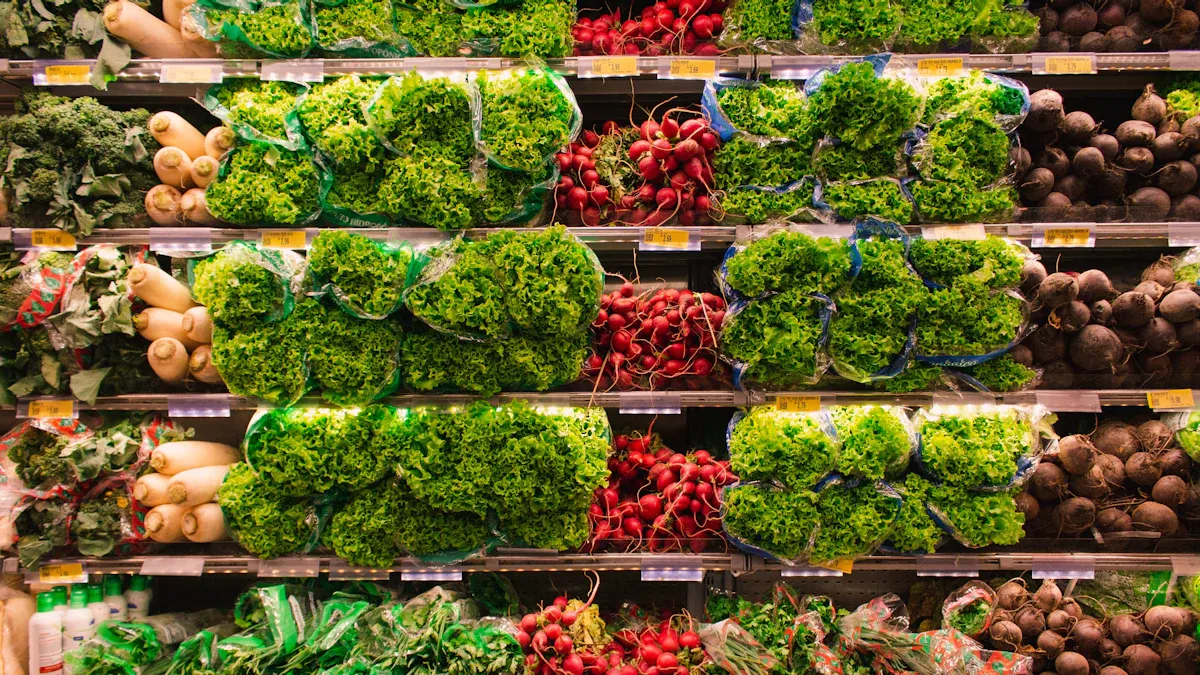
You see how autonomous stores change grocery shopping by supporting sustainability and retail sustainability. These stores use ai and artificial intelligence to track data, help with smart product recommendations, and understand customer preferences. You notice automation improves environmental responsibility and resource use in grocery. Data-driven decision-making leads to personalization and better outcomes for stores and shoppers.
Autonomous stores show you how technology can make grocery shopping smarter and greener.
Key Takeaways
Autonomous stores use AI to manage inventory smartly, reducing food waste and ensuring fresh products are always available.
Dynamic pricing strategies in these stores encourage customers to buy items before they expire, significantly lowering waste.
Energy efficiency is enhanced through automated systems that optimize lighting and climate control, leading to lower utility costs.
IoT devices in stores provide real-time data, improving resource management and streamlining operations for better sustainability.
Shopping at autonomous stores supports eco-friendly practices, helping to reduce carbon footprints and promote a healthier planet.
Food Waste Reduction with AI

Smart Inventory Management
You can see how ai transforms inventory management in autonomous stores. When you use predictive inventory management, you rely on artificial intelligence to analyze data from sales, weather, and customer preferences. This approach helps you keep the right amount of produce and fresh items on your shelves. You avoid overstock, which leads to less spoilage and fewer expired products.
Predictive analytics for demand forecasting lets you plan for busy days and slow periods.
Real-time inventory information helps you track stock levels and product conditions.
Automated reordering ensures you never run out or overfill your shelves.
Supply chain optimization means your food arrives fresh and ready for sale.
Shelf-life prediction allows you to sell items before they expire.
Menu optimization matches your offerings to what you have in stock.
Redistribution of surplus food connects you with food banks, so nothing goes to waste.
You can look at real-world examples to see the impact.
Case Study | Description | Results |
|---|---|---|
Used ai forecasting with sales and weather data for distribution logistics. | Prevented stockouts, improved inventory turns, increased daily sales, and higher customer satisfaction. | |
Fresho | Built an ai-powered ordering and forecasting system for fresh-produce wholesalers. | Reduced ordering errors, lowered spoilage rates, and decreased inventory write-offs by 30-40%. |
These examples show you how automation and data-driven decisions lead to measurable food waste reduction and better sustainability in grocery.
Demand Forecasting
You face a challenge when ordering fresh produce. If you order too much, you waste food. If you order too little, you lose sales. Traditional inventory systems use fixed rules and cannot handle the complexity of fresh food. Ai-powered demand forecasting changes this. You can now adapt to changing trends and local events.
Ai forecasting helps you manage short-shelf-life items like berries and dairy. You predict demand more accurately, so you keep products fresh and reduce spoilage.
Localized forecasting lets you tailor orders to your customers and community.
Automated purchase orders make the process faster and reduce mistakes.
Accurate demand forecasting through ai allows you to predict customer demand with unprecedented accuracy, significantly reducing forecast error compared to traditional methods. This directly translates to reduced waste and improved product availability.
You can see the results in real stores. Danone used machine learning for demand forecasting of perishable products. This improved collaboration and inventory balance. More Retail Limited increased forecast accuracy from 24% to 76%. They raised in-stock rates for fresh produce from 80% to 90% and reduced fresh waste by up to 30%. These improvements show you how ai and data help you achieve food waste reduction and better sustainability.
Dynamic Pricing Strategies
You can use ai to set prices that change based on inventory levels, product freshness, and customer demand. Dynamic pricing encourages shoppers to buy items before they expire. This strategy can reduce food waste by up to 21% in grocery retailers. The Last Yard platform supports automatic markdowns for perishables nearing expiry. This saves waste and improves profit margins.
One online grocer reported a 49% reduction in food waste by using ai-driven demand forecasting and dynamic pricing. You see how these strategies help you sell more, waste less, and support sustainability goals. When you combine personalization, automation, and data, you create a smarter, greener store.
Energy Efficiency in Autonomous Stores
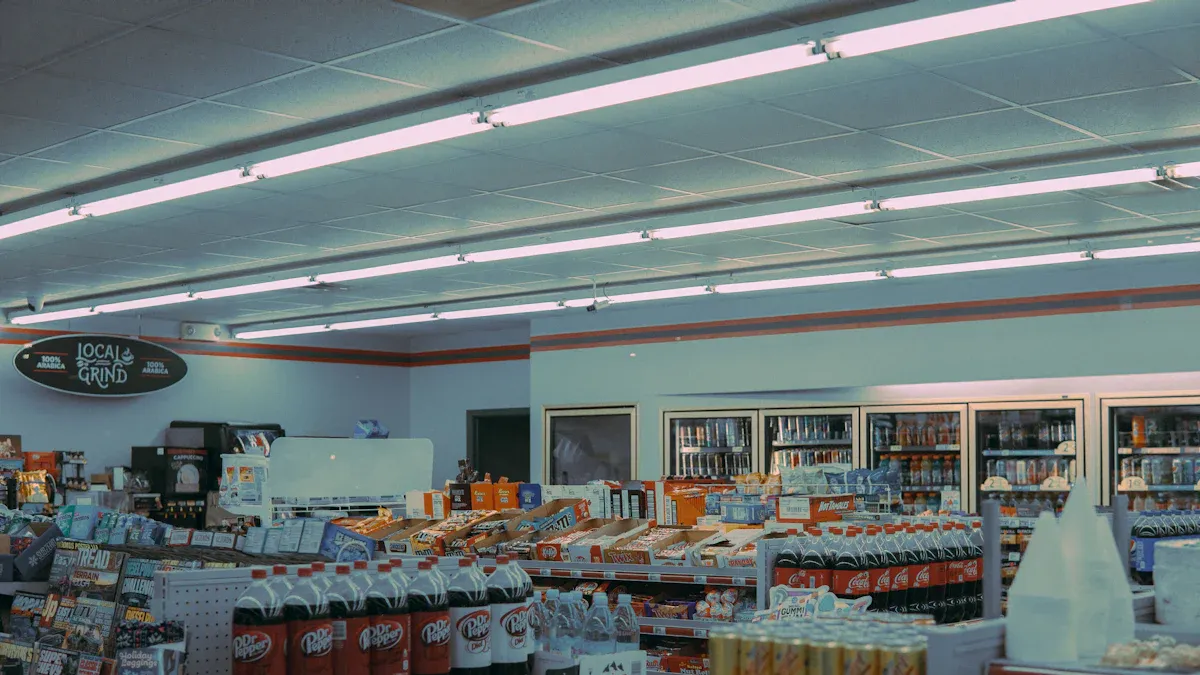
Automated Lighting and Climate Control
You can improve energy efficiency in your stores by using ai and automation for lighting and climate control. Artificial intelligence helps you adjust HVAC systems based on real-time data. You optimize HVAC performance during low foot traffic and when the weather is mild. Dynamic setpoint optimization lets you recalibrate temperatures throughout the day. You respond to changes in electricity pricing and thermal load, which reduces energy costs. Automated demand response systems adjust HVAC and lighting when utility prices change. You avoid peak demand charges and save money.
AI systems optimize HVAC operations for better energy management.
You use dynamic setpoints to lower costs and improve efficiency.
Automated demand response helps you avoid high utility charges.
Energy Monitoring Systems
You track and optimize energy consumption with advanced energy monitoring systems. These systems use ai and IoT devices to analyze data and forecast energy demand. You automate control of energy systems and adjust settings based on occupancy. Real-time monitoring lets you see energy patterns and make immediate changes. Smart meters measure energy use and help you find ways to save. Temperature sensors keep HVAC systems running efficiently while maintaining comfort. Motion sensors detect when areas are empty and turn off lights or adjust climate control. Environmental sensors monitor humidity and air quality for better optimization. Wireless sensor networks connect all these devices for seamless data collection.
Technology | Description |
|---|---|
Predictive analytics | Analyzes data from IoT devices to forecast energy demand and optimize distribution, reducing waste. |
Automation | Integrates IoT for automated control of energy systems, adjusting settings based on occupancy. |
Real-time Monitoring | Continuously tracks energy consumption patterns for immediate adjustments to optimize usage. |
Smart meters | Measure real-time energy consumption, enabling users to track usage patterns for efficiency. |
Temperature sensors | Monitor HVAC systems to ensure optimal energy usage while maintaining comfort. |
Motion sensors | Detect occupancy to automate lighting and HVAC adjustments, reducing energy waste. |
Environmental sensors | Monitor factors like humidity and air quality to optimize energy usage in buildings. |
Wireless sensor networks | Connect multiple sensors for seamless data collection and communication, enhancing monitoring systems. |
Lower Utility Consumption
You see real results when you use ai and energy monitoring systems in your grocery stores. Time-of-use pricing with smart meters can reduce peak load consumption by 10%. You shift energy use to cheaper times and save money. Integration of IoT with renewable energy improves energy use efficiency by 25%. Smart metering in industrial plants leads to a 20%–30% improvement in energy performance. You get detailed insights into energy usage and make informed decisions to cut costs.
Switch to LED lighting for up to 35% reduction in lighting energy consumption.
Use motion sensors in low-traffic areas to eliminate unnecessary energy use.
Maximize natural light by placing displays near windows.
You can achieve energy efficiency, lower utility costs, and better sustainability in grocery shopping by using ai, data, and automation for energy management and optimization. Personalization of energy systems helps you create a comfortable and efficient shopping environment.
Operational Efficiency and Sustainability
IoT-Enabled Resource Management
You can use IoT devices and ai to manage resources in your grocery stores. These tools help you track inventory, monitor equipment, and reduce waste. Smart shelves and RFID tags give you real-time data about stock levels and product movement. Temperature sensors keep your fresh produce safe by alerting you to changes in refrigeration. Smart carts and automated checkout systems make grocery shopping faster and more accurate. Digital price tags and energy monitoring sensors help you save money and support sustainability.
Contribution to Efficiency and Sustainability | |
|---|---|
Smart Shelves | Monitor stock levels in real-time, ensuring product availability and reducing waste. |
RFID Tags | Enhance inventory management and product traceability, reducing theft and improving accuracy. |
Temperature Sensors | Monitor refrigeration temperatures to prevent spoilage of perishable goods, thus reducing waste. |
Facilitate automatic scanning and navigation, improving customer experience and reducing labor costs. | |
Digital Price Tags | Allow for real-time price updates, ensuring accuracy and reducing errors. |
Security Cameras | Provide real-time alerts for suspicious activity, enhancing store security. |
Automated Checkout Systems | Streamline the checkout process, improving customer experience and reducing labor costs. |
Smart Lighting | Adjust lighting based on store traffic, reducing energy costs and promoting sustainability. |
In-Store Navigation Beacons | Help customers navigate the store efficiently, enhancing the shopping experience. |
Energy Monitoring Sensors | Track energy usage, optimize consumption, and promote sustainability through cost savings. |
A grocery store that uses IoT in its refrigeration can quickly fix problems, prevent spoilage, and lower energy costs. Some stores have saved up to 20% on energy by using detailed data from these systems.
Streamlined Store Operations
You can make your store operations smoother with ai and automation. These systems help you improve energy efficiency, maximize the shelf life of produce, and reduce packaging waste. Here is how you benefit:
Improve energy efficiency with automated systems and recyclable materials.
Maximize shelf life by moving fresh produce quickly and reducing spoilage.
Minimize disposable packaging by switching to reusable crates.
Many stores use real-time tracking and automated replenishment to manage inventory and reduce waste. You can also upgrade to energy-efficient equipment and set up recycling programs to support sustainability.
Labor and Commuting Optimization
You can use ai and automation to optimize labor and reduce emissions from commuting. Automated systems help you fulfill orders quickly and accurately. By shortening delivery routes, you lower your carbon footprint. Data integration lets you track emissions and improve delivery routes. Energy-efficient operations and consolidated deliveries help you save fuel and reduce packaging waste.
Benefit | Description |
|---|---|
Automated technology enables quick and accurate order fulfillment. | |
Reduced Transportation Needs | Shorter delivery routes lower carbon footprints. |
Data Infrastructure Integration | Better tracking of emissions and optimized delivery routes. |
Energy-Efficient Operations | Reduced fuel consumption supports sustainability goals. |
Consolidation of Deliveries | Fewer trips and less packaging waste. |
When you use ai and data to improve efficiency, you also boost your brand image. Customers notice your commitment to sustainability and reward you with loyalty.
Lowering Carbon Footprint
Optimized Supply Chains
You can lower carbon emissions in your grocery operations by using optimized supply chains. Automation and ai help you manage inventory and move products faster. Autonomous supply chains use digital tools to share data in real time. This means you make better decisions and reduce waste. You do not need as many people to handle inventory, which saves energy and cuts emissions. Automation also removes extra steps, like manual payments and paperwork. You get a greener food supply chain that supports sustainability.
Here is how optimized supply chains help the environment:
Example | Environmental Benefit |
|---|---|
Food Supply Chain Optimization | Reduces emissions and food waste, lowers costs, and improves product quality. |
Sustainable Packaging Initiatives | Reduces landfill contributions through biodegradable and compostable materials. |
Sustainable Transportation Methods | Achieves carbon footprint reductions of 20-35% through optimized routes and electric vehicles. |
You can also use plant-based packaging that breaks down in 90-180 days. Electric and hybrid vehicles for delivery cut emissions in cities.
Smaller Store Footprints
You support sustainable practices by choosing smaller autonomous stores. These stores use less energy and space than large supermarkets. You see less packaging waste and more efficient operations. Energy-efficient systems and smart inventory management help you keep fresh produce available without overstocking. These choices match eco-conscious values and make grocery shopping better for the planet.
Autonomous stores use less energy for lighting and cooling.
You reduce packaging waste by using only what you need.
You support a cleaner environment with every visit.
Sustainable Urban Shopping
You help the environment when you shop at autonomous stores in cities. These stores use ai to track inventory and predict what customers want. You find fresh produce and other items close to home. This reduces the need for long trips and lowers carbon emissions. More urban transactions mean fewer delivery trucks on the road. You support a greener city and a healthier planet by choosing sustainable grocery options.
Tip: Choose stores that use ai and automation for inventory and delivery. You will support sustainability and enjoy a better shopping experience.
You see how autonomous stores drive sustainability in grocery by using ai and automation. You benefit from food waste reduction, energy efficiency, and operational improvements. When you rely on ai and data, you achieve real-time inventory accuracy, labor efficiency, and enhanced customer experience.
Benefit | Description |
|---|---|
Inventory Accuracy | Achieving 95% or higher accuracy, RFID eliminates discrepancies found in traditional inventory methods. |
Real-Time Visibility | Provides full visibility into inventory levels, locations, and movement, enabling proactive management. |
Labor Efficiency | Automates manual processes, reducing inventory count time by up to 75%, boosting overall productivity. |
Enhanced Customer Experience | Enables more accurate product information and availability, improving customer satisfaction. |
Pilot programs and partnerships help you reduce waste and improve inventory management. You see a 20% reduction in out-of-stocks, better pricing accuracy, and smarter shelf intelligence. To succeed, you should focus on continuous optimization, ethical ai practices, user experience design, data privacy, ai training, and keeping a human element in your store.
Tip: Start with a pilot program or partnership to test autonomous store technologies and see how ai and data can help you reach your sustainability goals.
FAQ
How do autonomous stores help reduce food waste?
You use smart inventory systems in autonomous stores. These systems track products and predict demand. You keep shelves stocked with fresh items and avoid overstock. This reduces spoilage and waste.
Can autonomous stores lower energy costs?
You save energy with automated lighting and climate control. Sensors adjust settings based on store activity. You use less electricity and lower your utility bills.
What technology powers autonomous stores?
You find artificial intelligence, IoT devices, and sensors in autonomous stores. These tools help you manage inventory, monitor energy use, and improve shopping experiences.
Are autonomous stores good for the environment?
You support sustainability when you shop at autonomous stores. These stores use less energy, reduce waste, and lower carbon emissions. You help protect the planet with every visit.
Do autonomous stores improve customer experience?
You enjoy faster checkout and accurate product information. Automated systems help you find what you need quickly. You spend less time shopping and get fresher products.
See Also
The Future of Retail Lies in AI-Driven Stores
Comparing Micromarkets and Smart Stores in Global Retail
Understanding the Growth of AI-Enhanced Corner Stores
