How autonomous stores support sustainability goals in Universities & campus retail.

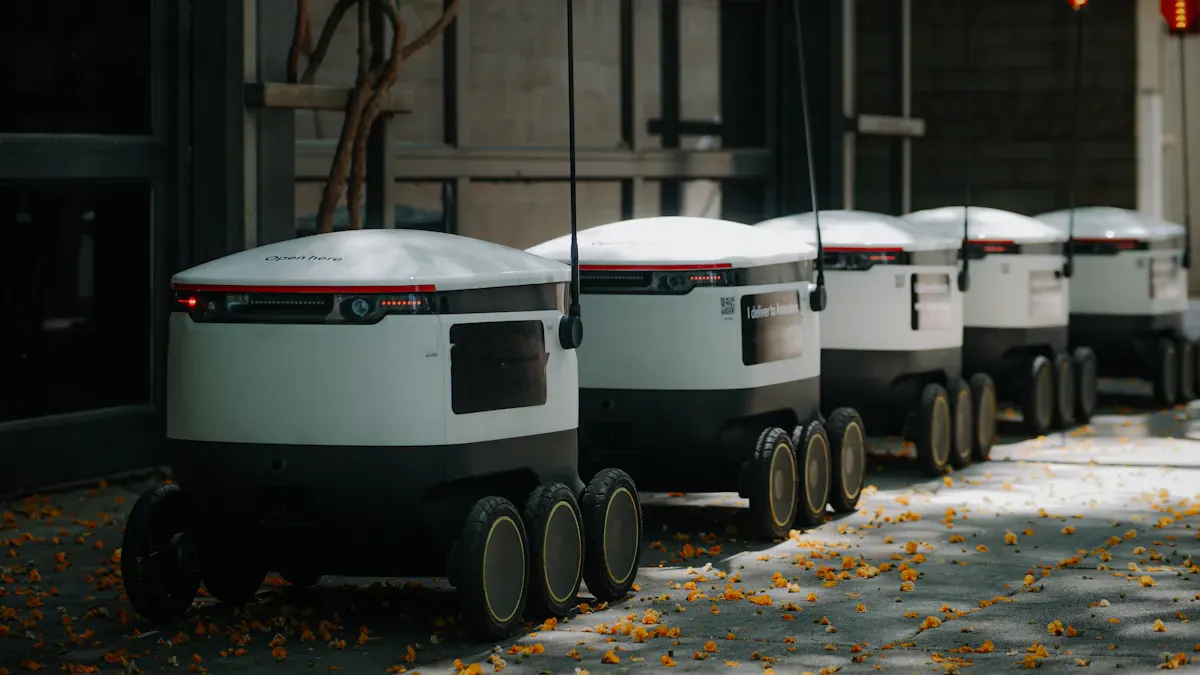
You see autonomous stores changing how you shop on campus. Technology lets you visit an autonomous micro store any time, day or night. You get convenience and quick access to snacks or supplies. These stores use smart systems to reduce waste and save energy. Students and staff benefit from improved efficiency and less environmental impact.
Autonomous stores give you sustainable choices and make daily life easier.
Key Takeaways
Autonomous stores offer 24/7 access, allowing students to shop anytime, enhancing convenience and flexibility.
These stores use smart technology to reduce waste by tracking inventory and managing stock levels efficiently.
Contactless payments and cashier-less systems make shopping faster and safer, improving the overall experience.
Energy-efficient practices in autonomous stores lower the carbon footprint, contributing to campus sustainability goals.
Students benefit from personalized promotions and real-time inventory updates, ensuring they find what they need quickly.
Autonomous Stores and Campus Sustainability

Technology Overview
You see new technology changing the way you shop on campus. Autonomous micro store solutions use advanced systems to make shopping easier and more sustainable. These stores use cashier-less store technology, such as artificial intelligence and electronic shelf labels, to create a cashier-less shopping experience. You can walk in, pick up what you need, and leave without waiting in line. The system tracks your purchases and completes your payment automatically.
Here is a table showing the core capabilities of autonomous stores on campus:
Core Capabilities | Description |
|---|---|
Automated product recognition | Uses computer vision and RFID to identify items without barcodes. |
Cashierless checkout | Transactions are completed automatically when you leave the store. |
Real-time inventory management | Stock levels are updated instantly without manual counting. |
Customer behavior analytics | Tracks browsing patterns and purchase histories. |
Multi-item transactions | Lets you select multiple products, just like in a regular convenience store. |
Removes the need for buttons, dispensers, or checkout queues. |
Electronic shelf labels, or ESLs, play a big part in these stores.
ESLs enable dynamic pricing strategies, so prices can change based on demand or time of day.
They use wireless technology for instant updates across the store network.
ESLs can show extra product details, promotions, or QR codes to help you learn more or get special offers.
Autonomous micro store technology also supports contactless payments. You do not need to touch cash or cards. This makes shopping safer and faster for everyone.
ESG Alignment
Autonomous stores help your campus reach its sustainability goals. These stores use technology to improve environmental, social, and governance (ESG) outcomes. AI systems in autonomous micro stores track inventory in real time. This means you always find popular items in stock, and the store does not order too much. Less extra stock means less waste. You help the environment every time you shop at an autonomous micro store.
Autonomous micro stores also support social goals. They give you 24/7 access to food, drinks, and supplies. You do not have to wait for regular store hours. This helps students with busy schedules or late-night study sessions. The cashier-less store technology also creates a contactless and inclusive shopping experience for everyone.
You may notice that universities face some challenges when adding autonomous stores to their sustainability plans. Sometimes, teams do not work together well, or rules make it hard to change old ways. Good communication and flexible procedures help your campus get the most from autonomous shopping systems.
Autonomous micro stores on campus use technology to make retail more sustainable, convenient, and accessible for all students and staff.
Sustainability Benefits for Students
Waste Reduction
You see less waste when you shop at autonomous stores on campus. These stores use technology to track products and manage inventory. AI-driven systems help staff know exactly what needs restocking. You do not see shelves filled with items that will expire soon. The store monitors expiration dates and alerts staff before products go bad. This automation reduces human error and keeps waste low.
AI-driven inventory systems minimize overstock and waste.
Real-time analytics and IoT integration streamline operations.
The replenishment system tracks product levels and alerts staff for restocking.
Expiration dates are monitored, which improves inventory management for perishable goods.
You help the environment every time you choose an autonomous micro store. Less waste means fewer products end up in the trash. You see a cleaner campus and a smarter retail experience.
Energy Efficiency
You notice that autonomous stores use energy more efficiently than traditional campus retail outlets. Automation controls lighting and refrigeration. Sensors turn off lights when no one is inside. Refrigerators adjust their settings based on the number of customers. You see stores that use less power and reduce their carbon footprint.
Contactless payments also save energy. You do not need paper receipts or extra equipment. The store uses digital systems to process transactions. You see a faster checkout and less energy wasted.
Automation and contactless technology make campus retail more efficient and sustainable.
24/7 Access and Convenience
You enjoy 24/7 access to autonomous stores on campus. You can shop any time, day or night. Surveys show that 62% of students consider round-the-clock access to food as the most important part of campus dining. Nearly 80% of meal plan users say convenience and time-saving matter most.
You do not have to wait for regular store hours. You can grab snacks after late-night study sessions or early morning classes. The store is always open, so you never miss out. You experience a new level of convenience and flexibility.
Autonomous stores give you freedom to shop when you need it, making campus life easier for all students.
Operational Efficiency in Campus Retail
Labor Savings
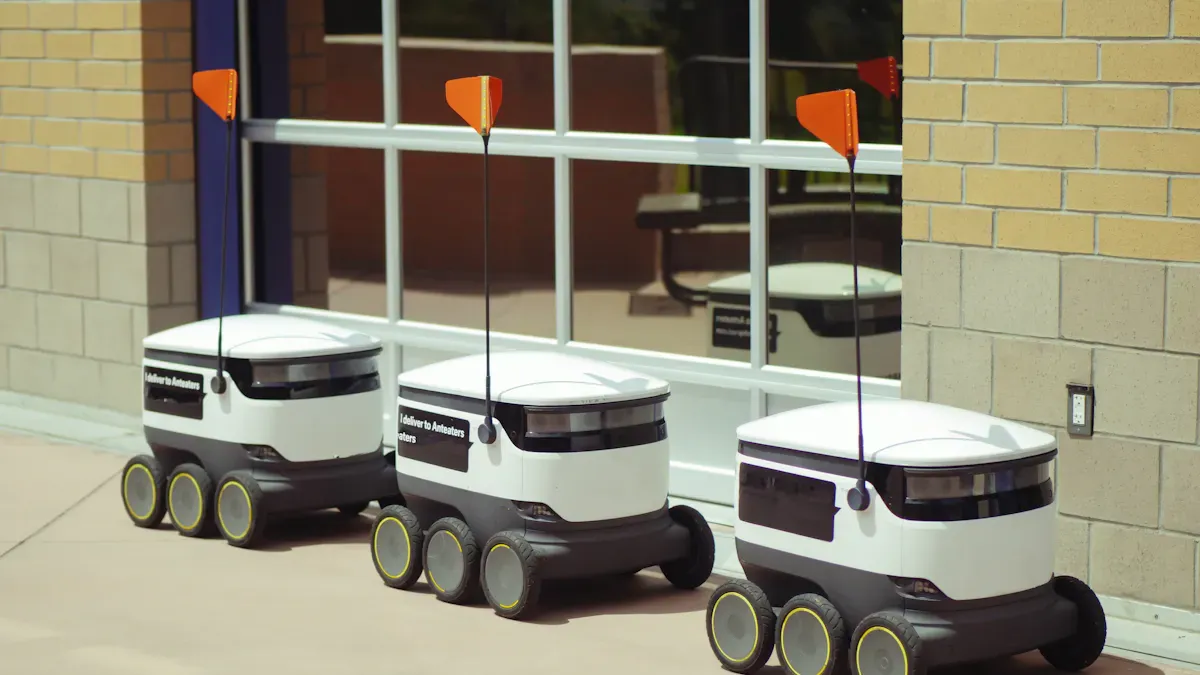
You notice that autonomous stores change how staff work on campus. Automation and self-service options mean you do not need as many employees to run daily operations. Staff can focus on tasks that matter most, like keeping the store clean or helping students find what they need. Automated payment systems and frictionless checkout let you shop quickly without waiting in line. You experience more convenience and faster service.
Here is a table showing how autonomous micro store technology impacts labor and costs:
Evidence Type | Description | Impact |
|---|---|---|
Labor Cost Reduction | Stores require fewer employees for stock management, leading to cost savings. | Significant reduction in staffing needs. |
Enhanced Operational Efficiency | Staff receive alerts for restocking, ensuring shelves are well-stocked. | Improved inventory management. |
Financial Savings | Optimized labor allocation |
You see that these changes lead to better operational efficiency and financial savings for your campus retail locations.
Real-Time Inventory
You benefit from real-time inventory control every time you visit an autonomous store. Technology tracks product levels with smart sensors and electronic shelf labels. These tools help staff know exactly when to restock items, so you always find what you need. Automation reduces waste and keeps shelves full.
Real-time inventory management ensures accurate tracking of stock levels.
Predictive analytics help determine when to restock, reducing overstocking.
Automated inventory tracking minimizes manual effort and enhances efficiency.
IoT devices and machine learning monitor product levels in real time.
Smart scales detect when items leave the shelf, triggering restocking alerts.
The system achieves an accuracy rate of over 99%, ensuring dependable campus shopping.
Electronic shelf labels also improve your shopping experience. They display product information and update prices instantly. You see a modern, visually appealing store that uses less paper and supports sustainability. Contactless payments and autonomous shopping systems make your visit smooth and safe.
Autonomous stores on campus use technology and automation to deliver improved inventory management, greater efficiency, and a better shopping experience for everyone.
Campus Examples and Student Experience
Gen Z Preferences
You see that Generation Z shapes the future of campus retail. This group values brands that support social causes and sustainability. You want unique experiences and personalized choices that fit your needs. Online shopping feels natural to you because you use the internet every day. You care about ethical and environmental issues, which guide your purchasing decisions. Social media influences what you buy, especially when influencers seem trustworthy and visually appealing. You notice a trend toward sustainable shopping habits, and businesses must respond to these changes.
Generation Z prefers brands with strong social values.
Personalized offerings attract your attention.
Online purchasing is part of your daily routine.
Ethical and environmental concerns affect your choices.
Social media shapes your consumer behavior.
You expect brands to be ethical and transparent.
User-friendly websites help you make informed decisions.
You expect campus stores to provide convenience, sustainability, and transparency. Autonomous stores meet these needs by offering contactless payments, real-time inventory updates, and 24/7 access.
Successful Implementations
You see autonomous micro store technology in action at several universities. These stores operate around the clock, giving you access to snacks, supplies, and essentials whenever you need them. Students benefit from contactless shopping, which reduces wait times and supports safety. Campus retail locations use smart sensors and electronic shelf labels to manage inventory efficiently. Staff receive alerts for restocking, so shelves stay full and waste stays low.
Here is a table showing how autonomous stores improve the student experience:
Feature | Benefit for Students |
|---|---|
24/7 access | Shop any time, day or night |
Contactless payments | Faster, safer checkout |
Real-time inventory | Always find what you need |
Personalized promotions | Offers tailored to your preferences |
You experience a modern campus environment where technology supports your needs. Autonomous stores create a seamless retail experience, making campus life easier and more sustainable.
You see how autonomous stores help your campus reach important sustainability goals. These stores use smart technology to cut waste and save energy. You enjoy quick shopping and less waiting. Students benefit from 24/7 access and safer, cleaner spaces. If you want a greener future, ask your university to bring autonomous stores to your campus.
FAQ
What is an autonomous store?
You shop in an autonomous store without cashiers. Smart technology tracks what you pick up. You pay automatically when you leave. The store uses sensors and cameras to make shopping fast and easy.
How do autonomous stores help the environment?
You help the environment by shopping in stores that use less energy and reduce waste. Smart systems track inventory and control lighting. The store only orders what you need, so fewer products get thrown away.
Are autonomous stores safe to use at night?
You stay safe in autonomous stores. Security cameras watch the store at all times. The store uses bright lights and emergency buttons. You can shop any time and feel secure.
Do autonomous stores accept meal plans or student cards?
You can use your meal plan or student card in most autonomous stores. The store connects to your campus payment system. You tap your card or scan your code to pay for your items.
See Also
The Future of Retail: Embracing AI-Driven Stores
Discovering Sensi Retail: A Cannabis Shop Promoting Equity
Comparing Micromarkets and Smart Stores in Global Retail
