Best locations to deploy micro autonomous stores in Convenience store chains & small-format grocery.
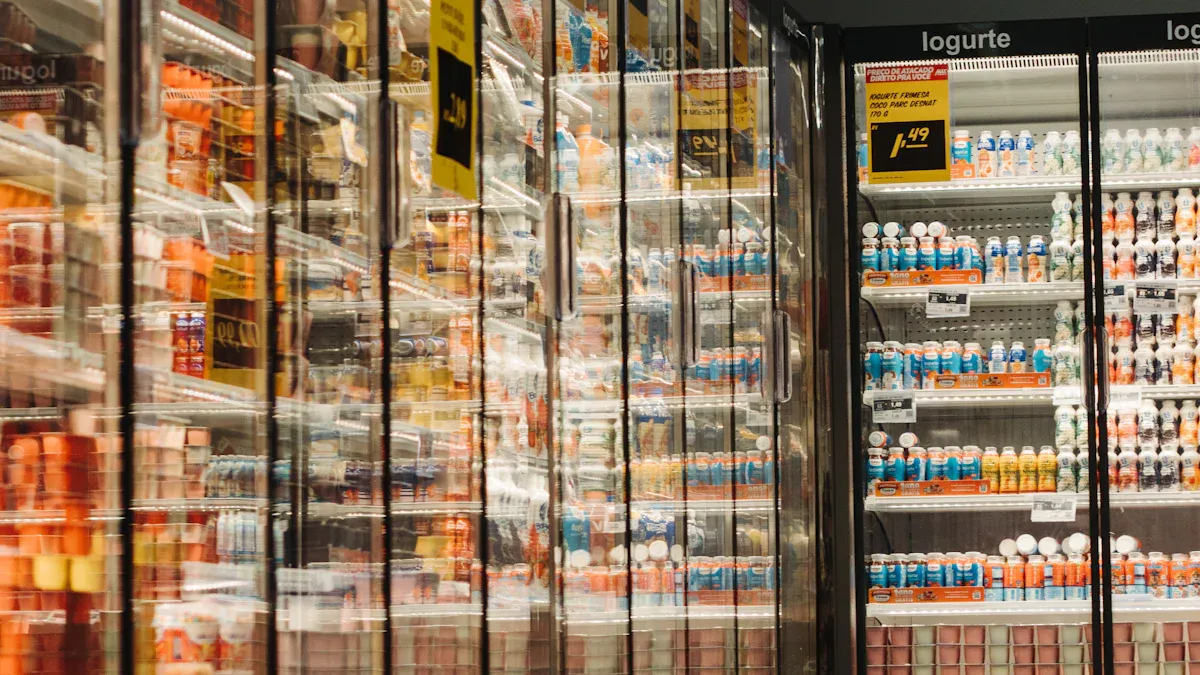
You find the best locations for micro autonomous stores in areas with high foot traffic, residential clusters, and inside existing store footprints. Technology drives rapid growth in unmanned convenience stores, with the market valued at $4.18 billion in 2023 and expected to reach $16.53 billion by 2031.
Micro-fulfillment centers often fit into spaces like store backrooms, parking lots, or basements.
Operational efficiency and real-world adoption trends show strong demand for these innovative solutions.
Key Takeaways
High-traffic urban areas are ideal for micro autonomous stores. They attract many customers looking for quick shopping options.
Transit hubs and university campuses provide strong opportunities. These locations have lots of foot traffic and tech-savvy shoppers.
Apartment complexes and suburban centers are great for convenience. Residents appreciate easy access to snacks and essentials without leaving home.
Placing stores near gyms and offices meets the needs of busy customers. They want quick access to healthy snacks and meals during their day.
Using underutilized spaces like backrooms or parking lots can save costs. This strategy allows for faster growth without needing new buildings.
Best Locations: High-Traffic Urban Areas

When you look for the best locations to deploy micro autonomous stores, high-traffic urban areas stand out. These places bring together large groups of people who want quick and easy shopping. You can see real-world examples from companies like Yesway, Choice Market, and Golden Pantry. They have tested autonomous micro stores in busy city settings and found strong results.
Downtown Districts
Downtown districts offer some of the best locations for micro autonomous stores. People in these areas move quickly and need fast access to snacks, drinks, and daily essentials. You can reach office workers, tourists, and residents all in one place. Automated stores fit well here because they save on labor and stay open all day and night.
Here is a table that shows the main benefits of placing micro autonomous stores in downtown districts:
Benefit | Description |
|---|---|
Labor Efficiency | Automated systems reduce the need for staff, allowing for cost savings and operational efficiency. |
24/7 Availability | These stores can operate around the clock, providing convenience for customers at any time. |
Enhanced Customer Experience | Automation and AI technology improve the shopping experience by reducing wait times and personalizing offers. |
Convenient Access | Located in urban areas, they provide easy access to essential items for city dwellers. |
Tip: If you want to maximize store performance, choose downtown locations with steady foot traffic throughout the day.
Transit Hubs
Transit hubs, such as train stations and bus terminals, also rank among the best locations for micro autonomous stores. Travelers and commuters often need quick snacks, drinks, or last-minute items. You can serve hundreds or even thousands of people each day in these busy spots. Automated stores work well here because they do not need much staff and can stay open during early mornings or late nights.
You can also use these stores to test new products or services. People passing through transit hubs often try new things if it saves them time.
University Campuses
University campuses provide another set of best locations for micro autonomous stores. These areas have high population density and lots of foot traffic. Students, faculty, and staff all need easy access to food and supplies. Most people on campus feel comfortable using new technology, which makes autonomous stores a natural fit.
University campuses share many features with urban areas like Jersey City. Both have walkable layouts and a tech-savvy crowd. This environment helps micro autonomous stores succeed.
You can see the impact of these stores on campuses in the tables below:
Metric | Value |
|---|---|
Increase in visits | 18% more visits per week |
Sales per visit | 1.2 sales per visit |
Metric | Value |
|---|---|
Revenue compared to vending | |
Shrinkage | Zero shrinkage |
Access | 24/7 access |
Note: Micro autonomous stores on campuses often outperform traditional vending machines. You get more visits, higher sales, and no shrinkage.
When you choose the best locations for your micro autonomous stores, focus on places where people gather and move often. High-traffic urban areas, downtown districts, transit hubs, and university campuses all offer strong potential for growth and customer satisfaction.
Residential and Mixed-Use Areas
Apartment Complexes
You can find strong opportunities for micro autonomous stores in apartment complexes, especially in luxury buildings. Companies like Urban Value Corner Store and Juxta have placed these stores inside residential communities. Residents enjoy quick access to snacks, drinks, and daily essentials without leaving their building. You see these stores work best in community-based and rural areas, where people know each other and feel safe.
Here is a table that shows important factors for success in apartment complexes:
Evidence | Description |
|---|---|
Consumer Preference | Residents often prefer staffed stores, but autonomous stores offer convenience. |
Safety Perceptions | Features that make shopping easier may sometimes lower feelings of safety. |
Location Suitability | Stores succeed more in community-focused areas than in busy, anonymous places. |
Tip: You should focus on buildings with high resident engagement and a sense of community. This helps increase store visits and trust.
Suburban Centers
Suburban centers also rank among the best locations for micro autonomous stores. These areas have high-density housing and mixed-use developments. You can reach families, commuters, and workers who want fast service and easy shopping. Success depends on how well you manage technology and operations.
Key factors for success in suburban centers include:
Key Factor | Description |
|---|---|
Market Differentiation | You stand out by offering better delivery options. |
Customer Retention | Fast delivery encourages repeat purchases. |
Operational Complexity | You must manage multiple sites and keep technology working smoothly. |
Technology Integration | Systems need to communicate well and handle data efficiently. |
You can measure store performance using these metrics:
Metric | Description |
|---|---|
On-Time Delivery Rate | Orders delivered on time show strong operations. |
Order Picking Accuracy Rate | Correct orders build customer loyalty. |
Average Cost Per Order | Lower costs help you make more profit. |
Total Order Cycle Time | Shorter times mean faster service for customers. |
Inventory Accuracy Rate | Accurate inventory prevents running out of stock. |
Last-Mile Delivery Cost & Success Rate | Good delivery rates keep customers happy and costs low. |
Note: You should choose suburban centers with high population density and easy access for delivery drivers. This helps you serve more customers and keep costs down.
When you look for the best locations for micro autonomous stores, focus on apartment complexes and suburban centers with strong community ties and high demand for convenience. You can use technology and smart operations to stand out and grow your business.
Near Complementary Businesses
Gyms and Offices
You can find great success by placing micro autonomous stores near gyms and office buildings. People who visit gyms often want healthy snacks, protein bars, or drinks after a workout. Office workers need quick meals, coffee, or small essentials during busy workdays. These locations bring steady foot traffic and a customer base that values speed and convenience.
When you set up a micro autonomous store near a gym, you meet the needs of health-focused customers. You can stock items like bottled water, energy drinks, and fresh fruit. Office buildings offer a different opportunity. Workers want to grab lunch or a snack without leaving the building. You can provide sandwiches, salads, and even basic office supplies.
Here are some reasons why gyms and offices work well for micro autonomous stores:
You reach people who want fast service.
You can operate with fewer staff members.
You offer 24/7 access, which fits many work and exercise schedules.
You can test new products with a focused group of customers.
Tip: Choose locations with high membership gyms or large office complexes. This helps you get more sales and steady traffic.
Healthcare Campuses
Healthcare campuses, such as hospitals and medical centers, also offer strong potential for micro autonomous stores. Staff, patients, and visitors all need access to food, drinks, and daily essentials. You can provide a valuable service by making shopping easy and fast in these busy environments.
You will find both benefits and challenges when you deploy stores on healthcare campuses. The table below shows some key points:
Benefits | Challenges |
|---|---|
Not suitable for every retailer | |
Bringing convenience directly to shoppers | Requires initial investment in technology |
Approaching the right demographic | Potential resistance from traditional staff |
You can create jobs that attract people who want flexible work. You also bring convenience to shoppers who may not have time to leave the campus. However, you need to invest in technology and work with hospital staff who may prefer traditional stores.
Note: You should work closely with healthcare administrators to make sure your store fits the needs of the campus. This helps you build trust and long-term success.
When you place micro autonomous stores near gyms, offices, or healthcare campuses, you tap into a steady stream of customers who value convenience and speed. You can use technology to meet their needs and grow your business.
Within Store Footprints
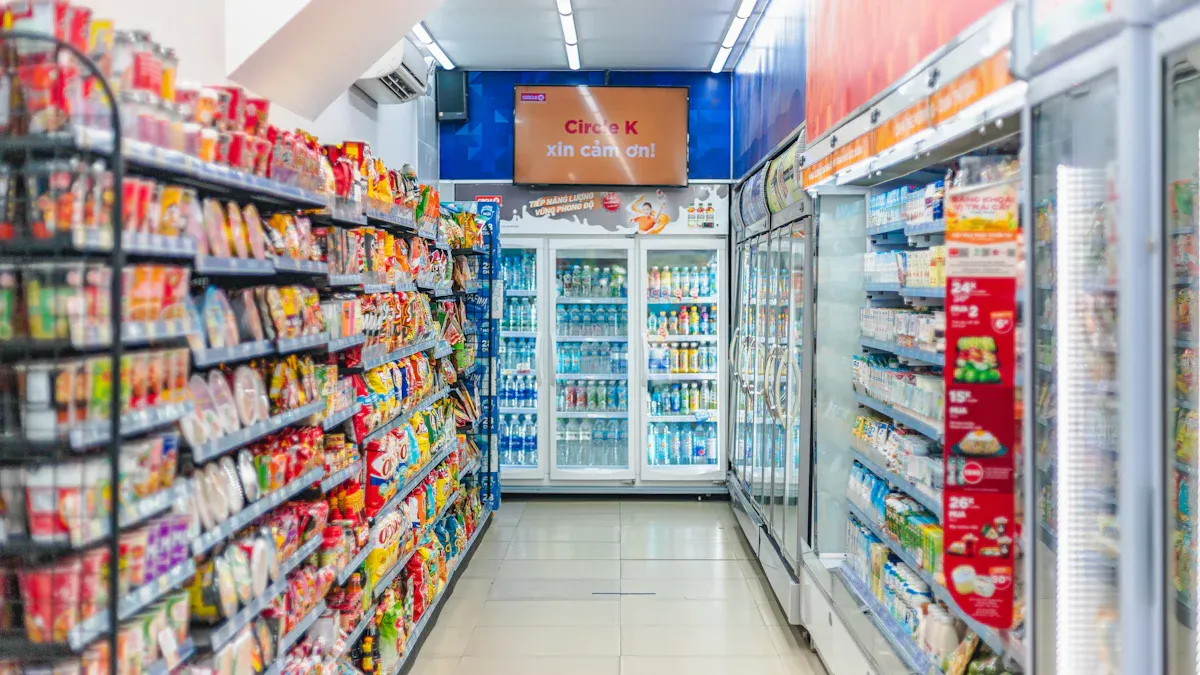
Store-Within-a-Store
You can boost your store’s efficiency by adding micro autonomous stores inside existing locations. This approach uses automation and micro fulfillment centers (MFCs) to handle inventory, order picking, and checkout. You get faster service and better use of space. Micro fulfillment centers can process thousands of orders each day. They help you serve urban customers quickly and keep up with growing online grocery sales.
Micro fulfillment centers digitize storage, order processing, and shipping. This streamlines your operations and improves delivery speed. You also get accurate labeling and real-time stock monitoring. Robotic order fulfillment increases speed and accuracy while lowering labor costs. You can connect these systems with e-commerce platforms to make order processing seamless.
Here is a table showing how automation improves your store-within-a-store concept:
Function | Benefit |
|---|---|
Inventory Management | Real-time tracking reduces errors and keeps shelves stocked. |
Efficient Space Utilization | Automated systems maximize storage and make products easy to access. |
Order Processing and Picking | Robots pick orders quickly and accurately, saving time and money. |
Seamless Integration with Delivery | E-commerce connections speed up order fulfillment and improve customer satisfaction. |
Data Analytics and Forecasting | Predictive tools help you stock the right products and meet customer needs. |
Tip: You can use micro fulfillment centers to handle up to 5,000 orders daily, making your store more competitive.
Underutilized Spaces
You can turn underused areas like backrooms, basements, or parking lots into micro autonomous stores. This strategy lets you save money and grow faster. Automation reduces labor and operational costs. You get a leaner business model and quicker returns on your investment.
Here is a table that highlights the cost-saving benefits:
Cost Saving Aspect | Description |
|---|---|
Lower Labor & Operational Costs | Automation cuts routine labor and manual oversight. |
Faster Payback & Expansion Potential | Autonomous stores reach profitability quickly and scale with less risk. |
Data-Driven Decisions | Real-time insights help you place products better and increase profits. |
You also benefit from shorter delivery routes, more stops per route, and fewer delays. Micro fulfillment centers need less investment than traditional warehouses. Technology helps you reduce transportation costs and improve inventory turnover.
Note: Using underutilized spaces helps you grow your business without building new stores. You make the most of what you already have.
Location Selection Criteria
Choosing the right location for your micro autonomous store helps you reach more customers and grow your business. You need to look at several important factors before you decide where to set up your store.
Demographics
You should study the people who live or work near your store. Age, income, occupation, and family structure all affect what products people buy and how often they shop. Population growth shows if your area will have more customers in the future. You also need to check for competitors and learn about local lifestyle preferences. These details help you match your store’s offerings to what people want.
Demographic Factor | Importance |
|---|---|
Age | Different ages respond to different marketing methods and business models. |
Income | Disposable income determines price point and affordability of products/services. |
Occupation | Understanding occupations helps tailor offerings to local needs. |
Family Structure | Family demographics inform the types of services that will thrive in an area. |
Population Growth | Trends indicate market potential, especially for millennials. |
Competition | Analyzing competitors helps identify market gaps. |
Lifestyle Preferences | Understanding residents' values aids in tailoring offerings and marketing strategies. |
Tip: You can use demographic data to stock the right products and set prices that fit your customers’ budgets.
Foot Traffic
You want your store in places where many people walk by every day. High foot traffic means more chances for sales. You can measure foot traffic by counting people during busy hours or using sensors. Busy areas like transit hubs, downtown districts, and university campuses often bring steady streams of customers. You should also look at patterns, such as peak times and slow periods, to plan your store’s hours and inventory.
High foot traffic increases your store’s visibility.
More visitors lead to higher sales and faster growth.
Accessibility
Your store needs to be easy for everyone to reach and use. Good store layout allows clear paths for walking and for people with mobility devices. You should offer accessible touchscreens and simple entry options, such as credit card access. Adjustable kiosks and frictionless checkout make shopping easier for all customers.
Accessibility Factor | Description |
|---|---|
Store Layout | Designed with inclusivity in mind, allowing for clear paths for foot traffic and mobility devices. |
Alternative Forms of Interaction | Includes accessible touchscreens and seamless entry using credit cards for easier access. |
Self-Checkout Options | Features adjustable kiosks and frictionless checkout solutions to enhance accessibility. |
Overall Benefits | Increases customer satisfaction, loyalty, and revenue by providing an inclusive shopping experience. |
Note: Accessible stores attract more customers and build loyalty in your community.
Security & Logistics
You must keep your store safe and run it smoothly. You face challenges like following local laws, handling liability, and protecting your technology from cyber threats. You need strong infrastructure and must build trust with the public. High initial costs for technology and setup can be a hurdle. You should plan for these issues before you launch your store.
Challenge Category | Specific Challenges |
|---|---|
Regulatory and Legal | Compliance with various regulations across regions; complex liability concerns. |
Technological | Need for advanced infrastructure; cybersecurity risks. |
Public Acceptance | Building trust in safety; potential job displacement due to automation. |
High Initial Costs | Significant capital investment required for technology and infrastructure. |
Tip: You can work with local officials and invest in secure systems to overcome these challenges.
When you consider demographics, foot traffic, accessibility, and security, you make smarter choices for your micro autonomous store’s location. These criteria help you serve your customers better and build a successful business.
Deployment Considerations
Regulations & Permits
You must follow local rules before you open a micro autonomous store. Each city or state may have different laws. You need to get the right permits for food safety, building codes, and business operations. Some places require extra steps for stores that use new technology. You should talk to local officials early. This helps you avoid delays and keeps your store running smoothly. Always check for updates to laws because rules can change quickly.
Tip: Build a checklist for all permits and inspections. This keeps your project on track.
Tech Infrastructure
Strong technology makes your micro autonomous store work well. You need cameras and sensors to watch how shoppers pick products. These tools help you track inventory and see what people like to buy. Artificial Intelligence (AI) systems learn from shopper habits and help you stock the right items. AiFi technology lets customers shop without waiting in line to pay. You can use these systems to make shopping fast and easy.
Cameras and sensors monitor product selection and inventory.
AI systems manage stock and predict what shoppers want.
AiFi technology combines AI, computer vision, and sensors for real-time tracking and checkout-free shopping.
Machine learning tools analyze data for better store operations.
You should choose reliable hardware and software. This helps you avoid problems and keeps your store open all day.
Partnerships & Agreements
You can grow faster by working with the right partners. Many convenience store chains, like Choice Market, Yesway, and Golden Pantry, have teamed up with technology providers to launch micro autonomous stores. These partnerships let you test new locations without long-term contracts. You can also use flexible store formats to fit different spaces. Good agreements help you share risks and rewards with your partners.
Partner with technology companies for store setup and support.
Work with property owners to find the best locations.
Use flexible contracts to try new markets without big commitments.
Note: Strong partnerships help you adapt quickly and reach more customers.
You can find the best results by placing micro autonomous stores in high-traffic urban areas, residential clusters, and inside existing store footprints. Real-world examples show how technology improves speed and service:
Convenience Store Chain | AI Implementation Description | Reported Results |
|---|---|---|
Zippin | AI-powered computer vision tracks items and charges your account automatically. | You finish shopping in just 20 seconds instead of 20 minutes. |
Cubby's & Mach 1 Stores | Voice analytics tool listens to cashier-customer talks and tracks performance. | Employees feel more motivated, and you get better service. |
Casey's General Stores | Conversational AI system takes call-in orders and links them to rewards programs. | You get personalized offers, and staff can suggest more items to buy. |
You should also plan for challenges like cybersecurity, accessibility, and billing errors. Many stores use strong security, easy interfaces, and hybrid models to solve these problems. When you align your site choice with technology and customer needs, you set your store up for success.
FAQ
What is a micro autonomous store?
A micro autonomous store uses technology to let you shop without cashiers. You scan in, pick your items, and leave. Sensors and cameras track what you take. The store charges your account automatically.
How do you choose the best location for a micro autonomous store?
You look for places with high foot traffic, easy access, and strong demand for convenience. Good spots include downtown areas, transit hubs, and apartment complexes. You also check local rules and customer needs.
What technology do you need for a micro autonomous store?
You need cameras, sensors, and AI software. These tools track inventory and help with checkout. You also need a secure payment system. Reliable internet keeps everything running smoothly.
Are micro autonomous stores safe and secure?
Yes, you can keep stores safe by using cameras, alarms, and secure entry systems. You should also protect customer data with strong cybersecurity. Regular checks help prevent problems.
See Also
Comparing Micromarkets And Smart Stores In Global Retail
Understanding The Growth Of AI-Driven Corner Stores
Finding The Top Corner Stores Near Your Location
Creative Vending Machine Sites That Break The Norm
Uncovering Optimal Micro Market And Vending Options For Businesses
