Best locations to deploy micro autonomous stores in Convenience store chains & small-format grocery.

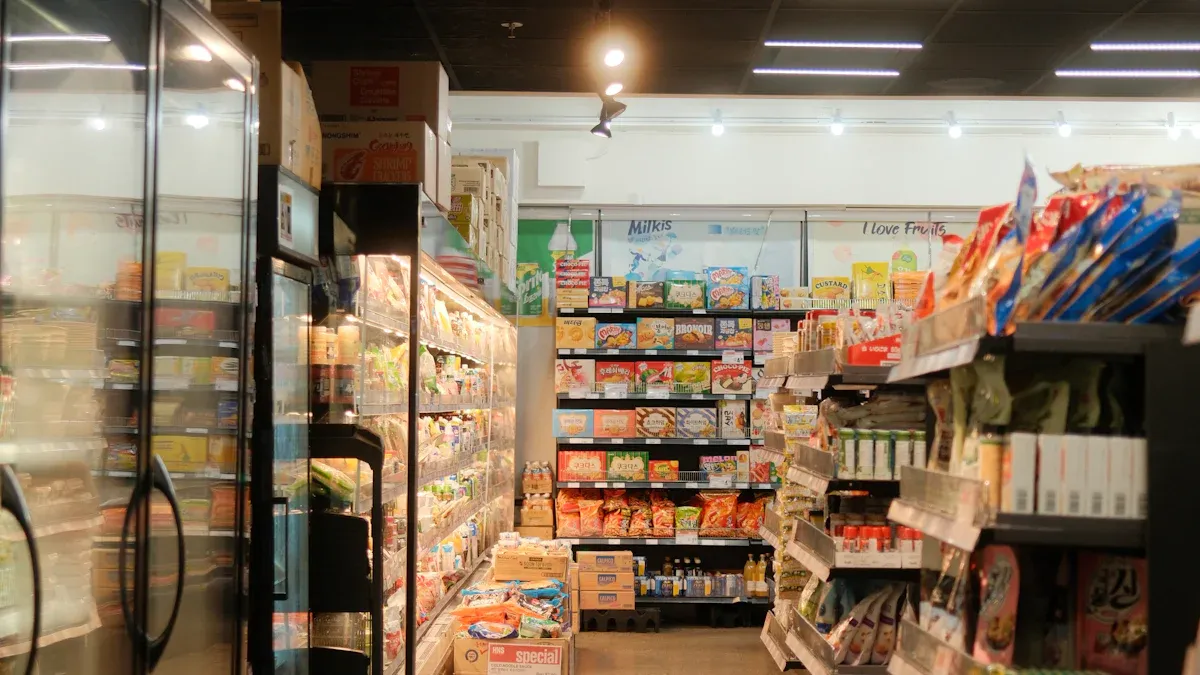
You will find the best locations for micro autonomous stores in areas with high community engagement and unmet convenience needs. These stores give you an advantage by improving efficiency and lowering costs. Technology helps you personalize shopping and makes each store more responsive to customers. Micro autonomous stores use data to understand what customers want and deliver better service. You see improvements in customer experience, especially in locations where access matters most.
Factor | |
|---|---|
Check-in necessity | Barrier to retail patronage |
Virtual video support | Accepted as effective as telephone support |
Technology-enabled checkout | Similar effect to staffed checkout options |
Verification of basket costs | Consumers dislike inability to verify before payment |
Location preference | Community/rural locations are preferable for success |
Key Takeaways
Choose high-traffic urban areas for micro autonomous stores to maximize customer reach and convenience.
Utilize transportation hubs like airports and train stations to capture a steady flow of customers seeking quick access to essentials.
Target food deserts and underserved markets to provide access to fresh food and improve community health.
Leverage data-driven site selection to identify the best locations based on foot traffic, competition, and community needs.
Form partnerships with local businesses to enhance store offerings and build trust within the community.
Best Locations for Micro Autonomous Stores

High-Traffic Urban Areas
You can find the best locations for micro autonomous stores in high-traffic urban areas. These places have many people moving through them every day. When you place stores in these locations, you reach more customers and make shopping easier for everyone. You see this in places like Hollywood, California, where VenHub opened a 24/7 Smart Store near the Hollywood Bowl and Walk of Fame. This store shows how micro autonomous stores can work well in busy city spots.
You should look for areas with high foot traffic. These include busy streets, shopping districts, and places near popular attractions. Residential clusters also help you find the best locations. When you put micro autonomous stores near where people live, you make it easy for them to grab what they need. You can use data to track how many people pass by each day. This helps you choose the right locations for your stores.
You can also use existing store footprints to boost your success. If you already have a convenience store or small-format grocery in a busy area, you can add a micro autonomous store nearby. This gives customers more options and increases your reach. Urban density matters. The more people live or work in an area, the better your store will do. You can use data to measure this and find the best spots.
Tip: Place micro autonomous stores where people already gather, like near offices, parks, or entertainment venues. This increases your chances of success.
Transportation Hubs
Transportation hubs are some of the best locations for micro autonomous stores. Airports, train stations, and bus terminals have thousands of people moving through them every day. These locations offer high foot traffic and a steady stream of customers who want quick and easy access to snacks, drinks, and other essentials.
Airports now make up 30% of the automated retail market share. This shows that travelers like using self-service stores. You can see more micro autonomous stores in these places because they help customers save time. The rise of unmanned retail environments, like Amazon Go, started in the late 2010s. This trend shows that people want fast and easy shopping, especially in transit hubs.
You should also look at university campuses and other transit hubs. Students and commuters need quick access to food and supplies. Micro autonomous stores fit well in these locations. You can use data to see which hubs have the most people and place your stores there. This helps you meet customer needs and improve efficiency.
Note: When you put micro autonomous stores in transit hubs, you help customers who are always on the move. You also make your store more visible to new people every day.
Food Deserts and Underserved Markets
Food deserts and underserved markets are important locations for micro autonomous stores. These are places where people have limited access to fresh food and groceries. You can help these communities by placing stores where they are needed most. Micro autonomous stores bring convenience and access to people who might not have a grocery or convenience store nearby.
You should use data to find areas with few stores and high residential density. When you place a micro autonomous store in these locations, you give customers better access to food and daily essentials. This can improve health and quality of life in the community. You also reach new customers who may become loyal to your brand.
You can also look at university campuses and residential neighborhoods that lack easy access to stores. Micro autonomous stores can fill these gaps. You help students, families, and single-person households get what they need without traveling far. This makes your store a valuable part of the community.
Callout: Micro autonomous stores can change lives in food deserts. You give people access to healthy food and daily items, making a real difference.
When you choose the best locations for micro autonomous stores, you focus on high-traffic urban areas, busy transit hubs, and underserved markets. You use data to guide your decisions and make sure your stores meet the needs of customers. This approach helps you improve convenience, increase efficiency, and build a strong presence in the community.
Convenience and Customer Demands
Mobile-First and Small-Format Retail
You see micro autonomous stores changing how you shop in urban and suburban areas. These stores use mobile-first technology to connect with customers. You find information about brands and products on your phone. In fact, 63% of customers prefer mobile research before making a purchase. Retailers now blend in-store experiences with e-commerce, mobile apps, and social media shopping. This creates a seamless journey for you.
Trend | Statistic |
|---|---|
Preference for Experiences | 58% Americans prefer spending on experiences over material goods (14% above global average). |
Mobile Research | 63% Consumers prefer finding brand and product information on mobile devices. |
Micro autonomous stores use data to track what you want. You see urban fulfillment centers combining stores, digital tools, and fast delivery options. Autonomous stores like Juxta's Nomad use AI and computer vision to improve your shopping experience. You interact with store apps, which help you make decisions and build stronger relationships with brands.
Mobile-first strategies drive purchases and engagement.
Autonomous stores rely on technology, not just physical interactions.
Single and Two-Person Households
Micro autonomous stores serve single and two-person households well. You notice more people living alone or with one other person. About 36 million Americans live alone, making up 28% of all households. More than half of households consist of one or two people. Single buyers account for 51% of total US retail food and beverage sales. Micro stores use data to understand these demographics and predict future growth.
Micro autonomous stores meet the needs of these customers.
Data helps you find the right products for your lifestyle.
You see micro stores on campuses and in residential areas. These locations help you get groceries and essentials quickly. Autonomous stores make shopping easy for small households.
24/7 Access Points
You want convenience at any time. Micro autonomous stores offer 24/7 access, which means you can shop whenever you need. Autonomous technology supports this flexibility. In convenience store chains and small-format grocery, you see stores open all day and night. Data shows that 67% of shoppers feel impatient when waiting. Travelers prefer hotels with self-service options, and 60% of hotel lobby purchases happen between 7 p.m. and 7 a.m.
Statistic | Value |
|---|---|
Shoppers feeling impatient when waiting | 67% |
Travelers preferring hotels with self-service options | 70% |
Hotel lobby purchases happening between 7 p.m. and 7 a.m. | 60% |
Increase in retail profits in the first month | From $1,388 to $18,308 |
Micromart's autonomous micro markets use smart technology for a fully automated experience. You skip traditional checkout lines and enjoy 24/7 access. Data shows that stores with autonomous systems see higher profits and happier customers. You find micro stores on campuses, in hotels, and near transit hubs. These locations give you access to essentials whenever you need them.
Tip: Choose micro autonomous stores with 24/7 access on campuses and in busy urban areas to maximize convenience for all customers.
Autonomous Micro Store Integration
Store-Within-a-Store Concepts
You can boost your autonomous micro store strategy by using store-within-a-store concepts. This approach lets you place micro autonomous stores inside existing retail spaces, such as convenience stores or small-format grocery stores. You share resources and lower financial risk. You also gain access to built-in foot traffic, which means more customers see your store every day. You test new products and collect data about customer preferences without opening a full store. You increase sales and brand exposure when you target a common audience and work with strong brands.
Benefit | Description |
|---|---|
Reduced financial risk | Minimizes costs by sharing resources with the host retailer, allowing brands to establish a physical presence without the financial risks of full-scale operations. |
Access to built-in foot traffic | Benefits from the existing customer base and foot traffic of the host retailer, reducing the need for heavy marketing investments. |
Market testing and data collection | Allows e-commerce brands to gather data on customer demographics and buying behaviors in physical retail without the commitment of a full store. |
Increased sales and brand exposure | Works best when two retailers have mutual or complementary customers, creating cross-selling opportunities and enhancing brand visibility. |
You see higher engagement and sales when you create dedicated branded spaces. Customers explore and interact with your autonomous micro store, which leads to more purchases.
Micro Fulfillment Centers (MFCs)
Micro fulfillment centers help you improve order processing and inventory management for autonomous micro stores. You process orders up to ten times faster than traditional methods. Automation reduces labor costs and makes last-mile logistics more efficient. You track inventory with greater accuracy, so customers find what they need. Micro fulfillment centers optimize space in urban areas and scale easily to meet demand.
Efficiency Type | Description |
|---|---|
Order Processing Time | MFCs can process orders up to 10 times faster than traditional methods, leading to quicker delivery. |
Labor Cost Savings | Automation in MFCs significantly reduces labor costs, especially in last-mile logistics. |
Inventory Accuracy | MFCs improve stock tracking, resulting in fewer stockouts and increased customer satisfaction. |
Flexibility for Omnichannel Customers | MFCs cater to both online and in-store shoppers, enhancing customer experience. |
Space Optimization | MFCs are designed for urban areas, maximizing efficiency in limited spaces. |
Scalability | Retailers can easily scale operations with MFCs to meet changing market demands. |
You lower last-mile costs and shorten cash conversion cycles. You also offer rapid delivery, with 1-2 hour windows for most urban customers. You improve product availability and reduce inventory obsolescence by using data to match supply with local demand.
Independent Store Partnerships
You can expand your autonomous micro store network by partnering with independent stores. These partnerships let you reach new customers and offer unique local products. You use data to identify stores with strong community ties. You integrate micro autonomous stores into these locations, which increases convenience for shoppers. You share technology and best practices, so both partners benefit. You build trust and loyalty by supporting local businesses and meeting the needs of each neighborhood.
Tip: Use data to find independent stores with high engagement. You create a win-win situation by combining autonomous technology with local expertise.
You see that integrating micro autonomous stores into existing retail footprints and independent stores helps you grow quickly. You improve efficiency, boost sales, and deliver a better experience for customers.
Technology and Efficiency in Stores
AI-Driven Demand Planning
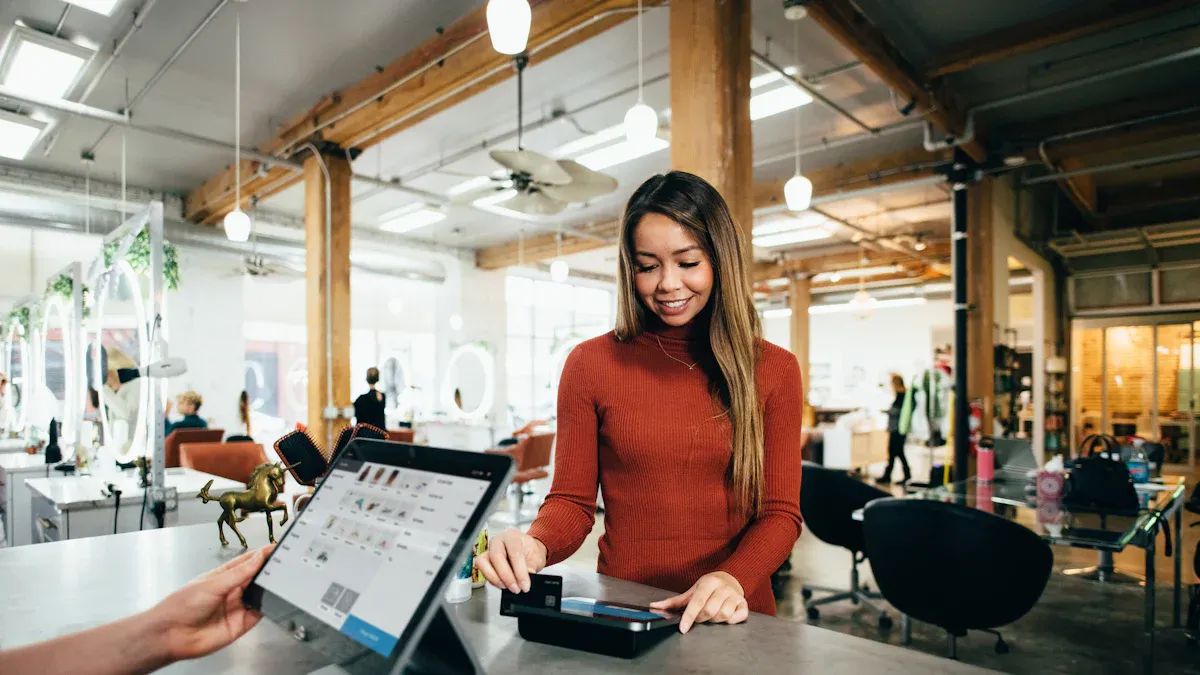
You can use AI-driven demand planning to make micro autonomous stores smarter and more efficient. AI systems process huge amounts of data, including sales, marketing, and even weather patterns. Walmart’s AI system, for example, analyzes over 200 million SKU-location combinations every day. This helps you reach a 95% forecast accuracy. You see fewer stockouts and less excess inventory, saving billions each year. AI models spot patterns in data that people might miss. Machine learning helps you adjust inventory in real time, so you always have what customers want. Automated ordering based on AI forecasts keeps shelves stocked and customers happy. You lower costs and reduce waste by matching inventory to actual demand.
AI uses data from many sources, not just sales.
Machine learning finds hidden patterns for better planning.
Automation adapts to new data, improving over time.
You get detailed forecasts for each store, reducing waste.
Delivery Drones and Electric Fleets
You can boost operational efficiency in micro autonomous stores by using delivery drones and electric fleets. Retailers like Amazon and Google use drones to deliver products much faster than trucks. Drones can cut last-mile delivery times by up to 20 times. They also use up to 94% less energy per parcel and produce 84% fewer greenhouse gas emissions than diesel trucks. This makes your store more eco-friendly and cost-effective. Drones work well in busy cities where traffic slows down regular deliveries. Over time, you spend less on delivery and give customers faster service.
Drones and electric fleets make last-mile delivery faster.
You lower energy use and emissions.
Automation in delivery means lower costs and better convenience for customers.
Real-Time Performance Monitoring
You can use real-time performance monitoring to improve automation and efficiency in micro autonomous stores. This technology lets you track every part of your store as it happens. You see how checkout works, how much stock you have, and how well automation runs. When you monitor performance in real time, you can fix problems fast. For example, if a checkout system fails, you act right away to avoid losing sales. You also adjust staffing during busy times, which helps customers get faster service.
Metric | Impact on Operations | Impact on Customer Satisfaction |
|---|---|---|
Average Transaction Value | Increases by more than 30% with better staff options | Enhances customer experience through better service |
Staff Productivity | Improved decision-making leads to efficiency | Faster service times improve satisfaction |
Stockouts | Quick response prevents revenue loss | Availability of products increases satisfaction |
Staffing Efficiency | Adjusting staff during peak hours increases sales | Reduces wait times, enhancing customer experience |
Research shows that real-time feedback links customer actions to revenue. When you offer more checkout options, you raise transaction values and keep customers happy. Automation and data help you spot issues and solve them before they hurt your store’s performance.
Tip: Use real-time data and automation to keep your store running smoothly and make sure customers always find what they need at checkout.
Assessing Local Needs for Best Locations
Demographic and Behavioral Analysis
You need to understand who lives and works near your potential store locations. Demographic and behavioral analysis helps you find the right spots for micro autonomous stores. You can use several methods to gather this information:
Geofencing lets you set up virtual boundaries. When customers enter these areas, you can send them targeted messages about your store.
Enhanced navigation apps give real-time updates. These tools help customers find your store and improve their travel experience.
Social networking apps, like Foursquare, allow users to check in at different places. You can see which locations attract the most visitors.
Customer behavior prediction models use past data to forecast what customers will do next. This helps you plan your store strategy.
You use these tools to learn about the habits and needs of people in each area. This makes your micro autonomous stores more successful.
Community Feedback
You should listen to the people who live and work near your store. Community feedback gives you valuable insights. You can hold surveys, interviews, or community meetings. Ask customers what products they want and what hours work best for them. You can also use online reviews and social media to gather opinions. When you respond to feedback, you show that your store cares about the community. This builds trust and loyalty.
Tip: Invite local customers to test new micro autonomous store features before a full launch. Their feedback can help you improve your store.
Data-Driven Site Selection
You can use data-driven tools to choose the best locations for your autonomous micro stores. These tools help you map competitor stores and analyze their influence. You measure market saturation to avoid placing your store in overserved areas. You also look for underserved regions with strong growth potential. GIS software helps you see where people live, work, and travel. You can estimate how well your store might perform by looking at customer demographics and competition. Isochrone maps show how far customers can travel to reach your store. You also use data on transportation networks and walkability to make sure your store is easy to reach.
Measure market saturation and avoid crowded areas.
Identify underserved regions with growth potential.
Use isochrone maps to see customer reach.
You use these steps to find the best places for your micro autonomous stores. This approach helps you meet customer needs and grow your business.
Action Steps for Deployment
Site Selection Checklist
You need a clear checklist when you choose locations for your autonomous micro store. This helps you make smart decisions and avoid mistakes. Use data to compare each site. Look for places with high foot traffic and easy access for customers. Check if the area has other stores or if it serves an underserved market. Review local rules and safety needs. Make sure your store fits the community. Here is a simple checklist:
Analyze data on foot traffic and customer behavior.
Review location selection criteria for autonomous micro store deployment.
Check for nearby stores and competition.
Assess convenience for customers.
Confirm local regulations and safety.
Tip: Use maps and customer surveys to gather data before you choose a site.
Pilot and Scale Strategies
Start with a pilot store before you expand. Choose one or two locations that match your data and criteria. Test your autonomous micro store with real customers. Watch how they use the store and what products they buy. Collect feedback and adjust your store based on what you learn. After you see success, plan to scale up. Use data from your pilot to pick new locations. Train your team and set up systems for fast deployment. Track results and keep improving your autonomous micro store.
Step | Action |
|---|---|
Pilot | Launch in one or two locations |
Test | Gather data and customer feedback |
Adjust | Improve store based on results |
Scale | Expand to more locations using pilot data |
Collaboration with Local Partners
Work with local partners to make your autonomous micro store stronger. Find independent stores or community groups that know the area. Share data and learn what customers want. Offer products that fit local needs. Build trust by listening to feedback. Partnerships help you reach more customers and make your store part of the community. You can share technology and best practices to improve every store.
Note: Strong partnerships lead to better deployment and happier customers.
You can deploy micro autonomous stores in high-traffic urban areas, transportation hubs, and underserved markets. Technology helps you serve customers faster and keep your store stocked. Strategic partnerships make your stores stronger. Micro-fulfillment centers process orders quickly and reduce costs. The table below shows key statistics for effective deployment.
Statistic | Description |
|---|---|
Order Processing Speed | Micro-fulfillment centers process orders much faster than manual methods. |
Cost Reduction | Micro-fulfillment can lower order costs by 75%. |
Order Capacity | Some centers handle up to 4,000 orders a week and stock 15,000 products. |
Location Efficiency | Urban locations reach more customers quickly. |
Inventory Loss Mitigation | Centers help keep popular items in stock, reducing lost sales. |
Space Utilization | Centers use compact spaces, from 3,000 to 10,000 square feet. |
Tip: Use this checklist for success:
Choose locations with high foot traffic.
Use technology for fast service.
Build strong local partnerships.
Monitor inventory and customer needs.
FAQ
What is a micro autonomous store?
A micro autonomous store uses technology to run without staff. You shop, pay, and leave using self-service systems. These stores use sensors, cameras, and AI to track products and help you check out quickly.
Where should you deploy micro autonomous stores for best results?
You find the best results in high-traffic urban areas, transportation hubs, and underserved neighborhoods. These locations bring more customers and improve access to daily essentials.
How do micro autonomous stores improve efficiency?
You see faster checkout and fewer errors. Automated systems track inventory and sales in real time. You spend less time waiting and get products when you need them.
What technology powers micro autonomous stores?
You use AI, computer vision, and smart sensors. These tools help you manage inventory, predict demand, and offer a smooth shopping experience. Mobile apps and cloud software support store operations.
Can micro autonomous stores help local communities?
Yes. You bring fresh food and essentials to places with limited access. You support local needs and make shopping easier for everyone. Community feedback helps you improve your store.
See Also
Comparing Micromarkets And Smart Stores In Global Retail
Understanding The Growth Of AI-Driven Corner Shops
Finding The Top Local Corner Stores Near You
