Best locations to deploy micro autonomous stores in Corporate offices & tech parks.

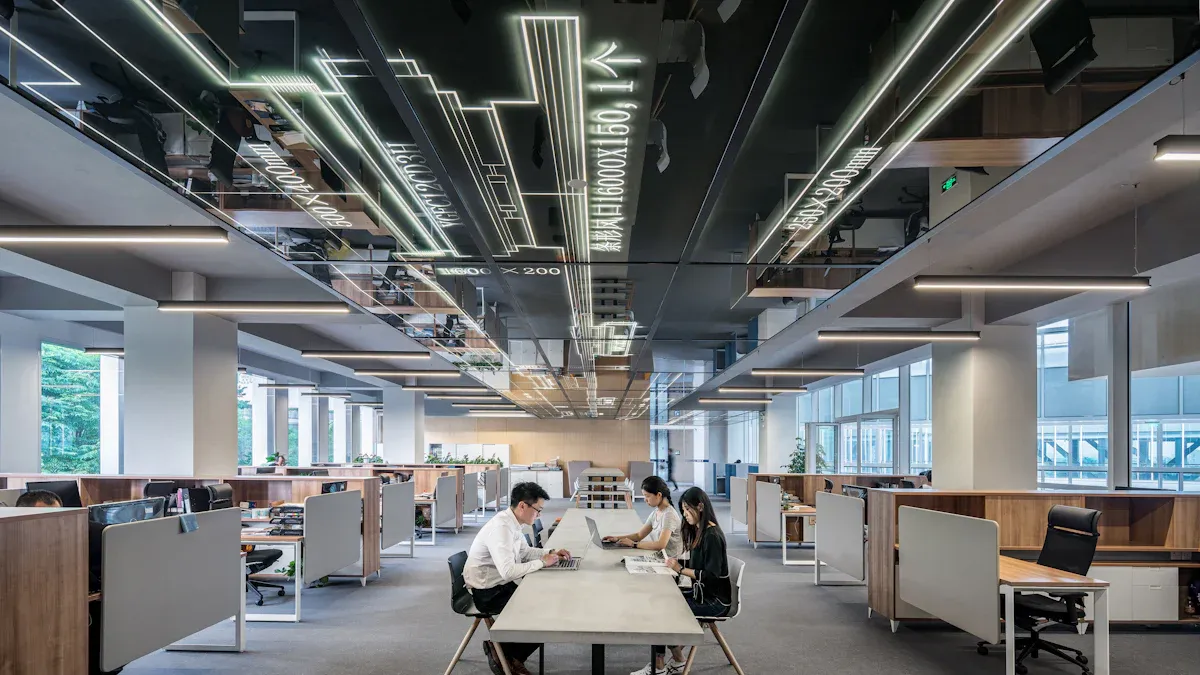
You can achieve the highest impact by placing micro autonomous stores in main lobbies, cafeterias, high-traffic corridors, near meeting rooms, break rooms, parking entrances, and elevator banks. These spots offer easy access and strong visibility, which encourages frequent use and maximizes return on investment. When you set up these stores in busy locations, you give employees quick access to fresh and healthy food choices. This convenience helps reduce time away from work, supports healthier habits, and shows your commitment to employee well-being. Employees feel more satisfied and engaged when they have reliable, diverse options close by.
Key Takeaways
Place micro autonomous stores in high-traffic areas like lobbies and cafeterias to maximize visibility and usage.
Use data-driven insights to analyze foot traffic and adjust product offerings, ensuring the market meets employee needs.
Ensure accessibility for all employees by incorporating features like ADA-compliant kiosks and wide aisles.
Engage stakeholders early in the process to build trust and gather valuable feedback for a successful market launch.
Regularly review performance data to adapt to changing trends and improve the micro market experience.
Best locations for micro autonomous stores
Main lobby areas
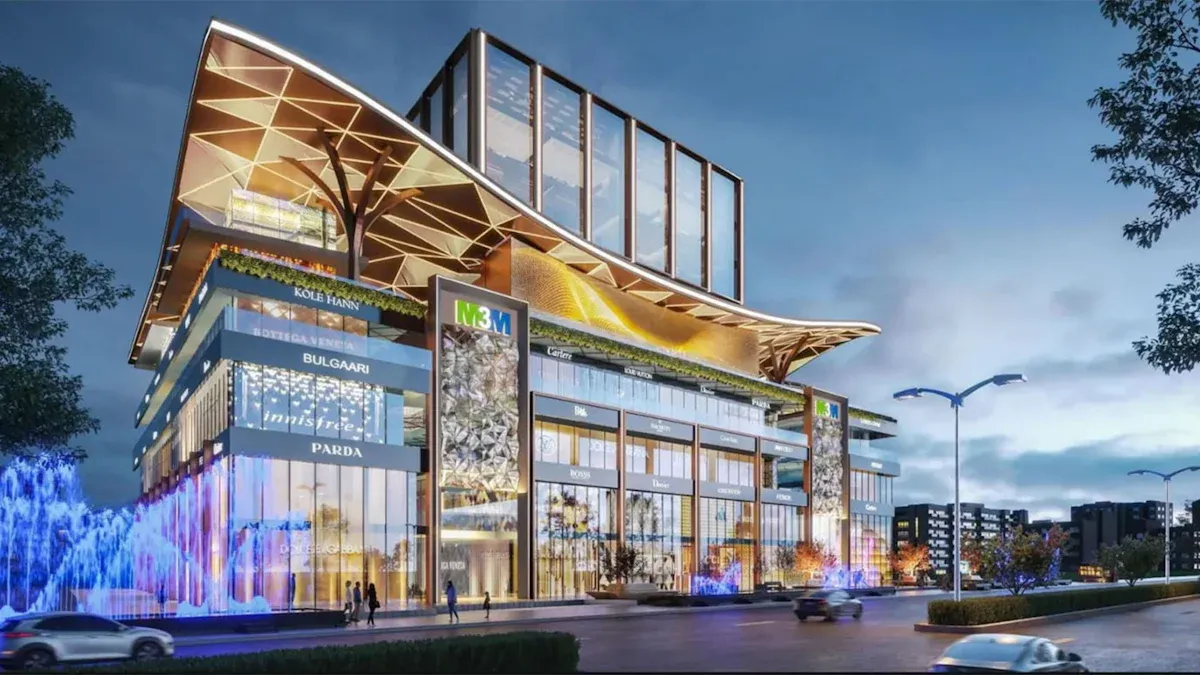
You should consider main lobby areas as one of the best locations for micro autonomous stores. These spaces serve as the first point of contact for employees and visitors. You see a steady flow of people throughout the day. The visibility in a main lobby is high, which means more employees notice and use the micro market. You can easily access these stores when you enter or leave the building. This makes the main lobby a high-traffic area that supports impulse purchases and regular use. When you place a micro market here, you enhance the overall workplace experience and provide a convenient amenity.
Cafeterias and food courts
Cafeterias and food courts rank among the best locations for micro autonomous stores. You find these areas busy during meal times, with employees looking for quick snacks or drinks. Micro autonomous stores in these locations increase food options and help reduce wait times. You benefit from technology like digital signage and mobile apps, which make shopping faster and more enjoyable. Employees can grab a snack or beverage without waiting in long lines. This setup supports a seamless and efficient micro market experience.
Tip: Place your micro market near the entrance of the cafeteria for maximum exposure and easy access.
High-traffic corridors
High-traffic corridors connect different parts of the office or tech park. You see employees moving through these locations all day. These corridors are some of the best locations for micro autonomous stores because they guarantee consistent foot traffic. When you set up a micro market here, you reach employees who may not visit the cafeteria or lobby. The market benefits from frequent deliveries and quick restocking, which keeps shelves full and customers happy.
Evidence | Description |
|---|---|
Faster Deliveries | In congested cities, cargo bikes can move 6% faster than cars by bypassing traffic and parking issues. |
High-Frequency Delivery | Short-range autonomous delivery vehicles can complete multiple trips per hour, enhancing delivery efficiency. |
Market Growth | The short-range segment of autonomous delivery is the largest, indicating a strong demand for efficient delivery in urban cores. |
You can see how high-traffic corridors support the growth of the micro market by making it easily accessed and always stocked.
Near meeting rooms
You should not overlook the area near meeting rooms when choosing the best locations for micro autonomous stores. Employees often need quick access to snacks, drinks, or supplies between meetings. In tech parks, workers sometimes struggle to find food or beverages during short breaks. A micro market near meeting rooms solves this problem. You give employees a convenient way to recharge and stay productive. This location improves worker efficiency and supports a positive office environment.
Break rooms and lounges
Break rooms and lounges are natural gathering spots. You can transform the current breakroom into a micro market, making it one of the best locations for micro autonomous stores. Employees use these spaces to relax and refuel. A 2023 Gallup survey found that 78% of employees see access to food and beverages as a key productivity booster. Micro autonomous stores in break rooms operate unattended, so you get a seamless grab-and-go experience. This setup works well in offices with steady foot traffic and supports employee satisfaction.
You can add a micro market to your current breakroom to boost morale and productivity.
Employees appreciate the convenience and variety these stores offer.
Parking entrances
Parking entrances serve as busy traffic hubs in many corporate offices and tech parks. You find employees passing through these locations at the start and end of each workday. Micro autonomous stores like the Juxta Nomad work well here. These stores can hold hundreds of items and use technology to detect purchases automatically. You can set up a micro market quickly, and one employee can manage several stores at once. This location reduces labor costs and increases convenience for everyone. Parking entrances are among the best locations for micro autonomous stores because they capture employees during their daily routines.
Elevator banks
Elevator banks are another set of busy traffic hubs. You see employees waiting for elevators throughout the day. These locations offer high visibility and steady market traffic. When you place a micro market near elevator banks, you reach employees on every floor. The convenience of grabbing a snack or drink while waiting for an elevator makes this one of the best locations for micro autonomous stores. You also improve the overall amenity offering in your building.
Note: Industry reports show that high-traffic urban areas, transit hubs, and freestanding spots like parking lots are common choices for micro market deployment. These locations share features like strong visibility, easy access, and consistent market demand.
Location Type | Description |
|---|---|
Ideal for visibility and foot traffic, such as busy city streets and shopping areas. | |
Transit hubs | Locations like train stations and airports where commuters seek quick service. |
Freestanding spots | Options like parking lots or near offices that attract quick shopping needs. |
City and town centers | Close proximity to customers, offering easy access and lower shipping costs. |
Underserved markets | Areas with limited shopping options, providing essential services to rural and small communities. |
You can use these insights to select the best locations for your micro autonomous stores and maximize the impact of your micro market strategy.
Location strategy and selection criteria
When you plan your location strategy for micro autonomous stores, you need to focus on data and real-world patterns. Picking the right location helps you reach more employees and boost your market’s success. You want to make sure your micro market is easy to find, simple to use, and close to where people spend time.
Foot traffic analysis
You should start by looking at where people walk the most. AI tools can track foot traffic and show you the busiest spots. These tools also watch what people buy and when they shop. You can use this information to place your micro market where it will get the most use. Some companies use AI agents to study patterns and adjust what products are on the shelves. This keeps your market fresh and meets the needs of your target customers.
AI agents monitor foot traffic and buying habits.
They help you adjust your market’s products based on local trends.
You can use these insights to make your micro market more popular.
Accessibility factors
Accessibility and convenience matter for everyone. You want your market to be easy for all employees to reach, including those with disabilities. Features like ADA-compliant kiosks and wide aisles make shopping simple and safe. When you focus on accessibility and convenience, you meet legal rules and make more people happy. This can lead to more sales and a better shopping experience.
Evidence Description | Impact on Micro Autonomous Stores |
|---|---|
Ensures accessibility for all customers, including those with disabilities. | Meets legal requirements and enhances customer satisfaction. |
Integration of accessible technology improves shopping experience. | Promotes autonomy and increases efficiency. |
Features like ADA-compliant kiosks can boost foot traffic. | Leads to increased sales for operators. |
Proximity to demand zones
You should place your micro market in close proximity to where employees gather. These demand zones include break rooms, meeting areas, and main corridors. When your market is near these spots, you make it easy for people to grab snacks or drinks during their busy day. Proximity to target customers means your market will see more use and higher sales.
Tip: For large offices, place your market on busy floors near elevators or stairs to maximize reach.
Visibility and signage
Good visibility and clear signs help people find your micro market fast. You want your market to stand out and be easy to spot from a distance. Use bright signs and place your market in open areas. This draws attention and encourages more people to stop by. A strong location strategy uses both visibility and close proximity to demand zones to drive market success.
Criteria | Description |
|---|---|
High Traffic Areas | Locations with significant foot traffic ensure convenience and encourage usage of the micro market. |
Proximity to Breakroom | Areas near existing breakrooms are ideal for transitioning into micro markets, enhancing their appeal. |
Accessibility | Ensuring the market is accessible to all employees, including those with mobility limitations, is crucial. |
Multi-Floor Consideration | For large offices, placing markets on busy floors near elevators or stairs maximizes accessibility. |
When you use these location strategy tips, you build a reliable customer base and make your micro market a key part of the office flow.
Operational considerations for perfect location
Integration with amenities
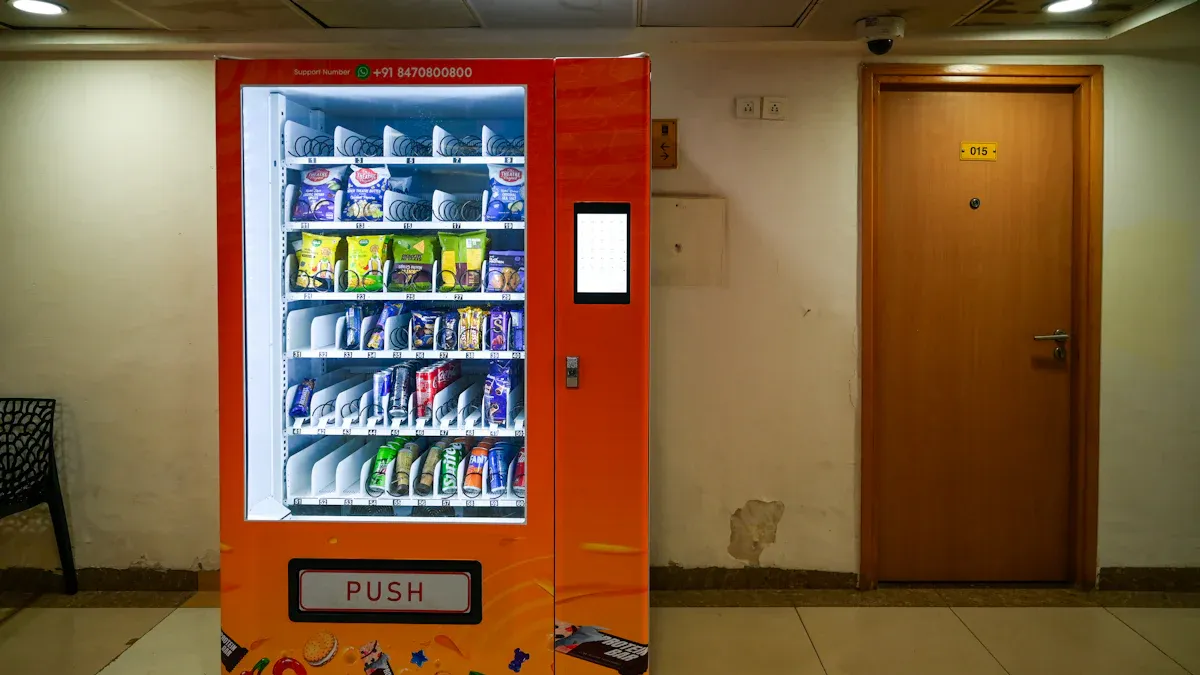
You can boost the value of your micro market by connecting it with existing workplace amenities. When you place your market near lounges, cafeterias, or break rooms, you create a seamless experience for employees. They get 24/7 access to fresh products and personalized service. This setup supports healthier eating and helps build a culture of wellness and teamwork. You also lower costs because the market runs with less staff and fewer manual tasks. A well-planned layout makes it easy for employees to grab what they need and return to work quickly.
Power and connectivity needs
You must check the power and internet needs before you choose the perfect location for your micro autonomous store. Each market depends on reliable electricity for coolers, payment systems, and lighting. A strong internet connection keeps the store running smoothly and supports real-time inventory updates. If you plan the design with these needs in mind, you avoid downtime and keep the market open at all hours. You should also think about backup power options to prevent service interruptions.
Security and maintenance
Security is a top priority for any micro market in a busy office. You can use cameras, sensors, and AI-driven tools to watch over the store. Automated payment systems help reduce theft and speed up transactions. Remote management lets you monitor the market from anywhere. You can also limit access to the store with ID checks or mobile apps. Studies show that when people know about digital monitoring, they act more responsibly. Regular maintenance keeps the layout clean and the equipment working well.
Security Measure | Description |
|---|---|
Advanced Security Features | Cameras, sensors, and AI-driven monitoring protect the store. |
Transactions process without staff, lowering theft risk. | |
Remote Management | Operators monitor the store in real-time from any location. |
Restricted Entry | Only verified users can enter, using mobile apps or ID checks. |
Surveillance Technologies | EAS tags and motion sensors help deter theft and track items. |
You can see that a strong security plan and regular upkeep help your micro market succeed in any office environment.
Practical tips for deploying micro autonomous stores
On-site surveys
You should always start with an on-site survey before you set up a micro market. This step helps you find the best spot for your store. Walk through the building and look at different areas. Check if there is enough space and if the spot feels safe. Use the table below to guide your survey:
Step | Description |
|---|---|
1 | Conduct a site assessment to evaluate the location's suitability. |
2 | Analyze the feasibility of installing a micro market based on space and security. |
You can use these steps to make sure your micro market fits well and stays secure.
Stakeholder engagement
You need to talk with everyone who will use or manage the micro market. This includes employees, facility managers, and security staff. When you involve these groups early, you build trust and get helpful feedback. Open conversations help everyone understand what the micro market can do. This teamwork makes it easier to transition into a micro market and leads to better results. You also create a sense of ownership, which helps the market succeed.
Data-driven decisions
You should use data to choose the right location for your micro autonomous stores. Look at foot traffic numbers and sales trends. Use digital tools to track how people move in the building. This information helps you pick a spot where the market will get the most use. You can also adjust your product mix based on what people buy. When you rely on data, you make smarter choices and keep your market running smoothly. This approach helps your micro market grow and meet the needs of your team.
Tip: Review your data often. Make changes to your micro market when you see new patterns or needs.
Case studies of successful locations
Corporate office examples
You can learn a lot from real-world placements of micro autonomous stores in corporate offices. Many companies have used smart fridges and modular AI cabinets to give employees quick access to snacks and drinks. These stores use sensor-fusion technology, which helps track what people buy and keeps shrinkage low. You get real-time data on what sells best, so you can restock popular items fast. This approach also helps you personalize the store for your team.
Here is a table with key takeaways from these deployments:
Key Takeaway | Description |
|---|---|
True walk-out convenience | Smart fridges let you grab items and leave, making shopping fast and easy. |
Operational gains | Sensors and cameras help reduce losses and improve how the store runs. |
Data-driven performance | Real-time data helps you restock and adjust products to fit what people want. |
Cost-effective deployment | Modular cabinets fit into existing spaces, so you can expand without big changes. |
New revenue streams | Easy access to snacks encourages impulse buys, which increases overall spending. |
Note: Companies that use these systems often see higher employee satisfaction and more efficient operations.
Tech park deployments
Tech parks have also seen success with micro autonomous stores. You find that location matters most. Stores placed near busy walkways or meeting areas get more visitors. Some tech parks faced challenges with local rules and merging new technology with old systems. You need to check the laws in your area before you set up a store.
Here are some lessons learned from tech park deployments:
Lesson Learned | Description |
|---|---|
Place stores where people walk the most to meet demand. | |
Need for Regulatory Frameworks | Make sure you follow local laws for autonomous devices. |
Economic Viability | Check if the store can make enough money to keep running. |
Integration Challenges | Plan for how the store will work with existing buildings and systems. |
Amazon tried a delivery robot program but stopped it because it was hard to scale. This shows that you need more than just good technology. You also need trust and reliability.
Over 20 states now call delivery robots "pedestrians" so they can use sidewalks. This helps stores operate but can cause issues with accessibility.
Tip: Start with a small pilot store. Test it with real customers before you expand. This helps you find problems early and improve your setup.
You can see that planning, legal checks, and good locations help micro autonomous stores succeed in both offices and tech parks.
You can boost the success of micro autonomous stores by choosing high-traffic, visible spots and reviewing your results often. Ongoing evaluation helps you adapt to new trends and keep your operations strong. For continuous improvement, you can:
Combine micro fulfillment with your current setup for better inventory.
Build partnerships to share resources and lower costs.
Use advanced technology for real-time insights.
Start with a pilot program to test your ideas.
Stay flexible and keep learning from your data to make each deployment better.
FAQ
What is a micro autonomous store?
A micro autonomous store is a small, self-service shop that uses technology to let you buy snacks, drinks, or supplies without staff. You can pay with your phone or card. The store tracks inventory and sales automatically.
How do you keep micro autonomous stores secure?
You can use cameras, sensors, and digital locks to protect the store. Automated payment systems help prevent theft. Regular checks and remote monitoring keep everything safe.
Where should you avoid placing a micro autonomous store?
Avoid hidden corners, low-traffic areas, or places with poor lighting. These spots get fewer visitors and may increase security risks. Choose open, busy locations for better results.
What products work best in micro autonomous stores?
You should stock popular snacks, drinks, and healthy options. Fresh food, bottled water, and quick meals sell well. Use sales data to adjust your product mix.
See Also
Understanding Automated Retail: Micromarkets Compared To Smart Stores
Exploring Unique Vending Machine Sites Outside Conventional Areas
Boosting Small Office Efficiency Using Smart Vending Technology
