Best locations to deploy micro autonomous stores in Franchise & multi-location retailers.

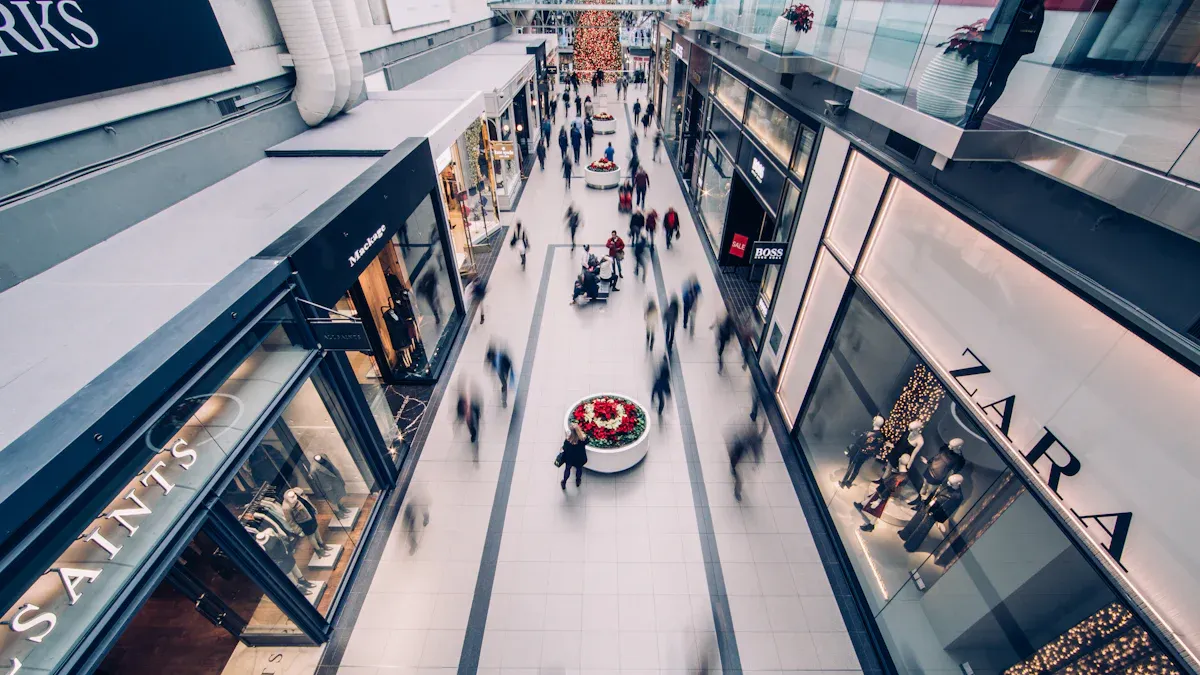
Choosing the best locations for micro autonomous stores is very important. It can help your business grow or fail. Autonomous stores let you reach new locations. You can go to spots you could not before. You also save money on costs. Many retailers see that community and rural areas work better. Busy traffic hubs do not work as well.
Community and rural locations have more success for autonomous stores.
Busy traffic hubs do not give good results.
A smart plan for picking the best locations helps you meet more customers. It also helps you reach your goals. Get ready for easy tips and real examples that show what works.
Key Takeaways
Pick community and rural areas for micro autonomous stores. These places usually have better success.
Use data to study when and where customers visit. This shows the best times and spots for new stores.
Make sure stores are easy to get to and close by. Put them where people already go, like train stations and busy streets.
Pay attention to what customers say. Knowing what they like helps you choose good products and run stores better.
Check store spots often. People’s needs change, so change your plan to keep doing well.
Best locations for micro autonomous stores
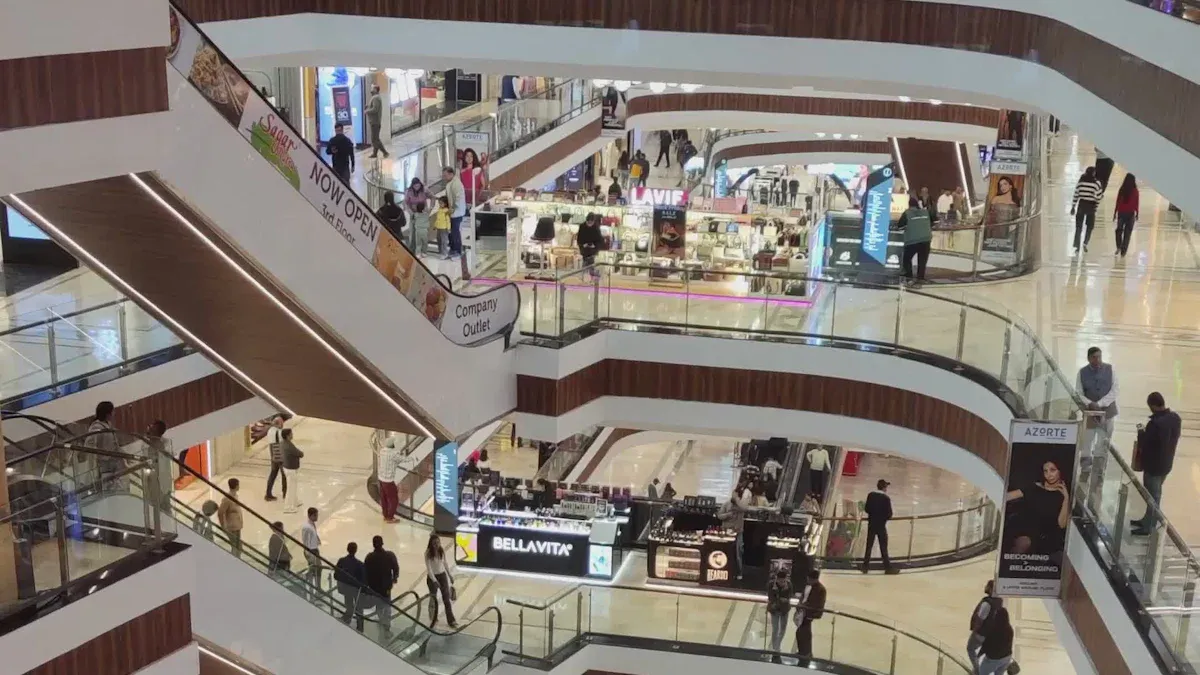
You need to pick good places for your micro autonomous stores. The right spot helps you get more customers and grow your business. Let’s check out some places where autonomous stores do well.
High-traffic urban areas
Busy city streets have lots of people walking. These spots help your store stand out. You can put your store in shopping areas or near famous places. For example, you could set up near the Hollywood Bowl or Walk of Fame in Hollywood, California. Residential clusters are good too. People can shop close to home.
Busy streets with many people walking
Shopping areas with lots of visitors
Near famous places like the Hollywood Bowl
Residential clusters for easy shopping
These places let you reach people who want fast shopping. You get steady customers and more chances to sell.
Transit hubs
Transit hubs bring together travelers and commuters. You can put your stores in train stations, bus stops, or airports. People often need snacks or drinks while waiting. Autonomous stores work well in these busy spots. You do not need much staff, so you save money. You also help busy people who want quick service.
Underserved markets
Some places do not have enough stores. You can fill this gap by putting stores in these areas. Rural towns and small communities often need easier shopping. You help people get what they need without driving far. Your store becomes important. You also have less competition, so your business can grow faster.
Freestanding and lifestyle centers
Freestanding spots give you more choices. You can put your store in parking lots, near offices, or in lifestyle centers. These places attract people who want quick shopping. You do not need a big space. You can use small areas and still reach many customers. Lifestyle centers mix shopping, eating, and fun. Your store fits in and offers convenience.
City and town centers
City and town centers bring your stores closer to customers. You get more attention and easy access. You also spend less on shipping because you are close. You can use cheaper real estate, which still gives you a good spot. Here’s a quick look at the benefits:
Benefit | Description |
|---|---|
Proximity to Customers | Stores in city centers bring products closer to customers, making them easier to find. |
Being in city centers lowers costs compared to shipping from far away, making shopping easier. | |
Utilization of Secondary Real Estate | Stores can use less expensive real estate for operations, getting noticed without high costs. |
City and town centers help you reach more people and save money. Your store stands out and becomes part of the community.
Tip: Always check local traffic and what customers want before picking your spot. The best places match your business goals and help you serve more people.
You can use these top spots to make your micro autonomous stores successful. Each place has special benefits. You reach more customers, save money, and grow your business.
Location strategy for franchise & multi-location retailers
You want your micro autonomous stores to do well. Picking the right place is not just about luck. You need a smart plan for where to put your stores. This helps you get more customers and reach your goals. Let’s see how you can make a strong plan for your franchise or multi-location retailers.
Accessibility and convenience
Accessibility and convenience are very important. You want people to find your stores easily and shop without problems. A good plan puts your stores where people already go. You can use technology to make shopping even easier. Here is a quick look at what makes a location easy and convenient:
Factor | Description |
|---|---|
Location Selection | Stores are put in busy places like offices, airports, and hotels so people can get to them easily. |
Technology Integration | Smart AI and sensors help keep track of items and make buying things fast and simple. |
Customer Experience Design | Stores let people grab what they want and go, so they do not have to wait long. |
These things help your stores get noticed. When you focus on making things easy, you help people shop faster. Your plan should always think about convenience.
Proximity to target customers
You need to be close to your customers. A good plan puts your stores where your customers spend time. Proximity marketing helps you talk to shoppers when they are near. You can send them special deals and offers. This makes shopping more fun and personal. Here are some ways being close helps your stores:
Proximity marketing uses micro-location tech to send deals to people based on where they are.
You can get more people interested by giving them deals when they walk by your stores.
Retailers use proximity marketing to reach the right people, which can help you sell more.
You can use these ideas to make your stores more popular. When you are close to your customers, you get more visits and better results. Your plan should always try to be where your customers are.
Parking and public transit access
Parking and public transit are very important. You want your stores to be easy to get to. If people can park or use the bus or train, they will come more often. Your plan should pick places with good parking and transit. This helps you serve more people and makes shopping less stressful.
Tip: Always check how people get to your stores. If you pick places with easy parking and transit, you make shopping simple for everyone.
A good plan helps you find and get the best spots. You look at what customers like and who lives nearby. You can put stores in workplaces, events, or other places that change. Low-cost autonomous stores help fill the space between online and in-person shopping. Scalable solutions let you open more stores in new places. Busy spots help you reach people who spend more, so you can make more money.
You can use a location plan to match your business goals. You reach more customers and fill gaps in your stores. When you use data and technology, you make better choices. Your stores do better, and your franchise or multi-location retailers can grow faster.
Key criteria for autonomous store deployment
Customer traffic patterns
You want your stores in places where people actually go. It helps to look at how customers move during the day. In big cities, you can use data to see when and where people gather. Maybe mornings are busy near offices, while afternoons get crowded near schools. By studying these patterns, you can pick the best spots for your micro store. This smart planning can cut down on delivery miles and even help the environment by lowering emissions. You get more sales, and your customers get what they need, right when they want it.
Gaps in current coverage
Take a look at your network. Are there places where customers have trouble finding your stores? These gaps are great chances for you to grow. Maybe there’s a new neighborhood or a busy park with no easy shopping options. When you fill these gaps, you make life easier for your customers. You also stand out from your competition. Try making a simple table to spot these gaps:
Area | Current Store Nearby? | Customer Demand | Opportunity Level |
|---|---|---|---|
Downtown | Yes | High | Medium |
Suburb North | No | Medium | High |
City Park | No | High | High |
Tip: Use maps and customer feedback to find the best places to add new stores.
Cost and operational efficiency
You want your stores to make money, not just look good. Start by checking how much it costs to run each location. Vending machines can cost between $1,500 and $10,000, but they often give a strong return each year. Micro markets need more money at first, but they can bring in more shoppers and bigger sales. Watch your costs for things like technology and repairs. If you use robots, you can pick items fast—sometimes in just 20 seconds. This speed helps you serve more people and keep costs low. Always compare your spending to your sales. That way, you know if your stores are really working for you.
Data-driven site selection
You want your micro autonomous store to succeed. Picking the right spot is easier when you use data. Let’s look at three smart ways to choose the best locations.
Foot traffic analytics
You can start by watching where people walk. Foot traffic analytics help you see which areas stay busy all day. You might notice that some corners get crowded during lunch. Other spots fill up after school. When you use this data, you can put your stores where people already go. This means more shoppers and better sales. You do not have to guess. The numbers show you the best places.
Tip: Try using sensors or cameras to count people. This helps you track busy times and quiet hours.
Demographic mapping
Next, think about who lives or works nearby. Demographic mapping shows you the age, income, and habits of people in each area. Maybe you find lots of students near a college. Or you see families in a new neighborhood. This helps you match your products to what people want. You can even spot new trends before your competitors do. When you know your customers, you can serve them better.
Look for young professionals near offices.
Find families in growing suburbs.
Check for tourists in city centers.
Competitive landscape
You also need to check out your competition. Some areas have many stores fighting for the same shoppers. Others have open space for you to grow. Here’s a table to help you think about what matters:
Factor | Description |
|---|---|
Customer concentration | Some companies get most sales from big retail programs. |
Backlog and scale | A large backlog means steady demand and better profits. |
Competitor strengths | Some rivals do well in certain regions or with certain shoppers. |
RaaS expansion | New tech makes it easier for more companies to join the market. |
Market share | Big wins in North America can change who leads the market. |
Risk factors | Relying on a few big clients can be risky, so spread out your customers. |
Comparative lens | Always compare your strengths and weaknesses to others. |
Growth outlook | Labor shortages and supply chain needs push the market to grow. |
When you study these factors, you can find the best place for your store. You can avoid crowded spots and focus on areas with more room to grow.
Understanding customer preferences
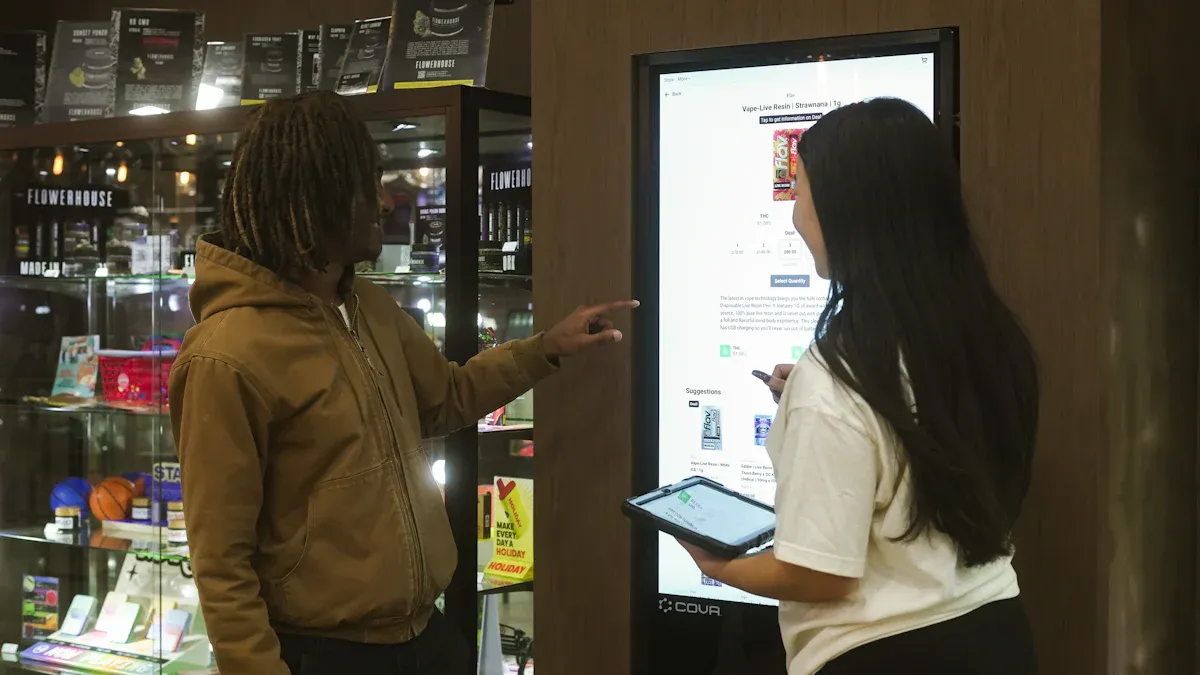
Local consumer behavior
You need to know how people shop in your area. Every neighborhood has its own habits. Some people like to shop late at night. Others want to grab snacks on their way to work. You can watch what people buy and when they visit. This helps you decide what to stock and when to open your autonomous stores. If you see lots of students, you might want to offer quick meals and drinks. If families live nearby, you can add more groceries and treats.
Tip: Talk to people in the community. Ask what they want to see in your stores. This makes shoppers feel heard and valued.
Demand for convenience
People want shopping to be easy and fast. You see this everywhere. Shoppers look for frictionless and contactless ways to buy things. The pandemic made this even more important. Now, many people want to avoid lines and pay quickly. Autonomous stores give you a quick, seamless, and secure checkout. You can grab what you need and go.
People want shopping to be fast and simple.
Many shoppers like contactless payments.
Autonomous stores help you shop without waiting in line.
These stores can open in small spaces close to where you live or work.
You get more loyal customers when you make shopping easy. They come back again and again because it saves them time.
Feedback from existing customers
You can learn a lot from your current shoppers. Ask them what they like about your stores. Find out what could be better. Maybe they want more snack choices or longer hours. You can use surveys, suggestion boxes, or even quick chats at the checkout. When you listen and make changes, people notice. They feel like you care about their needs.
What to Ask | How to Collect Feedback | Why It Matters |
|---|---|---|
Favorite products | Short surveys | Stock what people want |
Store hours | Suggestion box | Open when shoppers need you |
Payment options | Quick chat at checkout | Make shopping easier |
You build trust when you listen to your customers. This helps your autonomous stores grow and succeed.
Operational considerations for autonomous stores
When you set up autonomous stores, you need to think about how to run them well. You want things to go smoothly so customers are happy and your business grows. Let’s look at some important things to remember.
Resource allocation
You need a plan for using your resources. This means deciding where to spend money and how to use space. You also need to pick the right technology. If you want your store to be fast, you must keep throughput high. Good software helps your store work without problems. Your store should be able to grow as your business gets bigger, so flexibility is important. Cost matters too. You should check if your spending matches what you hope to earn. Saving energy helps you spend less and is good for the planet. Here’s a table to show what is most important:
Consideration | Description |
|---|---|
Throughput Requirements | Keep your store moving fast so customers get what they need quickly. |
Software Reliability | Use strong software that works well with your other systems. |
Scalability and Flexibility | Make sure your store can grow and change as your business does. |
Cost Considerations | Look at all costs, including setup and maintenance, to see if your store will make money. |
Adaptability and Support | Choose systems that handle different products and offer good support. |
Energy Efficiency | Pick options that use less energy and help the environment. |
Staffing and maintenance
Autonomous stores do not need many workers, but you still need some people. They help with cleaning and fixing things. You want your store to stay neat and full of products. Regular checks help you find problems before they get worse. You can teach your team to fix tech issues and keep things running. If you plan well, you can use fewer workers and still keep your store in good shape.
Tip: Make a schedule for regular checks and use a checklist. This helps you stop problems before they start and keeps your store working well.
Integration with current operations
You want your autonomous stores to work with your other stores. When you connect your systems, it is easier to track products and do marketing. Micro-fulfillment centers help you send orders faster. Automation in distribution centers lets you restock quickly. The market for these centers is growing fast, so you can use new tools to help customers. Here’s a table to show how new ideas help your business:
Innovation Type | Description | Impact on Retail Operations |
|---|---|---|
Micro-fulfillment centers (MFCs) | Small, automated warehouses near cities that speed up delivery. | Orders reach customers twice as fast as before. |
Automation in Distribution | Robots and conveyors help move products quickly. | Big companies improve their delivery and restocking. |
Growth of MFC Market | The market is getting bigger every year. | You can use these centers to meet higher customer expectations. |
You can also help your business by connecting data and how you work. This helps you manage products, marketing, and orders. If you use behavioral science and microtargeting, you can reach customers better. Building a strong plan now helps your business grow later.
Case studies and examples
You may wonder where micro autonomous stores work best. Here are some real stories. These show how smart locations can help your business grow.
Urban transit hub deployments
Think about a busy train station in New York City. Many people hurry through every morning. You put a micro autonomous store near the entrance. People buy coffee, snacks, or phone chargers before work. You do not need many workers. The store works by itself. Sales stay steady all day. Travelers like how fast they can shop. You help them save time.
Tip: Put your store close to ticket counters or waiting spots. You reach people when they need something quick.
College campus rollouts
Picture a college campus in Austin, Texas. Students walk from class to class. You open a micro autonomous store in the student center. They buy energy drinks, notebooks, or lunch. You give deals to students with IDs. The store stays open late at night. Students like shopping fast and close by. You get repeat customers because students come every day.
Give discounts to students
Stock favorite things like snacks and school supplies
Keep the store open when it is busy
Residential community pilots
Imagine a new neighborhood in Denver. Families move in and need food. You put a micro autonomous store near the playground. Parents grab milk or bread while watching their kids play. The store fits in a small spot. You do not need a big building. People like shopping close to home. You help families where big stores are not nearby.
Location | Customer Type | Top Products | Store Benefit |
|---|---|---|---|
Transit Hub | Commuters | Snacks, chargers | Fast, easy shopping |
College Campus | Students | Drinks, supplies | Repeat customers |
Residential Area | Families | Groceries, treats | Local convenience |
You can use these stories to help pick your own store spots. Each place has its own good points. You reach more people and make shopping simple.
You have learned how to find the best places for your micro autonomous stores. Look for spots where lots of people go. Make sure people can get to your store easily. Try to find areas where there are not many stores yet. Use facts and numbers to help you decide where to put your stores. This will help your business get bigger.
Remember: Check your store locations often. What customers want can change, so always look for better spots. Good choices now can help you do well in the future!
Pick smart places for your stores
Use data to make choices
Always work on making your plan better
FAQ
What makes a location great for micro autonomous store deployment?
You want a place where people walk by often. It should be easy to get to and very convenient. Urban areas, transit hubs, and busy neighborhoods are good choices. These places help your store grow. You can open stores fast and reach more shoppers.
How do you choose between urban c-store formats and other retail options?
First, look at the area and what people want. Urban c-store formats work best in busy cities. They give quick shopping and are easy for people in a hurry. Other types of stores might be better in small towns or places with fewer shops. Always pick the store type that fits the area.
Can autonomous checkout improve convenience in retail stores?
Yes, autonomous checkout makes shopping much faster. Customers can grab what they need and leave quickly. This makes shopping easier and helps your store stand out. It is a good way to bring new shoppers to your store.
Where should you deploy stores to maximize convenience?
Put stores in cities, near buses or trains, and in busy neighborhoods. These spots make shopping easy for people. You help customers who need to shop fast. Your store can fill empty spots where there are not many shops.
How does location strategy help you find new opportunities?
A smart plan helps you see where stores are needed. You use facts and numbers to find the best spots. You put stores where lots of people want to shop. This helps you get more customers and grow your business.
See Also
Exploring Global Automated Retail: Micromarkets And Smart Stores
Creative Vending Machine Sites: Expanding Beyond Conventional Locations
Understanding AI-Driven Corner Stores: Essential Insights For Retailers
Uncover Top Micro Market And Vending Options For Your Business
